1-Inch vs 4-Inch Furnace Filters: What Homeowners Should Know
When comparing 1-inch vs 4-inch furnace filters, the real issue is not which one sounds better on paper, but which one your HVAC system is actually designed to use.
It is really a question of what your HVAC system was designed to use and what kind of filter setup makes sense for your home.
A lot of homeowners assume a thicker filter is automatically an upgrade. Sometimes it is. But a 4-inch filter is not a universal replacement for a 1-inch filter, and it is never a good idea to force the wrong thickness into a system.
The right choice depends on your filter slot or media cabinet, your system’s airflow needs, how much dust or pet hair your home deals with, and how often you want to change filters.
For many homes, both options can work well in the right setup. The important part is understanding the practical differences before you buy.
What 1-inch and 4-inch furnace filters actually are
The easiest way to understand the difference is to start with physical size.
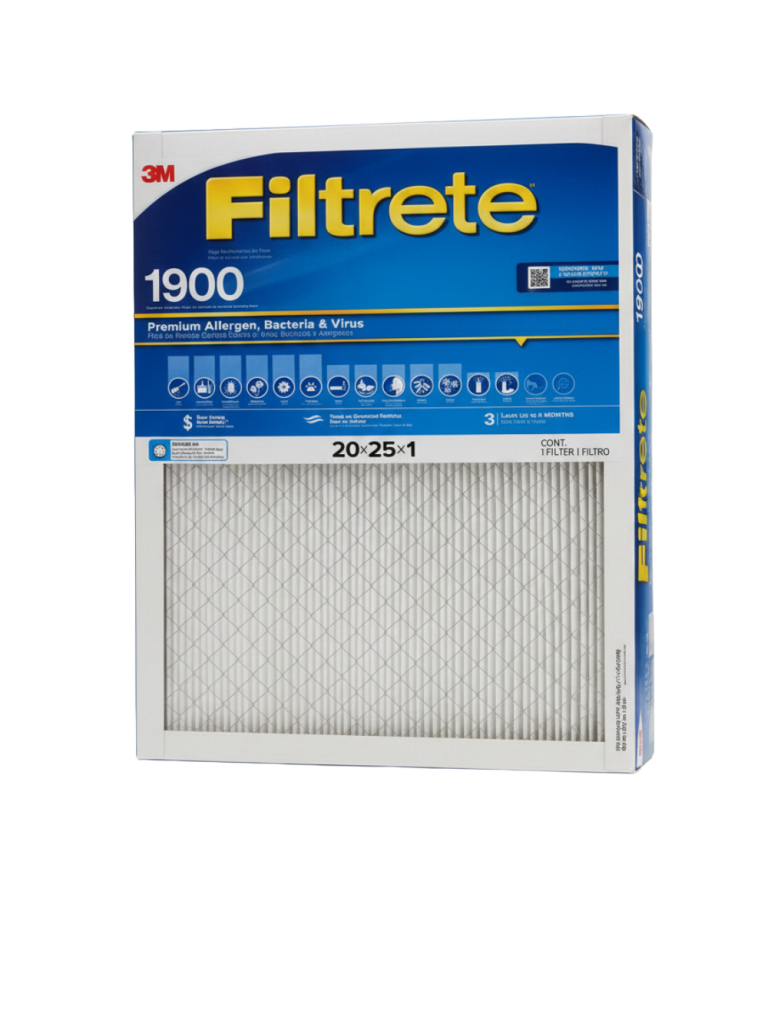
A 1-inch furnace filter is the standard thin filter found in many residential systems. It usually slides into a narrow filter slot located at the furnace, air handler, or return grille.
A 4-inch furnace filter is a deeper media filter. It has much more filter material folded inside the frame, which gives it more surface area. These filters are usually installed in a cabinet or housing designed specifically for thicker filters.
That extra depth matters. A 4-inch filter is not just a thicker version of the same thing. It is usually part of a different filter setup.
If you are also deciding between filter materials, our guide on pleated vs fiberglass furnace filters can help you choose the type that makes the most sense for your home.
In simple terms:
- A 1-inch filter is thinner and fits standard narrow filter slots
- A 4-inch filter is deeper and usually fits a dedicated media cabinet
- A 4-inch filter has more filter material inside it
- More filter material usually means longer filter life and more dust-holding capacity
The key point is that thickness is determined by the system’s filter housing, not by what sounds better on the store shelf.
1-inch vs 4-inch furnace filters: the biggest practical differences
When homeowners compare these two filter types, the main differences usually come down to airflow, dust capture, filter life, maintenance, and total cost over time.
Airflow
Many homeowners hear that thicker filters are more restrictive. That can be true in some situations, but it is not the full picture.
A 4-inch filter has more depth and more surface area. Because the filter media is spread over a larger area, air can often move through it more easily than people expect when the system is designed for that filter.
That is why a properly installed 4-inch media filter can sometimes provide good filtration without creating the same level of resistance you might expect from a tighter 1-inch filter.
A 1-inch filter can still work perfectly well in a system designed for a 1-inch slot. But if you choose a very restrictive 1-inch filter, airflow can become a problem faster because there is less surface area for the air to move through.
So the real rule is this: airflow depends on the filter and the system together.
A 4-inch filter is not better simply because it is thicker. It is better only when the system has the right cabinet and airflow design for it.
Dust capture
In everyday use, 4-inch filters often do a better job over time because they have more media and more dust-holding capacity.
That does not mean every 4-inch filter always outperforms every 1-inch filter in every category. Filter rating still matters. But in a typical residential setup, a 4-inch media filter usually has more room to capture particles before it becomes overloaded.
That can be helpful in homes with:
- Normal household dust
- Multiple occupants
- Pets
- Seasonal pollen
- Heavier HVAC use
A 1-inch pleated filter can still provide solid household filtration, especially in average homes. But it usually fills up faster and needs more frequent replacement to keep performing well.
Filter life
This is one of the biggest everyday differences.
A standard 1-inch filter usually needs to be checked often and replaced more frequently. In many homes, that means every 1 to 3 months depending on dust, pets, and system run time.
A 4-inch media filter usually lasts much longer. In many residential systems, homeowners may only need to replace it every 6 to 12 months, depending on the filter, the home, and manufacturer guidance.
That longer life is one of the main reasons homeowners like thicker filters when their system supports them.
A 4-inch filter often appeals to homeowners who want:
- Fewer filter changes each year
- Less day-to-day HVAC maintenance
- Better dust-holding capacity
- More forgiving replacement timing
That said, longer life does not mean “install it and forget it.” Even a 4-inch filter should still be inspected on schedule.
Replacement frequency
A 1-inch filter puts you on a more frequent replacement schedule.
That is not necessarily a bad thing. Some homeowners prefer simple, inexpensive filters they can swap out regularly. But if you forget maintenance, a 1-inch filter can become dirty faster and start affecting airflow sooner.
A 4-inch filter is lower maintenance for many households. That can be a real advantage for busy homeowners, landlords, or anyone who does not want to think about filter changes every month or two.
Still, lower maintenance only matters if the system is designed for it. You cannot turn a 1-inch filter slot into a 4-inch media cabinet just by buying a thicker filter.
Cost
A 1-inch filter usually costs less upfront.
That makes it appealing at checkout, especially if you are buying filters in a multi-pack. But lower shelf price does not always mean lower annual cost.
Because 1-inch filters are replaced more often, the total yearly cost can add up. A 4-inch filter usually costs more each time you buy one, but it often lasts much longer.
In practical terms:
- A 1-inch filter usually costs less per filter
- A 4-inch filter usually costs more per filter
- A 1-inch filter usually needs more replacements each year
- A 4-inch filter may cost more upfront but less hassle over time
For some homeowners, the best value is still the 1-inch option because that is what their system uses. For others, the 4-inch option can be worth it because of longer life and less frequent maintenance.
Your filter cabinet decides what you can use
This is the most important part of the entire decision.
Your furnace or air handler does not care what sounds like an upgrade. It cares what fits the filter housing correctly.
If you want a broader starting point before choosing thickness, our guide on best furnace filters explains how size, airflow, and everyday household needs fit into the decision.
If your system has a 1-inch slot, you should use a 1-inch filter unless the system has been professionally modified with a properly designed media cabinet. If your system has a 4-inch media cabinet, you should use the correct 4-inch filter made for that cabinet.
A 4-inch filter is not a universal upgrade if the system is designed for a 1-inch slot.
Homeowners should not force the wrong thickness into a system. A filter that does not fit correctly can lead to poor sealing, air bypass, installation problems, or airflow issues. In some cases, it may not even install safely or properly at all.
Before buying a filter, check:
- The filter size printed on the old filter
- The label on the filter cabinet or slot
- The owner’s manual if you have it
- The actual depth of the filter housing
- Whether your system has a standard slot or a true media cabinet
Do not guess based on appearance alone. Filter sizes can look similar until you try to install the wrong one.
Which option makes sense for the average home?
For an average home, a 1-inch filter is still very common because many residential systems are built around that setup.
If your system uses a 1-inch slot, that is usually the right thickness to stick with. In that case, the smarter decision is often choosing a good-quality pleated 1-inch filter that balances filtration and airflow.
If your home already has a 4-inch media cabinet, the 4-inch filter is often a very comfortable long-term setup. It gives you longer service life and usually less maintenance.
So for the average home, the answer is not that one size is always better. It is that the best choice is the thickness your system was designed to use.
What about pet homes?
Pet homes usually put more stress on filters.
Hair, dander, dust, and extra debris can load a filter faster. That is one reason many pet owners like 4-inch filters when their system supports them. The extra media helps the filter last longer under heavier household conditions.
A 1-inch filter can still work in a pet home, but it may need more frequent checking and replacement.
In pet homes:
- 1-inch filters may load up faster
- 4-inch filters often offer longer service life
- More frequent inspection is a good idea either way
- Stronger filtration is not helpful if it hurts airflow
The biggest mistake pet owners make is assuming they need the most aggressive filter possible. Usually, the better move is using the correct thickness for the system and replacing it on time.
What about homeowners who want lower-maintenance filter changes?
This is where 4-inch filters often stand out.
If your system already has a 4-inch media cabinet, it is usually the lower-maintenance option. You will usually change the filter less often, and that makes it easier to stay on schedule.
That can be especially helpful for:
- Busy households
- Older homeowners who prefer fewer maintenance tasks
- Rental properties
- Homes where people tend to forget filter changes
But again, lower maintenance is only a benefit if the system is built for that thickness. It is not worth trying to force a thicker filter into the wrong setup just to avoid changing filters more often.
Common homeowner mistakes when buying the wrong filter thickness
A lot of filter problems start at the store or during online ordering.
The most common mistakes include:
- Assuming a thicker filter is always better
- Buying the wrong thickness without checking the filter slot
- Trying to force a 4-inch filter into a 1-inch system
- Buying based only on price
- Ignoring actual size versus nominal size
- Forgetting to check the airflow arrow during installation
- Choosing filter thickness before checking what the cabinet was designed for
One of the biggest mistakes is treating filter thickness like an upgrade path instead of a fit issue.
A 4-inch filter is only the right choice if the system has the proper cabinet or housing for it. If the system was designed around a 1-inch filter slot, the correct move is usually to use the right 1-inch filter and focus on choosing an appropriate filter rating and replacement schedule.
Another mistake is assuming a 1-inch filter is always inferior. That is not true. In many homes, a properly sized 1-inch pleated filter works just fine as long as it is changed regularly.
Simple recommendation: which one should you choose?
For most homeowners, the right answer is simple.
Use the filter thickness your system was designed to accept.
If your HVAC system has a 1-inch slot, use a properly sized 1-inch filter. If your system has a 4-inch media cabinet, use the correct 4-inch filter for that cabinet.
Here is the practical recommendation:
- Choose a 1-inch filter if your system has a standard 1-inch slot
- Choose a 4-inch filter if your system has a true 4-inch media cabinet
- Choose 4-inch if you want lower-maintenance filter changes and your system already supports it
- Be ready to check 1-inch filters more often, especially in pet homes
- Never force a thicker filter into a system not designed for it
If you are trying to decide which setup is better in general, 4-inch filters usually offer advantages in filter life, dust-holding capacity, and maintenance. But those advantages only matter when the HVAC system is designed for that thicker filter.
For homeowners with a standard 1-inch filter slot, the best move is usually not to chase thickness. It is to use the correct 1-inch filter, replace it on time, and avoid overly restrictive choices that can affect airflow.
Final thoughts
1-inch vs 4-inch furnace filters comes down to fit, system design, and maintenance style.
A 1-inch filter is common, simple, and often perfectly fine for everyday residential use when it is the correct fit for the system. A 4-inch filter usually lasts longer and can be a great low-maintenance option, but only when the system has the proper cabinet for it.
The main thing to remember is this: thicker is not automatically better, and the wrong thickness is never the right upgrade.
For most homeowners, the best choice is the filter size the system was built to use, changed on a schedule that matches the home’s dust level, pets, and everyday HVAC use.