Best Air Purifier for Pet Hair and Dust: what homeowners should look for
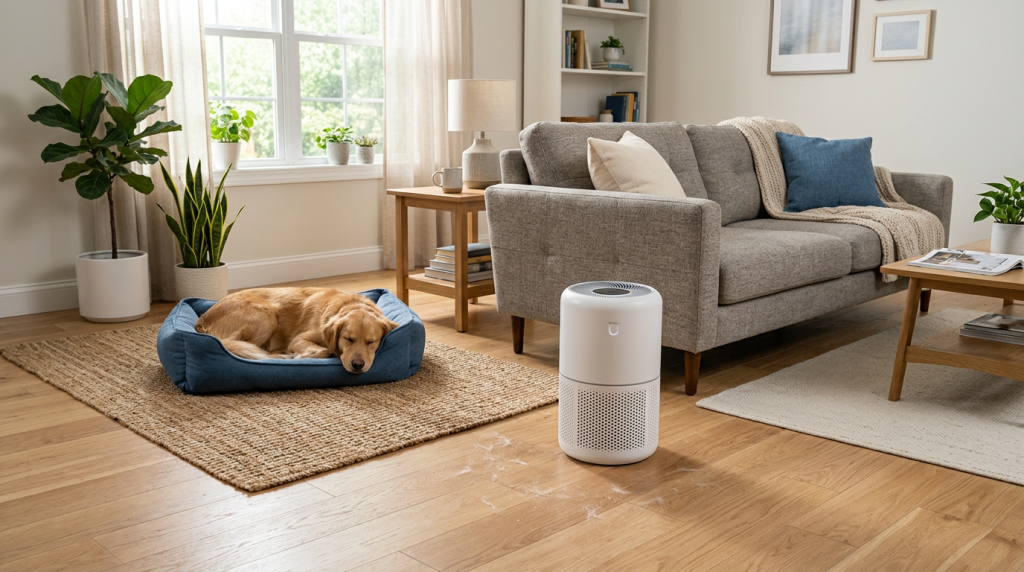
Best air purifier for pet hair and dust searches usually come from homeowners who are tired of floating dust, pet dander, fur on surfaces, and stale indoor air. A good air purifier can help reduce airborne dust, pet dander, and odors, but it does not replace vacuuming, grooming pets, changing HVAC filters, or fixing ventilation and moisture problems.
The right choice depends on the room, the pets, the filter type, and how much maintenance you are willing to keep up with. For most homes, the goal is not to buy the most expensive air purifier. The goal is to choose a unit that fits the room and the problem.
Best Air Purifier for Pet Hair and Dust: Quick Comparison
| Air Purifier Type | Best For | Main Strength | Watch Out For |
|---|---|---|---|
| Small bedroom air purifier | Bedrooms, offices, and small pet areas | Quiet room-level dust and dander control | May be too small for living rooms |
| Medium HEPA air purifier | Bedrooms, dens, and everyday pet spaces | Better particle control with a stronger filter | Replacement filters can add ongoing cost |
| Large living-room air purifier | Family rooms and open pet areas | Moves more air in larger spaces | Can be louder and more expensive |
| Pet-focused purifier with carbon | Homes with pet dander and mild odors | Helps with particles and some smells | Carbon filters need regular replacement |
| Air purifier plus HVAC filter support | Homes with central heating and cooling | Helps reduce particles in rooms and ducted airflow | HVAC filters must match what the system can handle |
What an Air Purifier Can and Cannot Do
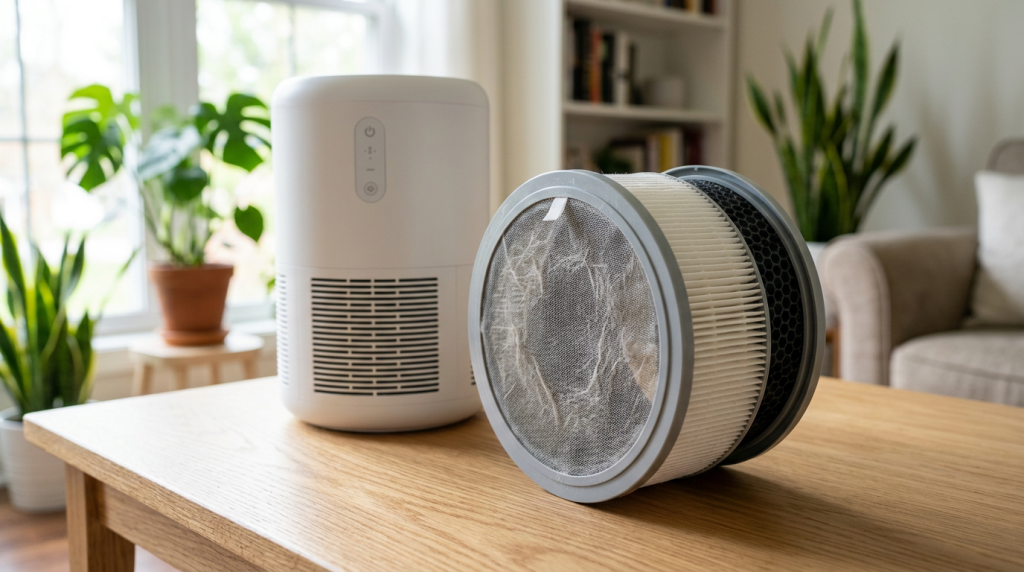
An air purifier is designed to pull room air through filters and return cleaner air back into the space. For pet hair and dust, the best setup usually includes a pre-filter for larger particles and a HEPA filter for smaller airborne particles.
An air purifier can help with floating dust, pet dander, some pollen, and some odors when the right filters are used. It works best when it is sized correctly for the room and allowed to run often enough to move air through the filter.
An air purifier can help reduce:
- Airborne dust.
- Pet dander.
- Fine particles that stay suspended in the air.
- Some pet odors when activated carbon is included.
- Allergens that pass through the unit.
- Stale air in a closed room.
An air purifier cannot replace:
- Vacuuming carpets and furniture.
- Washing pet bedding.
- Grooming dogs and cats.
- Changing HVAC filters.
- Cleaning dusty surfaces.
- Fixing poor ventilation.
- Repairing water leaks or moisture problems.
- Solving mold, mildew, or humidity issues by itself.
Think of an air purifier as one part of a cleaner indoor air routine. It helps most when the rest of the home is also being maintained.
Pet Hair vs Pet Dander
Pet hair and pet dander are not the same thing.
Pet hair is the visible fur you see on floors, couches, clothing, and bedding. It is usually heavy enough to settle on surfaces. A purifier can catch some airborne hair, but it will not remove all the fur that lands around the house.
Pet dander is made of tiny skin flakes from animals. It can become airborne more easily than visible fur. Dander is one reason homeowners with pets often look for a HEPA air purifier.
For pet homes, look for:
- A strong pre-filter for larger hair and lint.
- A HEPA filter for smaller airborne particles.
- An activated carbon filter if odor is also a problem.
- Easy filter access.
- Replacement filters that are simple to find.
- A room size rating that matches where the pets spend time.
If your main problem is fur on the couch, a vacuum and pet brush matter more. If your main problem is airborne dander, dust, and odor, an air purifier can be a useful support tool.
Dust Control: What Actually Matters
Dust comes from many sources. It can include outdoor particles, fabric fibers, pet dander, skin flakes, tracked-in dirt, and particles from normal household activity.
An air purifier can reduce dust that is floating in the air. It cannot remove dust that has already settled on shelves, blinds, baseboards, or furniture.
For dust control, placement and run time matter. A purifier that sits unused in the corner will not do much. A properly sized unit running in the room where dust and pet activity are highest will usually be more helpful.
Dust control works better when you also:
- Vacuum regularly with a good filter.
- Dust with a damp cloth instead of dry dusting.
- Wash pet bedding.
- Replace HVAC filters on schedule.
- Keep windows closed during high pollen or dust days.
- Use doormats to reduce tracked-in dirt.
- Control indoor humidity.
A room air purifier helps with airborne particles. Good cleaning habits handle what settles.
Product Features That Matter Most
The best air purifier for pet hair and dust should be chosen by features, not just by brand name or a “best overall” label. The right unit for a small bedroom may not work well in a large living room.
Start with room size, filter type, and replacement filter cost. Then look at noise, odor control, and ease of maintenance.
The most important features to compare are:
- Room size rating.
- Clean Air Delivery Rate or similar performance rating.
- True HEPA filtration.
- Pre-filter design.
- Activated carbon filter for odors.
- Filter replacement cost.
- Noise level on low and medium settings.
- Ease of cleaning the intake area.
- Filter change indicator.
- Availability of replacement filters.
Do not judge only by the highest fan speed. Many homeowners run air purifiers in bedrooms or living spaces where noise matters. A unit that is too loud may not get used often enough to help.
Filter Type: HEPA, Pre-Filters, and Carbon
Filter type is one of the most important buying decisions.
A HEPA air purifier is usually the better choice for dust and pet dander because it is designed to capture small airborne particles. A pre-filter helps catch larger particles, including pet hair, lint, and larger dust. Activated carbon helps reduce some odors.
These filters do different jobs, so a pet household often benefits from more than one layer of filtration.
Common filter types include:
- Pre-filters for larger pet hair, lint, and dust.
- HEPA filters for smaller airborne particles and dander.
- Activated carbon filters for odors.
- Washable pre-filters on some models.
- Replaceable filter sets that combine multiple layers.
A washable pre-filter can be helpful in a pet home because fur and lint can build up quickly. Just remember that washable does not always mean maintenance-free.
Room Size Matters More Than Many Homeowners Realize
Room size is one of the easiest places to make a buying mistake.
A small bedroom air purifier may be fine next to a bed or in a home office. It may struggle in a large family room with pets, open doorways, and high ceilings.
A larger living-room air purifier usually has a stronger fan and larger filters. That can help it clean more air, but it may also cost more, take up more space, and use more expensive replacement filters.
Match the purifier to the room:
- Small purifier: bedroom, office, nursery, small pet area.
- Medium purifier: larger bedroom, den, small living room.
- Large purifier: family room, open living area, multi-pet zone.
- Multiple purifiers: separate bedrooms, upstairs and downstairs areas, or homes with several pet zones.
One large air purifier in a hallway is not always better than a properly placed unit in the room where people and pets spend the most time.
Bedroom Air Purifiers
A bedroom air purifier should be quiet enough to run while you sleep. This matters because an air purifier usually works best when it runs consistently.
For a bedroom with pets, look for a model with a low noise setting, a dimmable display, a HEPA filter, and a pre-filter. If pet odor is a concern, compare models with activated carbon.
Bedroom features worth comparing include:
- Quiet sleep mode.
- Dimmable or shutoff display lights.
- True HEPA filter.
- Easy filter changes.
- Compact size.
- Stable base.
- Replacement filter cost.
If your pet sleeps in the bedroom, place the purifier where air can move freely around it. Do not tuck it behind furniture or block the intake with bedding or curtains.
Larger Living-Room Air Purifiers
Living rooms often need stronger air purifiers because they are larger and busier. Pets may shed on rugs, sofas, and blankets. People also walk through the space, stirring up settled dust.
A larger unit can be a better fit if your main problem area is a family room or open living space. These models often have bigger filters and stronger fans.
Larger room features worth comparing include:
- Higher room size rating.
- Larger pre-filter area.
- HEPA filtration.
- Activated carbon layer.
- Multiple fan speeds.
- Reasonable noise on medium speed.
- Easy-to-buy replacement filters.
- Handles or wheels if the unit is heavy.
A large purifier should still be easy to maintain. If changing the filter is awkward or expensive, homeowners are less likely to keep up with it.
Odor Control for Pet Homes
Pet odors can come from dander, bedding, litter boxes, accidents, damp areas, and poor ventilation. An air purifier with activated carbon can help with some odors, but it should not be the only solution.
If the odor source is still present, the smell will keep returning. Cleaning and ventilation matter.
For pet odor control, focus on:
- Activated carbon filters.
- Regular pet bedding washing.
- Litter box cleaning.
- Vacuuming rugs and upholstery.
- Moisture control.
- Good airflow.
- Replacing filters on schedule.
A thin carbon sheet may help lightly with odors. A larger carbon filter is usually better for stronger odor concerns, but it still needs replacement over time.
Noise Level
Noise can determine whether you actually use the purifier.
Many air purifiers are quiet on low speed and louder on high speed. High speed may be useful after vacuuming, during heavy shedding, or when odors are noticeable. But for daily use, many homeowners prefer low or medium speed.
Noise matters most in:
- Bedrooms.
- Nurseries.
- Home offices.
- TV rooms.
- Small apartments.
- Rooms where the purifier runs overnight.
Check noise levels before buying, but also read the control options. A purifier with several fan speeds gives you more flexibility than one with only basic low and high settings.
Filter Replacement Cost
The purchase price is only part of the cost. Replacement filters matter.
Some air purifiers use one large filter cartridge. Others use separate pre-filters, HEPA filters, and carbon filters. Some have washable pre-filters, but the main filter still needs replacement.
Before buying, check how often filters need to be replaced and how much they cost. A cheap purifier with expensive filters may not be cheap over time.
Before choosing a model, check:
- Filter replacement price.
- Filter availability.
- Whether generic filters are allowed by the manufacturer.
- How often the HEPA filter needs replacement.
- Whether the carbon filter is separate.
- Whether the pre-filter is washable or replaceable.
- Whether the unit has a filter change reminder.
In pet homes, filters may load up faster than they do in homes without pets. Heavy shedding, dusty rooms, and frequent use can all affect replacement timing.
When a Better HVAC Filter May Help Too
A room air purifier cleans the air in one room or zone. An HVAC filter helps protect the heating and cooling system and can also reduce some particles moving through the home’s ductwork.
If you have central air, a better HVAC filter may help alongside an air purifier. This can be useful in homes with pets, dust buildup, and allergy concerns.
The key is choosing a filter your HVAC system can handle. A filter that is too restrictive may reduce airflow. Do not force a high-efficiency filter into a system that is not designed for it.
If pet hair and dust are also collecting in your return vents or filter slot, see our guide to the best furnace filters for pets before choosing your next HVAC filter.
HVAC filter support may help when:
- Dust returns quickly after cleaning.
- Pet hair collects near return vents.
- The home has central heating or cooling.
- You already change filters regularly.
- The system manual allows a higher-efficiency filter.
- An HVAC professional confirms the system can handle it.
Do not open sealed HVAC components, modify ductwork, bypass safety switches, or work on live electrical components. If you are unsure what filter your system can use, ask an HVAC professional.
Where to Place an Air Purifier
Placement affects performance.
An air purifier needs open space around the intake and outlet. If the unit is shoved behind a couch, under a table, or inside a tight corner, it may not move air well.
For pet hair and dust, place the purifier in the room where the problem is most noticeable. That may be a bedroom, living room, pet sleeping area, or home office.
Good placement habits include:
- Keep the intake clear.
- Keep the outlet clear.
- Place it in the room where pets spend time.
- Avoid blocking it with curtains or furniture.
- Keep it away from water sources.
- Keep cords out of walkways.
- Close windows when outdoor dust or pollen is high.
A purifier does not need to sit in the exact center of the room, but it does need room to breathe.
What About Allergies?
An air purifier can help reduce some airborne particles that may bother allergy-sensitive homeowners. This can include pet dander, dust, and pollen that enters the home.
But allergies are complicated. A purifier is not a medical treatment, and it will not remove every trigger. Pet dander can settle into carpets, bedding, curtains, and furniture. Dust can collect on surfaces. Moisture problems can create separate indoor air concerns.
For allergy support, combine the purifier with:
- Regular vacuuming.
- Washing bedding.
- Grooming pets.
- Keeping pets off pillows if needed.
- Replacing HVAC filters.
- Controlling indoor humidity.
- Cleaning soft surfaces.
- Reducing dust collection areas.
For serious allergy or breathing concerns, homeowners should follow advice from a qualified health professional.
When an Air Purifier Is Not Enough
Sometimes pet hair and dust are only part of the issue. If the home has poor ventilation, excess moisture, leaks, or mold-like growth, an air purifier will not fix the source of the problem.
Air purifiers filter air that passes through them. They do not repair the home.
Look for bigger home issues if you notice:
- Musty smells that keep coming back.
- Condensation on windows.
- Damp carpet or flooring.
- Water stains.
- Visible mold-like growth.
- High indoor humidity.
- Strong odors from a crawlspace, attic, or basement.
- Dust blowing from vents.
- Rooms that feel stale even with cleaning.
- HVAC problems or weak airflow.
In these cases, the answer may involve ventilation, moisture control, duct evaluation, drainage repair, or HVAC service. A purifier can still help the room, but it should not be used to hide a bigger issue.
Product Choices That Make Sense
This is a buyer’s guide, so the practical question is simple: what should you compare first?
Do not start with the fanciest model. Start with the room and the problem.
Compare these product types first:
- For a small bedroom with light dust, compare bedroom air purifiers with HEPA filters.
- For a bedroom where pets sleep, compare HEPA air purifiers with washable or replaceable pre-filters.
- For a living room with shedding pets, compare larger living-room air purifiers with higher room size ratings.
- For pet odors, compare models with activated carbon filters.
- For heavy pet hair, compare units with accessible pre-filters.
- For ongoing use, compare replacement filter cost before buying.
- For whole-home dust support, compare HVAC filters approved for your system.
- For multi-room problems, compare using two room-size air purifiers instead of one oversized unit.
The best product is the one that fits your room, your pets, your maintenance habits, and your budget. Unsupported “best overall” claims are not very helpful because homes are different.
Simple Buying Checklist
A simple checklist can keep you from buying the wrong unit.
Before you buy, confirm:
- The purifier is rated for the room size.
- It uses a HEPA filter or strong particle filter.
- It has a pre-filter for pet hair and larger dust.
- It has activated carbon if odors matter.
- The replacement filters are affordable.
- Filters are easy to find.
- The noise level works for the room.
- The unit is easy to clean.
- The controls are simple.
- The return policy is reasonable.
A good air purifier should be easy enough to live with that you actually keep it running and maintain it.
Common Buying Mistakes
Many homeowners buy an air purifier after one frustrating cleaning day. That can lead to rushed decisions.
The right unit should solve a specific problem in a specific room.
Avoid these common mistakes:
- Buying a purifier that is too small for the room.
- Ignoring replacement filter cost.
- Choosing odor control without activated carbon.
- Expecting the purifier to remove fur from furniture.
- Running it only once in a while.
- Blocking the air intake.
- Forgetting to clean the pre-filter.
- Using it instead of changing HVAC filters.
- Ignoring moisture or ventilation problems.
- Buying ozone-generating products for occupied spaces.
A safe, well-sized air purifier with proper filters is usually the better direction for everyday homeowner use.
Final Thoughts
The best air purifier for pet hair and dust is not the same for every home. A small bedroom may only need a quiet HEPA air purifier with a simple pre-filter. A busy living room with dogs or cats may need a larger unit with stronger airflow, a better pre-filter, and activated carbon for odors.
For pet hair, dust, dander, and mild odors, an air purifier can be a useful part of your home maintenance routine. It works best when paired with vacuuming, pet grooming, clean bedding, regular HVAC filter changes, and good moisture control.
Start with the room size, choose the right filter type, check the replacement filter cost, and avoid unsafe air-cleaning products. If dust, odors, or stale air point to a bigger issue like poor ventilation, moisture, duct problems, or HVAC trouble, fix the source instead of relying on an air purifier alone.