best mulch for flower beds
Best mulch for flower beds is usually an organic mulch that helps conserve soil moisture, suppress weeds, moderate soil temperature, and improve the appearance of the bed.
For most homeowners, shredded bark or shredded hardwood mulch is a strong all-around choice because it is easy to spread, stays relatively tidy, and works well around flowers, shrubs, and mixed planting beds.
The best option depends on the bed location, plant type, appearance you want, how long you want the mulch to last, and whether the area has drainage or foundation concerns.
Best Types of Mulch for Flower Beds
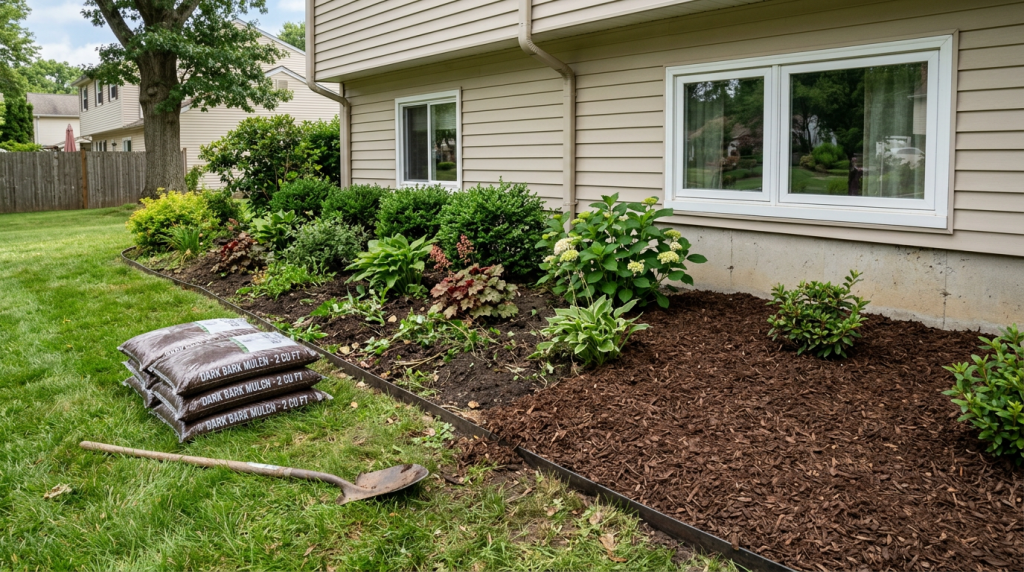
If you want the simplest answer, choose shredded bark mulch for most flower beds around the house.
It gives you a neat finished look, breaks down slowly, and usually stays in place better than loose large chips. It also works well around common landscape plants like shrubs, perennials, and annual flowers.
Pine bark is another strong option, especially if you like a cleaner decorative look. Pine straw can also work well, especially on slopes or in beds where lighter mulch still needs to stay in place.
The best options for most homeowners are:
- Shredded bark mulch
- Shredded hardwood mulch
- Pine bark mulch
- Pine straw in the right beds
Why Shredded Bark Mulch Is Usually the Best Overall
Shredded bark mulch is the safest recommendation for most homes because it balances appearance, function, and ease of use.
It helps reduce weed growth, slows down moisture loss from the soil, and gives beds a finished look without feeling too formal. It also tends to knit together better than chunkier mulch, which helps it stay in place during rain.
That matters around the house, where flower beds often sit next to sidewalks, porches, downspouts, or lawn edges. A mulch that stays put is usually less frustrating to maintain.
It also breaks down gradually. That means it can help improve the top layer of soil over time instead of just sitting there as decoration.
If you are also deciding whether mulch alone is enough for weed suppression, our guide on landscape fabric vs mulch for weed control in flower beds explains why mulch is usually the better long-term fit.
Best Types of Mulch for Flower Beds Around the House
Not all mulch does the same job. Some types look better. Some last longer. Some are better for soil improvement.
Shredded bark mulch
- Best overall for most flower beds
- Looks natural and tidy
- Helps suppress weeds well
- Usually stays in place better than larger chips
- Breaks down slowly enough to be practical
Shredded hardwood mulch
- Good all-purpose choice for beds around the house
- Often easy to find in bags or bulk
- Attractive enough for front-yard planting beds
- Helps improve soil as it breaks down
Pine bark mulch
- Great decorative choice for shrub and flower beds
- Often lasts well
- Works nicely in neat foundation plantings
- Usually lighter and cleaner-looking than rough wood chips
Pine straw
- Good option for sloped beds
- Interlocks well and stays in place
- Easy to spread around shrubs and established plants
- Often a smart low-cost choice in some regions
Mulches That Are Fine but Not Always the Best Choice
Some mulch types can work, but they are not the best fit for every flower bed around the house.
Wood Chips
Wood chips are often better for paths, large landscape areas, or beds farther from the house.
They can still work in flower beds, but the look is usually rougher and less polished than shredded bark. Large chips may also shift more in smaller decorative beds.
If appearance matters, shredded bark usually looks better near the house.
Compost
Compost is excellent for improving soil, but it is not usually the best finished mulch layer by itself.
It breaks down quickly and does not always block weeds as well as bark-based mulch. It is better used as a soil improvement layer under or alongside mulch, rather than as the main visible mulch in foundation beds.
Rock or Gravel
Rock mulch lasts a long time, but it is not always ideal for flower beds.
It does not improve the soil, and it can make the area hotter in summer. Around many flowers and shrubs, that extra heat can become a drawback.
Rock also tends to be harder to remove later if you change the bed design.
Rock mulch is usually better for:
- Very dry areas with low-water plants
- Decorative strips with limited planting
- Permanent beds where a hardscape look is the goal
Rubber Mulch
Rubber mulch is usually not the best choice for flower beds around the house.
It does not improve the soil, and many homeowners do not like the look in traditional planting beds. It is more commonly used in play areas than around flowers and shrubs.
For most beginner homeowners, organic mulch is the better fit.
What to Avoid Around the House
The biggest mulch mistakes usually come from overdoing it, not from choosing the wrong color or brand.
Too much mulch can trap moisture, stress plants, and create a messy look. Mulch piled directly against stems, trunks, or siding can also cause problems.
A mulch volcano is when mulch is piled up against the base of a plant or tree like a little mountain. That is a common mistake and can hold too much moisture against the bark.
Avoid these common mulch mistakes:
- Piling mulch against plant stems or tree trunks
- Stacking mulch too deep
- Pressing mulch right up against siding
- Using fresh grass clippings in a thick mat
- Choosing hay instead of straw
- Covering the crowns of perennials
The crown is the part of the plant where the stems meet the roots. If mulch covers that area too heavily, some plants can rot.
How Deep Should Mulch Be?
For most flower beds around the house, about 2 to 3 inches of mulch is enough.
That is usually deep enough to help with weeds and moisture without smothering the soil surface.
More is not always better. A thick layer can keep water from moving the way it should and can create damp conditions around plants.
If you already have an older mulch layer in place, you often do not need to remove everything and start over. In many cases, a light refresh is enough.
A simple mulch depth guide:
- 2 to 3 inches for most flower beds
- Slightly less around very small or delicate plants
- A light top-up if last year’s mulch is still in decent shape
Best Mulch by Bed Type
The best choice can change depending on where the bed sits and what is planted in it.
When homeowners ask about the best mulch for flower beds around the house, the real answer often depends on whether the bed is a front foundation bed, a side-yard strip, or a sloped border.
For front foundation beds
- Shredded bark mulch is usually the best choice
- Pine bark is also a good decorative option
- Choose a clean, consistent look over chunky material
For sloped beds
- Pine straw works well because it tends to stay in place
- Shredded bark also works better than large loose chips
For mixed flower and shrub beds
- Shredded bark or hardwood mulch usually works best
- These beds benefit from a mulch that looks finished and breaks down gradually
For low-water decorative beds
- Rock may work in some cases
- It is usually better for a more permanent and less plant-heavy design
Color and Appearance
Many homeowners choose mulch based on color first, which is understandable. Beds near the house are highly visible.
Dark brown mulch is often the easiest look to work with because it feels natural and clean. Black mulch can create a sharper contrast and a more formal look. Red mulch is more noticeable and works best when it matches the style of the house and landscape.
Color matters, but performance matters more. A mulch that looks good but washes away, mats up, or creates plant problems is not the right pick.
Organic vs Inorganic Mulch in Plain English
Organic mulch is made from natural materials like bark, wood, leaves, or pine needles. It breaks down over time.
Inorganic mulch is made from materials like stone or rubber. It does not break down the same way.
For most flower beds around the house, organic mulch is the better choice because it helps the soil over time and usually looks more natural around plants.
Organic mulch is usually best if you want:
- Better soil over time
- A softer, more natural look
- Easier planting changes later
- A more traditional flower bed appearance
Inorganic mulch may make sense if you want:
- A very permanent look
- Minimal replacement
- A dry decorative bed with fewer soft plants
Safe DIY Checks Before You Mulch
A few quick checks can save you from common problems.
Safe DIY checks
- Pull old weeds before adding new mulch
- Check where water drains during rain
- Make sure downspouts are not dumping directly into the bed
- Keep mulch a few inches away from plant stems
- Avoid pushing mulch tight against siding or wood trim
- Measure depth as you spread instead of guessing
- Rake the mulch level so it looks even and drains better
It also helps to look at the bed after a heavy rain. If mulch is washing into the lawn or walkway, you may need a different material or a slightly thinner layer.
If weeds are already established in the bed before you refresh the mulch, read our guide on best weeding tools for older homeowners for easier ways to clear them out first.
When It Makes Sense to Call a Professional
Most mulching jobs are simple DIY projects. But some situations are bigger than a basic weekend refresh.
Call a professional if:
- Water pools against the foundation near the bed
- You have repeated termite or pest problems near the house
- The bed needs grading or drainage correction
- Roots from large trees are lifting the bed area
- The plants are declining and you are not sure whether the issue is soil, drainage, or disease
- You are reworking a large front-of-house landscape at the same time
A landscaper, drainage contractor, or pest professional may be worth calling if the problem is not really about mulch, but about moisture, grading, or structural concerns around the home.
Common Mistakes to Avoid
A simple mulch job can go wrong fast when homeowners try to make it look extra full.
Avoid these mistakes
- Applying too much mulch
- Mulching over weeds without clearing them first
- Piling mulch against shrubs or house trim
- Choosing large rough chips for small decorative beds
- Ignoring drainage issues
- Using mulch to hide a bed that really needs soil improvement
- Refreshing every year without checking how much old mulch is still there
A flower bed should look finished after mulching, not buried.
Final Thoughts
For most flower beds, shredded bark or shredded hardwood mulch provides a practical balance of moisture retention, weed suppression, appearance, and ease of maintenance. Pine bark and pine straw can also be good choices depending on the bed layout, climate, and look you prefer.
Whichever mulch you choose, avoid piling it too deeply or against plant stems, tree trunks, siding, or wood trim. The right material applied at the right depth will usually matter more than color, branding, or decorative claims.