Best Painter’s Tape for clean lines and delicate surfaces
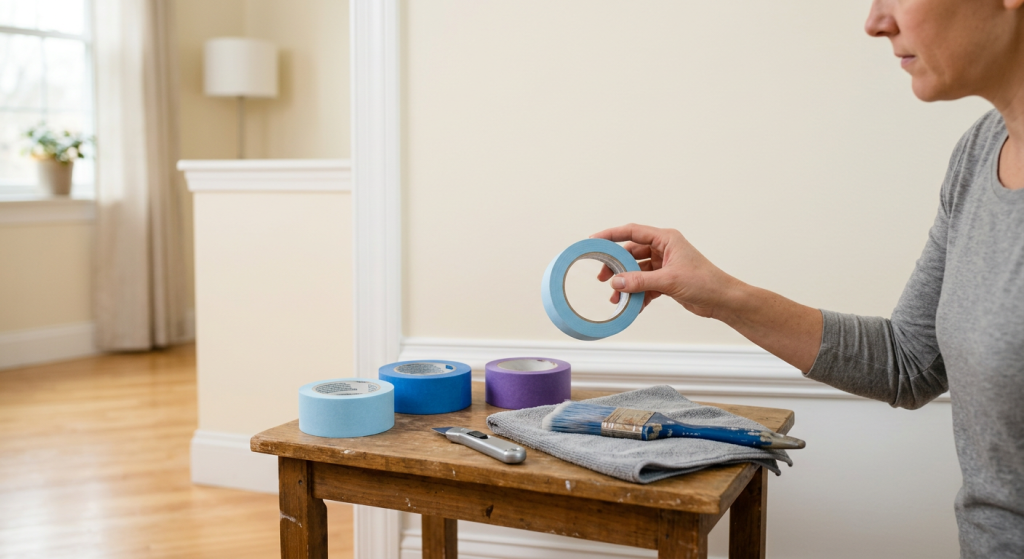
The best painters tape is the one that matches the surface, paint condition, and amount of adhesion the job needs. Delicate-surface tape is safer for fragile or recently painted walls, while regular or multi-surface tape suits stronger, fully cured surfaces. For clean lines, choose tape rated for the surface, apply it to a clean, dry wall, seal the edge firmly, and remove it according to the product instructions.
| Tape Type | Best Use | Adhesive Strength | Main Advantage | Main Caution |
|---|---|---|---|---|
| Delicate-surface tape | Fresh paint, fragile finishes, repaired walls | Low | Lower removal risk | May not hold well on rough or dusty surfaces |
| Standard / regular painter’s tape | Fully cured, sound painted surfaces | Medium | Reliable everyday hold | Can be too aggressive for weak paint |
| Multi-surface painter’s tape | Mixed interior surfaces and routine projects | Medium | Versatile for common jobs | Check each surface for compatibility |
| Edge-sealing / clean-line tape | Crisp color breaks and trim work | Varies | Helps reduce paint bleed | Still requires careful application |
How to Choose the Best Painters Tape for Your Project
Start with the surface, not the tape color or strongest adhesive on the shelf. Painter’s tape works best when its adhesive strength matches the condition of the wall.
Use delicate surface painter’s tape when the paint is relatively new, the finish is fragile, the wall has been recently patched, or you are working over a low-sheen coating that may mark or lift easily. Low-tack painter’s tape reduces stress during removal, although it still needs a clean surface to stick properly.
Use regular painter’s tape on sound, fully cured paint when you need dependable adhesion around trim, baseboards, or other stable surfaces. Multi-surface tape is a practical middle ground for projects that involve several compatible materials.
If edge quality matters most, look for tape designed to reduce paint bleed. Some tapes use an edge-sealing treatment or adhesive design intended to create a sharper boundary. That feature can help, but it does not compensate for dust, rough texture, or poor application.
The strongest adhesive is not automatically the best choice. Strong tape on weak paint can pull the coating from the wall.
Delicate-Surface Tape vs Regular Painter’s Tape
The main difference is adhesive strength and the surfaces each type is designed to protect.
Delicate-Surface Painter’s Tape
Delicate-surface tape uses a lower-tack adhesive. It is generally better for:
- Recently painted walls after the paint has cured enough for taping
- Fragile or questionable paint films
- Patched or repaired areas
- Low-sheen finishes that may be easier to mark
- Surfaces where minimizing removal stress matters most
The tradeoff is grip. Lower-tack tape may not stay sealed on dusty, rough, uneven, or poorly prepared surfaces.
Regular Painter’s Tape
Regular painter’s tape uses a stronger adhesive and is better suited to durable, fully cured surfaces. It works well for everyday masking around trim, baseboards, door frames, and other stable areas where reliable hold matters.
It can be a poor choice over fresh or weak paint. If the underlying coating is not well bonded, stronger adhesive increases the chance of lifting paint during removal.
Multi-Surface Tape
Multi-surface painter’s tape is designed for several common materials and can simplify projects that move from painted drywall to trim or other compatible surfaces.
Do not assume “multi-surface” means “safe for every surface.” Check the package for fresh-paint restrictions, delicate-surface warnings, indoor or outdoor limits, and the recommended removal window.
Painter’s Tape for Fresh Paint and Delicate Walls
Freshly painted walls need extra caution because paint can feel dry before it has developed enough strength for adhesive tape.
There is no universal waiting period for every paint. Drying and curing depend on the paint formulation, temperature, humidity, sheen, coat thickness, and manufacturer instructions.
Before taping over fresh paint:
- Check the paint label for curing or masking guidance.
- Check the tape label for fresh-paint compatibility.
- Use delicate or low-tack tape when the surface calls for it.
- Test a short piece in an inconspicuous spot if the surface is questionable.
- Avoid taping over paint that feels soft, tacky, or poorly bonded.
If the project can wait, allowing more cure time usually reduces removal risk. Recently patched walls deserve similar care because the repaired area may be more vulnerable than an older, stable wall.
If the wall already has weak or lifting paint, tape can make the problem more noticeable, so see our guide to paint peeling off a wall before masking the surface.
What to Look for When Buying Painter’s Tape
The best painters tape should fit the job instead of forcing one tape to handle every surface.
Adhesive Strength
Choose the lowest adhesive strength that will still stay in place for the project. Stronger tape is useful only when the surface can tolerate it.
Surface Compatibility
Read the package for painted drywall, wood, glass, metal, trim, textured surfaces, and other materials you plan to mask.
Fresh-Paint Suitability
Some tapes are specifically labeled for recently painted surfaces after a stated waiting period. Others are not. Follow both the paint and tape instructions.
Recommended Removal Window
Painter’s tape is designed to stay in place for a limited period. Some products allow several days indoors, while others should be removed much sooner.
If timing is the main concern, see When to Remove Painter’s Tape Without Peeling Paint.
Width and Edge-Sealing Design
Narrow tape works well for detailed masking. Wider tape gives more protection near rollers and brushes.
If a sharp paint line matters, consider tape designed for clean edges or reduced bleed. Use it with careful surface preparation and light paint application near the tape line.
Indoor, Outdoor, and Texture Compatibility
Outdoor tape may need greater resistance to sunlight, moisture, and longer exposure. Textured surfaces are harder to seal because paint can travel through gaps under the tape.
Do not assume a clean-line tape will create a razor-sharp edge on heavily textured drywall.
Why Paint Bleeds Under Painter’s Tape
Paint bleed happens when liquid paint finds a path beneath the tape edge.
Common causes include:
- The tape edge was not pressed down firmly.
- Dust, grease, or sanding residue prevented good adhesion.
- Wall texture created small gaps.
- Too much paint was loaded against the tape.
- The wrong tape was used for the surface.
- The tape was stretched during application.
- Removal disturbed the paint edge.
To reduce bleeding, clean and dry the surface first. Apply the tape without stretching it, then press the paint-side edge down firmly with a clean finger, putty knife, or another smooth tool that will not damage the surface.
Use lighter paint coats near the tape line rather than flooding the edge. On textured walls, expect more difficulty because the tape may bridge over small recesses.
How to Fix a Fuzzy or Bleed Paint Line
Let the paint dry enough to work on without smearing. Then use a small artist’s brush or angled trim brush to correct the edge with the appropriate wall or trim color.
For a larger uneven line, let the coating dry fully, prepare the edge if needed, remask with suitable tape, and repaint carefully.
How to Apply Painter’s Tape for Clean Lines
Step 1: Clean and Dry the Surface
Remove dust, grease, sanding residue, and other contamination. Let the area dry completely before applying tape.
Step 2: Apply Short, Controlled Lengths
Lay the tape along the edge without stretching it excessively. Shorter pieces are often easier to position accurately.
Step 3: Seal the Paint Edge
Press the edge that will meet the paint firmly against the surface. Pay extra attention to corners, trim transitions, and texture changes.
Step 4: Paint With Controlled Coats
Apply paint in thin, even coats near the tape. Avoid loading a heavy ridge directly against the edge.
Step 5: Remove the Tape as Directed
Follow the tape and paint manufacturer’s instructions for removal timing. Pull slowly and carefully rather than jerking the tape away.
Stop immediately if paint or drywall paper begins lifting.
For areas where you prefer to cut in instead of relying entirely on tape, see our guide to the best paint brush for cutting in walls and trim.
When Standard Tape Is Appropriate—and When Tape May Not Be
Regular painter’s tape is appropriate when the surface is sound, fully cured, reasonably smooth, and strong enough to handle moderate adhesive.
It often works well on:
- Mature painted walls in good condition
- Baseboards and trim with durable finishes
- Routine room painting
- Short-term masking on compatible surfaces
Tape may not be the best choice when existing paint is peeling, chalky, soft, or poorly bonded. On extremely delicate finishes, very fresh paint, damaged drywall paper, or unstable repairs, freehand cutting with a quality angled brush may create less risk than applying tape.
Removing Tape Without Pulling Off Paint
Pull tape back slowly at a low angle instead of straight away from the wall. Follow the product’s removal timing rather than leaving the tape on indefinitely.
If the tape begins lifting paint, stop. Lightly scoring the paint film along the tape edge with an appropriate sharp blade may help separate a dried paint bridge, but avoid cutting deeply into drywall paper or trim.
If paint comes off, check whether the failure is limited to the topcoat or whether primer, old paint, or drywall paper also lifted. A weak substrate needs repair before touch-up paint will hold reliably.
Common Painter’s Tape Mistakes
Avoid these common errors:
- Using strong regular tape on fragile or recently painted surfaces
- Applying low-tack tape to a dusty wall and expecting it to hold
- Stretching tape tightly during application
- Ignoring the tape’s maximum removal window
- Flooding the tape edge with paint
- Applying tape before fresh paint has cured sufficiently
- Leaving loose sections at corners or texture changes
- Assuming more adhesive always produces a cleaner line
Helpful tools include a clean microfiber cloth, putty knife or tape applicator for pressing edges, angled trim brush, mini roller, and a sharp utility knife for controlled cutting when appropriate.
Final Thoughts
The best painter’s tape is not the strongest tape available. Delicate-surface tape is often safer for fresh paint, repaired walls, and fragile finishes, while regular or multi-surface tape works well on stronger, fully cured surfaces. Edge-sealing tape can improve clean-line performance when the surface is properly prepared.
Match the tape to the surface, follow the paint and tape instructions, seal the edge carefully, and remove the tape within its recommended window. If the wall is weak enough that tape begins lifting paint or drywall paper, stop and correct the surface rather than switching to a stronger adhesive.