
best weatherstripping for doors: types and uses
The best weatherstripping for doors is the type that matches the door frame, the existing attachment method, and the size of the gap it needs to seal. A thicker or heavier seal is not automatically better. The weatherstripping should contact the closed door firmly enough to reduce airflow without making the door difficult to close, latch, or lock.
Before buying a replacement, inspect the existing seal, the frame, and the door alignment. Different frames may require kerf-in compression seals, adhesive-backed foam, tubular gaskets, V-strips, felt, or a door-specific sealing system.
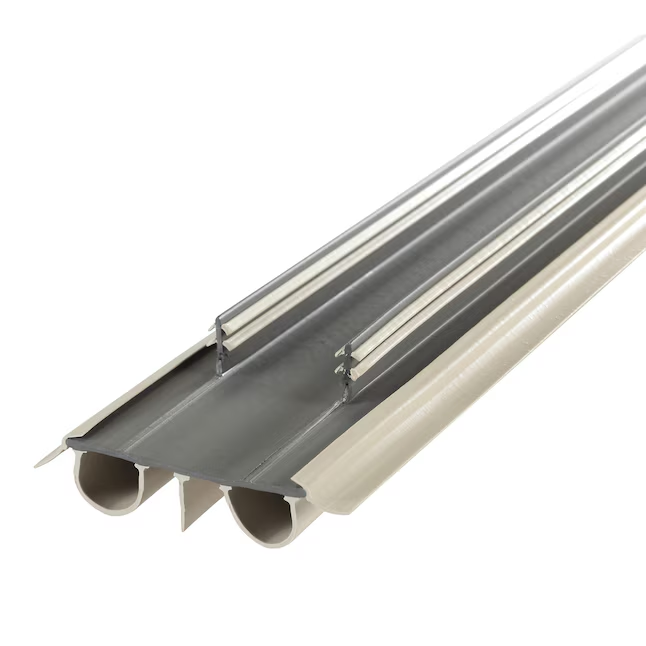
| Weatherstripping type | Best general use | Main limitation |
|---|---|---|
| Kerf-in compression seal | Frames with an existing kerf or groove | Base and gasket profile must match the frame |
| Adhesive-backed foam | Small, even gaps on clean suitable surfaces | Adhesive and foam may deteriorate or compress |
| Tubular rubber, vinyl, or silicone | Compression sealing around suitable door frames | Diameter, base, and mounting style must fit correctly |
| V-strip or tension seal | Narrow, reasonably consistent gaps | Placement and orientation are important |
| Felt | Protected or temporary light-duty locations | Wears faster and may absorb moisture |
| Magnetic or door-specific seal | Compatible metal, storm, or specialty doors | Often requires a specific frame or retainer system |
What Door Weatherstripping Must Do
Perimeter weatherstripping seals the movable joint where the door meets the frame along the top and sides. Depending on the design, the material either compresses against the closed door or maintains controlled contact with it. The goal is not to pack the gap as tightly as possible. A good seal reduces unwanted airflow while allowing the door to close normally and the latch and deadbolt to engage without excessive force.
Weatherstripping also needs to fit the conditions around the door. An exterior entry may experience moisture, sunlight, temperature swings, repeated opening, and frequent rubbing. The seal should remain clear of hinges, locks, drainage paths, and any components that require normal movement or service access.
Weatherstripping is only one part of a door’s air-sealing system. Caulk seals fixed joints that are not supposed to move, while perimeter weatherstripping seals the movable top and side joints. The seal at the bottom of the door is typically a sweep, door bottom, or threshold-related component. A removable draft stopper is different again because it is generally a temporary accessory rather than a permanent perimeter seal. See door sweep vs weatherstripping if the location of the leak makes it unclear which type of product is appropriate.
Common Types of Weatherstripping for Doors
Kerf-In Compression Weatherstripping
Kerf-in weatherstripping is common on door frames that have a narrow groove, or kerf, designed to hold the seal. The weatherstripping usually has a shaped base that presses into this groove and a flexible gasket that compresses against the door. Depending on the product, that gasket may be foam-filled or made from rubber, vinyl, silicone, or a similar material.
A replacement must fit both parts of the system. Compare the width and shape of the base that enters the kerf as well as the height, bulb size, orientation, and shape of the gasket. Corner arrangements can also differ. A gasket that is too large may make the door difficult to close, while one that is too small may not make reliable contact.
If the existing kerf is intact, a compatible kerf-in replacement is usually a better starting point than covering the area with generic adhesive tape.
Adhesive-Backed Foam Tape
Adhesive-backed foam is simple to install and is available in many widths and thicknesses. It can work well for a small, reasonably even compression gap where the mounting surface is clean, dry, smooth, and compatible with the adhesive.
It is less successful when used as a universal substitute for another sealing system. Adhesive can release from dusty, damp, rough, or high-friction surfaces, and some foam remains flattened after prolonged compression. Tape that is too thick can also change how the door sits against the stop and may interfere with latch or deadbolt engagement.
Removing old adhesive can damage certain painted, stained, or finished surfaces, so inspect the existing door and frame before committing to this type of replacement.
Tubular Rubber, Vinyl, and Silicone Seals
Tubular weatherstripping uses a hollow or flexible profile that compresses when the door closes. Depending on the product, it may attach with adhesive, a flange, fasteners, a kerf base, or a separate retainer.
The material name alone does not tell you whether the seal will fit. Diameter, wall thickness, base design, mounting location, and the amount of intended compression all matter. A silicone product is not automatically the best choice simply because silicone sounds more durable, just as a rubber gasket is not appropriate for every frame.
Choose according to the door and frame design rather than assuming one material is universally superior.
V-Strip or Tension-Seal Weatherstripping
V-strip, sometimes called tension-seal weatherstripping, is typically a folded metal or plastic strip that springs outward to maintain contact with the door. It can work well along narrow, relatively consistent gaps when the mounting surface and frame design are suitable.
Orientation is important because the strip needs to flex in the correct direction as the door closes. It should also remain clear of hinges and locking hardware. If the installed strip causes heavy drag, scraping, or excessive resistance, the fit or placement should be reconsidered rather than forcing the door against it.
Felt Weatherstripping
Felt is inexpensive, easy to compress, and sometimes useful in protected or light-duty applications. It can also serve as a temporary solution where durability and moisture resistance are not major concerns.
For frequently used exterior doors, however, felt is usually less durable than a properly fitted compression gasket. It wears relatively quickly and may absorb moisture when exposed. It is generally a poor substitute for a door frame that was originally designed for a more durable kerf-in or compression-style seal.
Magnetic and Door-Specific Seals
Some metal, storm, and specialty doors use magnetic seals or proprietary weatherstripping profiles. These systems may depend on a particular retainer, channel, frame shape, or door construction.
When replacing them, try to identify the original design before substituting a generic product. A piece of foam tape may physically fit into an open space but still fail to provide the intended contact, compression, or retention.
How to Choose the Correct Weatherstripping
Identify the Seal Location
Start by identifying exactly where the replacement belongs. Perimeter seals may be located along the latch-side jamb, hinge-side jamb, head jamb, door stop, or a kerf formed into the frame. Some doors also use components made specifically for that particular door system.
Bottom seals and sweeps are a separate category. If the gap is beneath the door rather than along the top or sides, do not assume ordinary door jamb weatherstripping is the correct repair.
Examine the Original Attachment Method
The existing attachment method often provides the best clue to the correct replacement. Look for a kerf or groove, adhesive residue, a flange, small staples or fasteners, a rigid retainer, a tension strip, or a manufacturer-specific channel.
Photograph the original weatherstripping before removing it so you can preserve its orientation. If practical, keep a short undamaged sample for comparison when shopping. Matching an existing system is generally safer than converting to another attachment method without confirming that the new system is compatible with the frame.
Check Whether the Gap Is Reasonably Even
Weatherstripping can accommodate normal small variations around a door, but it cannot correct major alignment or structural problems. A large gap at one corner combined with rubbing somewhere else may indicate a sagging door, worn hinge area, frame movement, strike misalignment, or a warped slab.
Installing progressively thicker material to cover an uneven opening can create new problems. It may increase pressure on the hinges and locking hardware while still leaving part of the opening poorly sealed.
Match Thickness and Compression
The replacement door seal should make consistent contact when the door is closed without being crushed completely flat. There is no universal weatherstripping thickness because the required fit depends on the profile, frame design, and available clearance.
Signs that weatherstripping may be too thick include:
- The door springs back open.
- The latch no longer lines up with the strike.
- The deadbolt becomes difficult or impossible to engage.
- The door must be slammed or pushed hard to close.
- The gasket rolls, folds, or shifts out of position.
- Hardware experiences unusual pressure.
Signs that weatherstripping may be too thin include:
- Daylight remains visible around the sealed area.
- Airflow continues through the joint.
- The gasket barely touches the closed door.
- There is little evidence of compression.
- The closed door moves loosely near the latch.
Consider Exposure and Frequency of Use
A heavily used exterior entry door places different demands on weatherstripping than a protected secondary door. Direct sunlight, temperature changes, wind-driven moisture, repeated rubbing, pets, children, and frequent opening all affect how a seal performs over time.
The mounting surface matters as well. Adhesives and retainers may behave differently on painted wood, stained surfaces, metal, vinyl, or composite materials. Choose exterior door weatherstripping that suits both the environment and the surface where it will be installed.
If you have not yet confirmed that failed weatherstripping is actually the source of the airflow, review how to fix a drafty door before replacing the seal.
Basic Installation Expectations
Before installing new weatherstripping, confirm that the door and frame are sound and that the door opens, closes, latches, and locks normally. Match the replacement profile before removing all of the existing material, and photograph the old seal’s orientation. Remove ordinary dirt and make sure any surface used for adhesive is clean, dry, and compatible with the product.
Install flexible weatherstripping without stretching it. Keep corners neat and avoid covering hinges, locks, drainage paths, or service points.
After installation, operate the door several times. The latch and deadbolt should work normally, the weatherstripping should remain seated, and contact should be reasonably consistent around the frame. Normal security and emergency operation must not be affected.
If the door becomes difficult to close or lock, reassess the profile and compression instead of assuming the new material will eventually wear in.
When Weatherstripping Is Not the Real Repair
New weatherstripping cannot correct a badly sagging or warped door, loose or damaged hinges, severe strike misalignment, an out-of-square frame, rotten door stops, soft framing, unstable glass, broken locking hardware, or a damaged threshold. Those conditions need to be corrected before a new perimeter seal can work properly.
Weatherstripping also does not repair active rainwater intrusion, failed flashing, exterior trim defects, concealed installation gaps, or structural movement. If water appears around the opening during rain, determine whether the problem involves the exterior assembly rather than simply installing a larger gasket.
A particularly useful clue is uneven compression. If weatherstripping is crushed tightly at one corner but does not touch the door somewhere else, the problem is more likely to involve alignment or frame geometry than an incorrect seal thickness. Using several weatherstripping thicknesses to compensate for a severely uneven opening can mask the underlying problem without fixing it.
Common Selection Mistakes
One of the most common mistakes is buying replacement weatherstripping before examining the original seal. Packaging terms such as heavy duty or premium do not indicate whether a product matches a particular frame. The correct profile and attachment system matter more than marketing language.
Foam tape is also frequently treated as a universal fix even when the frame was designed for kerf-in weatherstripping or another retained gasket. Thick foam can interfere with closing, while thin foam may do little to seal a large or uneven opening.
Flexible seals should not be stretched during installation because they may later shrink away from corners or attachment points. V-strip must face the correct direction, and exposed, frequently used doors generally require something more durable than light-duty felt.
Finally, never force a door closed after installing new weatherstripping. If the latch, lock, hinges, or closing force change noticeably, stop and correct the fit. A replacement seal should improve the perimeter contact without compromising normal door operation.
Safety and When to Call a Professional
Professional evaluation is appropriate when:
- Glass is cracked, loose, shifting, or unstable.
- The door cannot open, close, latch, lock, or remain secure.
- The slab or frame is badly warped or severely out of square.
- The door needs to be removed or rehung.
- Hinges, stops, framing, or hardware require major alteration.
- The correct door-specific seal cannot be identified.
- The frame, sill, threshold, trim, or surrounding material is soft, rotten, or loose.
- Water enters during rain.
- Mold, staining, or concealed moisture is widespread.
- Structural movement is visible.
- Emergency exit or home security could be affected.
- Older coatings may contain lead and would need to be disturbed.
- You cannot determine whether the gap is caused by weatherstripping, alignment, or frame damage.
Do not remove an unstable door slab, dismantle glass components, alter structural framing, or disturb questionable older coatings as part of a weatherstripping project.
Final Thoughts
The best weatherstripping for doors is the profile that matches the frame, attachment method, gap, and required compression. Inspect the existing system before buying, preserve its orientation when possible, and choose a replacement that allows the door to close, latch, and lock normally.
After installation, test the door carefully and verify that the new seal stays seated and makes consistent contact. If the opening has severe alignment, water, structural, glass, hardware, or security problems, weatherstripping alone is not the appropriate repair.