Furnace Repair vs Replace: How to Decide What Makes Sense for Your Home
Furnace repair vs replace is not always an easy call, especially when your heat is still working some of the time and the repair quote feels cheaper than a full replacement.
For most homeowners, the right answer comes down to a few practical questions. How old is the furnace? How often is it breaking down? Is it heating the house evenly? Is the problem minor, or is it pointing to a bigger failure?
A repair can absolutely make sense in the right situation. But there are times when putting more money into an older furnace only delays a replacement you will probably need soon anyway.
This guide will help you make a calmer, more informed decision without assuming every breakdown means you need a brand-new system.
What this decision really comes down to
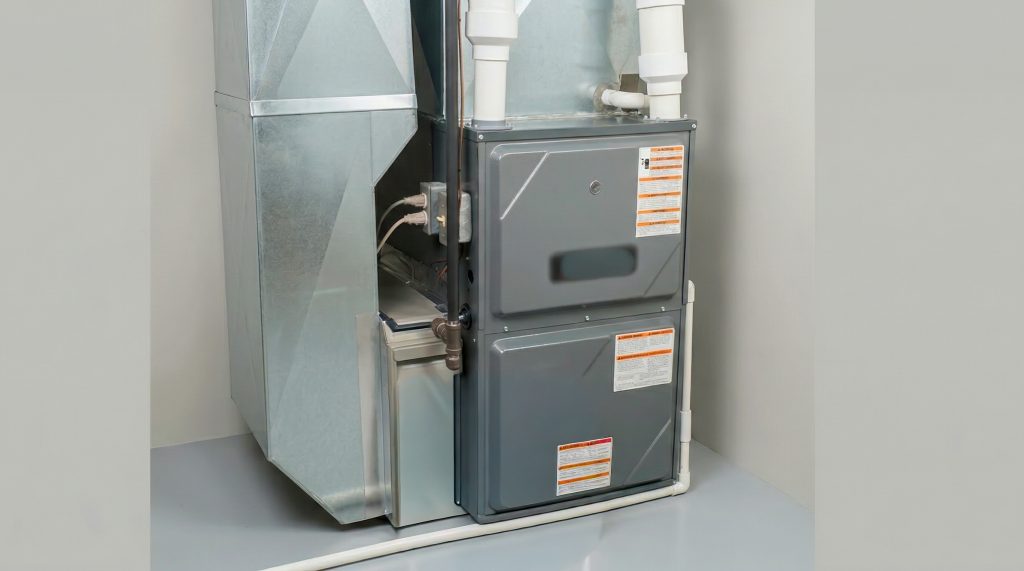
A furnace is usually worth repairing when the issue is limited, the unit is not too old, and the system has otherwise been dependable.
Replacement usually makes more sense when the furnace is aging out, repairs are stacking up, comfort is getting worse, or there are safety concerns.
The goal is not to chase the cheapest choice for this week. The goal is to make the choice that makes the most sense for your home over the next several years.
Start with the age of the furnace
Age matters because most furnaces become more repair-prone and less efficient as they get older.
Many furnaces last around 15 to 20 years with proper maintenance. That does not mean a 16-year-old furnace must be replaced today. It does mean you should look more carefully at whether a new repair is worth the cost.
If you are not sure where your system falls, it helps to understand how long a furnace usually lasts and the warning signs of an aging system.
A newer furnace with one repair issue is usually a repair conversation.
An older furnace with rising utility bills, uneven heating, and repeat service calls is usually a replacement conversation.
Try to find the model and serial number on the unit so an HVAC contractor can help confirm its age. If you already know the system is in the later part of its expected life, that should weigh heavily in your decision.
Furnace repair vs replace: the main factors to weigh
There is no single rule that works for every house. A better approach is to look at the full picture.
Repair cost
A small repair on a fairly young furnace can be money well spent.
A large repair on an older furnace is harder to justify, especially if it does not address the bigger wear and tear inside the system. Even if one failed part is replaced, other aging parts may not be far behind.
Repair frequency
One breakdown after years of normal service is very different from three service calls in two winters.
Repeated repairs often mean the furnace is entering a stage where more parts are likely to fail. That is when replacement starts to look less like an upgrade and more like a way to stop the cycle.
Efficiency
Older furnaces are often less efficient than newer models. Furnace efficiency is commonly measured by AFUE, which stands for Annual Fuel Utilization Efficiency. In simple terms, it tells you how much of your fuel turns into usable heat over a heating season.
A higher-efficiency furnace can lower fuel use, but savings vary by climate, fuel costs, duct condition, insulation, thermostat settings, and how much you heat your home. A replacement should be viewed as a long-term decision, not a guaranteed quick payoff.
Comfort
A furnace can still run while doing a poor job heating your home.
If some rooms stay cold, the furnace runs longer than it used to, or the temperature swings feel more noticeable, replacement may be worth considering. Keep in mind that comfort problems are not always caused by the furnace alone. Duct leaks, airflow issues, insulation gaps, or thermostat problems can also play a role.
Safety
Safety should carry more weight than cost.
If there are concerns about combustion problems, a damaged heat exchanger, gas issues, or carbon monoxide risk, this is no longer just a budget decision. A heat exchanger is the part of a gas furnace that transfers heat from combustion gases into the air your home breathes. If it is cracked or failing, that needs professional attention right away.
Warranty coverage
Warranty details matter more than many homeowners realize.
A repair may be easier to justify if a major part is still under manufacturer warranty. On the other hand, a furnace that is fully out of warranty can become much more expensive to keep alive. It is also common for parts coverage and labor coverage to be different, so do not assume a “warranty repair” means you will owe nothing.
Signs replacement is usually the better choice
Sometimes the answer becomes fairly clear once you step back and look at the pattern.
Replacement is usually the better choice when you are dealing with one or more of these:
- The furnace is around 15 years old or older and needs a significant repair.
- You have had repeated repairs over the last couple of heating seasons.
- Your energy bills keep rising without another clear explanation.
- The house feels less comfortable even though the thermostat setting has not changed.
- The furnace struggles to keep up during very cold weather.
- Important parts are failing and the unit is out of warranty.
- The repair quote is high enough that putting more money into the old unit feels risky.
- You want to avoid an emergency winter failure and replace the system on your schedule instead.
- There are safety concerns involving gas, combustion, venting, or possible carbon monoxide exposure.
- A technician has identified a serious internal problem, such as a failing heat exchanger.
Replacement can also make sense when the furnace is not the only issue. If the blower, controls, venting, or other major components are all showing age, a repair may only solve one part of a bigger problem.
When repair may still make sense
Not every furnace problem points to replacement.
In many homes, a repair is still the smarter move because the furnace has useful life left and the issue is limited.
Repair may still make sense when these things are true:
- The furnace is still relatively young.
- This is the first major repair after several years of dependable operation.
- The problem is isolated to one part and the rest of the system is in good shape.
- The repair cost is manageable compared with the age and condition of the unit.
- The furnace still heats the home evenly and efficiently.
- The heat exchanger and other core components are sound.
- Some of the repair cost may be covered under warranty.
- You are planning a larger home upgrade later and need the current system to last a bit longer.
A good repair can buy meaningful time when the system is otherwise solid. The key is making sure you are not paying for a temporary fix on a furnace that is already near the end.
Cost matters, but it should not be the only factor
Homeowners often compare one repair quote to one replacement quote and feel stuck. That is understandable, but it helps to zoom out.
A repair is cheaper today. A replacement may be cheaper over the next five to ten years if it prevents repeat breakdowns, improves reliability, and reduces fuel use.
At the same time, replacement is not automatically the best financial move. If your furnace is younger, the repair is straightforward, and the system has been reliable, replacement may be more cost than you need right now.
Try to think in terms of total value, not just immediate price:
Look at the bigger picture, including:
- How much you have already spent on repairs recently
- Whether the furnace is likely to need more work soon
- Whether the unit is still covered by any warranty
- Whether comfort problems are actually caused by the furnace
- Whether you can plan a replacement now instead of paying more in an emergency later
Safe DIY checks before you call for service
There are a few basic things a homeowner can check before deciding whether the problem is truly serious.
Safe DIY checks include:
- Make sure the thermostat is set to heat and the temperature setting is above room temperature.
- Check the furnace filter and replace it if it is dirty.
- Confirm the furnace power switch is on.
- Check the circuit breaker if the system is not running.
- Make sure supply vents and return vents are open and not blocked by furniture or rugs.
- Look for obvious drainage issues around a high-efficiency furnace that produces condensation.
- Listen for unusual sounds and note when they happen.
These checks can solve simple airflow or control issues, or at least give the technician better information.
Problems that need a professional
Some furnace issues are not DIY territory.
Call a professional right away if you notice any of these:
- You smell gas
- The furnace will not stay lit or keeps shutting down unexpectedly
- There are signs of soot, scorching, or unusual burning smells
- You suspect carbon monoxide exposure
- The burner flame looks abnormal
- The furnace is making loud banging, grinding, or screeching sounds
- The heat exchanger may be cracked or damaged
- The system trips breakers or has wiring concerns
- Water is leaking into electrical components
If you suspect carbon monoxide, leave the house and follow emergency safety steps. Do not stay inside trying to troubleshoot the furnace yourself.
If the system is also blowing cool air instead of heating properly, it may help to read our guide on furnace blowing cold air and what you can safely check first.
Comfort and efficiency issues are worth taking seriously
Some homeowners keep repairing an old furnace because it still technically works. But if the house never feels comfortable, that matters.
A furnace that short cycles, runs constantly, or leaves some rooms cold may be telling you something. The furnace may be undersized, oversized, worn out, poorly maintained, or dealing with airflow problems.
This is also where a replacement discussion can become more useful than another repair quote. A good HVAC contractor should look beyond the failed part and explain whether the bigger system is still performing the way it should.
That does not mean replacement is always the answer. It does mean comfort problems should be part of the decision, not treated as separate from it.
How to make the final decision without regretting it
If you are stuck between another repair and a full replacement, get clear answers to a few simple questions.
Ask the HVAC contractor:
- How old is the furnace, and where does it fall in its expected lifespan?
- Is this a minor repair or a sign of broader wear?
- Are any other major parts showing signs of failure?
- Is the heat exchanger in good condition?
- Is any part of this repair covered by warranty?
- Will this repair likely give the system a reasonable amount of additional life?
- If you replaced the furnace, what comfort or efficiency improvements would be realistic for your home?
You do not need a sales pitch. You need a clear picture of the furnace you have now and what another repair is likely to buy you.
It is also smart to get more than one opinion when the repair is expensive or the contractor is strongly pushing replacement without explaining why.
Conclusion
Choosing between repair and replacement is rarely about one number alone. The best decision usually comes from weighing age, repair history, safety, comfort, efficiency, and warranty coverage together.
If your furnace is newer and the problem is limited, a repair may still make good sense. If the unit is older, breaking down often, heating poorly, or raising safety concerns, replacement is usually the more practical long-term choice.
A calm, informed decision now is often better than waiting until your furnace fails during the coldest week of the year.