
Outlet Tester Open Ground: What It Means and When to Call a Pro
An outlet tester open ground reading means the outlet may not have a proper equipment ground, even if the receptacle has three slots. For a homeowner, the safest response is simple: do not try to repair, rewire, or “add a ground” yourself. Treat the reading as a warning that the outlet needs professional evaluation.
A plug-in outlet tester can point out a possible wiring or grounding problem, but it cannot fully diagnose what is happening inside the box, wall, or circuit. An open ground may affect surge protectors, three-prong appliances, computers, chargers, power tools, and other electronics that expect a grounded outlet. This guide explains what the reading may mean, what you can safely check from the outside, and when to call an electrician.
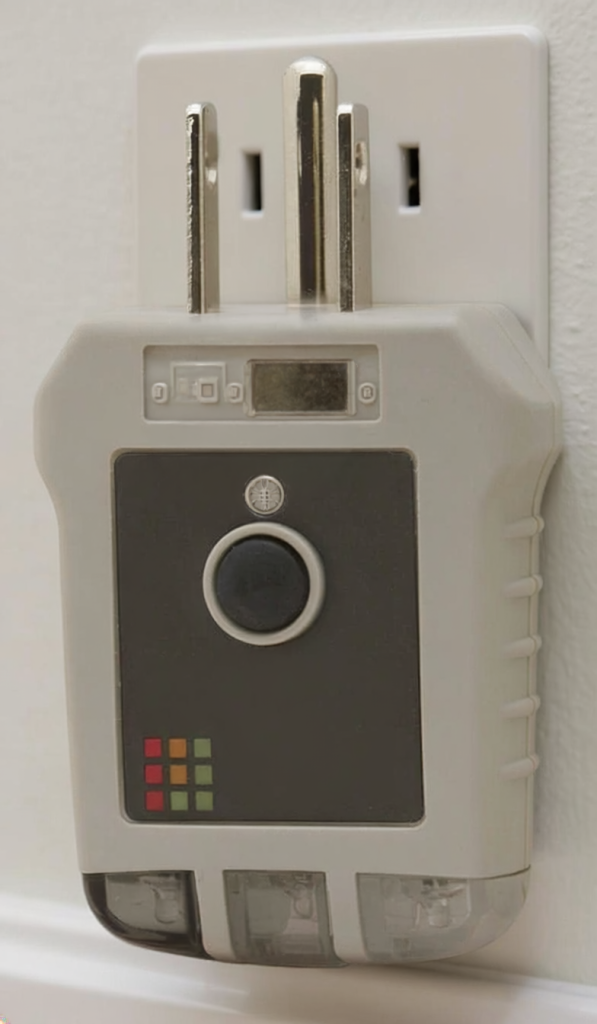
Outlet Tester Open Ground: The Quick Meaning
When a plug-in outlet tester says “open ground,” it usually means the tester is not detecting a working equipment grounding path at that outlet.
That does not automatically tell you why. The issue could be with the receptacle, the wiring method, an older circuit, a disconnected ground path, a mislabeled outlet, or another condition an electrician needs to verify. From the outside, you cannot safely confirm the exact cause.
The most important point is that an outlet tester open ground warning should not be treated as a small cosmetic problem. A three-prong outlet can look modern while still missing the grounding protection people expect from a three-prong receptacle.
| Tester reading | What it may mean | Safest next step |
|---|---|---|
| Open ground | Tester does not detect a proper equipment ground | Stop relying on that outlet for grounded protection and call an electrician |
| Correct | Tester detects the expected basic wiring pattern | Still use normal caution; a simple tester is not a full inspection |
| Open neutral or open hot | Possible serious wiring issue | Stop using the outlet and call a pro |
| Hot/ground reverse or other fault | Possible unsafe wiring condition | Do not use the outlet; get professional help |
An open ground reading is especially important if the outlet is used for electronics, surge protectors, appliances, tools, or anything near moisture. It is not a repair prompt. It is a reason to pause and hand the problem to a qualified electrician.
What an Outlet Tester Can and Cannot Tell You
A plug-in outlet tester is a small device that plugs into a receptacle and uses indicator lights to show common wiring conditions. Many models have a printed chart on the tool that matches light patterns to warnings such as “open ground,” “open neutral,” or “reversed hot/neutral.”
For homeowners, this kind of tester is useful because it gives a quick warning without opening anything. It can help you notice a problem before you plug in expensive electronics or assume a three-prong outlet is properly grounded.
But it has limits.
A basic outlet tester cannot see inside the wall. It cannot tell you whether a ground wire is present but loose, missing, improperly connected, or affected somewhere else on the circuit. It also cannot replace an electrician’s testing equipment or judgment.
Some outlets may have GFCI protection even when they do not have a true equipment ground. GFCI protection can reduce shock risk in some situations, but it does not create a real grounding path for equipment. That distinction matters for surge protectors, electronics, and devices that depend on grounding.
A homeowner-safe use of a tester is limited to reading the outside indicator pattern and deciding whether to stop using the outlet for certain loads. The tester helps you recognize the warning. It does not make the outlet safe or tell you how to repair it.
Why an Open Ground Reading Matters
An open ground reading matters because many people see a three-prong outlet and assume it offers three-prong protection. That assumption can be wrong.
The round slot on a three-prong outlet is supposed to connect to an equipment grounding path. That path helps certain faults move safely enough for protective devices to respond. It also supports the safety design of many appliances, electronics, and surge protection devices.
When the outlet tester says open ground, the outlet may still power a lamp, charger, or small appliance. That can make the problem easy to ignore. Power does not mean the outlet is grounded.
Surge protectors are a common example. Many plug-in surge protectors are designed to work with a proper ground. On an ungrounded outlet, the protector may still pass power, but it may not provide the protection the homeowner expects. That can be a problem for computers, TVs, routers, gaming systems, and other sensitive electronics.
Three-prong appliances and tools can also create false confidence. The plug may fit the outlet, but the grounding protection may not be there. That is why an outlet tester open ground result deserves attention even when everything appears to turn on normally.
Older homes can add another layer of confusion. Some older circuits were originally wired without equipment grounding conductors. In other cases, a three-prong receptacle may have been installed where the grounding path was never properly provided. A homeowner cannot safely sort out those possibilities from the outside.
The safest approach is to treat the tester reading as a warning sign, not a final diagnosis.
If your tester shows a different wiring warning, this guide on what does open neutral mean on an outlet explains why an open neutral reading should also be treated seriously.
Safe Checks Homeowners Can Make
There are a few things you can safely do without opening the outlet, removing a cover plate, or touching wiring. These checks are about observation and tool interpretation only.
Safe outside-only checks include:
- Read the chart on the tester carefully and make sure the light pattern truly matches “open ground.”
- Try the same tester on a different outlet that appears to be working normally, only if the outlet is dry and undamaged.
- Look for obvious outside damage, such as cracks, burn marks, looseness, or a missing faceplate screw.
- Unplug expensive electronics or surge protectors from the questionable outlet until it is evaluated.
- Note whether the issue appears on one outlet or several outlets in the same room.
- Write down the tester reading so you can explain it clearly to an electrician.
These steps do not repair anything. They simply help you avoid guesswork when calling for help.
If you are shopping for a plug-in outlet tester, choose one that is easy to read. A good homeowner model should have clear indicator lights, a simple chart printed on the tool, an easy-grip body, homeowner-friendly instructions, and a recognized safety listing. A GFCI test button can be useful for checking certain GFCI-protected outlets, but it does not turn the tool into a full diagnostic device.
A non-contact voltage tester can also be part of a basic homeowner electrical safety kit, but it should not be used as an excuse to open boxes, test exposed conductors, or work on wiring. For this situation, the main tool is still the plug-in outlet tester, and the main action is still calling a pro when the reading is unsafe or unclear.
If you want a safe tool-use refresher before relying on any electrical tester, this guide on how to use a non contact voltage tester explains what homeowners can and cannot learn from outside-only checks.
What Not to Touch or Try
An open ground warning can tempt homeowners to “just take a look.” That is where the risk goes up. The safe boundary is the outside of the outlet.
Do not remove parts, expose wires, or try to figure out which wire is which. Electrical boxes can contain energized parts even when an outlet looks ordinary. A wrong assumption can create shock, fire, equipment damage, or a hidden hazard that affects other outlets.
Do not try these fixes or checks:
- Do not remove the outlet cover or pull the outlet from the wall.
- Do not touch wires, screws, terminals, or exposed conductors.
- Do not replace the outlet as a guess.
- Do not add a ground wire, jumper wire, or homemade grounding method.
- Do not open the breaker panel or replace breakers.
- Do not use a three-prong adapter as a “fix” for grounding.
Also avoid relying on a surge protector to solve the problem. A surge protector is not a grounding repair. If the outlet is not properly grounded, the surge protector may not perform the way you expect.
The same goes for swapping devices around until the tester light changes. A changed reading does not prove the outlet is safe. It may only mean the tester is reacting to a different condition.
If the outlet looks damaged, feels warm, smells burnt, buzzes, sparks, trips breakers, or is near water or moisture, stop using it and call an electrician. Those signs raise the urgency beyond a simple tester warning.
When to Call an Electrician
Call an electrician when a plug-in tester shows open ground on any outlet you depend on for three-prong devices, electronics, appliances, office equipment, power tools, or surge protection. The call is also important if the outlet is in a kitchen, bathroom, garage, basement, laundry area, exterior location, or anywhere moisture may be present.
An electrician can determine whether the outlet has a proper equipment grounding path, whether GFCI protection is present or needed, whether the receptacle is correctly installed for the circuit, and whether other outlets are affected. That evaluation may require opening devices, tracing wiring, testing the circuit, or checking panel connections. Those are not beginner homeowner tasks.
Call a pro right away if you notice:
- Heat, buzzing, smoke, sparks, or a burnt smell
- Cracked, loose, scorched, or damaged outlet parts
- Breakers tripping when using the outlet
- Several outlets with the same open ground reading
- Three-prong outlets in an older home with unknown wiring history
- Any outlet problem near sinks, damp areas, outdoors, or unfinished spaces
You do not need to diagnose the issue before calling. A simple description is enough: “My plug-in outlet tester says open ground at this outlet.” If you tested more than one outlet from the outside, share where the same reading appeared.
This is also a good time to ask whether the outlet is safe for surge protectors, computers, appliances, or other equipment you normally use there. The electrician can explain your options based on the actual wiring and current code requirements in your area.
Final Thoughts
An outlet tester open ground reading means the outlet may not have the grounding protection you expect from a three-prong receptacle. The outlet may still provide power, but that does not mean it is safe for grounded devices, surge protectors, or sensitive electronics.
For homeowners, the safe path is simple: read the tester, stop relying on the outlet, avoid opening or repairing anything, and call an electrician. A plug-in tester is a helpful warning tool, not a repair guide.
The goal is not to become an electrician. The goal is to recognize the warning early, avoid unsafe DIY work, and get the outlet checked before it becomes a bigger problem.