AC Making Grinding Noise? Causes and what to check first
AC making grinding noise is a problem you should take seriously. If your system turns on and you hear a harsh scraping, grinding, or metal-on-metal sound, that is not a normal air conditioner noise.
A true grinding sound is usually more serious than a light rattle or a brief pop from ductwork. In many cases, it points to a worn moving part, a fan problem, or trouble inside the outdoor unit.
For most homeowners, the safest response is simple. Turn the system off, do a few basic checks from the outside, and avoid taking anything apart. Some AC problems are safe to look at. Others need an HVAC technician.
AC Making Grinding Noise: What to Do First
If your AC suddenly starts making a grinding sound, turn it off at the thermostat first. Do not keep running it to see if it clears up.
That matters because grinding usually means two parts are rubbing, a motor is failing, or a fan is not moving the way it should. Continued use can make the damage worse.
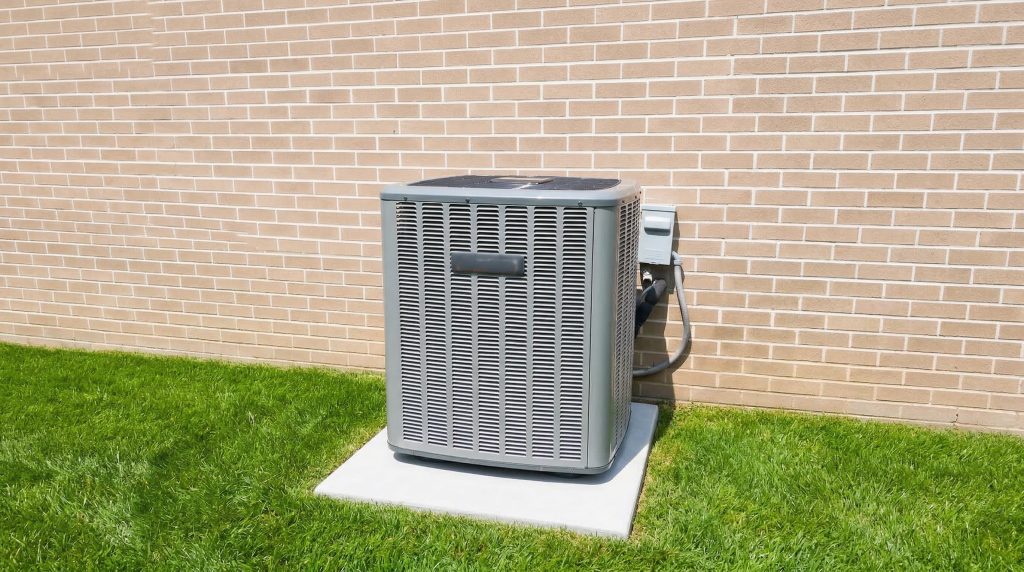
Next, figure out where the sound is coming from. A central AC system usually has two main sections:
The two main parts to think about
- The outdoor unit, which sits outside your house and releases heat
- The indoor unit, often called the air handler, which moves cooled air through your ducts
The outdoor unit contains major parts like the compressor and the outdoor fan. The indoor unit contains the blower, which is the fan that pushes air through the house.
Try to notice whether the grinding is coming from outside, from inside near the furnace or air handler, or from both. That simple detail can make troubleshooting much easier.
If the system is also shaking, cooling poorly, or making a very loud metal sound, treat it as urgent.
Why Your AC Is Making a Grinding Noise
Your AC is making a grinding noise because something mechanical is not moving smoothly. In plain English, that usually means a part that should spin freely is worn, loose, blocked, or damaged.
The most common causes include worn motor bearings, damaged fan blades, debris near the fan, blower problems, or compressor trouble.
Bearings are small parts inside a motor that help the shaft spin smoothly. When they wear out, the motor can sound rough, scrape, or grind.
The compressor is the part that helps move refrigerant through the system. Refrigerant is the fluid your AC uses to carry heat out of your home. If the compressor has internal damage, the sound can be deeper, harsher, and more serious.
Sometimes the system may still cool even while it grinds. That can fool homeowners into thinking the problem is minor. It is not a good sign. It often means the failing part has not completely stopped yet.
Grinding Noise From the Outdoor Unit
If the grinding sound is coming from the outdoor unit, the most likely causes are the fan assembly or the compressor.
The fan assembly includes the motor and the fan blade. That blade needs to spin freely without rubbing the cabinet or hitting debris. If the blade is bent, loose, or off balance, you may hear scraping or grinding.
The outdoor unit may also shake more than normal. You may notice a harsh sound during startup, while running, or when the system shuts down.
A grinding sound from outside can also happen if debris has gotten into the unit area. Leaves, small twigs, or heavy dirt buildup can sometimes contribute to fan problems or poor airflow around the system.
You should not remove the top of the outdoor unit or reach inside to inspect the fan. Even when the thermostat is off, this is not a safe beginner repair area.
If the outdoor unit is noisy and the fan does not seem to be spinning normally, shut the system off and leave it off.
Compressor Problems Can Cause a Grinding Sound
Yes, a bad compressor can cause a grinding sound.
The compressor is one of the most important and expensive parts of the system. It pressurizes refrigerant and helps the cooling cycle work. When it starts failing, the sound can be loud, deep, and very mechanical.
This is not something a beginner homeowner should try to diagnose by opening the unit. Compressor problems need professional testing and repair.
A compressor issue may be more likely if:
Signs that point to a more serious outdoor unit problem
- The grinding sound is loud and heavy
- The unit is vibrating a lot
- Cooling is getting weaker
- The system struggles to start
- The sound comes from low inside the outdoor cabinet
- The noise keeps getting worse
Sometimes the AC still cools for a while. That does not mean it is safe to keep using it. It only means the part may still be operating before it fails completely.
If the grinding sound is paired with poor cooling, repeated starting problems, or the feeling that the outside AC unit is not turning on correctly, it is time to stop and schedule service.
Fan Motor Bearings, Blades, or Debris
Fan motor bearing problems are one of the most common reasons for a grinding sound.
When bearings wear down, the motor no longer spins smoothly. Instead of a steady hum, you may hear a rough metal sound, scraping, or a grinding noise that gets worse as the fan runs.
A damaged fan blade can cause a similar sound. If a blade is bent or loose, it may rub against nearby parts as it spins. That can sound like grinding metal.
Debris can also play a role. Sticks, heavy leaf buildup, and other objects around the outdoor unit can interfere with normal fan operation or airflow. Inside the system, dirt buildup on blower parts can also create problems, but that is not something most homeowners should open up and inspect themselves.
The key point is this: if a motor or fan is the likely cause, the repair usually moves beyond safe DIY.
Grinding Noise From the Indoor Unit or Air Handler
If the sound is coming from inside the house, the problem may be in the air handler or blower section.
The air handler is the indoor part of the system that moves conditioned air through the ducts. In some homes, this function is built into the furnace area. The blower is the indoor fan that pushes air through your vents.
A worn blower motor bearing or a damaged blower wheel can create a grinding or scraping sound. A blower wheel is the part that actually moves the air. If it is loose, damaged, or rubbing, the sound may seem like it is coming from a closet, attic, basement, or utility room.
Indoor grinding may also come with weak airflow. Rooms may feel warmer, and the air coming from vents may seem lower than usual.
A dirty air filter usually does not directly create a true grinding sound. But it can make airflow worse and add stress to parts that are already struggling. That is why checking the filter is still worth doing.
What You Can Safely Check Yourself
There are a few basic things you can safely check before calling for help. Keep these checks simple. Think observation, not disassembly.
Safe DIY checks
- Turn the AC off at the thermostat
- Listen closely enough to tell whether the sound came from the indoor or outdoor unit
- Check the air filter and replace it if it is dirty
- Make sure supply vents and return vents are open and not blocked
- Look around the outdoor unit for obvious leaves, grass, or loose debris around the cabinet
- Notice whether cooling had become weak before the grinding started
- Notice whether the outdoor unit was vibrating or the fan seemed not to spin normally
These checks can help you rule out simple airflow issues and give the technician a clearer description of what is happening.
What you should not do
- Do not remove access panels
- Do not reach into the fan area
- Do not try to spin the fan by hand
- Do not inspect wiring or electrical parts
- Do not test components with tools
- Do not keep running the system to see whether the noise goes away
That line matters. Safe homeowner checks are mostly visual and basic. Mechanical and electrical diagnosis belongs to a professional.
When to Turn the AC Off and Call a Pro
In most cases, a true grinding noise is a shut-it-off problem.
That does not mean every repair will be catastrophic. It does mean the sound points to a problem that can get worse fast if the unit keeps running.
Turn the AC off and call a pro if you notice any of these signs
- The sound is loud, harsh, or clearly metal-on-metal
- The unit is shaking or vibrating more than normal
- Cooling is weak or uneven
- The outdoor fan is not spinning correctly
- Airflow from the vents feels low
- The noise is getting worse
- There is a burning smell
- The system has trouble starting or staying on
If you notice ac making grinding noise along with weak cooling or a fan that is not spinning, the urgency goes up. At that point, continued operation can increase the repair cost.
Anything involving the compressor, motor, blower assembly, fan blade damage, or electrical parts is definitely professional territory.
How to Help Prevent AC Noise Problems in the Future
You cannot prevent every AC failure, but basic upkeep can reduce wear and help you catch problems earlier.
A neglected system tends to run under more stress. Restricted airflow, dirt buildup, and missed maintenance all make it harder for motors and fans to do their job.
Habits that can help
- Check your air filter regularly
- Replace a dirty filter before it starts restricting airflow
- Keep vents open and clear
- Keep the area around the outdoor unit free of leaves and yard debris
- Pay attention to new sounds instead of waiting for a full breakdown
- Schedule routine HVAC maintenance
These steps will not fix a failing compressor or worn motor bearings. But they can help your system run with less strain and may reduce the chance of avoidable problems.
Conclusion
A grinding noise from your AC is not something to ignore. It usually means a moving part is worn out, rubbing where it should not, or struggling to operate.
The source could be the outdoor fan, the indoor blower, debris near a moving part, or the compressor. Some of the possible causes are minor. Some are expensive. The sound alone is enough reason to take it seriously.
For most beginner homeowners, the right move is to turn the system off, do only simple outside checks, and call an HVAC technician if the noise is truly grinding. That approach is safer, easier on the equipment, and more likely to stop a smaller problem from turning into a major repair.