Best Paint Brush for Cutting In Walls and Trim
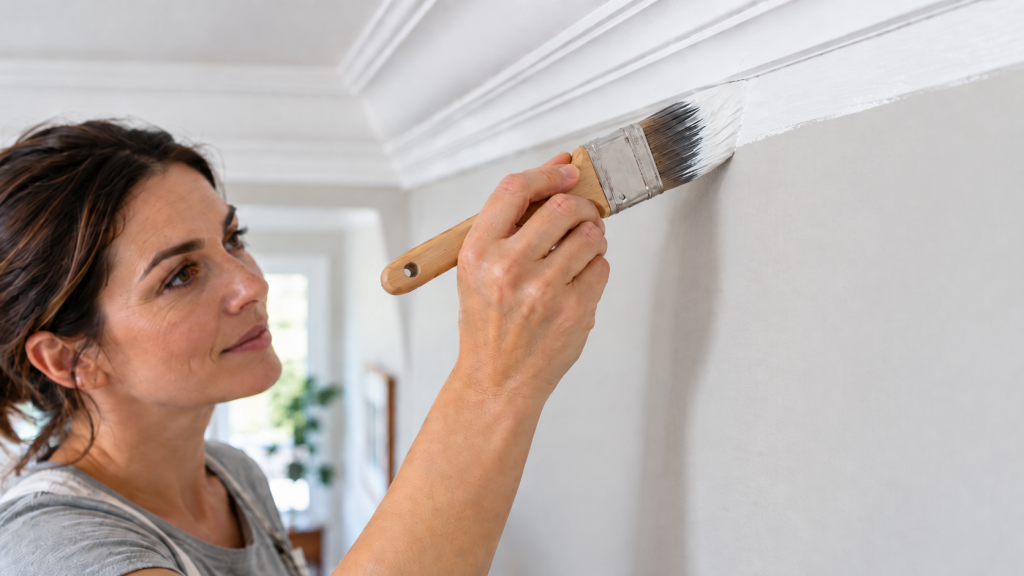
The best paint brush for cutting in is usually an angled sash brush that gives you enough paint capacity without sacrificing edge control. For many interior projects, a 2-inch or 2.5-inch angled brush is a versatile choice, while a smaller 1.5-inch brush can be easier to control around narrow trim and tight details. For water-based architectural paints, synthetic bristles are commonly appropriate, but always check compatibility with the coating you are using.
| Brush type | Best use | Control | Coverage | Main limitation |
|---|---|---|---|---|
| 1.5-inch angled brush | Narrow trim, tight corners, detail work | High | Low | Slower on long edges |
| 2-inch angled sash brush | General cutting in, trim, casing | High | Moderate | Less coverage than a wider brush |
| 2.5-inch angled sash brush | Walls, ceilings, baseboards, larger trim | Moderate to high | High | Can feel less precise in tight areas |
| Straight brush | Broad trim and some flat edges | Moderate | Moderate to high | Angled designs may be easier to control in corners |
Brush size is only part of the decision. Bristle material, stiffness, tip quality, paint pickup and release, handle comfort, and compatibility with your paint can make just as much difference.
Why Angled Sash Brushes Work Well for Cutting In
An angled sash brush has bristles cut on a diagonal rather than straight across the end. That shape makes it easier to position the working edge of the brush along ceilings, trim, baseboards, door casing, window casing, and inside corners.
The angled profile is particularly useful when only part of the brush needs to contact the surface. It gives you a defined working edge while the rest of the bristles hold and distribute paint.
That does not mean an angled brush automatically creates perfectly straight lines. Surface condition, paint consistency, brush loading, hand control, and application technique all affect the result.
A straight brush can still be useful for certain flat surfaces or wider trim. But for homeowners buying one general-purpose brush primarily for cutting in, an angled sash design is often the more versatile starting point.
Choose the Right Brush Width
Brush width affects both precision and speed. A wider brush can carry more paint and cover more area, while a narrower brush can feel easier to maneuver.
1.5-inch brushes for tight areas
A smaller angled brush can be useful for narrow molding, small door or window casing, tight corners, and detailed areas.
The narrower profile makes it easier to position the bristles when there is little room to work. Beginners who feel uncomfortable controlling a larger brush may also prefer the smaller size for demanding edges.
The tradeoff is coverage. A narrow brush holds and spreads paint over less area, so long runs can take more passes.
2-inch brushes for versatile control
A 2-inch angled sash brush provides a useful balance between paint capacity and precision for many interior projects.
It is wide enough to handle ordinary cutting-in work along walls and trim without becoming excessively bulky. It can also fit many areas around baseboards, casing, and corners.
For homeowners who prioritize control, a 2-inch angled brush is a practical general-purpose option.
2.5-inch brushes for more coverage
A 2.5-inch angled sash brush increases paint capacity and coverage while remaining manageable for many painters.
That can make it particularly useful when cutting in longer wall-to-ceiling edges or working along wider baseboards and trim. An experienced painter may appreciate the additional capacity because fewer trips to the paint container are needed.
The extra width can also make the brush harder to control in tight spaces. If precise brush placement is your main challenge, choosing a slightly narrower brush may be more helpful than maximizing coverage.
Match the Bristles to the Paint
Bristle material should be compatible with the coating being applied.
Synthetic bristles are commonly used with modern water-based architectural paints. Depending on the brush, these bristles may be made from nylon, polyester, other synthetic materials, or blends designed to provide particular handling characteristics.
Do not choose solely from a broad natural-versus-synthetic rule. Coatings and brush materials vary, and a brush intended for one type of finish may not be the best choice for another.
Check both the paint manufacturer’s application guidance and the brush manufacturer’s stated compatibility. If you are using a specialty coating rather than ordinary interior wall or trim paint, this becomes particularly important.
Look for the Right Balance of Stiffness and Flexibility
A good cutting-in brush needs enough stiffness to maintain a controlled working edge, but it also needs enough flexibility to spread and release paint smoothly.
A brush that feels excessively soft may be difficult to control along an edge. One that is too stiff for the paint and application can feel less forgiving and may not distribute the coating as you expect.
The ideal balance depends partly on the coating and partly on personal control.
When comparing brushes, gently flex the bristles if the packaging permits it. Look for a brush that feels responsive and whose bristles return reasonably well toward their original shape.
A quality brush should feel controlled rather than floppy or excessively rigid.
Tip Quality Affects Edge Control
The ends of the bristles are an important part of brush construction.
For cutting in, you want bristles that form a clean, useful working edge rather than a rough mass of uneven fibers. Good tip construction helps the brush release paint predictably and gives you more control over where the coating goes.
Also inspect the brush for obviously loose or poorly secured bristles. Occasional bristle loss can happen, but excessive shedding can interrupt painting and leave fibers in the wet finish.
Price can sometimes reflect construction quality, but the most expensive brush is not automatically the best brush for your project. Fit and control matter more than brand prestige or price alone.
Consider Paint Pickup and Release
A cutting-in brush needs to hold a useful amount of paint without becoming difficult to control.
A brush with very little paint capacity requires frequent reloading. At the other extreme, a brush that is oversized for the task can encourage excessive loading and make detailed edges harder to manage.
Good paint release matters as well. You want the brush to distribute paint progressively rather than depositing most of its load immediately or requiring excessive pressure to release it.
This is one reason a well-made 2-inch or 2.5-inch sash brush can be useful for general cutting in: it offers enough bristle volume for reasonable paint capacity while still providing an angled edge for control.
Brush construction and paint formulation both influence how pickup and release feel in actual use.
Match the Brush to the Area You Are Painting
The same brush can handle several jobs, but the surface and available working space should guide your choice.
Walls and ceilings: A 2-inch or 2.5-inch angled sash brush is often practical for cutting in where walls meet ceilings. A wider brush offers more capacity, while the smaller option may feel easier to control.
Baseboards: Both 2-inch and 2.5-inch angled brushes can work well on many baseboards. Consider the width of the molding and how much control you need along adjoining surfaces.
Door and window casing: A 2-inch angled brush is versatile for many casing projects, while a 1.5-inch brush may be more comfortable on narrow profiles or detailed molding.
Corners: Angled brushes can help position paint into inside corners while maintaining control over the adjacent surface. Smaller brushes can be useful where access is limited.
The goal is not to own a different brush for every edge. Choose a size that matches most of your project, then use a smaller brush when the working area genuinely requires more precision.
If you are using the brush on trim, see our guide on how to paint trim without brush marks for technique and finish tips.
Handle Comfort Matters More Than It Seems
Cutting in requires sustained brush control, so handle design deserves consideration.
The brush should feel balanced in your hand and allow you to control the working edge without an awkward grip. Handle length and shape vary, and individual preferences differ.
A compact handle may feel convenient in confined spaces, while a traditional sash-brush handle may offer a comfortable grip for longer runs.
Whenever possible, hold the brush before buying it. A highly rated brush that feels uncomfortable in your hand may be less useful to you than a simpler brush you can control confidently.
Common Mistakes When Buying a Cutting-In Brush
One mistake is assuming that a larger brush is automatically better because it holds more paint. Extra capacity has little value if the brush feels too large to control accurately.
The opposite can also be true. Choosing an extremely small brush for every job may provide precision but make long wall and ceiling edges unnecessarily slow.
Other common mistakes include:
- Choosing by price or brand name without considering brush construction
- Ignoring whether the bristles are compatible with the paint
- Buying bristles that feel too soft or stiff for comfortable control
- Overlooking loose or poorly formed bristle tips
- Choosing a handle that becomes uncomfortable during extended use
- Expecting the brush alone to produce perfectly straight cut lines
- Failing to consider cleanup requirements before starting
A quality brush can make cutting in easier, but it cannot compensate for poor surface preparation or application technique.
If you plan to combine brush cutting-in with masking, see our guide to the best painter’s tape for clean lines and delicate surfaces.
Clean and Store the Brush Properly
A good cutting-in brush can remain useful across multiple projects when it is cleaned and stored according to the brush and coating manufacturers’ instructions.
Use the cleanup method specified for the paint. Do not assume that water is appropriate for every coating simply because you normally use water-based wall paint.
Remove paint before it hardens in the bristles, taking care not to damage their shape during cleaning. Follow applicable instructions for cleanup water, solvents, paint residue, and disposal.
After cleaning, allow the brush to dry as directed and store it in a way that protects the bristles from being crushed or permanently bent.
Proper care helps preserve the clean working edge that made the brush useful for cutting in in the first place.
Final Thoughts
For many homeowners, the best paint brush for cutting in will be a quality 2-inch or 2.5-inch angled sash brush with bristles compatible with the paint being used. A smaller 1.5-inch angled brush is worth considering when narrow trim, tight corners, or detailed casing makes precise control more important than coverage.
Look beyond brand and price. Brush width, angle, bristle material, stiffness, tip quality, paint pickup and release, and handle comfort all affect how well a brush fits the job. The best choice is the brush that gives you comfortable control while matching both your coating and the edges you need to paint.