Drywall Tape Bubbling After Painting: What Went Wrong?

Drywall tape bubbling after painting usually means the tape did not bond tightly to the joint compound, moisture got behind the seam, primer was skipped, or an old weak repair lifted when the wall was painted.

A bubble can be small and cosmetic, or it can be a sign that the drywall tape has failed. The difference matters because a tiny bubble may be patched, while loose tape along a longer seam usually needs to be cut out and replaced.

Do not just paint over a bubble and hope it disappears. Paint may hide it for a short time, but the raised area usually comes back because the tape underneath is no longer flat.

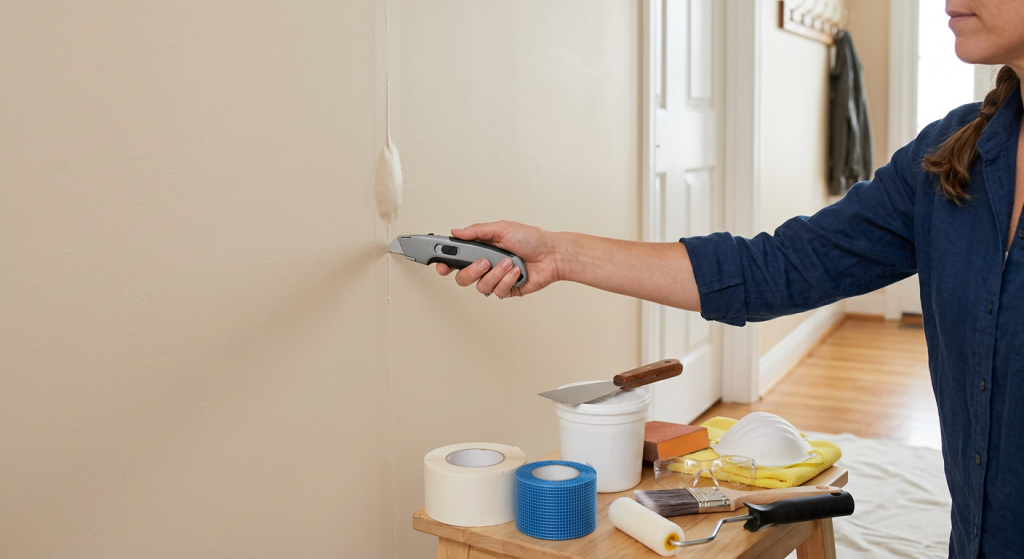
Bubbled drywall tape seam on a painted wall with drywall repair tools nearby.

drywall tape bubbling after painting: Quick Cause and Fix Table

CauseWhat It Looks LikeBest Fix
Poor tape adhesionRaised bubble along a seamCut, flatten, patch, or replace tape
Not enough joint compoundTape lifts or looks hollowRe-bed tape with compound
Moisture or humiditySoft, stained, or recurring bubblesStop and fix moisture first
Skipped primerBlotchy paint and lifted weak spotsSand, prime, and repaint after repair
Old loose tapeLong raised seam or peeling edgeRemove loose tape and redo seam

If the bubble is small and the wall is dry, it may be repairable with a utility knife, joint compound, sanding sponge, primer, and touch-up paint. If the tape is loose for a long section, the seam usually needs a more complete repair.

Why Drywall Tape Bubbles After Painting

Drywall tape bubbles when it separates from the joint compound or drywall underneath.

Drywall tape needs to be embedded in a thin layer of joint compound. If there is not enough compound behind the tape, if air is trapped under it, or if the surface is dusty, the tape may not bond well. Painting can make the problem more visible because moisture from the paint and roller pressure can soften or lift weak areas.

Common reasons drywall tape bubbles include:

  • Poor tape adhesion
  • Not enough joint compound under the tape
  • Trapped air behind the tape
  • Drywall dust on the seam
  • Painting before compound dried
  • Skipping primer before paint
  • Moisture in the wall
  • High humidity
  • Old loose drywall tape
  • Movement along the seam
  • Weak previous repairs

The bubble may not be caused by the paint itself. Paint often reveals a weak seam that was already there.

Poor Tape Adhesion

Poor adhesion means the tape did not bond tightly to the joint compound.

This can happen when the tape was not pressed into the compound well enough, when the compound was too dry, or when there was not enough compound behind the tape. Once paint goes over the area, the tape can swell slightly or lift away from the wall.

Poor tape adhesion may look like:

  • A raised oval bubble
  • A long ridge along the seam
  • Tape that sounds hollow when tapped
  • Paint cracking over the tape line
  • Edges that lift when touched
  • A bubble that grows during painting

Small areas may be patched. Longer loose sections usually need to be removed and retaped.

Not Enough Joint Compound Behind the Tape

Drywall tape needs compound behind it, not just on top of it.

If paper drywall tape is placed over a dry seam and then coated only on the surface, it will not bond correctly. There should be enough joint compound under the tape to hold it flat, but not so much that it leaves a thick ridge.

Not enough compound can cause:

  • Hollow spots under the tape
  • Bubbles after painting
  • Tape lifting at the edges
  • Cracks along the seam
  • Loose sections that spread over time
  • A repair that fails after touch-up paint

When tape does not have enough compound behind it, adding paint on top will not fix the bond. The loose section needs to be opened, patched, or replaced.

Trapped Air Under the Tape

Air bubbles can form when tape is not pressed flat into the compound.

This is more common with paper drywall tape when it is not embedded smoothly. If air stays trapped under the tape, the surface may look fine at first, then bubble later during sanding, priming, or painting.

Trapped air is more likely when:

  • The tape was applied too quickly
  • The taping knife did not press the tape flat
  • The compound was too thick or too dry
  • The tape wrinkled during application
  • The seam was not smoothed evenly
  • The repair was rushed

A small trapped-air bubble can sometimes be cut open and patched. A long trapped-air section often needs to be redone.

Drywall Dust Can Weaken the Bond

Drywall dust can keep tape, compound, primer, and paint from sticking well.

This is common when an old repair was sanded and not cleaned before the next coat. Dust acts like a weak layer between materials. The tape or compound may stick to the dust instead of the wall.

Dust can cause problems when:

  • The seam was sanded before taping
  • Dust was left between coats
  • Primer was applied over dust
  • Paint was applied over sanding residue
  • A repair area was not wiped clean
  • Old loose compound was not removed

A microfiber cloth is useful for cleaning repair dust before primer. For some surfaces, a tack cloth can help pick up fine dust, but use it lightly and make sure it is appropriate for the surface.

Painting Too Soon

Joint compound needs to dry before primer or paint goes over it.

If compound is still damp under the surface, paint can trap moisture and cause bubbling, soft spots, cracking, or poor adhesion. A repair may feel dry on the surface before the deeper layer is ready.

Painting too soon can lead to:

  • Soft compound under paint
  • Bubbles along drywall tape
  • Cracking over the seam
  • Paint peeling from the repair
  • Rough or uneven texture
  • A patch that dents easily

Follow the joint compound label and allow extra time when the repair is thick, the room is humid, or airflow is poor. Do not paint over wet or soft compound.

Skipping Primer Before Painting

Primer helps seal joint compound before paint.

Joint compound absorbs paint differently than the surrounding painted wall. Without primer, the patch may flash through, look dull, or absorb moisture unevenly. In some cases, painting directly over unprimed repair work can make weak tape or compound problems more noticeable.

Primer helps by:

  • Sealing porous joint compound
  • Improving paint coverage
  • Reducing uneven sheen
  • Helping the repair blend better
  • Creating a more stable surface for paint
  • Making touch-up paint less obvious

Primer will not fix loose tape by itself. Repair the bubble first, sand it smooth, clean the dust, prime, and then paint.

Moisture or Humidity Behind the Wall

Moisture is one of the most important causes to rule out.

If drywall tape bubbles because of moisture, patching and repainting without fixing the water source is a waste of time. The bubble may return, and the wall may get worse.

Moisture may be involved if you see:

  • Brown or yellow stains
  • Soft drywall
  • Musty smell
  • Peeling paint near the bubble
  • Bubbles that return after repair
  • Damage near a bathroom, kitchen, window, roofline, or basement wall
  • Mold-like spots
  • Damp trim or ceiling areas

Stop before repainting if the area is wet, stained, moldy, or recurring. Find and fix the moisture source first.

Old Loose Tape Can Lift During Painting

Old drywall tape can fail over time.

A seam may have been weak for years but not very noticeable. When you paint, the moisture and roller pressure can make the tape lift. This is common on older repairs, ceiling seams, inside corners, and areas that were patched poorly before.

Old loose tape may show up as:

  • A long raised seam
  • Peeling tape edge
  • Cracked paint along the joint
  • Tape that lifts when pressed
  • Repeated bubbles in the same area
  • A repair line that looks thicker than the surrounding wall

If the old tape is loose, do not just coat over it. Loose tape should be removed and replaced so the repair has a solid base.

Seam Movement Can Cause Bubbling or Cracking

Drywall seams can move slightly because of framing movement, seasonal changes, vibration, or settling.

A small amount of movement can crack paint or compound. Larger or repeated movement can loosen tape and cause recurring bubbles. This is more common near ceilings, corners, doors, windows, and long wall seams.

Movement may be the problem if:

  • The same seam keeps cracking
  • The bubble returns after repair
  • The wall or ceiling joint has a long crack
  • The area is near a door or window
  • The seam opens during seasonal changes
  • Previous repairs failed in the same spot

A basic patch may not last if the seam is still moving. The cause of the movement may need to be corrected first.

Weak Previous Repairs

A weak previous repair can fail after painting.

This happens when someone used too much compound, skipped tape where tape was needed, used poor sanding technique, painted too soon, or patched over old loose material. The new paint does not create a stronger repair underneath.

Weak previous repairs may include:

  • Compound applied too thick
  • Tape not embedded properly
  • No primer over the patch
  • Loose old compound under paint
  • Mesh tape used incorrectly
  • Paper tape with dry spots underneath
  • Poor feathering around the repair
  • Paint applied over dust

If the repair area feels hollow, soft, or loose, it is better to remove the failed material and redo it properly.

Small Cosmetic Bubble vs Larger Tape Failure

Not every bubble means the whole wall is failing.

A small cosmetic bubble is usually a small raised area where tape or compound lifted in one spot. A larger tape failure means the tape has separated along a longer section and no longer has a solid bond.

A small cosmetic bubble may be:

  • Short and isolated
  • Dry and firm around the edges
  • Not stained
  • Not spreading
  • Limited to one small spot
  • Caused by trapped air or a small bond issue

A larger tape failure may be:

  • Long along the seam
  • Loose when pressed
  • Cracked at the edges
  • Soft or hollow underneath
  • Connected to peeling paint
  • Returning after previous repairs
  • Associated with moisture or movement

Small bubbles can often be cut, flattened, patched, primed, and repainted. Larger failures usually need the loose tape removed and replaced.

When You Can Cut, Flatten, Patch, and Repaint

A small dry bubble can often be repaired without replacing the whole seam.

This works best when the bubble is isolated and the surrounding tape is still well bonded. The goal is to remove the loose raised part, flatten the area, rebuild it with thin joint compound, then prime and paint.

This approach may work when:

  • The bubble is small
  • The wall is dry
  • There are no stains
  • The tape is mostly bonded
  • The bubble does not run far along the seam
  • The surrounding compound is firm
  • The problem has not happened repeatedly

Use a sharp utility knife carefully. Cut only the loose bubble area, not deep into the drywall.

When the Tape Should Be Removed and Replaced

If the drywall tape is loose along a longer section, patching only the top may not last.

The failed tape needs to be cut out so new tape can be embedded properly in joint compound. This takes more time, but it gives the repair a better chance of staying flat.

Remove and replace tape when:

  • The tape lifts along a long seam
  • The bubble is large
  • The tape edge is peeling
  • The seam feels hollow
  • The tape is cracked or wrinkled
  • The same area has failed before
  • There is old loose compound underneath
  • A small patch will not hold the tape flat

Paper drywall tape and mesh drywall tape are both useful in the right situation. Paper tape is common for seams and inside corners. Mesh tape can be helpful for certain repairs, often with the right compound. Follow the product instructions for the tape and compound you choose.

When to Stop and Investigate Moisture, Mold, or Recurring Damage

Some bubbles should not be patched right away.

If moisture, mold, or repeated damage is involved, the wall needs investigation before cosmetic repair. Covering the problem can trap moisture and allow damage to continue.

Stop before repairing if:

  • The drywall is wet
  • The area smells musty
  • Stains are spreading
  • Mold-like spots are present
  • The wall feels soft
  • Paint is bubbling in several areas
  • The bubble is near a leak source
  • The same seam keeps failing
  • The ceiling or wall shows sagging

Fix the cause first. Then repair the drywall after the area is dry and stable.

Tools and Materials You May Need

A basic drywall tape bubble repair uses common patching tools.

For a small repair, you may only need a few items. For a larger failed seam, you may need new tape, wider knives, and more joint compound.

Helpful repair supplies include:

  • Drywall tape
  • Paper drywall tape
  • Mesh drywall tape
  • Joint compound
  • Setting-type compound when appropriate
  • Taping knives
  • Utility knife
  • Sanding sponges
  • Microfiber cloths
  • Primer
  • Touch-up paint
  • Mini rollers
  • Dust masks
  • Safety glasses
  • Drywall repair kits

A drywall repair kit may be useful for small damaged areas, but long tape seams usually need proper drywall tape, compound, and a wider taping knife.

Step-by-Step Fix for Drywall Tape Bubbling After Painting

Start by checking whether the area is dry, firm, and isolated.

If there is any sign of moisture, stop and address that first. If the bubble is small and dry, you can usually repair it carefully.

Follow this basic repair process:

  • Put on safety glasses and a dust mask
  • Inspect the bubble for stains, softness, or moisture
  • Press gently around the bubble to see how far the tape is loose
  • Use a utility knife to cut away only loose tape or raised material
  • Remove flaky paint, loose compound, and dust
  • Wipe the area with a microfiber cloth
  • Apply a thin layer of joint compound under or over the repair area as needed
  • Embed new drywall tape if the old tape was removed
  • Smooth the tape with a taping knife
  • Apply a thin coat of joint compound over the repair
  • Feather the edges beyond the damaged area
  • Let the compound dry according to the product label
  • Add additional thin coats if needed
  • Sand lightly after the final coat dries
  • Wipe away all sanding dust
  • Prime the repair
  • Repaint with touch-up paint or a mini roller

Do not try to hide the repair with one thick coat of compound. Thin coats dry better, sand easier, and blend more smoothly.

How to Sand the Repair

Sanding should smooth the repair without digging into the tape.

Use a sanding sponge with light pressure. If you sand too aggressively, you can expose the tape, rough up the paper, or create a low spot that shows after painting.

Sand the repair carefully by:

  • Waiting until the compound is fully dry
  • Wearing a dust mask and safety glasses
  • Using fine grit for final smoothing
  • Using medium grit only for high ridges
  • Sanding the feathered edges lightly
  • Avoiding heavy pressure over the tape
  • Checking the surface by touch
  • Stopping when the repair blends into the wall

If the repair still has a dip, add another thin coat of joint compound instead of sanding more.

For sanding tool choices, this guide to the best sanding sponge for drywall patches explains which grit is safer for final smoothing.

How to Clean Before Primer

Dust left on the repair can weaken primer and paint.

After sanding, clean the area before moving on. This is a small step, but it makes a big difference in the final finish.

Clean the repair area by:

  • Wiping loose dust with a microfiber cloth
  • Using a tack cloth lightly if appropriate
  • Vacuuming nearby dust if needed
  • Checking the surface with your hand
  • Letting any damp-wiped area dry fully
  • Inspecting the repair in good light

Do not prime or paint over sanding dust. It can leave a gritty texture and reduce adhesion.

How to Prime and Repaint So the Repair Blends Better

Primer helps seal the joint compound before paint.

Without primer, the repair may absorb paint differently and show as a dull or uneven spot. This is especially noticeable on walls with eggshell, satin, or higher-sheen paint.

For better paint blending:

  • Prime the repaired area after sanding and cleaning
  • Let primer dry according to the label
  • Lightly sand rough primer if needed
  • Wipe away dust again
  • Use matching touch-up paint
  • Use a touch-up brush for tiny repairs
  • Use a mini roller for larger repaired areas
  • Feather the paint outward
  • Apply light coats instead of heavy paint buildup
  • Let the paint dry before judging the match

A mini roller often blends better than a brush on larger wall repairs because it can better match the surrounding roller texture.

Paper Drywall Tape vs Mesh Drywall Tape

Paper tape and mesh tape are both used for drywall repairs, but they are not identical.

Paper drywall tape is common for seams and inside corners. It needs to be embedded in joint compound. Mesh drywall tape is self-adhesive and can be helpful for some patch repairs, but the compound choice matters.

In beginner terms:

  • Paper drywall tape is common for traditional seams
  • Mesh drywall tape can help with some repairs and patches
  • Paper tape needs compound behind it to bond
  • Mesh tape still needs compound over it
  • Inside corners are often easier to finish with paper tape
  • Product instructions should guide the tape and compound choice

For a small isolated bubble, you may not need to retape a long seam. For a failed seam, use the tape type that fits the repair and follow the label instructions.

If the repair also involves choosing patching material, this spackle vs joint compound guide explains when joint compound is the better choice.

When Setting-Type Compound May Help

Setting-type compound can be useful for certain drywall repairs, but it is less beginner-friendly than pre-mixed joint compound.

It hardens on a set schedule after mixing, which can help with some repairs. But it gives you less working time and requires mixing correctly.

Setting-type compound may be useful when:

  • The repair needs faster hardening
  • The area needs a stronger base coat
  • You are comfortable mixing compound
  • You understand the working time
  • The repair is not your first drywall project

For many beginner homeowners, pre-mixed joint compound is easier because it gives more working time. Use setting-type compound only when it makes sense for the repair and you are comfortable following the product directions.

Common Mistakes When Fixing Bubbled Drywall Tape

Most failed repairs happen because the loose tape was not actually fixed.

Painting over the surface or adding thick compound may hide the bubble briefly, but the loose area usually comes back.

Common repair mistakes include:

  • Painting over the bubble without repairing it
  • Skipping the moisture check
  • Cutting too deeply into the drywall
  • Leaving loose tape behind
  • Applying joint compound too thick
  • Not embedding new tape properly
  • Sanding before compound is dry
  • Sanding too aggressively
  • Skipping primer
  • Painting over sanding dust
  • Using touch-up paint before the repair is stable
  • Ignoring a seam that keeps moving

The best repair starts with removing loose material and rebuilding the seam in thin, controlled layers.

Prevention Tips for Future Drywall Tape Repairs

Preventing bubbles is mostly about good prep and patient drying.

Drywall tape needs a clean surface, enough compound, firm embedding, thin coats, and primer before paint.

To prevent drywall tape bubbles:

  • Remove loose old tape before repairing
  • Clean dust from the repair area
  • Use enough joint compound under paper tape
  • Press tape flat with a taping knife
  • Avoid trapping air behind the tape
  • Apply thin coats instead of heavy buildup
  • Let each coat dry fully
  • Sand lightly between coats if needed
  • Wipe away sanding dust
  • Prime joint compound before painting
  • Fix moisture problems before drywall repair
  • Avoid painting over soft or damp compound

Good drywall repair is built in layers. Rushing one layer often causes problems in the next one.

Safety and Cleanup Notes

Drywall repair can create fine dust and sharp debris.

Take basic safety steps, especially when cutting old tape or sanding joint compound. Protect your eyes and avoid breathing sanding dust.

Use these safety habits:

  • Wear safety glasses when cutting or sanding
  • Wear a dust mask while sanding
  • Use a sharp utility knife carefully
  • Keep fingers away from the blade path
  • Sand with light pressure
  • Avoid power sanding small patches
  • Keep children and pets away from dust
  • Clean dust before priming
  • Wash hands after cleanup
  • Follow product label instructions

Be especially cautious with older homes, unknown old paint, mold, water damage, or soft drywall. Those conditions may need a different repair approach.

When to Call a Professional

Some drywall tape bubbles are simple. Others point to a larger issue.

A professional may be the better choice when the damage is widespread, recurring, wet, or connected to structural movement.

Consider calling a professional when:

  • The bubble is part of a long failing seam
  • The repair is on a ceiling
  • The same seam keeps failing
  • Moisture or mold is present
  • The drywall feels soft or sagging
  • Large sections of tape are loose
  • Cracks are spreading
  • The damage is near electrical or plumbing areas
  • You need a smooth finish in a highly visible room

A small wall bubble may be a DIY repair. A wet ceiling seam or repeated failure deserves more caution.

Final Thoughts

Drywall tape bubbling after painting usually means the tape did not bond properly, the repair was dusty or underfilled, primer was skipped, the compound was painted too soon, or moisture and movement are affecting the seam.

A small, dry bubble can often be cut open, flattened, patched with joint compound, sanded, primed, and repainted. A long loose seam, peeling tape, soft drywall, or recurring bubble usually needs a more complete repair.

Do not cover moisture damage, mold, or soft drywall with more compound and paint. Fix the cause first. Then repair the seam with clean prep, properly embedded tape, thin coats of joint compound, light sanding, primer, and careful touch-up paint.