Raised Bed vs In Ground Garden for Small Backyards
Raised bed vs in ground garden for small backyards is a decision many beginner homeowners face when they want to grow vegetables, herbs, or flowers without wasting limited outdoor space.
Both options can work well in a small yard, but they solve different problems. Raised beds give you more control over soil and layout. In-ground gardens usually cost less and can make better use of the space you already have.
For many beginners, the right choice comes down to budget, soil quality, drainage, and how permanent they want the garden to be. A raised bed is often easier to manage. An in-ground garden is often the simpler low-cost starting point.
Raised Bed vs In Ground Garden for Small Backyards: The Quick Answer
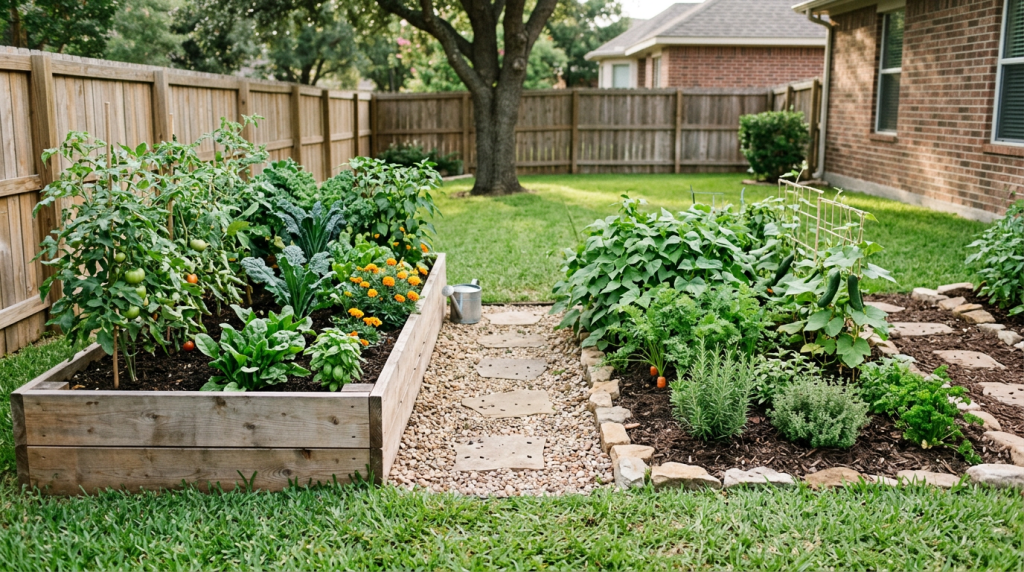
A raised bed is a planting area built above ground and usually framed with wood, metal, or another border material. You fill it with garden soil and plant inside the box.
An in-ground garden uses the soil already in your yard. You loosen the soil, improve it if needed, and plant directly into the ground.
Choose a raised bed if:
- Your backyard soil is poor, compacted, or full of roots
- You want cleaner edges and a tidy layout
- You need better drainage
- You want gardening to feel easier on your back and knees
- You plan to grow in a small, defined space
Choose an in-ground garden if:
- Your existing soil is already decent or can be improved
- You want the lowest startup cost
- You want more planting space for the money
- You are growing larger crops that spread out
- You do not mind more digging and soil prep
What a Raised Bed Really Is
A raised bed is a contained garden area that sits above the surrounding ground. The frame holds the soil in place and creates a clear planting zone.
This setup gives you more control over what the plants are growing in. That matters if your yard has clay-heavy soil, rocky soil, poor drainage, or a lot of weed pressure.
Drainage simply means how well water moves through the soil. If drainage is poor, water stays in the root area too long and plants can struggle.
Raised beds also make it easier to organize crops in a small backyard. Instead of working with the whole yard, you work with a specific box or set of boxes.
What an In-Ground Garden Really Is
An in-ground garden uses the natural ground in your yard as the garden bed. You do not build a frame. Instead, you clear the area, loosen the soil, remove weeds, and add compost or other soil improvements if needed.
This approach can feel more natural in a small backyard, especially if you want to keep the yard open and avoid building structures. It also gives plant roots room to spread deeper and wider without being limited by bed walls.
An in-ground garden can work very well if your soil is already usable. Many homeowners do not need perfect soil on day one. They just need soil that drains reasonably well and can be improved over time.
Space Efficiency in a Small Backyard
Raised beds often look more space-efficient because they create neat planting blocks. That can help a small backyard feel organized instead of crowded.
You can place beds in sunny corners, near fences, or in a simple grid. The defined shape also helps reduce wasted walking space.
In-ground gardens can still be space-efficient, but they require more planning to keep paths, borders, and planting rows from spreading out too much. If the layout is loose, a small yard can start feeling messy fast.
In a very tight backyard, raised beds often make the space easier to manage visually. In a slightly larger small yard, an in-ground garden may give you more usable planting area for less money.
Soil Quality and Control
This is one of the biggest differences between the two choices.
With a raised bed, you start with a fresh soil mix. That is helpful if your yard soil is hard, rocky, uneven, or low in organic matter.
Organic matter is the natural material in soil that comes from decomposed plant material. It helps soil hold moisture, drain better, and support healthy root growth.
With an in-ground garden, you work with the soil you already have. If the soil is decent, this can save money. If the soil is poor, getting it into good shape may take time.
Compacted soil is soil that has been pressed down so tightly that roots, air, and water have a harder time moving through it. Compaction is common in backyards with heavy foot traffic, construction history, or dense clay soil.
Raised beds are usually better for:
- Poor native soil
- Heavy clay that stays wet too long
- Rocky ground
- Areas with lots of surface roots
- Faster control over soil quality
In-ground gardens are usually better for:
- Usable existing soil
- Homeowners who want the lowest upfront cost
- Larger planting areas
- Gardeners willing to improve soil gradually
- Deep-rooted crops with room to spread
Drainage and Watering Differences
Raised beds usually drain faster than in-ground gardens. That can be a major advantage in backyards where water tends to sit after rain.
But faster drainage also means raised beds may dry out sooner in hot weather. That often means more frequent watering, especially in summer.
In-ground gardens usually stay moist longer because the surrounding soil holds water and insulation better. That can reduce how often you need to water, but it can also become a problem if the yard stays soggy.
When comparing raised bed vs in ground garden for small backyards, drainage is one of the most important deciding factors. If your yard already stays wet, raised beds often make gardening much easier.
If you are also deciding how to water a raised bed or backyard food garden efficiently, read our guide on soaker hose vs drip irrigation for vegetable gardens.
Cost and Startup Work
In-ground gardens usually cost less to start.
You may only need compost, a shovel, a rake, and mulch if the area is already open and sunny. That makes this option attractive for homeowners who want to test gardening without spending much.
Raised beds usually cost more because you need materials for the frame and enough soil to fill the bed. The price can climb quickly if you build several beds at once.
At the same time, raised beds often reduce frustration because the growing area starts out more controlled. Some beginners are happy to pay more for that easier setup.
Weed Control and Ongoing Maintenance
Raised beds often make weed control easier, especially at the beginning. The contained space is easier to monitor, and fresh soil may have fewer weeds than the surrounding yard.
That does not mean raised beds stay weed-free forever. Wind, birds, and old weed seeds can still create problems over time.
In-ground gardens usually deal with more weed pressure from the native soil and nearby lawn areas. If the garden is cut into an existing patch of grass, the prep work can be more demanding.
Raised beds often make these jobs easier:
- Spotting weeds early
- Keeping edges neat
- Reaching the whole planting area
- Applying mulch evenly
- Separating garden space from lawn space
In-ground gardens often require more attention to:
- Grass creeping into the bed
- Weed seeds already in the soil
- Keeping paths clear
- Defining the bed edges
- Preventing the garden from spreading unevenly
Comfort and Ease of Use
Raised beds are often easier on the body.
Because the soil level sits higher than the surrounding ground, there is less bending and kneeling. That can make a big difference for beginners, older homeowners, or anyone with back or knee discomfort.
In-ground gardens usually require more bending, digging, and squatting. That does not make them a bad option, but it does make them more physically demanding.
For a small backyard that you want to enjoy without turning every task into a workout, raised beds often feel more manageable.
Which Option Looks Better in a Small Yard?
This depends on your style, but raised beds usually create a cleaner visual layout.
They look intentional and help a garden feel structured. That can be helpful in a small backyard where clutter shows up quickly.
In-ground gardens can also look attractive, especially with clean edging and mulch paths. But they usually take more effort to keep looking polished.
If appearance matters a lot, raised beds often win for beginners simply because the borders make everything look more finished.
Best Crops for Each Setup
Both raised beds and in-ground gardens can grow vegetables, herbs, and flowers well. The better choice often depends on how much space each crop needs.
Raised beds are often great for:
- Lettuce
- Spinach
- Carrots
- Radishes
- Peppers
- Bush beans
- Herbs
- Strawberries
In-ground gardens are often great for:
- Pumpkins
- Corn
- Squash
- Watermelon
- Potatoes
- Large tomato plantings
- Sweet potatoes
- Sprawling vine crops
That does not mean these crops only work in one setup. It simply means some plants are easier to manage when they have either tight control or more room to spread.
Best Choice for Beginners
For many beginners, raised beds are easier to succeed with.
The smaller controlled space helps you stay organized. Soil quality is easier to manage from the start. Weed control often feels more realistic. The garden also tends to look less overwhelming.
But that does not mean raised beds are always the best first choice. If your yard already has decent soil and your budget is tight, an in-ground garden can be a smart and practical way to begin.
The best beginner garden is the one you can afford, maintain, and stick with.
If you already know a raised bed is probably the better fit, our guide on best raised garden bed kit for small backyards will help you choose the right kit size and style.
Safe DIY Checks Before You Decide
A few simple checks can help you choose the right setup before spending money.
Safe DIY checks
- Watch your yard after a heavy rain to see where water collects
- Check how many hours of sun the area gets each day
- Dig a small test hole to see whether the soil is rocky, dense, or root-filled
- Look for tree roots near the planned garden area
- Measure the available space before choosing bed sizes
- Notice whether the area is easy to reach with a hose
- Check whether lawn traffic or pets will cut through the space
You can also do a simple drainage check by digging a small hole, filling it with water, and seeing whether it drains in a reasonable amount of time. If water lingers for a long time, a raised bed may be the safer choice.
When It Makes Sense to Call a Professional
Most homeowners can build a basic raised bed or start a simple in-ground garden on their own. But some situations are better handled with outside help.
Call a professional if:
- You need major grading because water flows toward the house
- You suspect buried utility lines in the work area
- You want large amounts of soil, gravel, or material delivered and placed
- You are dealing with severe drainage problems across the yard
- You need retaining walls or more advanced structural work
- You want permanent irrigation installed
A landscaper, irrigation installer, or utility locating service may be worth involving if the project goes beyond a simple weekend garden setup.
Common Mistakes to Avoid
A few early mistakes can make either garden type harder than it needs to be.
Avoid these common mistakes
- Building raised beds too wide to reach the center easily
- Placing the garden where it does not get enough sun
- Ignoring drainage problems
- Starting with more space than you can maintain
- Using poor-quality soil in raised beds
- Skipping weed control before planting in-ground beds
- Forgetting to leave room to walk around the garden
A common beginner mistake is focusing only on the garden itself and forgetting how you will move around it. In a small backyard, access matters almost as much as planting space.
Final Verdict
If you want more control, cleaner layout, easier maintenance, and a more beginner-friendly experience, a raised bed is often the better choice for a small backyard.
If you want to spend less, use the ground you already have, and maximize planting area, an in-ground garden may be the better fit.
For many homeowners, the choice between a raised bed and an in-ground garden comes down to one simple question: are you trying to work with your yard, or work around its problems?
If your soil and drainage are already decent, in-ground gardening can work very well. If your yard soil is poor or you want an easier setup with fewer headaches, raised beds are usually worth it.