
Soft White vs Warm White Light Bulbs: What’s the Difference?
Soft white vs warm white light bulbs can look very similar on the package, but they are not always the same in your home. The simple difference is this: soft white usually feels warmer, cozier, and a little more yellow, while warm white usually looks slightly cleaner and less yellow while still feeling comfortable.
For most homes, soft white is a good choice for bedrooms, living rooms, dining rooms, and lamps. Warm white is often better for kitchens, bathrooms, hallways, laundry rooms, and work areas where you still want a comfortable look without the room feeling too yellow.
The best choice depends on the room, wall color, natural light, lampshades, and the fixture itself. Once you understand the basic color-temperature numbers on the package, picking the right bulb becomes much easier.
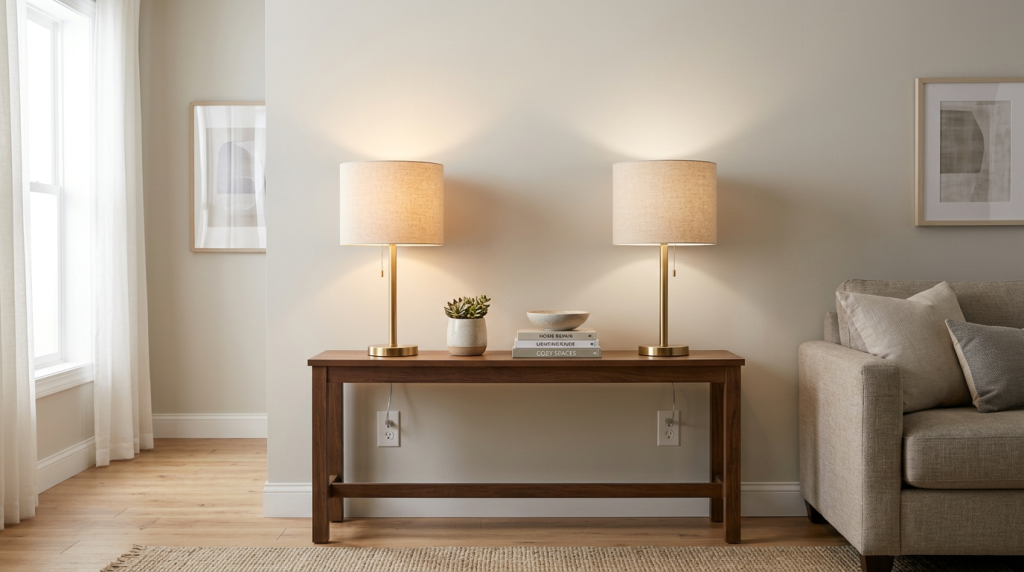
Soft White vs Warm White Light Bulbs: The Quick Difference
Light bulb color is usually measured in Kelvins, shown as “K” on the bulb package. A lower number looks warmer and more yellow. A higher number looks cooler, whiter, or bluer.
Soft white bulbs are usually around 2700K. Warm white bulbs are often around 3000K. Package labels can vary, so two bulbs from different brands may not look exactly the same even if both say “warm white” or “soft white.”
Soft white is closer to the cozy glow many people remember from older incandescent bulbs. Warm white still feels comfortable, but it can make a room look a bit clearer and more updated.
| Bulb color | Color feel | Best rooms | When to avoid it |
|---|---|---|---|
| Soft white | Warm, cozy, more yellow | Bedrooms, living rooms, dining rooms, lamps | Rooms where yellow light makes the space feel dull or too dark |
| Warm white | Comfortable, slightly cleaner, less yellow | Kitchens, bathrooms, hallways, laundry rooms | Spaces where you want a very cozy lamp-like glow |
| Bright white / neutral white | Clearer, whiter, more task-focused | Garages, closets, work areas, utility rooms | Relaxing rooms where it may feel too sharp |
| Daylight | Cool, crisp, sometimes bluish | Detail work, workshops, some task lights | Bedrooms, dining rooms, and cozy spaces where it can feel harsh |
The name on the package helps, but the Kelvin number is more useful. When comparing bulbs, look for the color temperature first, then check brightness, shape, dimmer compatibility, and fixture rating.
What Soft White Light Bulbs Look Like
Soft white light bulbs usually give off a warm, yellow-toned glow. They make a room feel relaxed and familiar, especially in the evening. This is why many homeowners like them in rooms where comfort matters more than task lighting.
Soft white can make wood furniture, warm paint colors, beige walls, and traditional decor feel inviting. It also works well in table lamps, floor lamps, shaded fixtures, sconces, and bedrooms where you do not want bright white light before bed.
The downside is that soft white can sometimes make a room feel dimmer than expected. A kitchen with dark cabinets, gray walls, or limited natural light may look a little dull under soft white bulbs. The same can happen in bathrooms where you need clearer light for grooming.
Soft white is not bad light. It just has a strong cozy feel. That makes it great for relaxing spaces, but not always ideal for rooms where you need a cleaner view of surfaces, colors, or details.
Soft white is usually a good fit for:
- Bedrooms
- Living rooms
- Dining rooms
- Table lamps and floor lamps
- Warm-toned rooms with wood, cream, tan, or beige finishes
- Evening lighting where comfort matters most
If your room already feels dark, yellow, or shadowy, soft white may make that feeling stronger. In that case, warm white may be a better middle ground.
What Warm White Light Bulbs Look Like
Warm white light bulbs usually sit around 3000K, though labels can vary. They still look warm, but they are often a little less yellow than soft white bulbs.
This makes warm white a useful choice for rooms where you want comfort and clarity at the same time. It can brighten a kitchen without making it feel cold. It can make a bathroom look cleaner without feeling like an office. It can also help hallways and entryways feel fresher.
Warm white is often a good option for newer homes, white walls, light gray walls, modern fixtures, and rooms with mixed materials. It works well when soft white feels too yellow but bright white feels too harsh.
The main downside is that warm white may not feel quite as cozy as soft white in a bedroom or living room. Some people love that cleaner look. Others prefer a softer, more relaxed glow.
Warm white is a strong default choice when you are unsure. It is warm enough for daily living, but clear enough for many practical rooms.
Best Rooms for Each Bulb Color
The right bulb color depends on how the room is used. A bedroom does not need the same feel as a kitchen. A hallway does not need the same mood as a dining room. A bathroom may need clearer light than a living room lamp.
For bedrooms, soft white is usually the safest choice. It gives a calmer, more relaxing feel and works well in bedside lamps and ceiling fixtures. Warm white can also work if the room has dark walls or you want the space to look a little brighter.
For living rooms, soft white is usually best for lamps and cozy seating areas. Warm white can work better for ceiling lights, recessed lights, or rooms with a cleaner modern style.
For kitchens, warm white is often the better choice. It helps counters, cabinets, and food prep areas look clearer without moving into a cold daylight look. Soft white can work in an eat-in kitchen or pendant lights, but it may feel too yellow over work surfaces.
For bathrooms, warm white is usually more practical than soft white. It gives a cleaner view while still feeling comfortable. Very cool daylight bulbs can make some bathrooms feel harsh, especially at night.
For dining rooms, soft white is usually a better mood choice. It helps the room feel warmer and more comfortable during meals. Warm white can work if the space has very dark finishes or if soft white makes the room look too amber.
For closets, laundry rooms, garages, and utility spaces, warm white, bright white, or neutral white may be better than soft white. These spaces often need clearer visibility more than a cozy glow.
A simple room-by-room starting point:
- Choose soft white for bedrooms, living rooms, dining rooms, and lamps
- Choose warm white for kitchens, bathrooms, hallways, and entryways
- Choose bright white or neutral white for garages, closets, laundry rooms, and work areas
- Avoid daylight bulbs in cozy rooms unless you strongly prefer a cool, crisp look
- Use the same color temperature in connected open spaces when possible
Open floor plans can be tricky. If your kitchen, dining area, and living room all share one space, avoid mixing too many bulb colors. A 2700K bulb over the dining table and a 3000K bulb in the kitchen may be fine, but a mix of soft white, daylight, and bright white in the same sightline can look uneven.
If you are deciding between a warmer bulb and a much cooler bulb, this guide on LED daylight vs soft white explains where each light color usually works best at home.
What to Check Before Buying
Once you choose the color temperature, check the rest of the bulb package before buying. Two bulbs can have the same color but work very differently in your fixture.
Brightness is usually shown in lumens. Wattage is not the same thing as brightness with LED bulbs. Many LED packages show a “wattage equivalent,” such as 60-watt equivalent or 100-watt equivalent, but the actual power use is much lower. Use the package and fixture label to choose a bulb that fits the fixture rating.
Bulb shape also matters. Common shapes include standard A-style bulbs, globe bulbs, candle bulbs, flood bulbs, and reflector bulbs. A bulb that looks fine in the package may be too large, too narrow, or the wrong beam shape for your fixture.
Dimmable bulbs are worth checking if the fixture is controlled by a dimmer. Not all LED bulbs are dimmable. Some dimmable LEDs may also perform poorly with older dimmers, causing flickering, buzzing, or uneven dimming.
Enclosed fixtures need special attention. Some LED bulbs are not rated for enclosed fixtures because heat can build up around the bulb. If the fixture has a glass cover or traps heat, look for bulbs labeled for enclosed fixture use.
CRI, or color rendering index, can also matter. A higher-CRI bulb can make colors look more natural. This is useful in kitchens, bathrooms, closets, laundry rooms, and anywhere you care about paint colors, clothing colors, or food appearance.
Check these details on the package and fixture label:
- Color temperature, such as 2700K or 3000K
- Lumens and wattage equivalent
- Bulb shape and base size
- Dimmable or non-dimmable rating
- Enclosed-fixture rating when needed
- Fixture wattage limits and bulb type requirements
Do not ignore the fixture label. If a fixture lists a maximum wattage, bulb shape, or special requirement, stay within that rating. Bulb color is a style choice, but bulb fit and rating are safety and performance issues.
Common Mistakes to Avoid
One common mistake is choosing by the words on the front of the package only. “Soft white” and “warm white” are helpful terms, but the Kelvin number gives you a better comparison. A 2700K bulb will usually look warmer than a 3000K bulb, even if the package wording is confusing.
Another mistake is mixing bulb colors in the same fixture. If a ceiling light uses three bulbs, all three should usually match in color temperature, brightness, and bulb type. A mix of 2700K and 5000K bulbs in one fixture can look strange and uneven.
Homeowners also sometimes choose daylight bulbs because they seem brighter in the store. Daylight bulbs can be useful for task lighting, but they can feel cold in bedrooms, dining rooms, and living rooms. Brightness and color are separate choices. You can buy a brighter soft white or warm white bulb without jumping all the way to daylight.
Lampshades can also change the way a bulb looks. A cream shade may make a soft white bulb look extra yellow. A white shade may make warm white look cleaner. Dark shades can reduce the light enough that the room feels dim even with a decent bulb.
Wall color matters too. Warm bulbs can make beige, tan, wood, and cream finishes feel cozy. But they can make some gray, blue, white, or green rooms look muddy. Warm white often works better in those rooms because it gives a cleaner look without feeling too cool.
Avoid these bulb-buying problems:
- Buying only by package name instead of Kelvin number
- Mixing several color temperatures in one fixture
- Using daylight bulbs where you want a cozy mood
- Forgetting that lampshades can make light warmer or dimmer
- Choosing non-dimmable LEDs for dimmer-controlled lights
- Using bulbs not rated for enclosed fixtures when the fixture traps heat
You do not need to solve your whole home at once. Try one room first. If the room feels too yellow, move slightly higher in Kelvin. If it feels too sharp, move slightly lower.
Safety and Product-Fit Reminders
This article is about choosing bulbs, not electrical repair. For normal bulb replacement, stay focused on the product label, the fixture label, and how the light looks in the room.
Stop using a bulb if it flickers badly, buzzes, smells burnt, gets unusually hot, or fails repeatedly in the same fixture. A single bad bulb can happen, but repeated problems may point to a fixture, dimmer, or wiring issue that should be checked by a qualified electrician.
Be careful with older dimmers and LED bulbs. Some older dimmers were designed before LED bulbs became common. If your LED bulbs flicker, buzz, or do not dim smoothly, the bulb and dimmer may not be compatible. Choose LED bulbs marked dimmable when using a dimmer, and check the bulb maker’s compatibility guidance when available.
For enclosed fixtures, use bulbs that are rated for enclosed use. LEDs can last a long time, but heat is one of the main reasons they fail early. A bulb that is not made for a covered fixture may overheat or wear out faster.
Do not bypass fixture ratings or modify a bulb, socket, fixture, or dimmer to make something fit. If the bulb does not match the fixture requirements, choose a different bulb.
If the bulb will be used under a glass cover or inside a sealed fixture, this guide on LED bulbs for enclosed fixtures explains what rating to look for before buying.
Final Thoughts
Soft white and warm white bulbs are both good choices, but they create different feelings. Soft white usually gives a warmer, cozier, more yellow glow. Warm white usually looks cleaner and slightly brighter while still feeling comfortable.
For relaxing rooms, start with soft white. For kitchens, bathrooms, hallways, and practical everyday spaces, start with warm white. Then adjust based on wall color, natural light, lampshades, and how the room feels at night.
Before buying, check the Kelvin number, lumens, bulb shape, dimmer compatibility, enclosed-fixture rating, and fixture label. That simple check can help you choose bulbs that look better, fit properly, and work safely in your home.