Dehumidifier vs Air conditioner: What Homeowners should know
Dehumidifier vs air conditioner is a common homeowner question because both appliances can make a room feel better, but they do very different jobs. An air conditioner cools the air and removes some moisture as part of the cooling process. A dehumidifier removes moisture from the air, but it does not replace central AC or a room air conditioner.
The right choice depends on what problem you are trying to solve. If the room is hot, you probably need air conditioning. If the room feels damp, smells musty, or has condensation, you may need a dehumidifier. In some homes, the best answer is both.
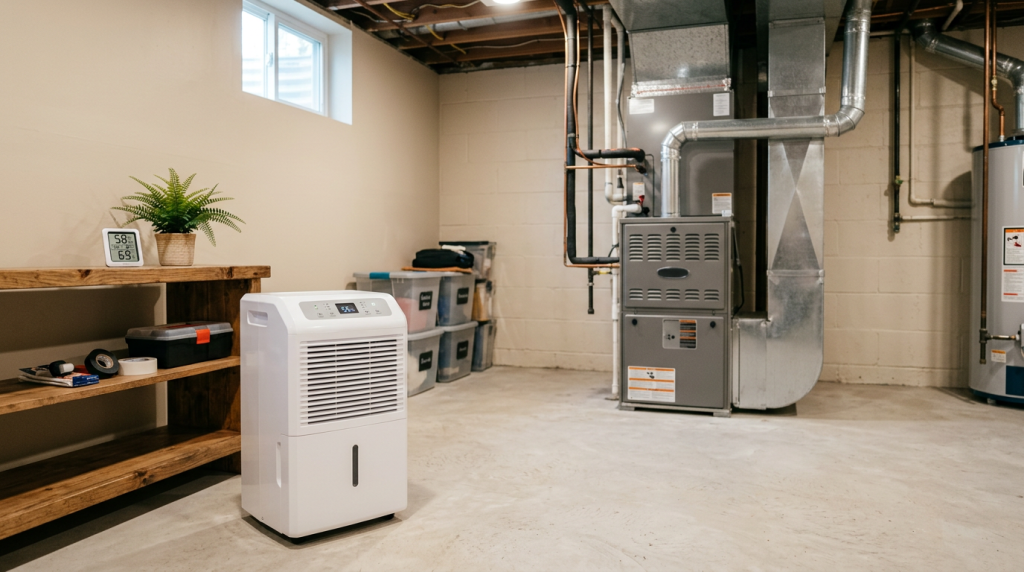
Dehumidifier vs Air Conditioner: Quick Comparison
| Category | Air Conditioner | Dehumidifier |
|---|---|---|
| Main job | Cools the air | Removes excess moisture |
| Cooling ability | Yes | No real cooling |
| Humidity removal | Removes some moisture while cooling | Removes more moisture directly |
| Comfort improvement | Helps with heat and some humidity | Helps with damp, sticky, musty air |
| Energy use | Usually higher when used for cooling large areas | Usually lower than AC, but runs for moisture control |
| Best room types | Bedrooms, living rooms, whole-home cooling zones | Basements, laundry rooms, crawlspace-adjacent rooms, damp rooms |
| Basement use | May help if the basement is warm and conditioned | Often the better tool for damp basements |
| Cost | Higher for central AC or large window/portable units | Usually lower for portable and basement models |
| Portability | Central AC is fixed; window and portable AC units can move somewhat | Portable models are easy to move |
| Maintenance | Filter changes, coil cleaning, drain care, professional service | Emptying tank, cleaning filter, drain hose care |
| When to call a pro | Poor cooling, short cycling, refrigerant concerns, electrical issues | Persistent humidity, water intrusion, HVAC sizing or drainage concerns |
What an Air Conditioner Actually Does
An air conditioner is designed to remove heat from indoor air. As warm indoor air passes over the cold evaporator coil, the air cools down. Moisture in that air can also condense on the coil and drain away.
That means an air conditioner does help with humidity, but humidity removal is not always its main strength. Its first job is cooling.
An air conditioner is usually the better choice when:
- The room feels hot.
- Indoor temperatures are uncomfortable.
- You need whole-home cooling.
- Bedrooms are too warm for sleeping.
- The home already has good moisture control, but not enough cooling.
- You want one system to handle cooling across several rooms.
A properly working AC should make the home feel cooler and less sticky. But if the air still feels damp even when the temperature is comfortable, the AC may not be solving the whole problem.
What a Dehumidifier Actually Does
A dehumidifier is designed to remove moisture from the air. It pulls in humid air, removes water from it, and releases drier air back into the room.
A dehumidifier may make a room feel more comfortable, but it does not cool the room the way an air conditioner does. In fact, many dehumidifiers add a small amount of warmth to the room while they run.
A dehumidifier is usually the better choice when:
- The room feels damp but not especially hot.
- A basement smells musty.
- Windows or pipes have condensation.
- Stored items feel damp.
- You see signs of mildew.
- The humidity level stays high even when the AC is running.
- You want targeted moisture control in one problem area.
Portable dehumidifiers are useful for bedrooms, bathrooms, laundry rooms, and small damp spaces. Larger basement dehumidifiers are better for bigger areas or rooms with steady moisture problems.
Cooling Ability
This is the biggest difference between the two.
An air conditioner cools the air. A dehumidifier does not.
A dehumidifier can make a damp room feel less heavy or sticky, but it will not lower the temperature the way an AC system does. If your main complaint is heat, a dehumidifier will probably disappoint you.
Choose based on the main comfort problem:
- If the room is hot, use an air conditioner.
- If the room is damp, use a dehumidifier.
- If the room is hot and damp, you may need both.
- If the whole house is hot and humid, the AC system may need attention.
This is where many homeowners get frustrated. They buy a dehumidifier expecting it to act like a small air conditioner. It will not. It can improve moisture comfort, but it is not a cooling system.
Humidity Removal
Both appliances can remove moisture, but they do it differently.
An air conditioner removes some moisture while it cools. This happens naturally as warm air passes over the cold coil. The moisture condenses and drains away.
A dehumidifier focuses directly on moisture removal. That makes it a better tool for damp rooms, musty basements, and spaces where humidity is the main issue.
A dehumidifier may help more when you notice:
- A clammy feeling even when the room is not hot.
- Musty smells.
- Damp cardboard boxes.
- Condensation on windows.
- Moisture on cold surfaces.
- Humidity readings above the comfortable range.
- Basement air that feels heavy or stale.
A simple humidity gauge can help you stop guessing. Many homeowners are surprised to learn that a room can feel uncomfortable because of moisture, not just temperature.
Comfort: Temperature vs Moisture
Comfort is not only about the number on the thermostat. A room can be 72 degrees and still feel uncomfortable if the humidity is too high.
High humidity makes sweat evaporate more slowly from your skin. That can make the room feel warmer than it actually is. This is why a damp house can feel sticky even when the AC is running.
A dehumidifier can help the air feel lighter and more comfortable. It may also let you keep the thermostat slightly higher while still feeling comfortable. But it should not be treated as a replacement for air conditioning.
Energy Use
Energy use depends on the size of the appliance, how often it runs, the room conditions, and how well the home is sealed.
An air conditioner usually uses more energy because it is actively cooling the air. Central AC systems can cool an entire home, but that also means they are doing a larger job.
A dehumidifier usually uses less energy than a central AC system, but it can still add to your electric bill if it runs all day. Basement dehumidifiers, in particular, may run often during humid seasons.
To keep energy use under control:
- Use the right-size unit for the room.
- Set a reasonable humidity target.
- Clean the filter regularly.
- Keep doors and windows closed while the unit runs.
- Use a drain hose for steady operation in damp areas.
- Check that the AC filter is clean.
- Avoid using a dehumidifier to solve a cooling problem.
A smart thermostat with a humidity display can also help you track indoor conditions. It will not fix humidity by itself, but it can help you spot patterns.
Best Room Types for Each Appliance
Air conditioners and dehumidifiers work best in different situations.
An air conditioner is best for living spaces where temperature is the main issue. A dehumidifier is best for spaces where moisture is the main issue.
Air conditioners are usually best for:
- Bedrooms.
- Living rooms.
- Home offices.
- Main floors.
- Finished spaces that get too hot.
- Whole-home comfort when connected to ductwork.
Dehumidifiers are usually best for:
- Basements.
- Laundry rooms.
- Storage areas.
- Crawlspace-adjacent rooms.
- Damp bedrooms.
- Bathrooms with poor ventilation.
- Rooms with musty odors.
If a room is both hot and humid, start by thinking about whether the room needs cooling, moisture control, or both.
Basement Use
Basements are one of the most common places where homeowners compare a dehumidifier vs air conditioner.
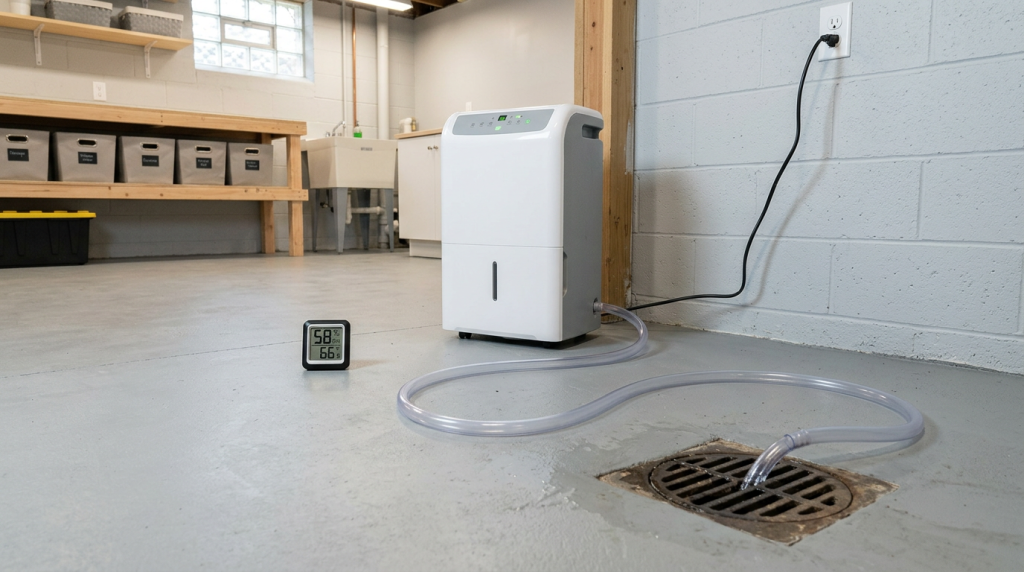
In many cases, a dehumidifier is the better basement tool. Basements often stay cooler than the rest of the house, but they can still feel damp because they are below grade and surrounded by soil. Running more AC may not solve that problem.
A basement dehumidifier can help control damp air, reduce musty smells, and protect stored items from moisture. For steady use, a drain hose is much easier than emptying a water tank every day.
If the dehumidifier needs to drain upward to a sink, laundry drain, or other higher drain point, a condensate pump may be needed. This allows collected water to be pumped away instead of relying only on gravity.
Cost Differences
A dehumidifier is usually less expensive than adding or replacing an air conditioning system. Portable dehumidifiers are often one of the simpler moisture-control purchases a homeowner can make.
Air conditioners vary widely in cost. A small window unit costs much less than central AC. A full HVAC system repair or replacement can be a major expense.
Think about cost in terms of the problem:
- Do not buy a dehumidifier if the real issue is a broken AC system.
- Do not run the AC colder just to fix a damp basement.
- Do not ignore high humidity if it is damaging stored items.
- Do not assume the cheapest unit is the best fit for a large damp space.
- Do not keep replacing small appliances if the home has a bigger moisture or HVAC problem.
A basic humidity gauge is a low-cost way to confirm whether humidity is actually the issue before buying a larger appliance.
Portability
Dehumidifiers are usually easier to move than air conditioners. A portable dehumidifier can be moved from a basement to a laundry room, bedroom, or storage area as needed.
Window AC units can be moved, but they are heavier and need proper window installation. Portable AC units are easier to move than window units, but they still need venting to the outside.
Central AC is not portable at all. It is part of the home’s HVAC system.
For homeowners who need targeted moisture control, a portable dehumidifier is often the simpler option.
Maintenance Differences
Both appliances need regular maintenance to work well.
An air conditioner needs clean air filters, clear airflow, proper drainage, and safe electrical operation. Central AC systems also need periodic professional service.
A dehumidifier needs a clean filter, a clean water bucket, and a clear drain path if a hose is attached. If the unit has a pump, that pump also needs to stay clean and unobstructed.
Basic maintenance supplies that can help include:
- Replacement air filters.
- A soft brush or vacuum attachment.
- Mild cleaner for removable buckets.
- A drain hose.
- A condensate pump for certain setups.
- A humidity gauge.
- Basic gloves and towels for cleanup.
For a simple homeowner-safe tool list, see our guide to the best HVAC maintenance tools for homeowners before buying extra maintenance supplies.
Never open sealed HVAC components, handle refrigerant, bypass safety switches, or work on live electrical parts. Those are jobs for a qualified professional.
When You May Need a Dehumidifier Even If the AC Is Working
A working AC does not always mean the home has perfect humidity control. Some homes still need extra moisture control in certain areas.
This is especially common in basements, older homes, tightly sealed homes, homes with poor bathroom ventilation, and homes in humid climates.
You may still need a dehumidifier if:
- The AC cools the house, but the air still feels sticky.
- The basement smells musty.
- Humidity is high in one area of the home.
- The thermostat says the temperature is fine, but the room feels damp.
- Stored items in the basement feel soft or damp.
- You see light condensation on windows or cold surfaces.
- The AC does not run long enough to remove much moisture.
This can happen when the AC reaches the set temperature quickly but does not run long enough to pull much moisture out of the air. A dehumidifier can help with this kind of targeted moisture problem.
When Humidity Problems May Point to an HVAC Issue
Sometimes a humidity problem is not just a sign that you need a dehumidifier. It may point to an issue with the HVAC system or the home itself.
If the whole house feels humid even when the AC is running, pay attention. The AC may be oversized, short cycling, draining poorly, low on performance, or struggling with airflow.
If the system is running but the house still feels warm or humid, this guide to a home AC running but not cooling can help you check the next likely causes.
Humidity problems may point to an HVAC issue if:
- The AC runs but does not cool well.
- The AC turns on and off very quickly.
- Some rooms are cool while others stay warm and humid.
- The air filter is very dirty.
- Water is leaking around the indoor unit.
- The condensate drain keeps clogging.
- The home feels humid no matter how low you set the thermostat.
- The AC used to control humidity better than it does now.
A clean air filter is a good first step, but it is not a full diagnosis. If the system is not cooling properly, has drainage problems, or may involve refrigerant, call an HVAC professional.
When to Call an HVAC Professional
A dehumidifier can help with many room-level moisture problems, but it is not a cure for every comfort issue.
Call an HVAC professional when the problem seems connected to the cooling system, ductwork, drainage, or electrical components. It is also smart to call when humidity problems affect the whole house instead of one room.
Call a professional if you notice:
- Weak airflow from vents.
- AC running constantly without cooling.
- AC short cycling.
- Ice on the AC equipment.
- Water leaking near the indoor unit.
- A clogged or overflowing condensate drain.
- Burning smells or electrical concerns.
- Repeatedly high indoor humidity throughout the home.
- Comfort problems that keep coming back after basic maintenance.
A professional can check system sizing, airflow, drainage, refrigerant-related issues, thermostat settings, and other causes that are not safe or practical for a homeowner to handle.
Product Choices That Make Sense
This type of problem often leads homeowners to buy the wrong product. The best choice depends on the room and the symptom.
Useful product options may include:
- Portable dehumidifiers for damp bedrooms, laundry rooms, or small spaces.
- Basement dehumidifiers for larger below-grade areas.
- Drain hoses for continuous draining.
- Condensate pumps when water must drain upward.
- Humidity gauges for checking actual moisture levels.
- Smart thermostats with humidity display for whole-home tracking.
- Air filters to support proper HVAC airflow.
- Basic maintenance supplies for cleaning buckets, filters, and drain areas.
For most damp basements, our preferred starting point is a right-sized basement dehumidifier with continuous drain hose support, because it solves the moisture problem more directly than running the air conditioner colder.
The goal is not to buy more equipment than you need. The goal is to match the tool to the problem.
Simple Decision Guide
A good way to decide is to start with what feels wrong in the room.
Use this simple homeowner rule:
- Hot room: air conditioner.
- Damp room: dehumidifier.
- Hot and damp room: possibly both.
- Damp basement: usually dehumidifier first.
- Whole house humid with AC running: check the HVAC system.
- Musty smell with normal temperature: check humidity and moisture sources.
- Poor cooling plus high humidity: call an HVAC professional.
This keeps the decision practical. A dehumidifier helps with moisture. An air conditioner helps with heat. They overlap a little, but they are not the same appliance.
Final Thoughts
The main difference between a dehumidifier and an air conditioner is simple: an air conditioner cools the air and removes some moisture, while a dehumidifier removes moisture but does not replace central AC.
For hot rooms, air conditioning is the right tool. For damp rooms, musty basements, and sticky air, a dehumidifier may be the better choice. In some homes, both are useful because they solve different parts of the comfort problem.
If one room is damp, start by checking the humidity and using the right-size dehumidifier. If the whole house is humid even though the AC is running, the issue may be with the HVAC system, airflow, drainage, or equipment sizing. That is the point where a professional inspection is worth it.