
GFCI Outlet keeps tripping: causes homeowners should know
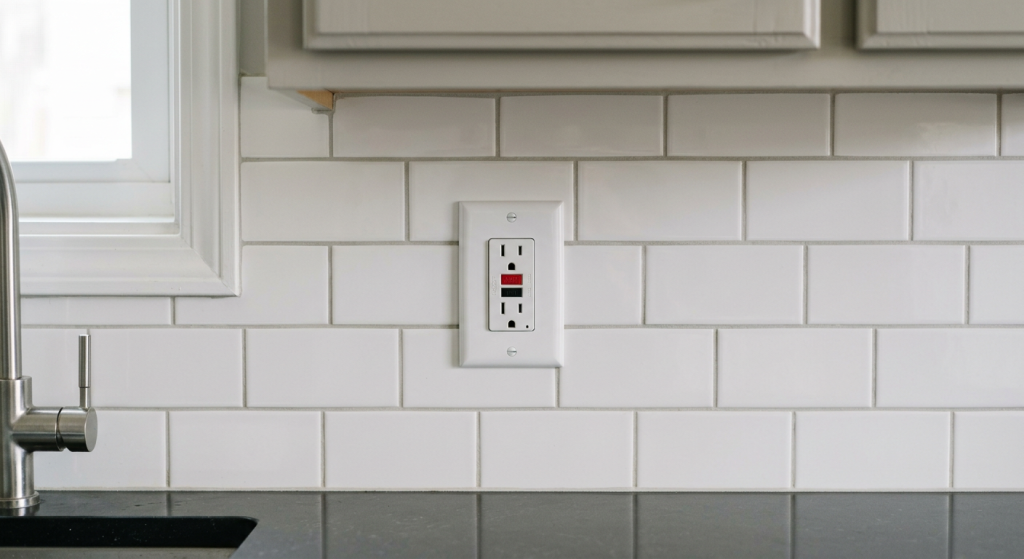
GFCI outlet keeps tripping is usually a warning sign, not just an annoying outlet problem. A GFCI outlet is designed to shut off power when it detects a possible ground-fault risk, which can happen when electricity may be taking an unsafe path, often around moisture or a faulty device.
If a GFCI outlet keeps tripping, do not keep resetting it over and over. Repeated tripping means the outlet, device, moisture, or wiring needs attention.
This guide focuses on beginner-safe checks only. You should not open the outlet, touch wires, remove covers, test live wiring, or bypass the GFCI. Your job is to observe, unplug, dry obvious damp areas, test safely, and know when to stop.
| What you notice | Safe first check | What it may mean | What to do next |
|---|---|---|---|
| Trips after rain or outdoor use | Look for obvious moisture | Weather exposure or damp box area | Stop using until dry; call an electrician if it repeats |
| Trips when one appliance is plugged in | Unplug that device | Appliance, cord, or plug problem | Do not keep using that device |
| Trips with nothing plugged in | Check nearby protected outlets | Downstream issue or wiring problem | Call an electrician |
| Outlet feels hot, smells, sparks, or buzzes | Do not reset it | Possible serious electrical fault | Stop using it immediately |
GFCI Outlet Keeps Tripping: Start With Safety
A GFCI outlet protects people, not just equipment. You commonly see GFCI protection in bathrooms, kitchens, garages, basements, laundry areas, outdoors, and other places where water and electricity may be close together.
A normal breaker mainly protects wiring from overloads and short circuits. A GFCI watches for a difference between power going out and power coming back. When that difference suggests electricity could be leaking somewhere unsafe, the GFCI trips and cuts power.
That is why repeated tripping should not be treated like a loose button. Resetting once may be reasonable after a known cause, such as a damp appliance being unplugged. Resetting again after checking that the outlet is dry and undamaged may also be okay. But if it trips repeatedly, stop.
Stop using the outlet right away if you notice:
- Burning smell, smoke, sparks, or popping
- Heat, buzzing, or crackling from the outlet
- Brown, black, or melted-looking discoloration
- Water on or near the outlet
- Tripping that affects more than one outlet
- A GFCI that will not reset or trips immediately
These are not beginner repair situations. Do not remove the cover, open the outlet, or try to “see what is going on” inside.
If the problem is outside or happens after rain, this guide on outdoor GFCI outlet keeps tripping explains how moisture and weather can affect the outlet.
Check for Moisture, Outdoor Exposure, or Damp Areas
Moisture is one of the most common reasons a GFCI trips. Bathrooms, kitchens, laundry rooms, garages, basements, and outdoor areas all create conditions where dampness can reach plugs, cords, outlet faces, or connected devices.
For outdoor outlets, rain, melting snow, sprinklers, pressure washing, wet extension cords, and uncovered plugs can all cause trouble. Even if the outlet looks dry from the front, moisture may still be present around the box, cover, connected cord, or downstream outlet.
Inside the home, check for simple visible causes. A bathroom outlet may trip after steam, splashing, a hair dryer used near a wet counter, or a device stored while damp. A kitchen GFCI may trip near a sink, coffee maker, dishwasher area, or countertop appliance.
Safe moisture checks homeowners can make:
- Look for visible water, dampness, or condensation near the outlet
- Unplug nearby devices before touching anything else
- Let damp areas dry fully before trying a reset
- Do not use the outlet if the face is wet or damaged
- Do not use wet extension cords, outdoor tools, or holiday lights
- Call an electrician if outdoor tripping returns after the area dries
Never reset a GFCI while standing in water or touching a wet plug. If water may have entered the outlet, box, or wall, leave it alone and have it checked.
Unplug Devices and Test One Item at a Time
A GFCI may be doing its job because something plugged into it has a problem. The issue may be a small appliance, power tool, charger, lamp, extension cord, outdoor decoration, hair dryer, coffee maker, or anything else connected to that protected circuit.
Start by unplugging everything from the tripped GFCI and from any nearby outlets that may be protected by the same GFCI. Some GFCI outlets protect other outlets downstream, so the problem may not be plugged into the GFCI face itself.
After the area is dry, cool, and undamaged, press reset once. If it holds, plug in one small known-good device, such as a basic lamp or phone charger that works normally elsewhere. Avoid using a high-draw appliance for this first check.
If the GFCI trips only when one particular device is plugged in, stop using that device on that outlet. If the same device trips another GFCI in a different safe location, the device, plug, or cord may be the problem.
A damaged cord can also cause tripping. Look for obvious cuts, crushed spots, loose plugs, burn marks, or exposed inner wiring. Do not repair a damaged cord with tape and keep using it near a GFCI. Replace the device cord only if it is designed for safe replacement, or stop using the device.
Be careful with power strips and extension cords. They can make it harder to identify the actual problem and may add too many devices to one area. GFCI tripping is not always the same as a simple overload, but too many devices, damp cords, or failing equipment can still create unsafe conditions.
When Resetting the GFCI Is Not Enough
A GFCI that resets once and stays on after a damp device is removed may not need more action. But a GFCI that keeps tripping is different. Repeated trips mean the cause is still present, or the GFCI itself may be worn, damaged, or connected to a larger issue.
Older GFCI outlets can fail over time. The buttons may feel loose, the outlet may not hold a reset, or the device may trip with no clear load plugged in. That does not mean the homeowner should replace it as a casual project. GFCI replacement involves wiring and should be handled by someone qualified if you are not trained and comfortable with electrical work.
Downstream outlets can also confuse the situation. One GFCI in a bathroom, garage, basement, kitchen, or exterior location may protect several other outlets. A problem at one of those outlets may trip the GFCI even when nothing is plugged into the GFCI outlet itself.
Resetting is not enough when:
- The GFCI trips immediately after reset
- It trips with nothing plugged in
- It trips again after the area is dry
- A different outlet loses power at the same time
- The outlet looks damaged or discolored
- You cannot identify a safe, obvious cause
A plug-in GFCI or outlet tester may be a homeowner-safe observation tool only when the outlet is dry, cool, undamaged, and not showing warning signs. It should not be used to investigate a hot, wet, buzzing, sparking, or visibly damaged outlet. A tester can suggest a problem, but it does not make hidden wiring safe to diagnose yourself.
What Homeowners Should Not Touch
Electrical problems are easy to underestimate because the outlet is small and familiar. But a tripping GFCI may point to moisture, damaged equipment, a failing outlet, incorrect wiring, or a problem elsewhere on the circuit.
Homeowners can safely unplug devices, look for obvious moisture, check for visible cord damage, and stop using the outlet. That is where the beginner-safe work should end.
Do not remove the outlet cover to inspect wiring. Do not pull the outlet out of the wall. Do not touch terminals, screws, wires, or anything inside the box. Do not use a meter on live wiring unless you are trained to do so. Do not open the electrical panel, replace breakers, change outlet wiring, or increase circuit amperage.
Also do not bypass GFCI protection. A GFCI that trips in a bathroom, kitchen, garage, basement, laundry area, or outdoor location is protecting against a real shock hazard. Swapping to a regular outlet, using adapters to avoid protection, or moving wet-use equipment to an unprotected outlet can make the situation more dangerous.
Hidden wiring problems are not beginner DIY repairs. If the issue is inside the wall, inside the outlet box, in a downstream outlet, or at the panel, it belongs with a licensed electrician.
When to Call an Electrician
Call a licensed electrician when the cause is not obvious, when the outlet trips repeatedly, or when anything about the situation feels unsafe. This is especially important if the GFCI serves outdoor outlets, garage outlets, bathroom outlets, kitchen counters, laundry equipment, sump pump areas, or basement outlets.
Call an electrician if you see or suspect:
- Burning smell, sparks, buzzing, heat, or discoloration
- Repeated tripping after devices are unplugged
- Tripping when the outlet is dry and unused
- More than one outlet or room affected
- Water intrusion near the outlet or wall
- Old, damaged, loose, or unreliable GFCI buttons
When you call, describe what happens in plain terms: where the GFCI is, what was plugged in, whether it trips immediately or after a delay, whether rain or moisture was involved, and whether other outlets lost power. That information helps the electrician narrow the problem without you opening anything.
If the outlet will not reset after a trip, this beginner-safe guide on why a GFCI outlet will not reset can help you understand when to stop checking and call a pro.
Final Thoughts
A GFCI outlet keeps tripping because something needs attention: moisture, a plugged-in device, a damaged cord, an overloaded or problem setup, an aging GFCI, a downstream outlet, or hidden wiring. Start with safe checks only. Unplug devices, look for obvious moisture, let damp areas dry, and test one known-good small device only when the outlet is dry and undamaged.
Do not keep resetting a GFCI that trips over and over, and never bypass the protection. When the cause is not simple and visible, the safest next step is to stop using the outlet and call a licensed electrician.