
how often should you test gFCI outlets?
If you are wondering how often to test GFCI outlets, a good homeowner routine is about once a month. Always follow the outlet or manufacturer instructions if they give a different schedule. You should also test a GFCI outlet after a power outage, after a storm, or anytime the outlet acts unusual.
GFCI outlets are designed to reduce shock risk in areas where electricity and moisture may be close together. Testing them from the outlet face is a simple maintenance habit, but it is not a repair method. If a GFCI outlet will not trip, will not reset, trips again right away, feels hot, smells burnt, buzzes, sparks, shows damage, or has moisture nearby, stop using it and call an electrician.
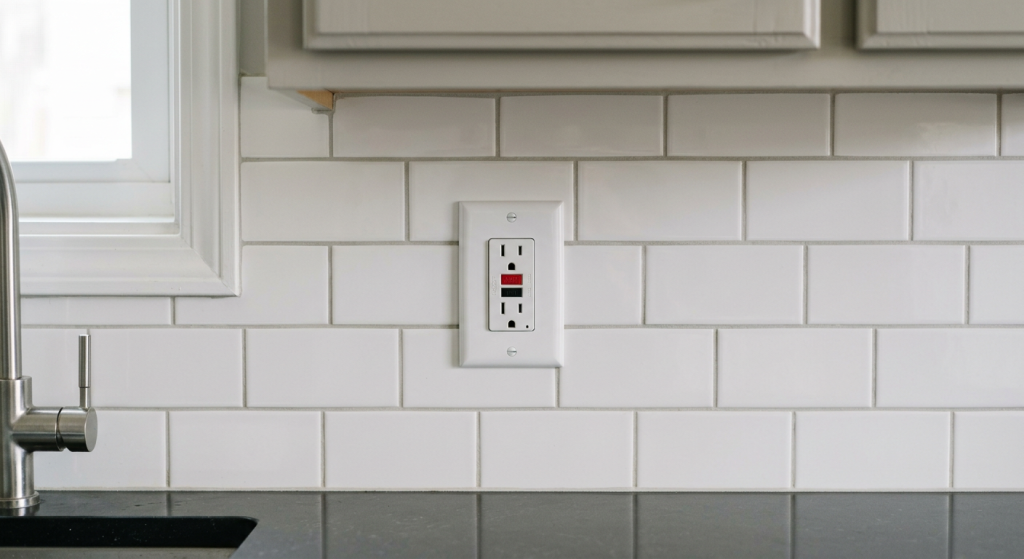
How Often to Test GFCI Outlets
Most homeowners should test GFCI outlets about once a month. That schedule is easy to remember and helps you catch a GFCI that no longer responds the way it should.
A practical answer to how often to test GFCI outlets is this: make it part of your monthly home maintenance routine, especially in bathrooms, kitchens, garages, basements, laundry areas, and outdoor locations. These are the places where GFCI protection is most important because moisture is more likely.
Some GFCI outlets have instructions printed on the face or included with the product. If the instructions call for a different testing schedule, follow those directions. The monthly routine is a simple homeowner baseline, not a substitute for the manufacturer’s guidance.
| Testing situation | Recommended timing | Safest next step |
|---|---|---|
| Normal home maintenance | About once a month | Use the TEST and RESET buttons from the outlet face |
| After a storm or power outage | After power is restored | Test only if the outlet is dry and undamaged |
| Outlet trips during use | Before using it again | Reset once from the face; call a pro if it trips again |
| Outlet looks damaged or acts unusual | Do not continue testing | Stop using it and call an electrician |
Monthly testing does not mean taking anything apart. It only means using the buttons on the front of an intact GFCI outlet.
Why Regular GFCI Testing Matters
A GFCI outlet, or ground-fault circuit interrupter, is designed to shut off power quickly when it senses a ground-fault condition. That can help reduce the risk of electric shock, especially in areas where water may be nearby.
The important part for homeowners is simple: a GFCI outlet needs to respond when it is needed. The TEST button gives you a basic way to check whether the outlet trips from the face of the device.
A GFCI can still look normal even if it does not respond correctly. The outlet may have buttons, lights, and power, but that does not guarantee it is working as intended. Regular testing helps you notice a problem before you rely on the outlet near a sink, garage floor, wet patio, or laundry area.
Testing GFCI outlets is also useful because many homes have more than one type of protection setup. Some GFCI outlets protect only themselves. Others may protect additional outlets downstream. In some homes, a GFCI breaker may protect part of a circuit. You do not need to diagnose that layout yourself, but you do need to pay attention when a test does not behave normally.
The goal is not to understand every wiring detail. The goal is to spot when a safety device is not responding and bring in help before using that outlet again.
Which GFCI Outlets to Include in Your Routine
For most homes, how often to test GFCI outlets matters most in areas where water, damp surfaces, outdoor weather, or grounded appliances may be involved. Start with the outlets you can see and safely reach.
Include these common GFCI locations in your routine:
- Bathrooms
- Kitchen counters and island areas
- Garages and unfinished basements
- Laundry rooms and utility sinks
- Outdoor outlets, patios, decks, and porches
- Wet bars, crawl spaces, workshops, and other damp-prone areas
Some outlets may be protected by a GFCI device located somewhere else. For example, one GFCI outlet in a bathroom or garage may control other receptacles nearby. If a regular-looking outlet loses power when a nearby GFCI trips, that may be part of the protected group.
You do not need to map the whole circuit. Just keep a simple list of the GFCI outlets you know about and test the obvious ones monthly. If you are unsure whether an important outlet has GFCI protection, ask an electrician during a service visit.
Outdoor outlets deserve extra caution. Only test them when the area is dry, the cover is intact, and the outlet is not damaged. Do not test an outlet that has standing water nearby, cracked parts, a broken cover, or signs of burning.
Simple Monthly GFCI Test Steps
This routine stays on the outside of the outlet. Do not remove the cover plate, loosen screws, open the box, pull out the outlet, or touch wiring.
Use this outside-only monthly test:
- Plug in a small lamp, nightlight, or simple plug-in device if the outlet is dry and undamaged.
- Press the TEST button on the GFCI outlet face.
- Confirm that power turns off to the plugged-in device.
- Press the RESET button on the outlet face.
- Confirm that power comes back on.
- Stop if anything feels hot, smells burnt, sparks, buzzes, or will not reset normally.
A normal test is simple. The TEST button should trip the outlet, and the plugged-in light or device should turn off. The RESET button should restore power. Some GFCI outlets also have an indicator light, but light behavior can vary by model.
Do not force the buttons. Do not keep pressing TEST and RESET over and over if the outlet does not respond. Do not use a tool to push the buttons. If the buttons stick, feel loose, or do not work normally, stop and call an electrician.
A plug-in GFCI outlet tester can also be used from the outlet face if the outlet area is dry and intact. These testers can make the routine easier, especially if you want a clearer indicator than a lamp or nightlight. Still, the tester does not repair the outlet or fully diagnose the circuit.
If you want a fuller walkthrough of the test itself, this guide on how to test a GFCI outlet explains the safe TEST and RESET button routine.
What If a GFCI Outlet Fails the Test?
A GFCI outlet fails the basic homeowner test when it does not trip, does not shut off power to the plugged-in device, will not reset, trips again right away, or behaves in a way that does not match the outlet instructions.
Do not keep using the outlet just because it still has power. If the TEST button does not shut off power, the GFCI may not be providing the protection you expect. If it will not reset, something may be wrong with the outlet, the circuit, the load, or the wiring. Those are electrician-level checks.
A failed test is not a reason to replace the outlet yourself. It is a reason to stop and call a qualified pro.
Stop using the outlet and call an electrician if:
- The TEST button does nothing
- The outlet will not reset
- The outlet resets but trips again right away
- The outlet feels warm or hot
- You notice sparks, buzzing, smoke, or a burnt smell
- The outlet is cracked, loose, wet, or visibly damaged
Also call a pro if several outlets lose power and you cannot reset the GFCI normally from the face. Do not open the electrical panel, replace breakers, or remove outlet covers to investigate.
If the outlet serves a refrigerator, freezer, sump pump, garage tool, or outdoor device, take the issue seriously. You may need an electrician to confirm whether the outlet, load, or circuit needs attention.
If the outlet will not reset after testing, this guide on GFCI outlet not resetting explains safe checks homeowners can make before calling an electrician.
Tools That Can Make Testing Easier
You do not need a large electrical tool kit to test GFCI outlets safely from the outside. A simple light, nightlight, or plug-in tester is enough for most homeowner checks.
A small lamp or nightlight helps you see whether power turns off when you press TEST and comes back when you press RESET. This is easy, cheap, and beginner-friendly.
A plug-in GFCI outlet tester can give clearer feedback. Many models have indicator lights and a GFCI test button. If you buy one, look for clear lights, a simple printed chart, a safety listing, an easy-grip body, and instructions written for homeowners.
A non-contact voltage tester can be useful as part of a general homeowner electrical safety kit, but it should not be used to open outlets, test exposed wires, or troubleshoot circuits. For this routine, you are only testing from the outlet face.
The best tools are the ones that make you more cautious, not more likely to take electrical devices apart. Keep the routine simple: press the built-in buttons, verify power turns off and back on, and call a pro when the result is not normal.
Final Thoughts
The safest answer to how often to test GFCI outlets is about once a month, unless the manufacturer instructions say otherwise. You should also test after storms, power outages, or unusual outlet behavior, as long as the outlet is dry and undamaged.
Testing GFCI outlets is a simple home maintenance habit. Use the TEST and RESET buttons from the outlet face, confirm that power turns off and returns, and stop if anything does not behave normally.
Do not open outlets, touch wires, replace parts, or bypass GFCI protection. A monthly GFCI test helps you spot warning signs early, but an electrician should handle any failed test, damage, heat, buzzing, sparks, burning smell, moisture concern, or repeated tripping.