Best Raised Garden Bed for Homeowners
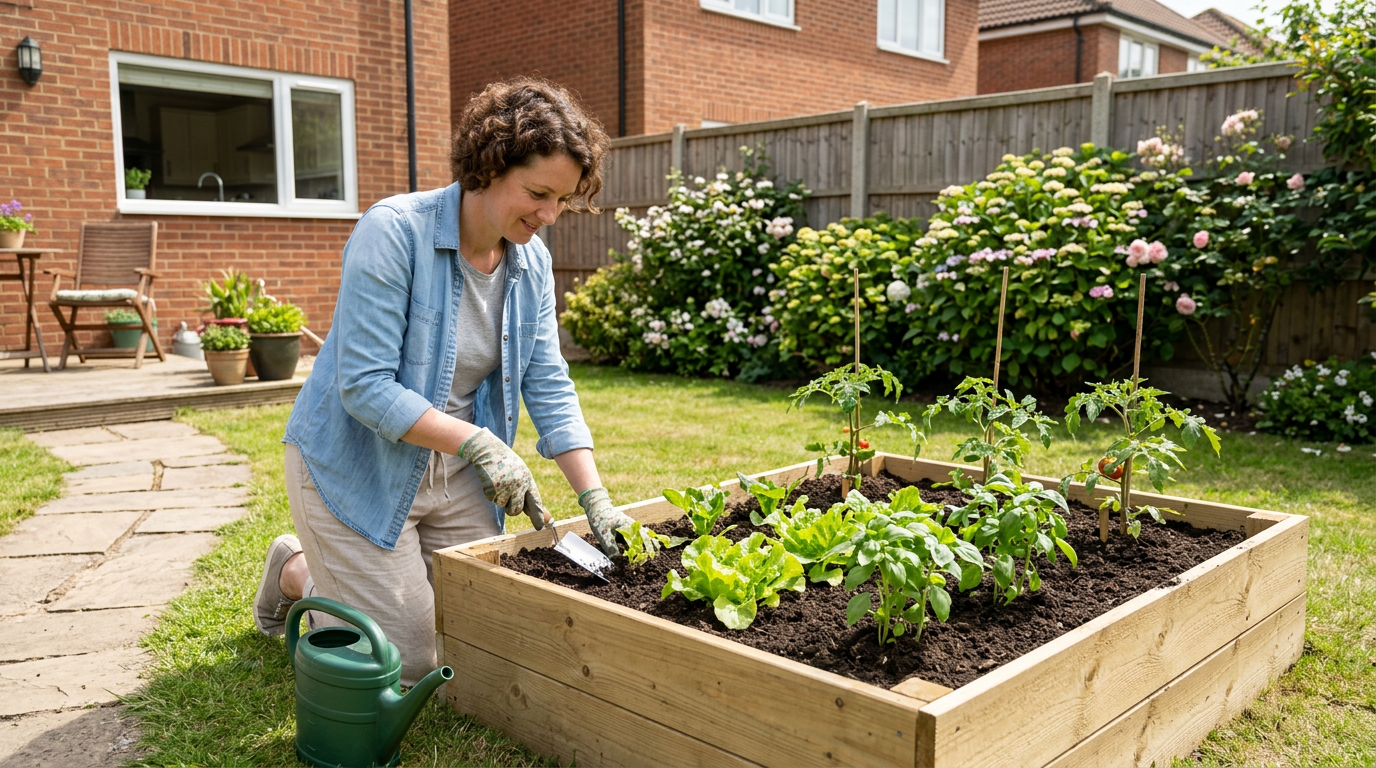
The best raised garden bed is one that fits your available space, provides enough soil depth for what you want to grow, drains properly, and is comfortable to maintain. For many homeowners, a durable metal or wood bed between 3 and 4 feet wide offers a practical balance of growing space and easy access.
There is no single best choice for every yard. Material, bed depth, accessibility, climate, maintenance, soil requirements, and budget all matter, and a compact patio bed may need a very different design from a large vegetable bed in an open backyard.
| Feature | Why it matters | What to look for |
|---|---|---|
| Material | Affects appearance, durability, and maintenance | Metal, wood, composite, or plastic suited to your priorities |
| Width | Determines how easily you can reach plants | Often 3–4 feet when accessed from both sides |
| Length | Controls growing area and yard footprint | Enough space without blocking paths or lawn access |
| Height | Affects soil volume and bending | Match height to crops and accessibility needs |
| Soil depth | Determines rooting space and filling cost | Enough depth for intended plants |
| Drainage | Prevents excess water from collecting | Open or properly drained base appropriate for the location |
| Durability | Affects long-term value | Materials suited to local weather and moisture |
| Assembly | Changes setup difficulty | Manageable parts, hardware, and installation requirements |
| Accessibility | Affects comfort while gardening | Reachable planting area and adequate space around the bed |
| Available yard space | Determines practical bed shape | Measure and mark the full footprint before buying |
What Makes a Good Raised Garden Bed?
A good raised bed fits both the plants and the property.
The bed should be narrow enough that you can reach the planting area without routinely stepping into the soil. For beds accessible from both sides, widths around 3 to 4 feet are often practical. If you can reach the bed from only one side, a narrower design usually makes more sense.
Before choosing a bed, consider:
- What you plan to grow
- How much direct sunlight the location receives
- How far you can comfortably reach
- How much soil the bed will require
- Whether you need mowing or walking clearance around it
- How the material will handle your climate
- Whether you want a permanent or movable setup
Marking the proposed footprint with stakes, string, or another temporary marker can reveal problems that are hard to see from product dimensions alone.
Metal vs Wood vs Composite Raised Beds
Material affects appearance, maintenance, weight, and durability more than almost any other feature.
Metal Raised Beds
Metal beds are a strong choice for homeowners who want low maintenance and long-term durability without building a bed from lumber.
They are often well suited to:
- Vegetable gardens
- Larger permanent beds
- Wet climates where wood deterioration is a concern
- Homeowners who prefer minimal routine maintenance
Metal beds can become warm in direct sun, and edges, fasteners, and panel rigidity deserve attention during selection and assembly.
Wood Raised Beds
Wood provides a traditional garden appearance and blends naturally with landscaping. It can also be easy to work around if you later change the garden layout.
Its main tradeoff is weathering. Soil moisture, rain, and outdoor exposure gradually affect wood, so replacement or maintenance may eventually be necessary.
Wood is a good fit when appearance matters and you are comfortable accepting that maintenance tradeoff.
Composite and Plastic Raised Beds
Composite and plastic designs can offer relatively low maintenance and resistance to rot. They are often lighter than comparable wood beds and may be useful where easy assembly matters.
Quality and structural stiffness vary by design. Larger beds need enough support to resist bowing when filled with wet soil.
For most homeowners, there is no universally superior material. Metal emphasizes durability and low maintenance, wood emphasizes natural appearance, and composite or plastic can offer convenience with less concern about rot.
Choosing the Best Raised Bed Height, Depth, and Size
The dimensions you see in a product listing affect much more than how much planting space you get.
Width and Length
A bed should be sized so you can reach the center without stepping into it. Stepping into a raised bed compacts soil and makes gardening less convenient.
Three- and four-foot widths work well for many beds that can be approached from both sides. Narrower beds are better along fences, walls, and side yards where access is limited.
Length is more flexible. A longer bed increases planting space without making the center harder to reach, but it also requires more yard space and more soil.
Height and Soil Depth
A taller raised bed can reduce bending and provide more soil volume, but those benefits come with a higher filling requirement.
Shallower beds may be adequate for many flowers, herbs, and plants with modest root systems. Deeper-rooted crops may benefit from greater soil depth, especially when the bed sits over a hard surface or poor underlying soil.
Avoid choosing extra height only because a taller bed looks substantial. Every additional inch across a large footprint increases the amount of soil required.
Elevated Beds
Elevated beds raise the entire growing container off the ground on legs or a stand. They can be especially useful for:
- Patios
- Small spaces
- Homeowners who want less bending
- Herbs and compact plants
- Locations where digging into the ground is undesirable
Elevated beds offer less soil volume than many full-size ground-level raised beds, so check the usable planting depth rather than judging only by overall height.
Drainage, Soil, and Placement
A raised garden bed needs a location where excess water can drain without creating another problem.
On ordinary soil, many beds have an open bottom so water can move downward naturally. On patios or other hard surfaces, drainage needs more planning because water must leave the container without pooling where it can cause staining, slippery surfaces, or moisture problems.
Avoid placing a bed where drainage routinely directs water toward the house.
Sunlight is equally important. Match the location to the light requirements of what you intend to grow before filling the bed. A beautifully constructed bed in the wrong location is difficult to move once it contains a large volume of soil.
Soil volume also affects the real purchase cost. A large or deep bed may require far more soil than expected, so calculate the approximate volume before choosing the final size.
For a rectangular bed, soil volume is based on:
Length × width × soil depth
Make sure all measurements use the same units before calculating. You do not necessarily need to fill every raised bed to its full exterior height; usable soil depth depends on the design and planting needs.
Durability, Assembly, and Maintenance
A raised bed should be evaluated as a structure that will remain outdoors while holding a considerable volume of soil.
Before buying, consider:
- How panels or boards connect
- Whether the sides need bracing
- How much assembly is required
- Whether the finished bed can be moved
- How the material handles moisture and sun
- What maintenance will be needed over time
Metal generally requires less material maintenance than wood. Wood will weather naturally and may eventually need repair or replacement. Composite and plastic designs require little protection from rot but should have enough structural support for the intended soil load.
Assemble the bed on reasonably level, stable ground unless its instructions specify another method. Significant grading, drainage changes, or permanent irrigation work can turn a simple raised-bed project into a larger landscaping job.
Best Raised Beds by Gardening Use
Best Raised Bed Type for Vegetables
For a general vegetable garden, prioritize usable soil depth, convenient access, durability, and enough width for productive planting without making the middle unreachable.
A ground-level metal, wood, or composite bed can all work. The right material is less important than choosing suitable dimensions and positioning the bed where the intended crops receive appropriate sunlight.
If you are deciding between a raised bed and planting directly in the yard, see Raised Bed vs In-Ground Garden for Small Backyards.
Best Raised Bed Type for Herbs and Flowers
Herbs and flowers offer more flexibility because many can grow successfully in compact beds.
Smaller ground-level beds and elevated planters can work particularly well around patios, entrances, and outdoor living areas. Choose a size that keeps frequently harvested herbs or maintained flowers easy to reach.
Best Elevated Raised Bed for Easier Access
An elevated design is worth considering when reducing bending is a priority.
Look for a comfortable working height, a stable frame, adequate planting depth, and enough room to stand or move around the planter. Stability becomes especially important after the container is filled with wet soil.
Elevated beds also make good use of patios and other places where a conventional open-bottom bed would be impractical.
Best Raised Garden Bed for Small Backyards
Small yards benefit from careful footprint planning more than from simply buying the smallest bed available.
Compact layouts such as approximately 2-by-4, 3-by-3, or 4-by-4 feet can provide useful planting space without taking over the yard. The exact size matters less than whether you can reach the plants and still move comfortably around the bed.
Before ordering, mark the planned footprint and check:
- Access to every side you intend to use
- Available sunlight
- Mower clearance
- Walking routes
- Doors, gates, and utilities
- Soil volume
- Drainage
- Nearby patios or side-yard traffic
A 4-by-4 bed may look compact on paper but can feel large in a narrow yard once you include working space around it.
Modular beds are especially useful in small backyards because their shape can sometimes be adapted to awkward spaces. Long narrow layouts can fit side yards, while compact square beds work well where lawn space is limited.
For patios and very tight spaces, an elevated planter may preserve useful floor area while keeping the planting zone easy to access.
If watering will be automated or semi-automated, the choice of system is a separate decision. See Soaker Hose vs Drip Irrigation: Which Is Better? for a comparison.
When Modular Beds Make Sense
A modular raised bed consists of sections that can be arranged into different dimensions or shapes.
This style can be useful when:
- The available space is irregular
- You expect the garden layout to change
- A standard rectangular bed wastes usable space
- You want to expand in stages
- You need a narrow bed along a fence or side yard
Modularity does not eliminate the need to plan access. Avoid creating a bed so wide or complicated that plants in the middle become difficult to reach.
Also consider whether additional connections create more assembly work or potential weak points. The final layout should be stable after it is filled.
Raised Beds on Patios, Decks, and Hard Surfaces
Patios can be excellent locations for elevated planters and smaller contained beds, provided drainage has somewhere safe to go.
Decks require more caution. Soil is heavy, and wet soil adds a substantial load that may be concentrated over a relatively small area. Do not assume a deck can support a large raised bed simply because there is physical room for it.
If you are considering a substantial soil-filled bed on a deck and its load capacity is uncertain, have the structure evaluated before installation.
For patios and other hard surfaces, favor contained or elevated designs intended for that use rather than improvising a ground-level bed that cannot drain properly.
Common Raised Garden Bed Buying Mistakes
Many raised-bed problems begin with choosing a size or location before considering how the bed will actually be used.
Avoid these common mistakes:
- Buying a bed that is too wide. You should not need to step into the soil to reach the center.
- Ignoring soil cost. Large, deep beds can require a significant amount of fill.
- Choosing height without considering volume. Taller beds are easier to access but take more material to fill.
- Forgetting walking and mowing space. Leave enough clearance to maintain the surrounding yard.
- Picking the location before checking sunlight. Match the site to the plants you intend to grow.
- Ignoring drainage. Water should not collect against the house or create problems on hard surfaces.
- Choosing material on appearance alone. Consider weather exposure and future maintenance.
- Assuming the bed can go on a deck. Large soil-filled containers can create significant structural loads.
- Skipping a footprint test. Mark the bed dimensions before ordering so you can judge how it affects the yard.
How to Choose the Right Raised Bed for Your Property
Use a simple decision process before comparing specific beds.
- Decide what you expect to grow.
- Choose a location with suitable sunlight.
- Measure the available space.
- Mark the proposed bed footprint on the ground.
- Leave enough room for walking, mowing, and gardening access.
- Choose a width you can comfortably reach across.
- Select the soil depth needed for your planting plans.
- Compare metal, wood, and composite options based on maintenance and durability.
- Estimate how much soil the bed will require.
- Confirm how the bed will drain and where excess water will go.
- Consider an elevated or modular design if accessibility or limited space is a priority.
- Check that the finished setup fits your overall budget, including soil and any watering equipment.
This process may lead one homeowner to a durable metal vegetable bed, another to a natural-looking wood bed, and another to a small elevated planter on a patio. The best choice is the one that fits both the garden and the property.
Final Thoughts
Choose a raised garden bed by starting with space, access, soil depth, and intended plants rather than material or appearance alone. Metal is a practical low-maintenance option, wood offers a natural look, and elevated or modular designs can solve accessibility and space problems.
Measure and mark the footprint before buying, account for the soil needed to fill it, and make sure sunlight, drainage, and surrounding access work with the location. Those decisions usually matter more than any single bed style or brand.