Home Repairs
Home Repairs
Start with the problem—not a guessed repair.
Choose the symptom you are seeing, make the safe checks that fit the situation, and learn what the likely causes mean before buying parts, opening equipment, or calling a professional.
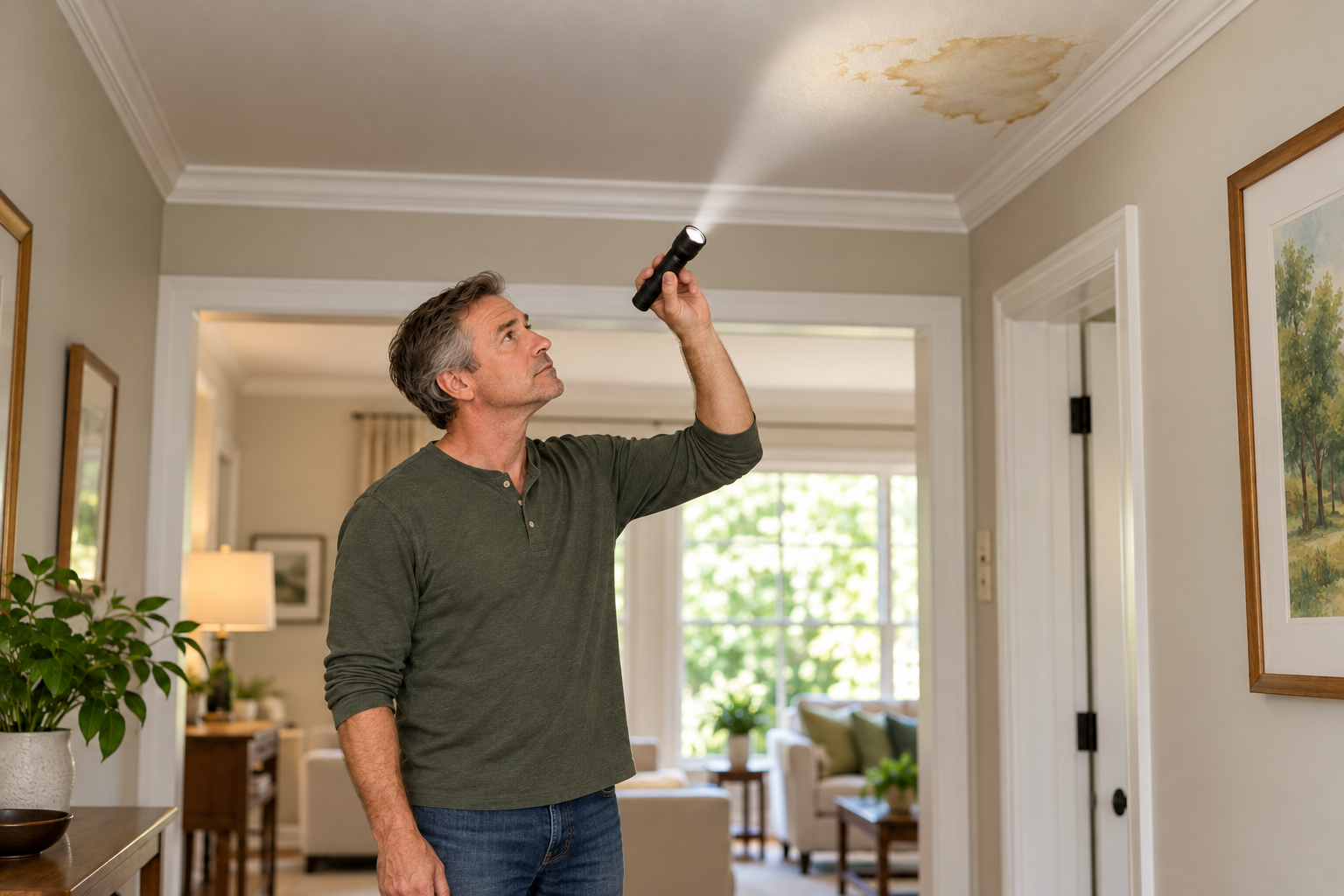
What is happening?
Find repair guidance by symptom
Many home problems have more than one possible cause. Begin with the closest symptom below, then use the detailed guide to narrow the possibilities without taking unnecessary risks.
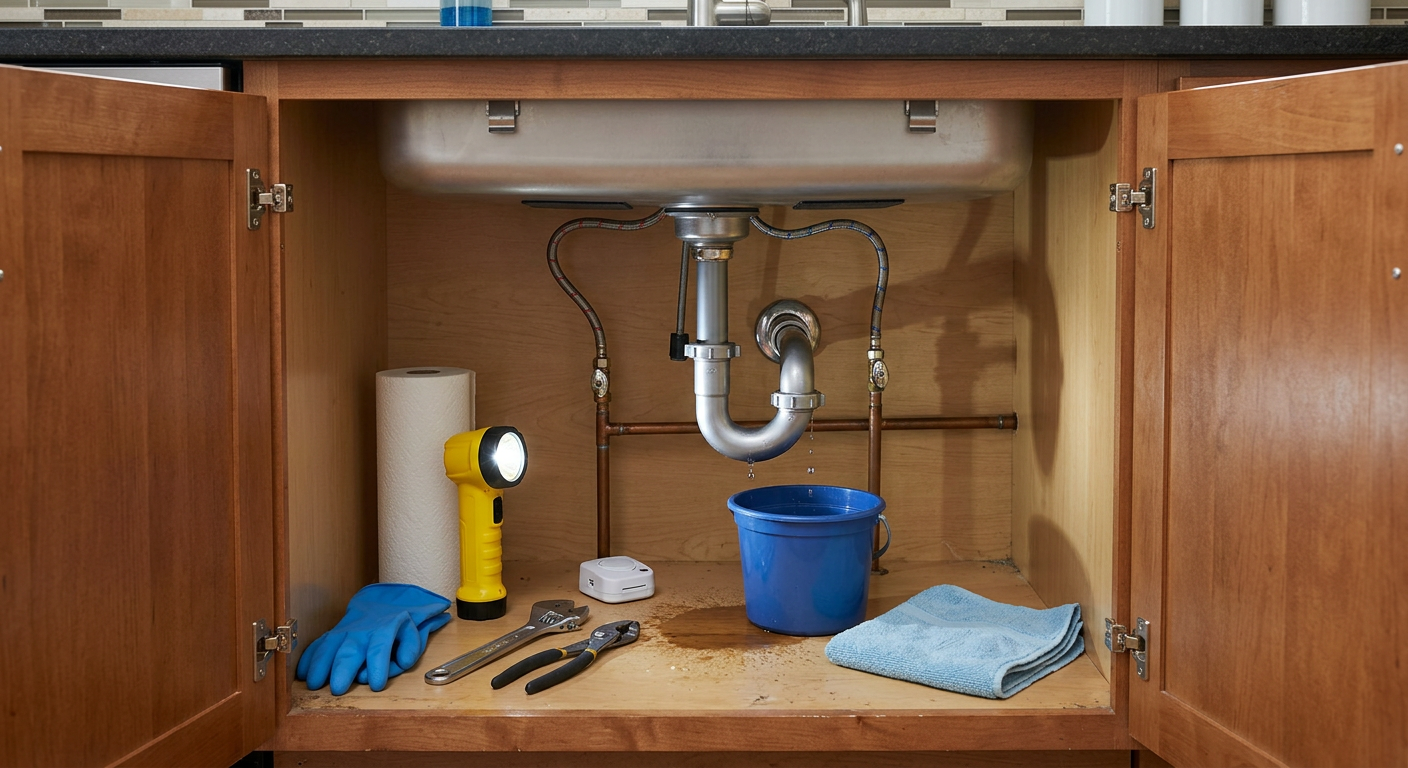
Water, leaks, or dampness
Trace visible water, recurring moisture, damp smells, and leaks that appear during rain or plumbing use.
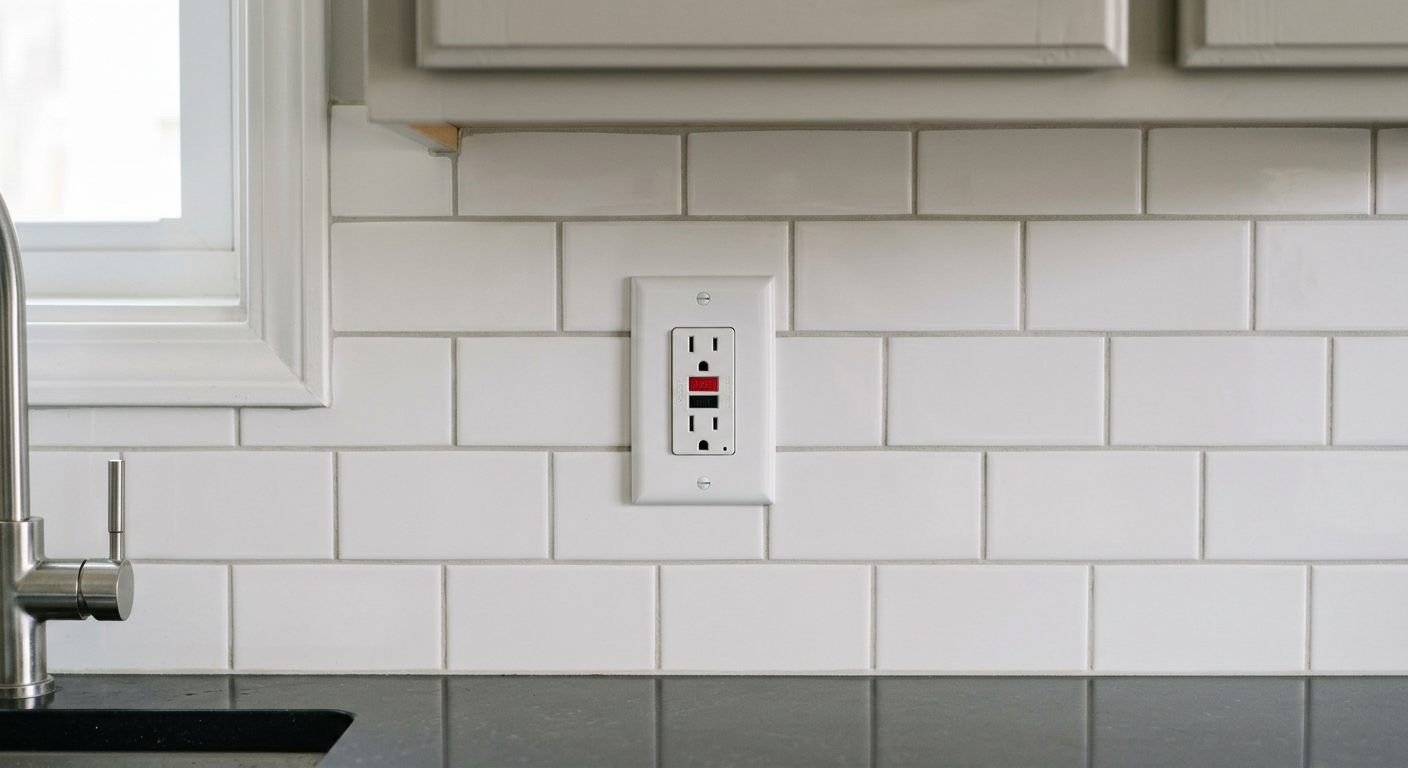
Power, outlets, or breakers
Use cautious first checks for lost power, protective-device trips, and warning signs that require an electrician.
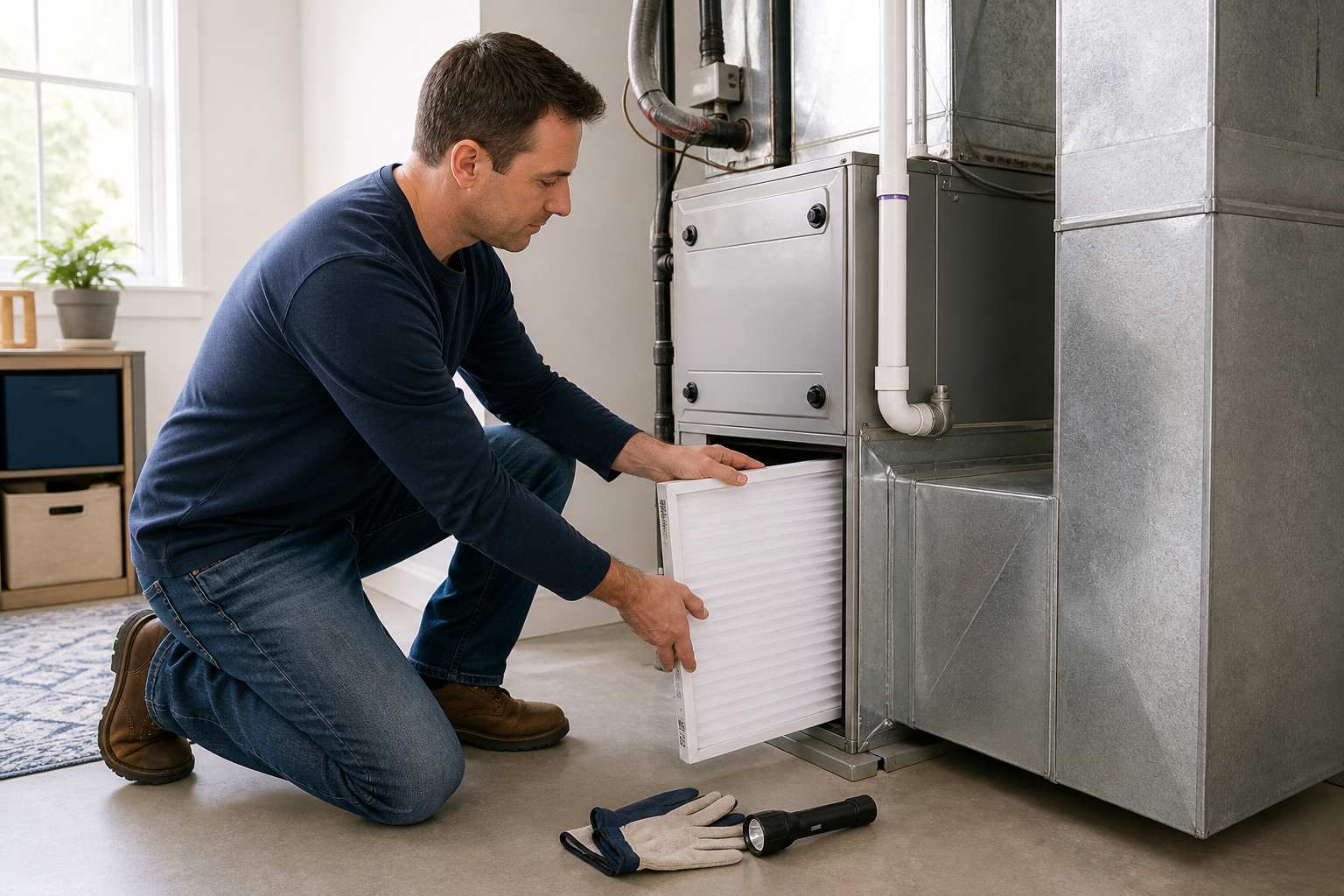
Heating or cooling trouble
Start with controls, airflow, filters, and other accessible checks when the home is too hot, too cold, or uneven.
Drains, toilets, or faucets
Work from the symptom—slow flow, gurgling, poor filling, dripping, or weak pressure—to the most likely causes.
Appliance problems
Separate simple maintenance and setup issues from component failures, leaks, or symptoms that need service.
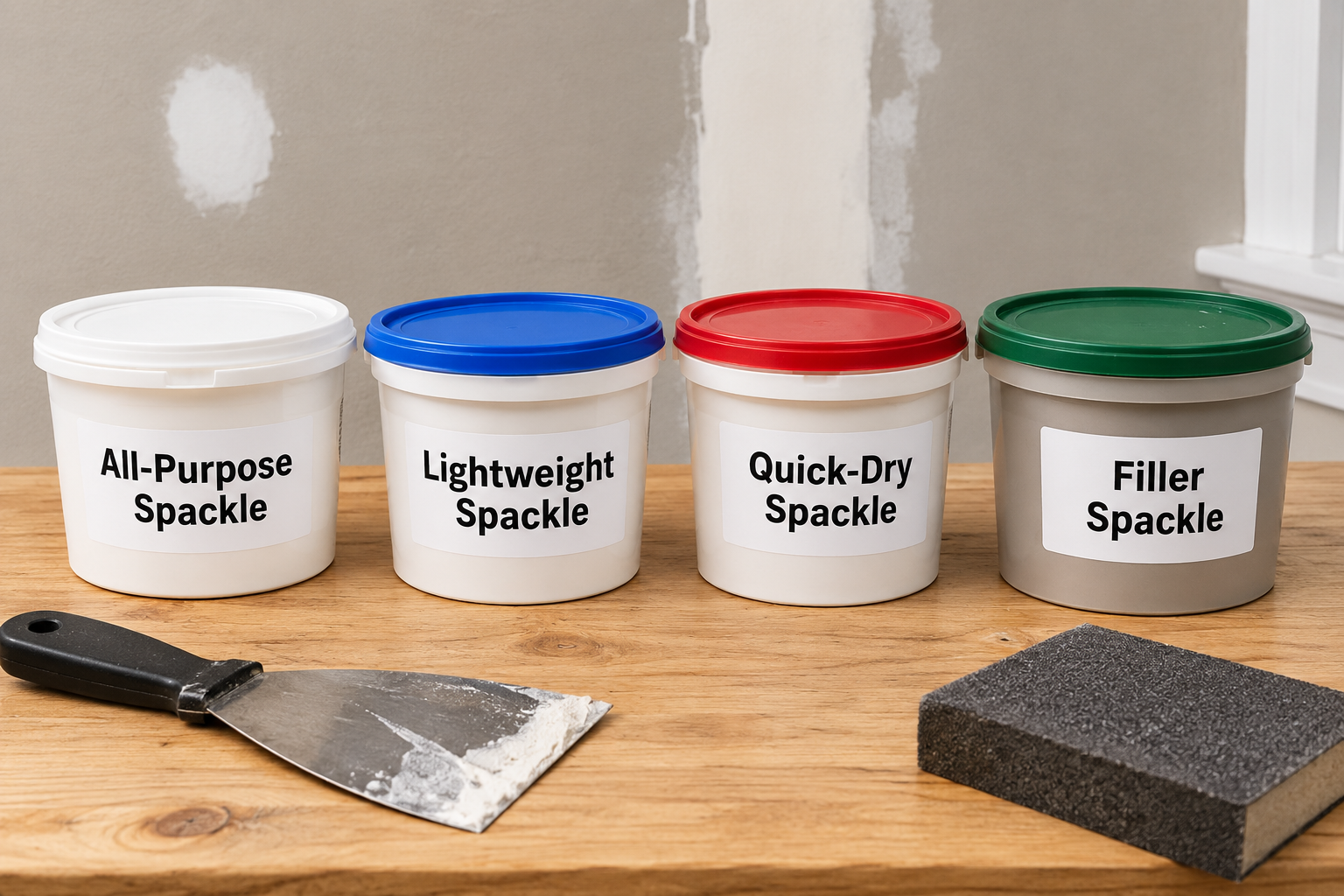
Walls, ceilings, or floors
Investigate cracks, peeling paint, bubbles, stains, loose finishes, and water-related surface damage.

Roof, siding, or exterior
Recognize weather damage, drainage problems, rot, failed seals, and exterior conditions that may spread.
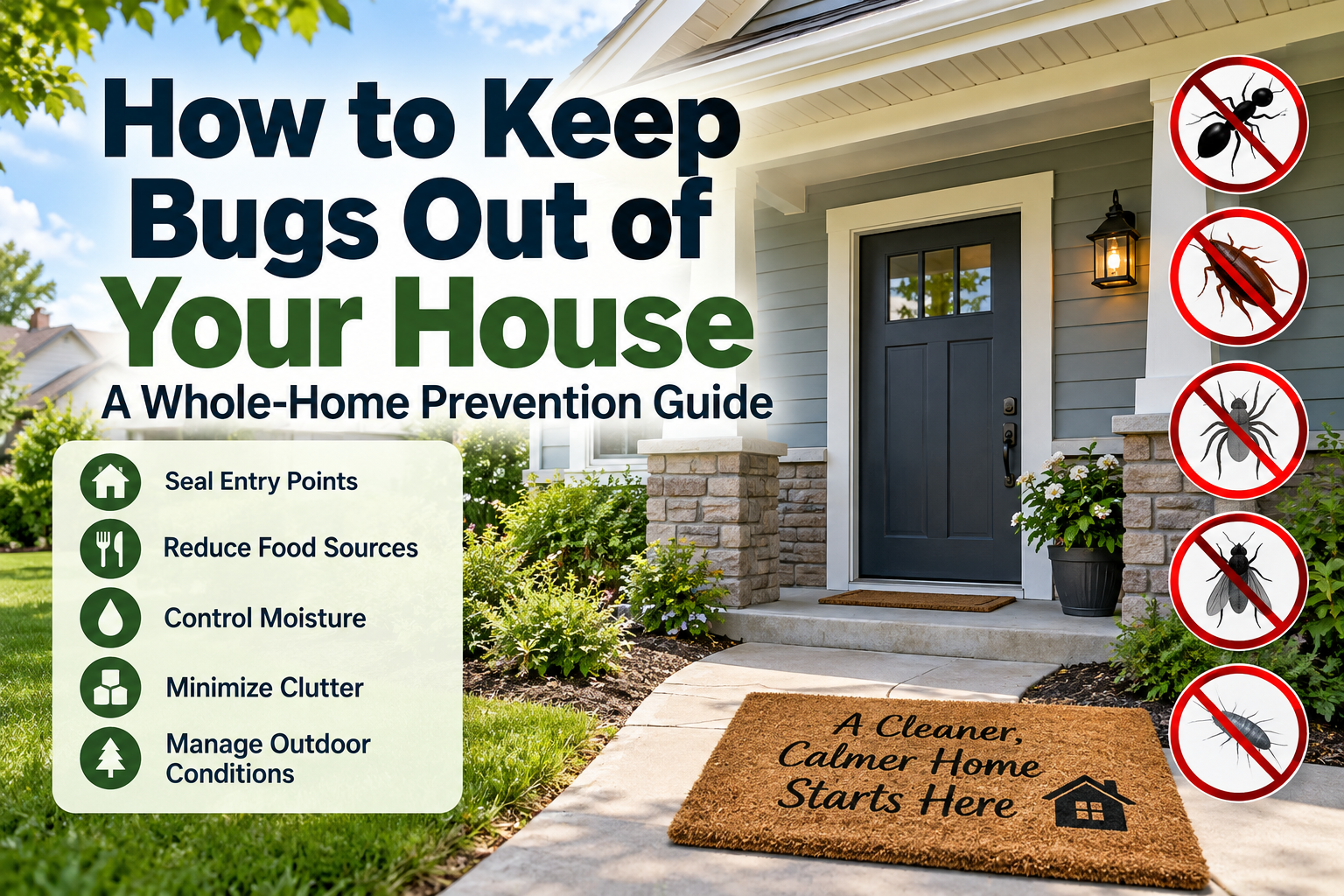
Pests or signs of entry
Identify evidence, look for moisture or access points, and choose low-risk control before an infestation grows.
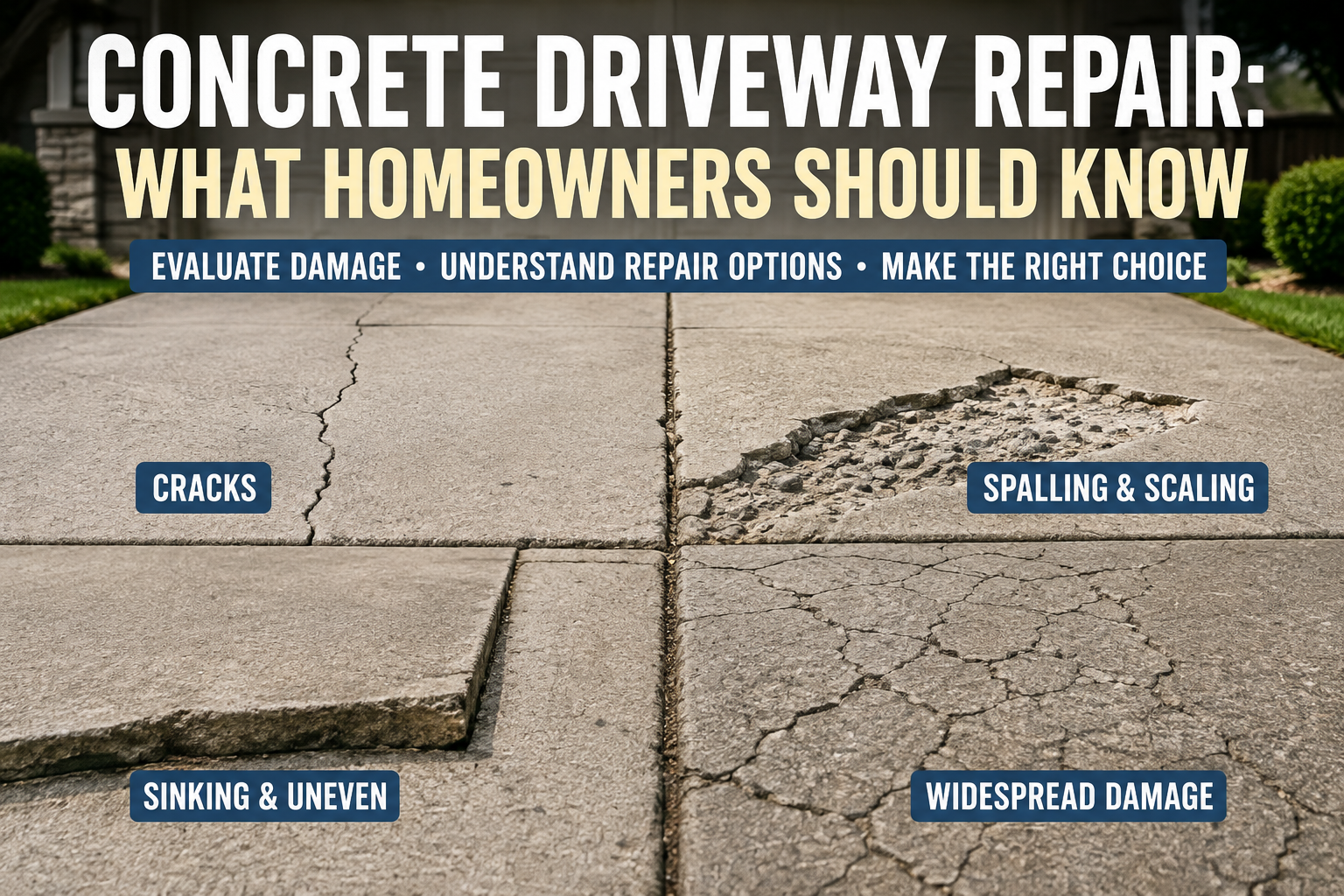
Garage, driveway, or outdoor surfaces
Assess cracks, uneven surfaces, door problems, coatings, drainage, and signs of movement or wear.
Use the right level of response
Decide what to do next
A useful repair guide should help you make a decision—not push you into a project before the cause and risk are understood.
Observe the symptom
Note when it happens, what changed, which fixtures or systems are affected, and whether water, heat, odor, sound, or movement is involved.
Make only safe first checks
Use accessible controls, visual inspection, ordinary cleaning, and manufacturer-approved steps. Do not bypass safeguards or work on energized equipment.
Choose repair or professional help
Proceed only when the scope is clear and within your skills. Stop when the guide identifies electrical, gas, structural, contamination, or fall hazards.
Stop conditions
Some symptoms should not wait.
Leave the area, shut down the system only when it is safe to do so, and contact the appropriate qualified professional or emergency service when a condition presents immediate danger.
Looking for every article assigned to Home Repairs?
View the complete Home Repairs archive →