how to prevent ice dams
Ice dams form when melting snow refreezes along colder roof edges. Reducing attic heat loss and keeping drainage paths clear can help prevent them.

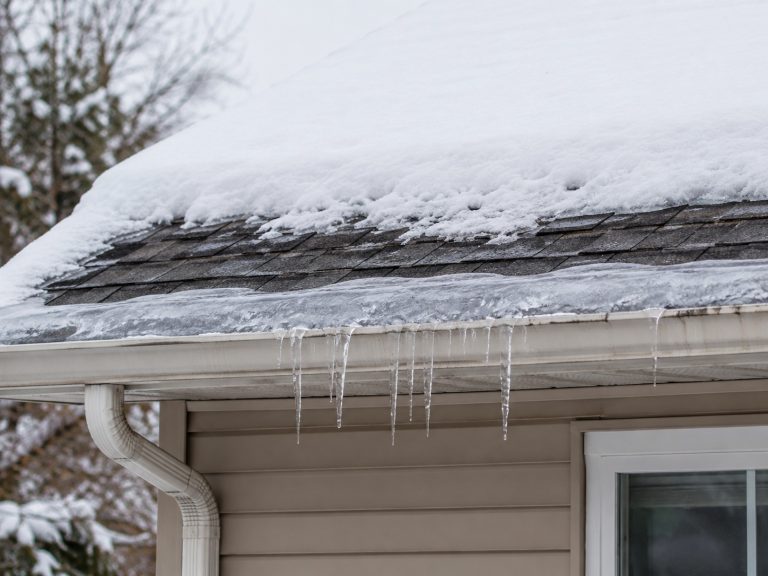
Ice dams form when melting snow refreezes along colder roof edges. Reducing attic heat loss and keeping drainage paths clear can help prevent them.
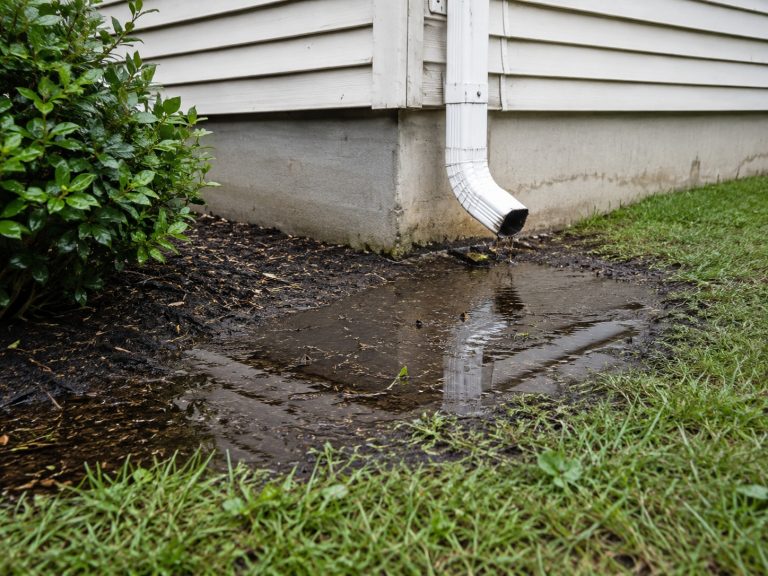
Water pooling near a foundation after rain often points to downspout discharge, grading, soil drainage, or gutter problems that are keeping runoff too close to the house.
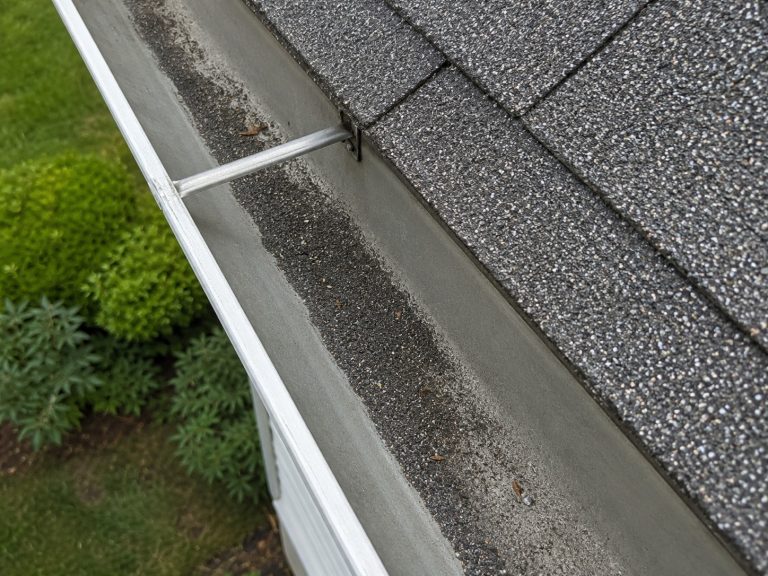
A small amount of asphalt-shingle granules in a gutter can be normal, but heavier or increasing buildup may point to roof wear or damage.
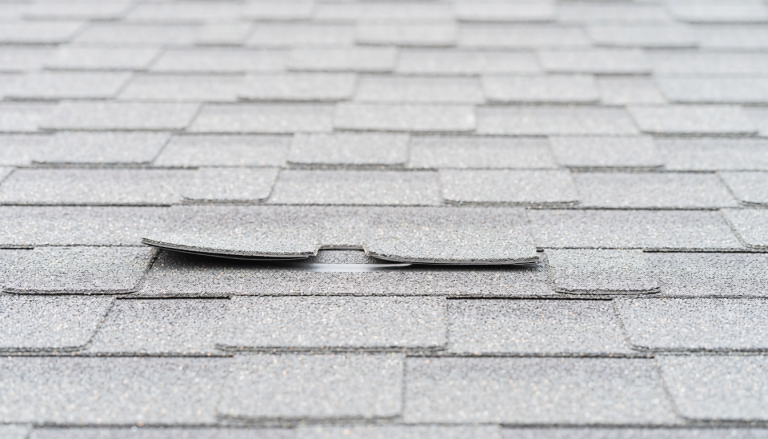
A few asphalt shingles with slightly curled bottom corners show the early warning sign of roof shingle curling.
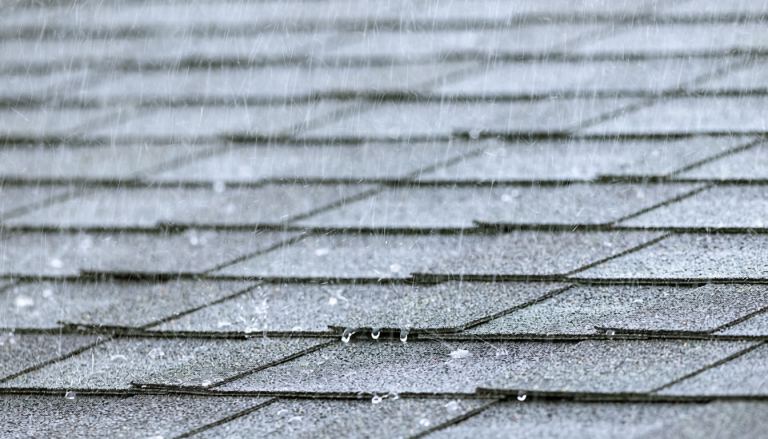
A roof leak that appears only during heavy rain can point to a small vulnerable area that becomes overwhelmed by heavier runoff or wind-driven rain.
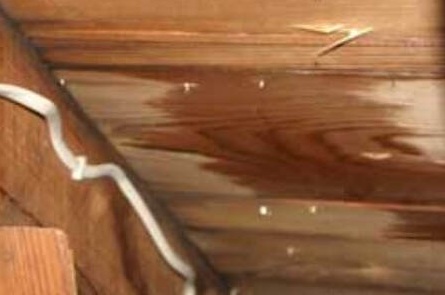
A localized damp area on attic roof decking can point to a roof leak, especially when the moisture appears during or after rain.
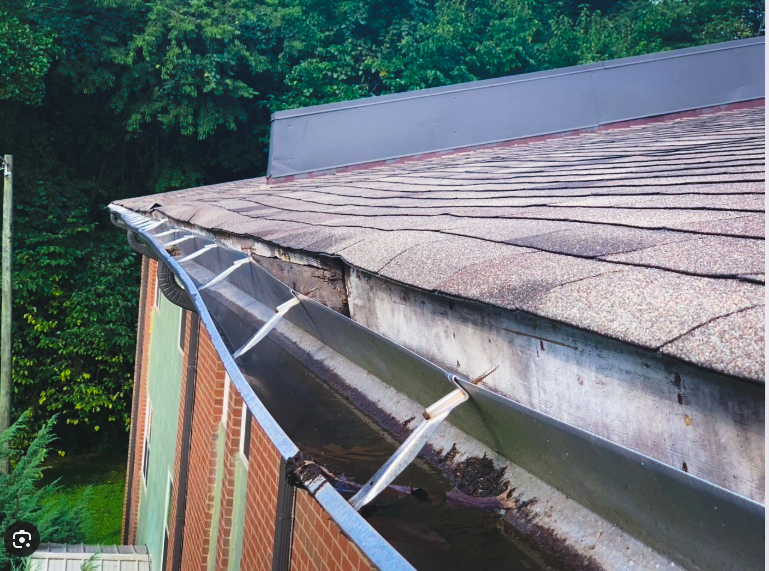
A sagging, bent gutter system may be a sign that replacement makes more sense than another small repair.
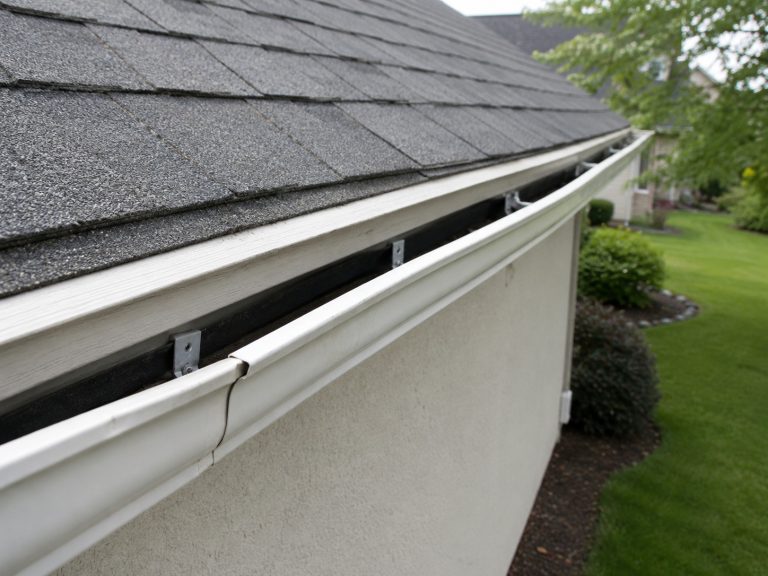
A gutter that is sagging and pulling away from the house can point to failed hangers, loose fasteners, fascia deterioration, or excess weight from water and debris.
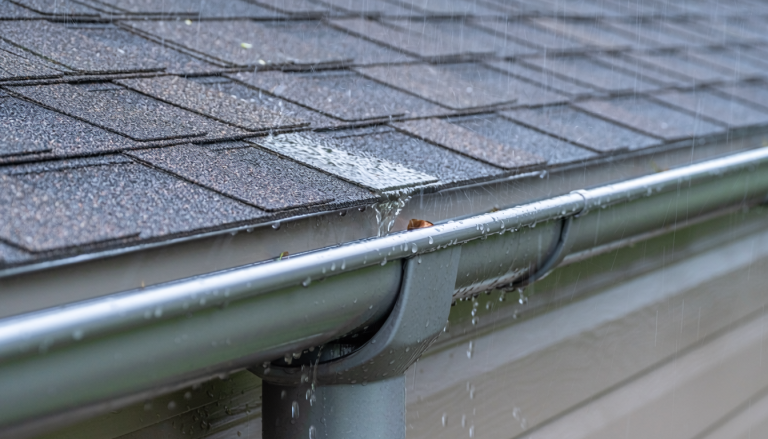
This guide explains what causes water dripping between gutter and fascia and how to spot the problem before it leads to damage along the roof edge.
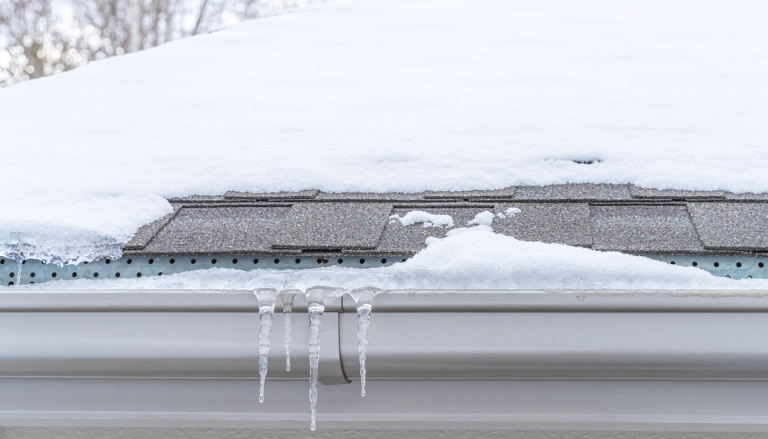
If you’re wondering do gutter guards cause ice dams, this guide explains when ice forms around guarded gutters and which underlying roof and drainage conditions usually matter more.