
Kitchens
Repair Guides / Rooms & Surfaces
Kitchens
Care for sinks, faucets, cabinets, counters, hinges, and drawers—and diagnose the everyday leaks, slow drains, odors, wear, and hardware problems that interrupt a working kitchen.
- 20 focused guides
- Surface-safe care
- Fixture and hardware troubleshooting
 Clean carefully. Diagnose early. Keep it working.
Recommended starting points
Start With the Symptom—Then Protect the Finish
Kitchen problems often combine water, grease, food residue, moving hardware, and sensitive finishes. Diagnose the source first, then use a method suited to the exact material.
Match care and accessories to the sink material
Kitchen Sink Materials, Cleaning, and Strainers
Choose a sink for daily life, preserve its finish, remove stubborn marks safely, and improve the drain opening with the right strainer.

Best Kitchen Sink Material
Compare stainless steel, composite, porcelain, fireclay, and other common choices.
Read the guide →How to Clean a Kitchen Sink
Identify the sink finish before selecting cleaners, tools, and technique.
Read the guide →
How to Clean a Porcelain Sink
Remove residue without scratching, dulling, or weakening the glazed finish.
Read the guide →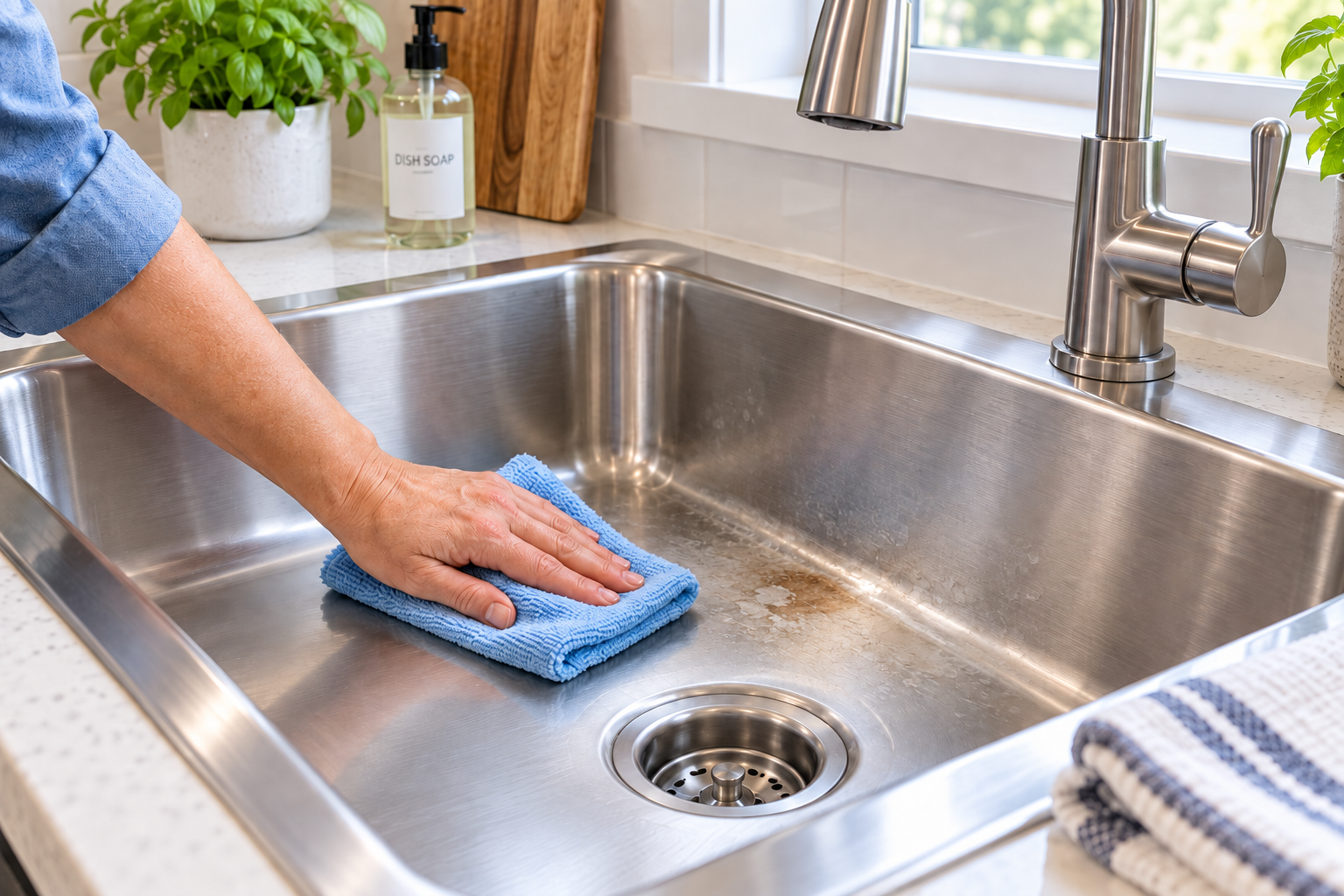
Remove Stains From a Stainless Steel Sink
Treat discoloration while protecting the stainless grain and surface.
Read the guide →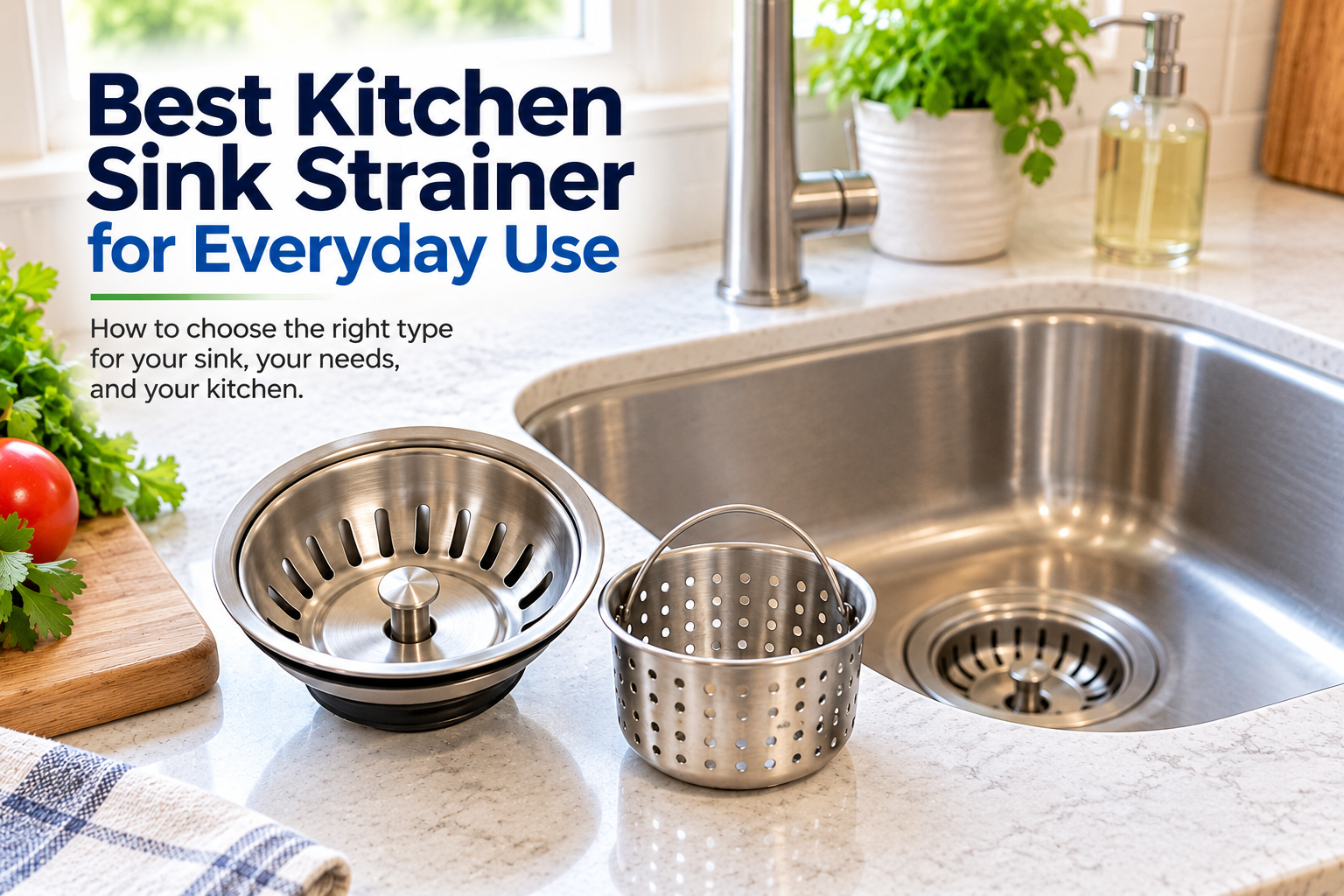
Best Kitchen Sink Strainer
Compare basket design, fit, flow, sealing, and everyday cleanout.
Read the guide →Use sound, odor, flow, and leakage as clues
Sink Drain and Faucet Problems
Trace slow drainage, gurgling, odor, dripping, and weak faucet flow to the most likely source.
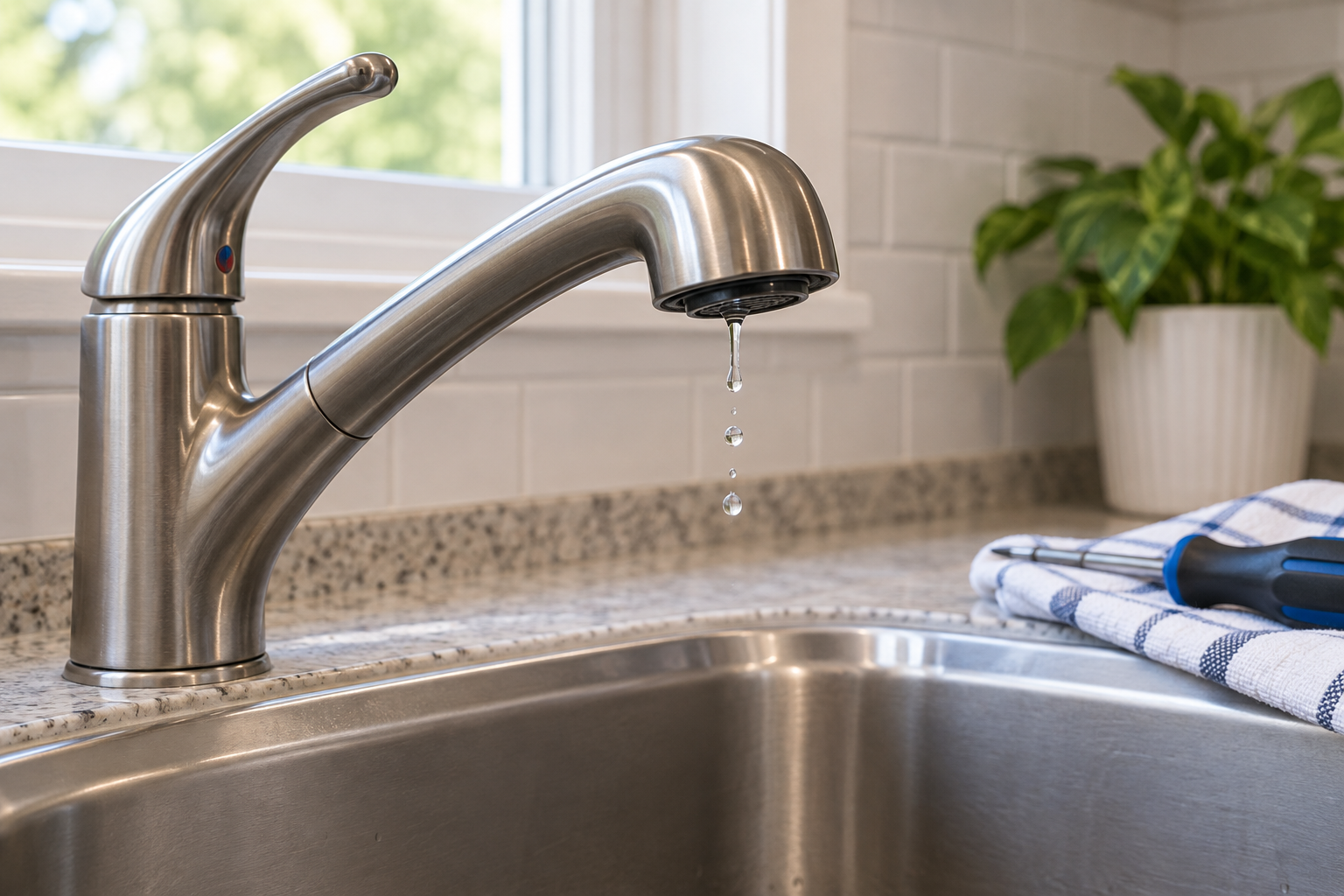
Kitchen Faucet Dripping
Identify the likely cartridge, seal, connection, or valve problem behind a drip.
Read the guide →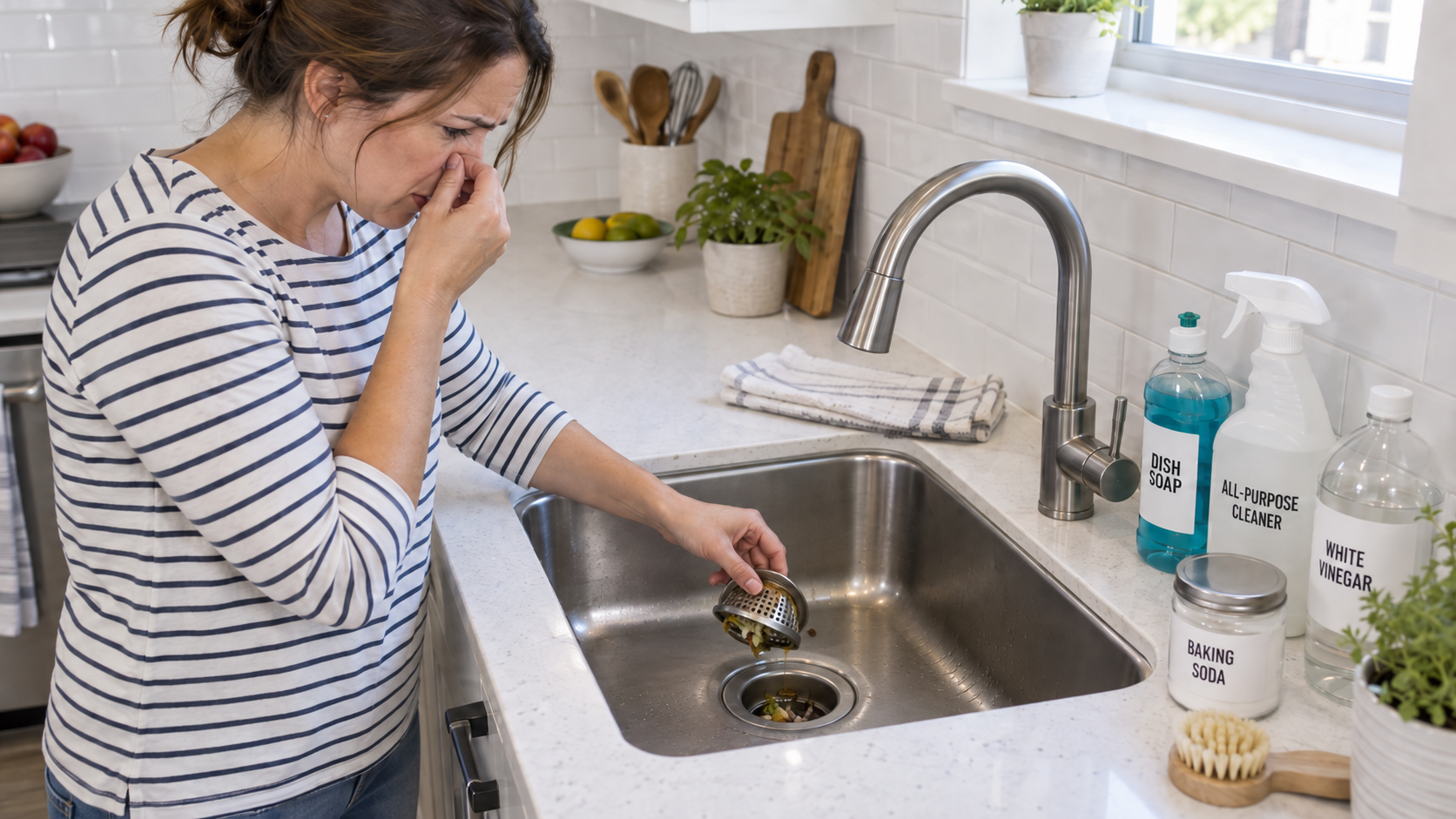
Kitchen Sink Smells Bad
Check the drain, disposal, overflow, venting, and trapped buildup safely.
Read the guide →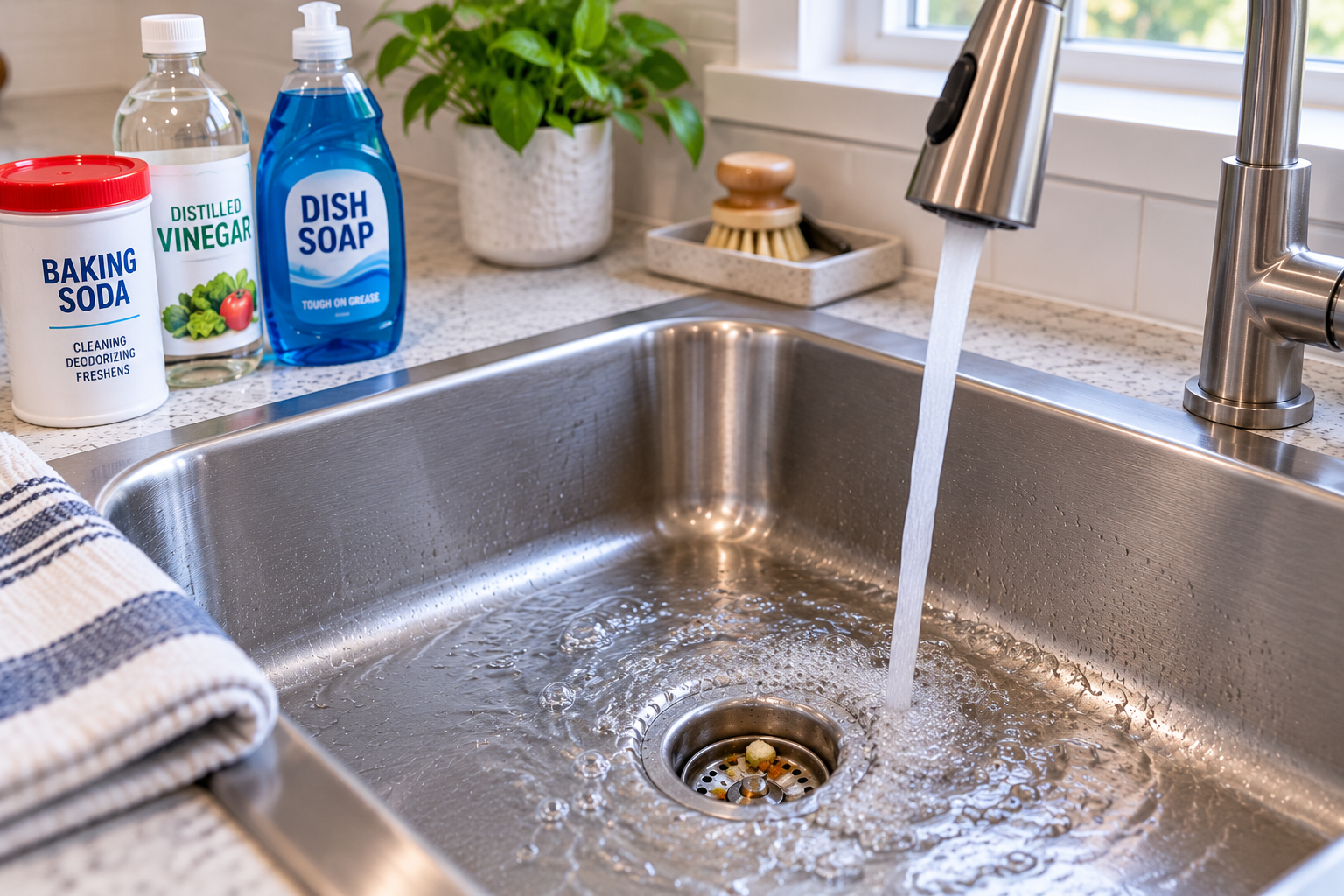
Kitchen Sink Gurgling
Use gurgling patterns to separate a local restriction from a venting or main-line issue.
Read the guide →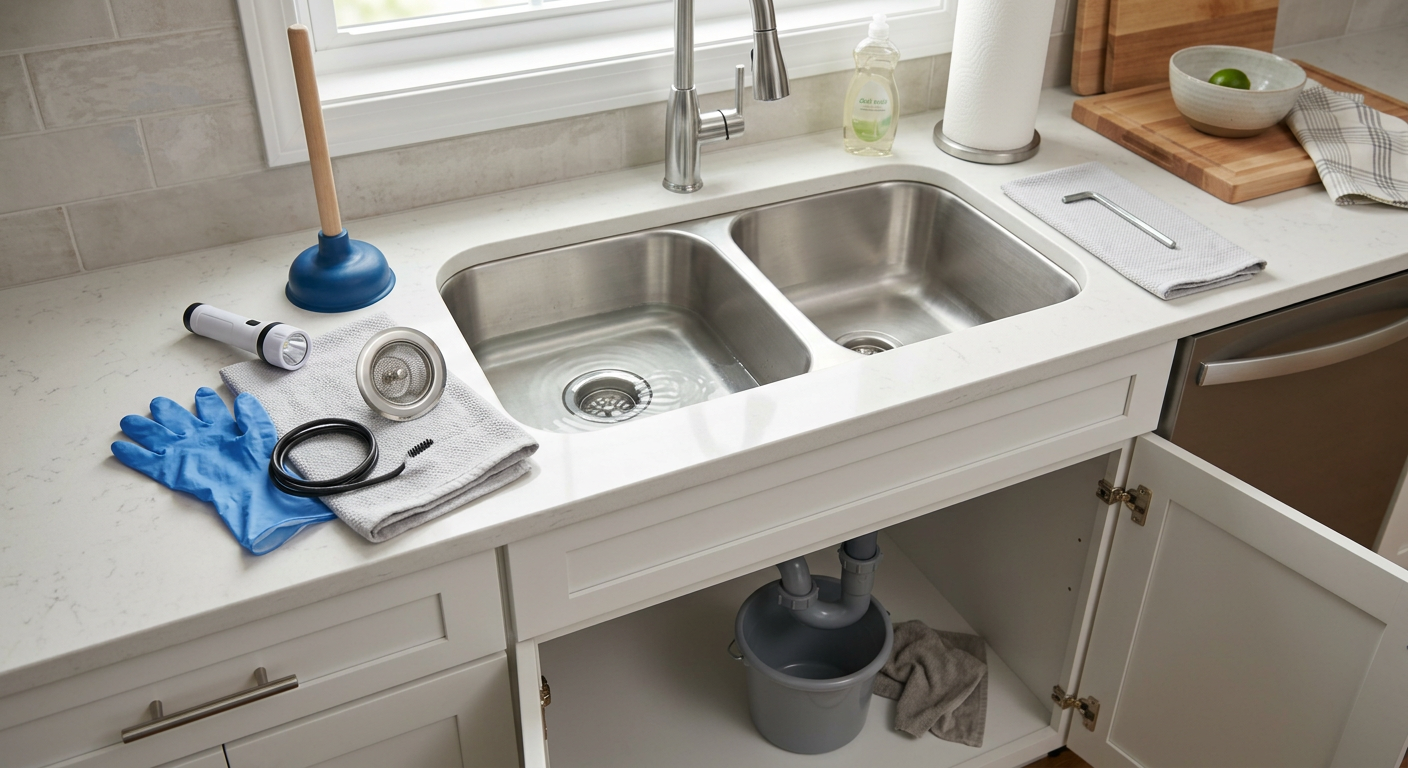
Kitchen Sink Draining Slowly
Start with safe, accessible checks before escalating the repair.
Read the guide →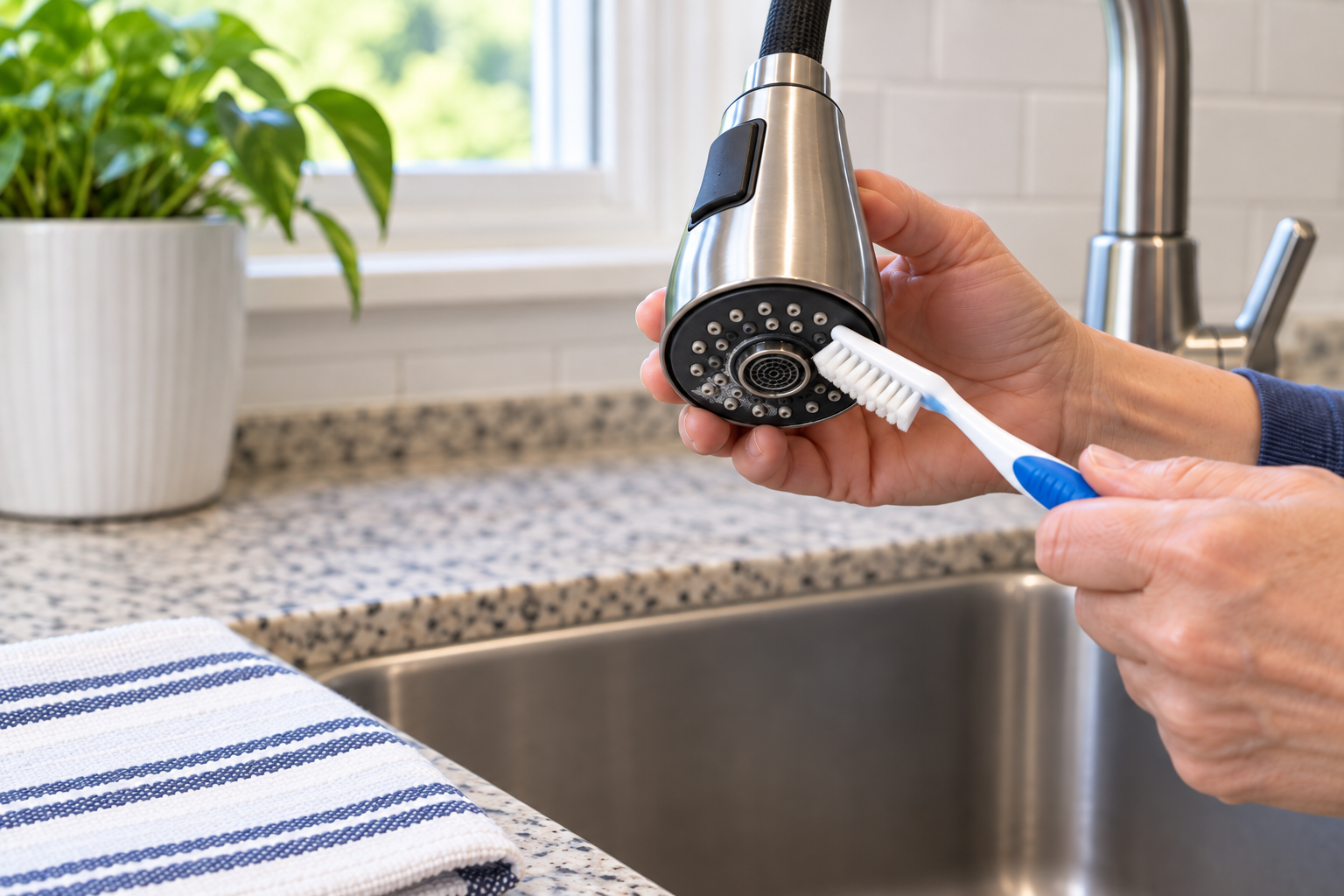
How to Clean a Kitchen Faucet Head
Remove mineral deposits and debris from the spray head and aerator.
Read the guide →Clean the finish and correct the movement
Cabinet Cleaning, Hinges, and Hardware
Remove grease without damaging coatings, align doors, and select hinges and handles that improve daily use.
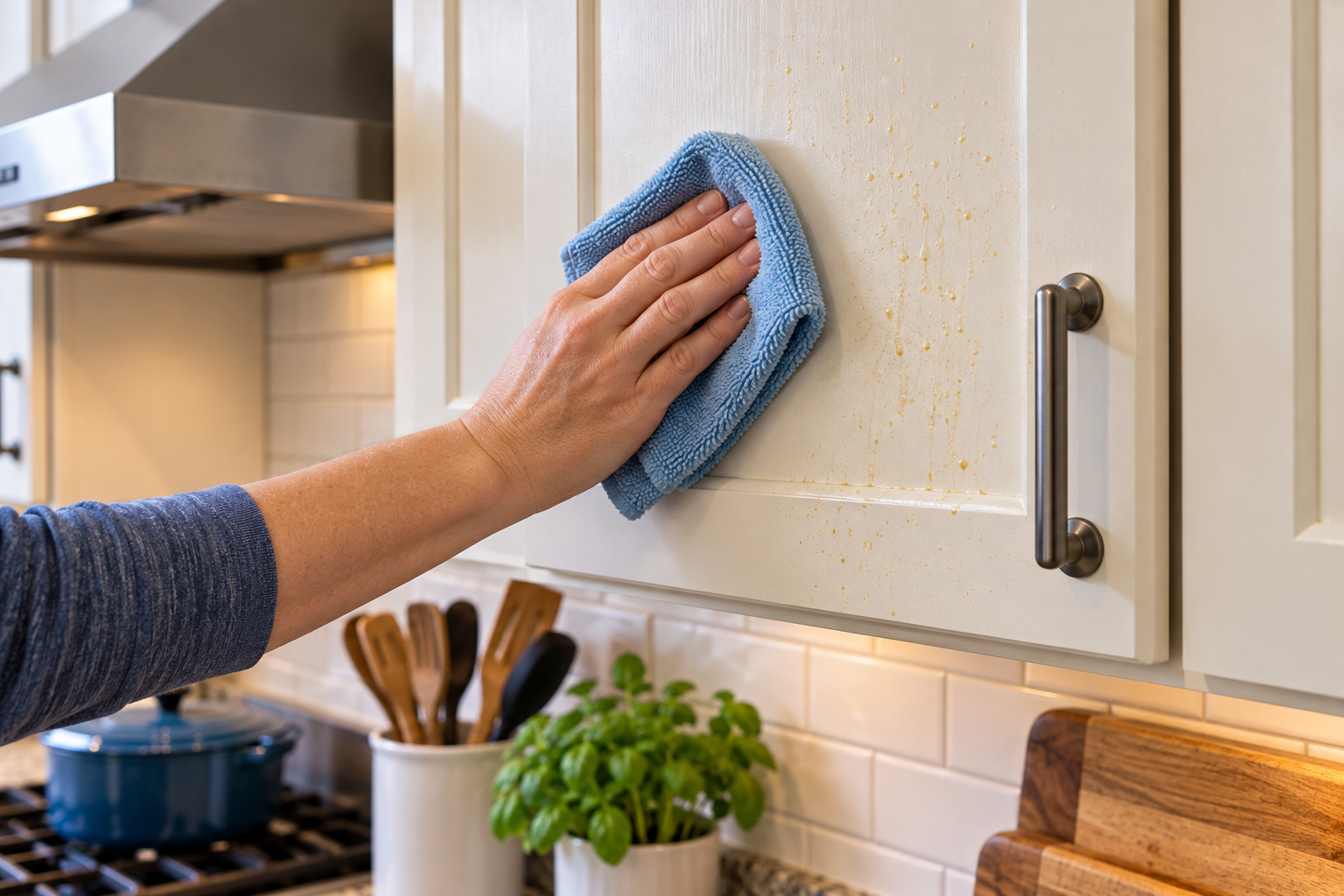
How to Clean Greasy Kitchen Cabinets
Lift sticky kitchen film while protecting painted, laminate, and wood finishes.
Read the guide →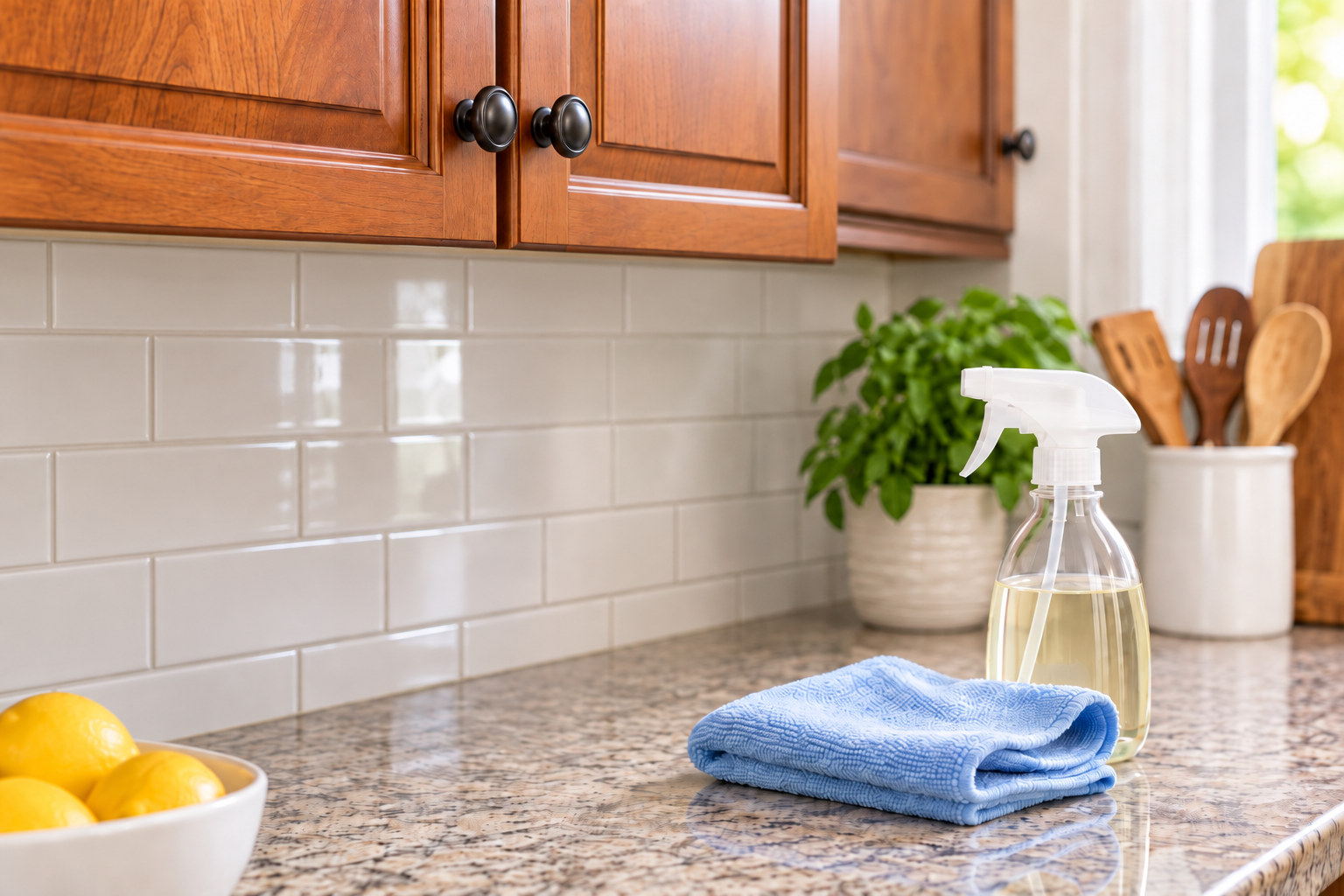
Best Cleaner for Wood Kitchen Cabinets
Choose cleaning products that suit sealed wood and everyday soil.
Read the guide →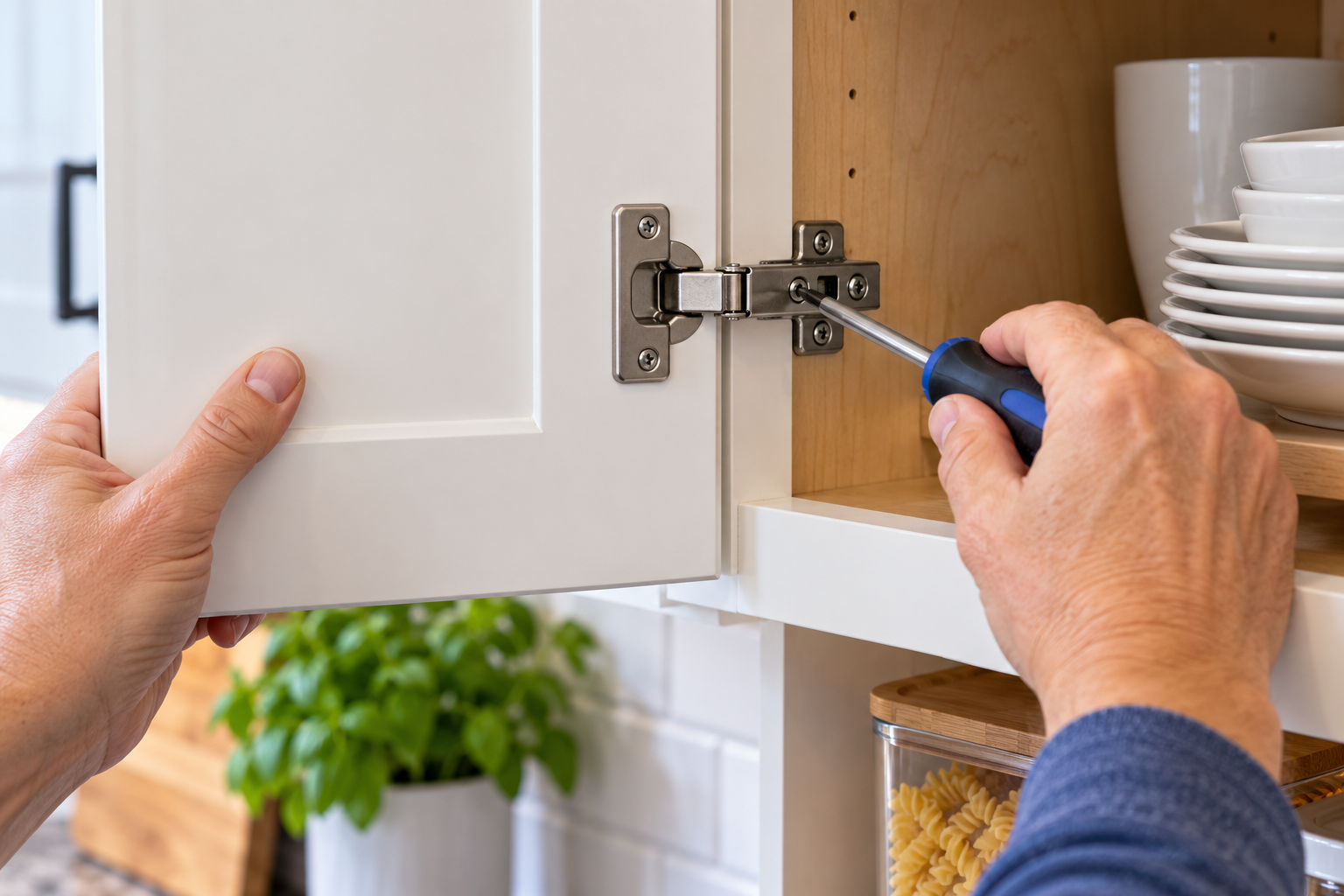
Cabinet Hinge Adjustments
Use the hinge screws correctly to align gaps and stop rubbing.
Read the guide →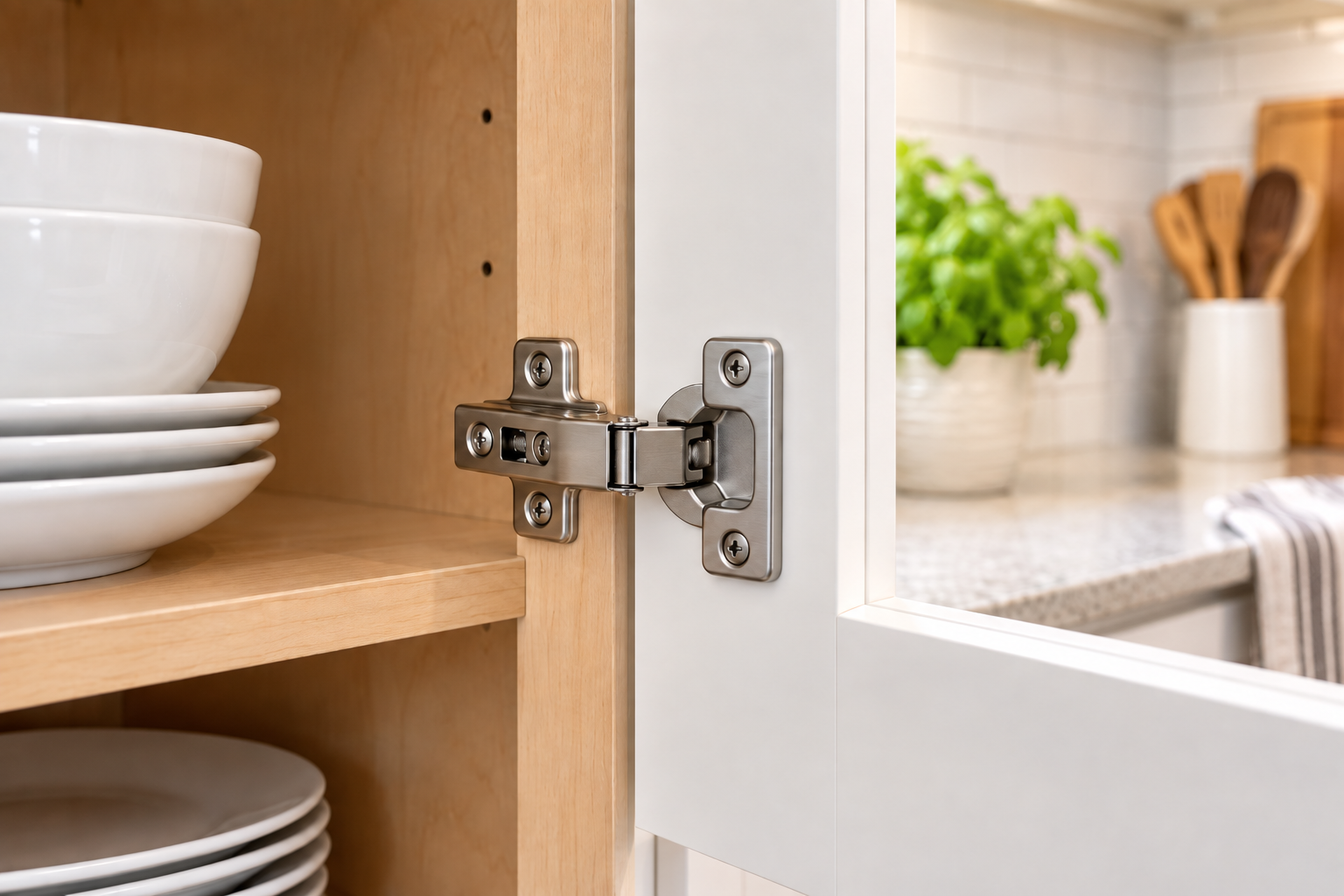
Best Soft-Close Cabinet Hinges
Compare overlay, cup size, angle, damping, and mounting compatibility.
Read the guide →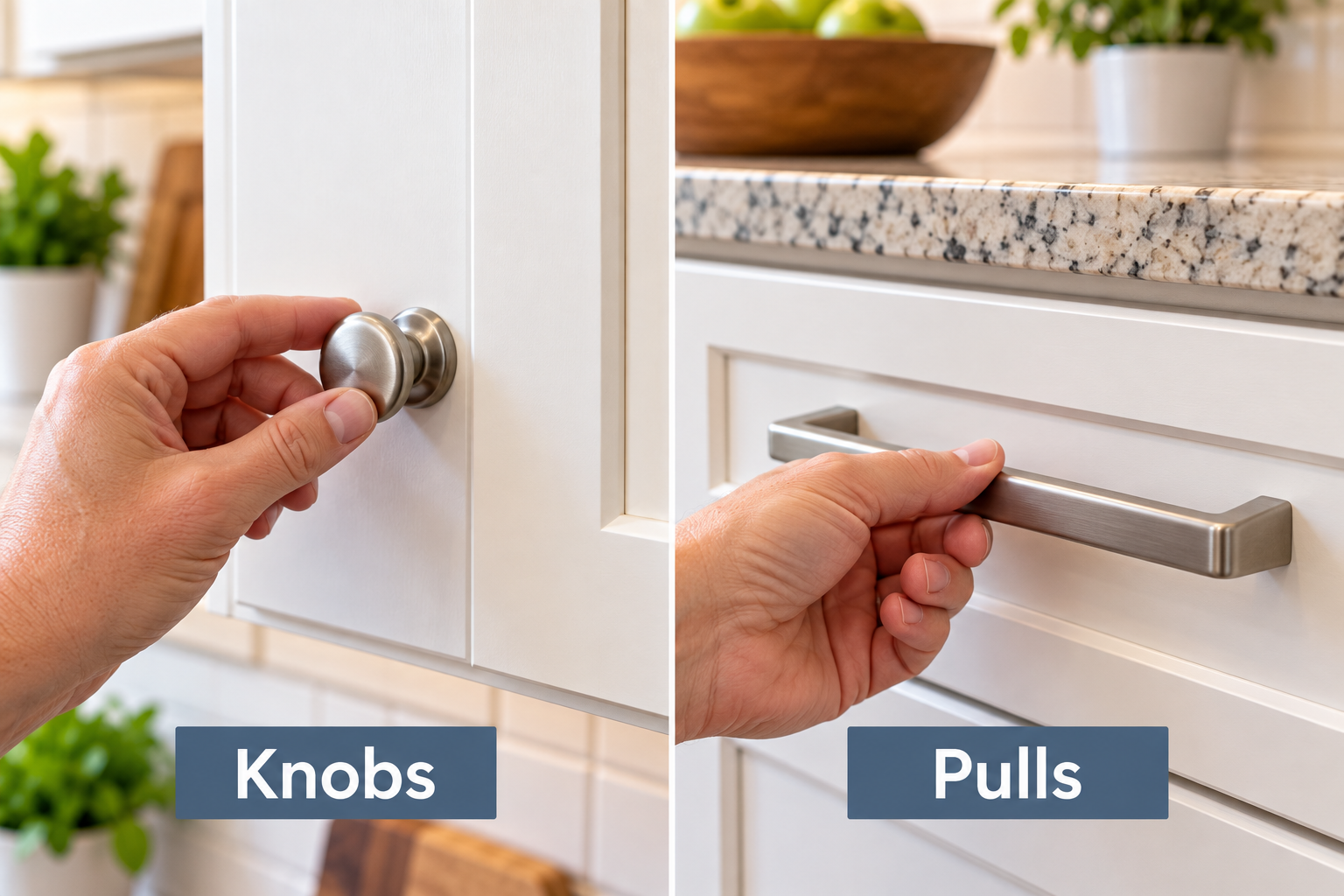
Cabinet Knobs vs Pulls
Balance grip, cleaning, drilling, scale, and visual style.
Read the guide →Protect work surfaces and restore smooth drawer movement
Countertop Care and Drawer Repairs
Use material-safe countertop methods and diagnose drawer slides before replacing compatible hardware.

How to Fix Drawer Slides
Correct sticking, binding, looseness, misalignment, and mounting problems.
Read the guide →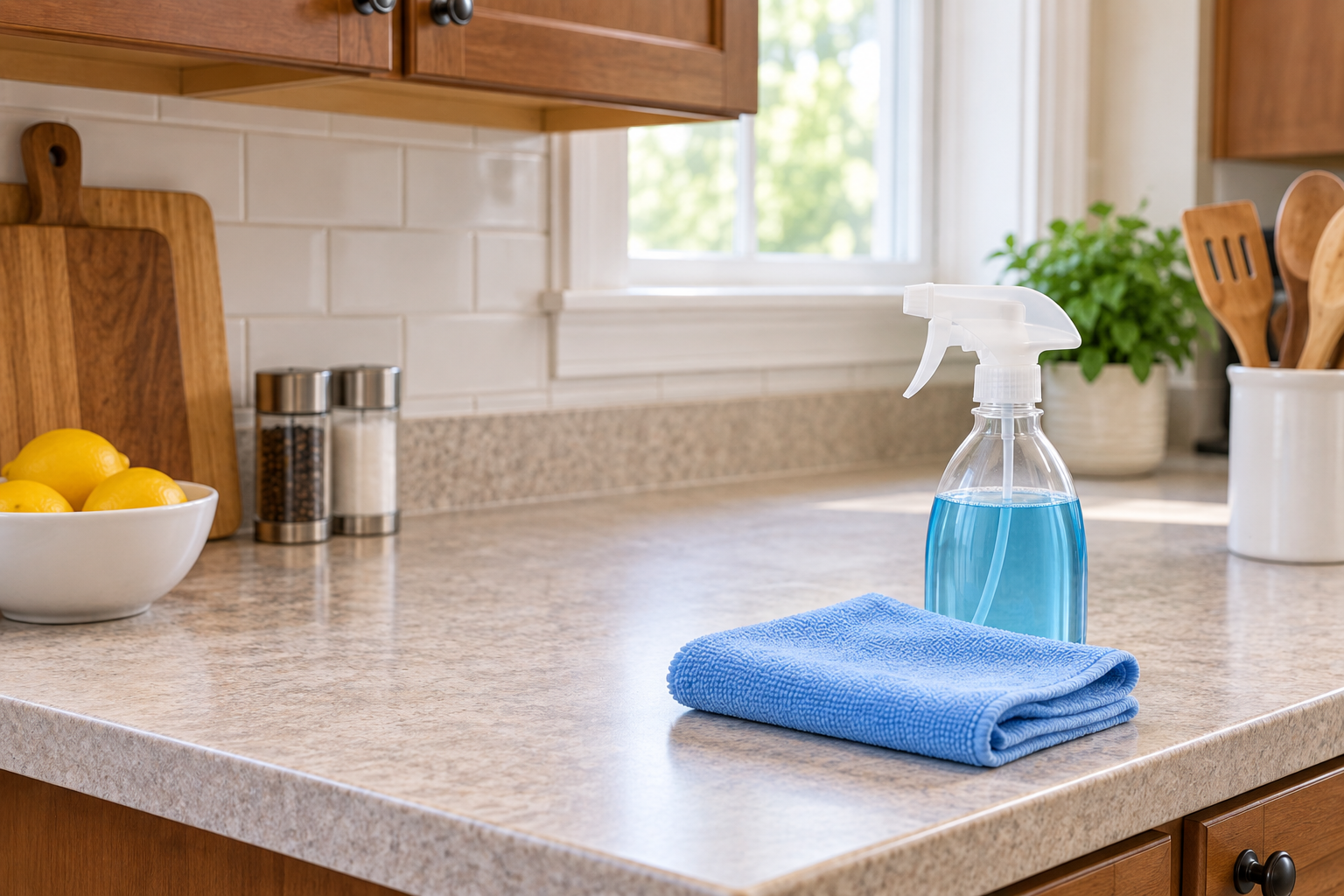
How to Clean Laminate Countertops
Clean everyday soil without swelling seams, dulling the finish, or scratching.
Read the guide →
How to Clean Butcher Block Countertops
Control water exposure and maintain the protective wood finish.
Read the guide →
Soft-Close Drawer Not Working
Check alignment, load, dirt, dampers, and slide damage.
Read the guide →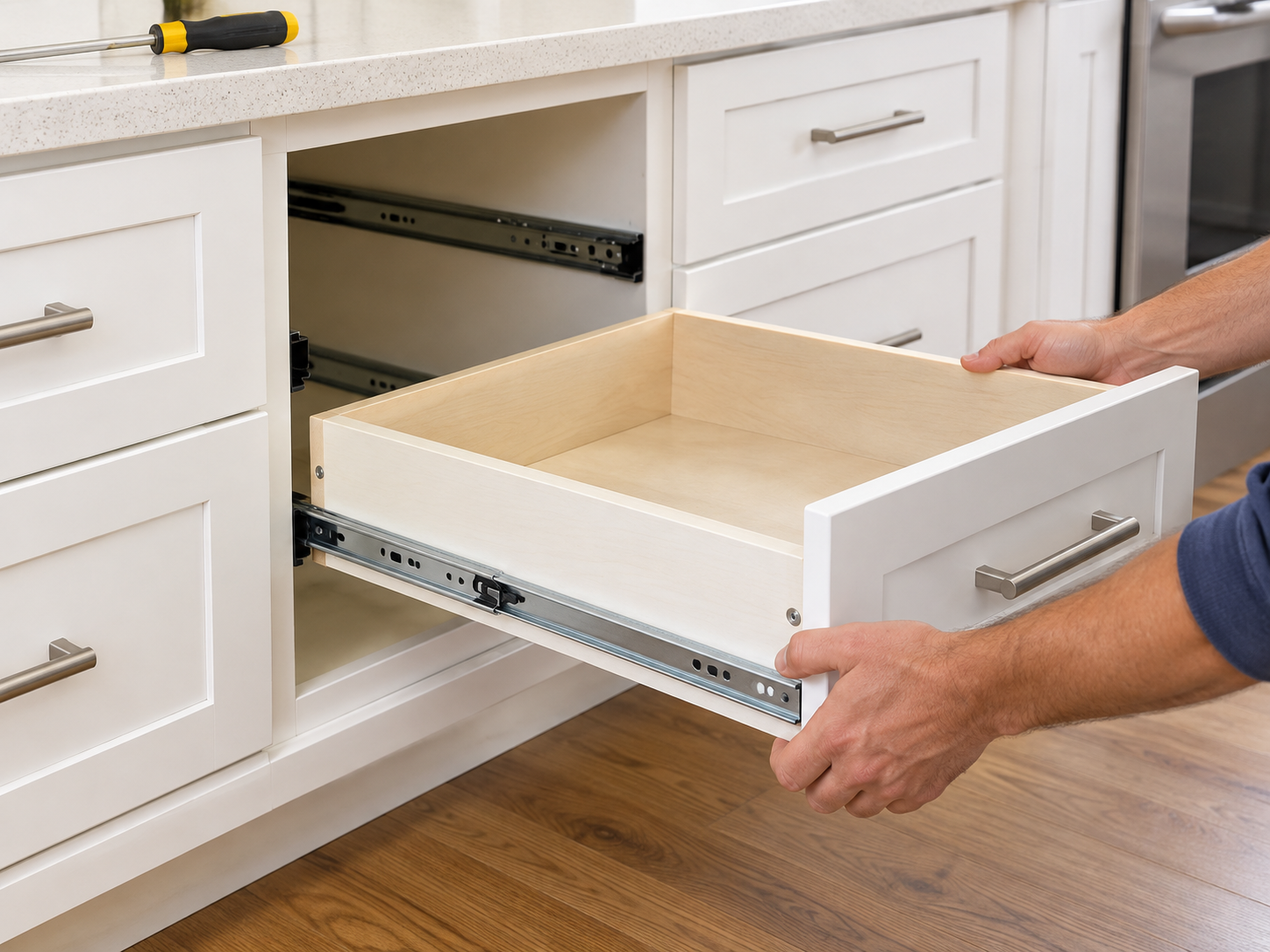
Drawer Slide Replacement
Measure and match slide type, length, clearance, rating, and mounting pattern.
Read the guide →Finished with this topic?
Continue exploring Home Repair Atlas
Move to another repair area or return to the beginning of the Kitchens hub.
Complete Guide Library
All Kitchen Guides
Every kitchen guide in one compact directory, grouped by the fixture, surface, or moving part it helps you maintain.