Attic & Insulation
Repair Guides / Building Envelope
Attic & Insulation
Improve comfort and efficiency by understanding attic insulation, air sealing, ventilation, moisture warning signs, and powered-fan decisions.
- 20 focused guides
- Insulation and airflow basics
- Moisture-first guidance
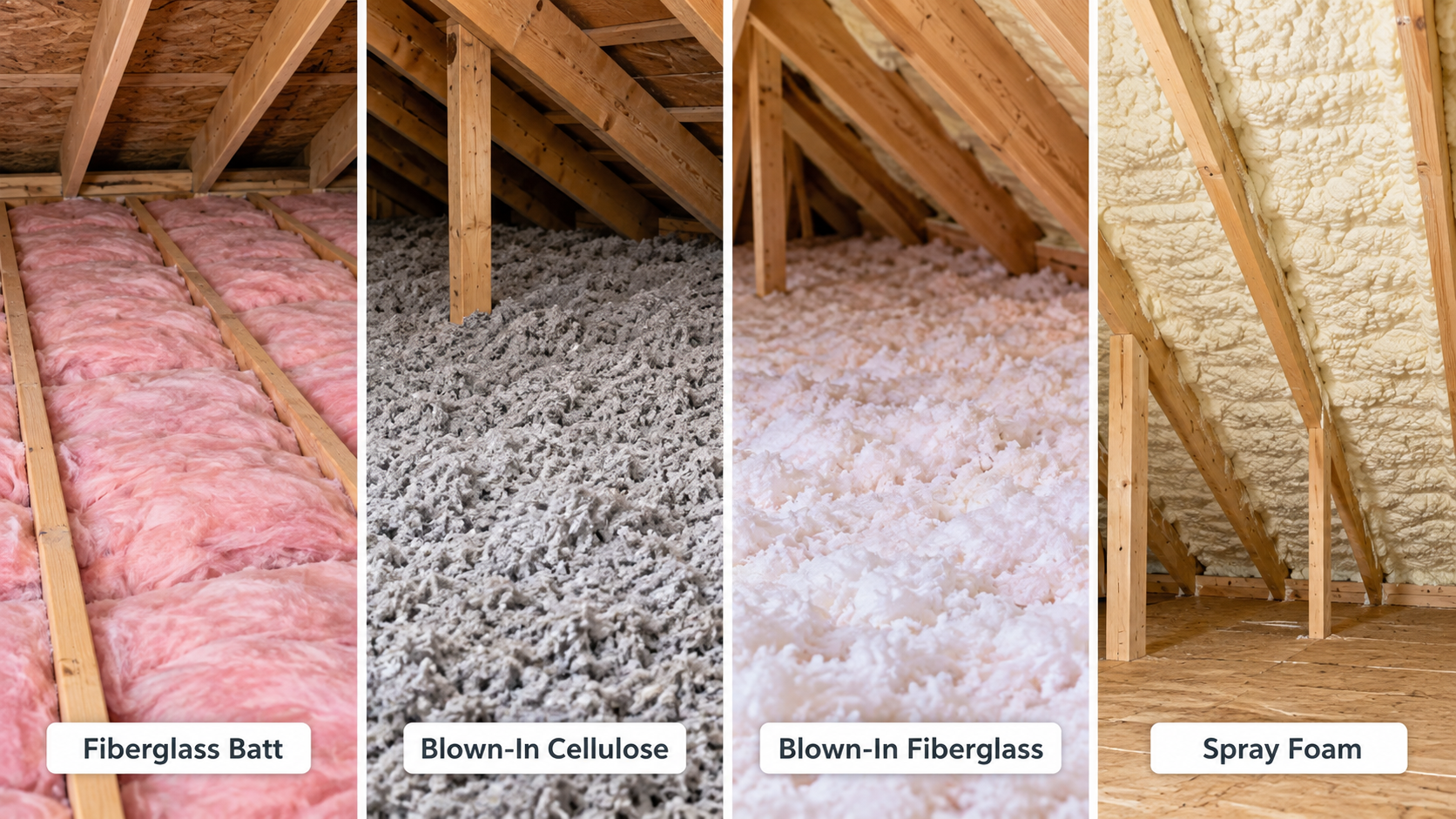 Seal first. Insulate well. Vent correctly.
Recommended starting points
Start With Heat, Moisture, and Airflow Clues
Before adding insulation or powered ventilation, look for air leaks, blocked intake, uneven coverage, frost, excess heat, and improper exhausts.
Choose the assembly before choosing the product
Insulation Types, R-Value, and Cost
Compare materials, performance targets, and upgrade costs before adding more insulation.
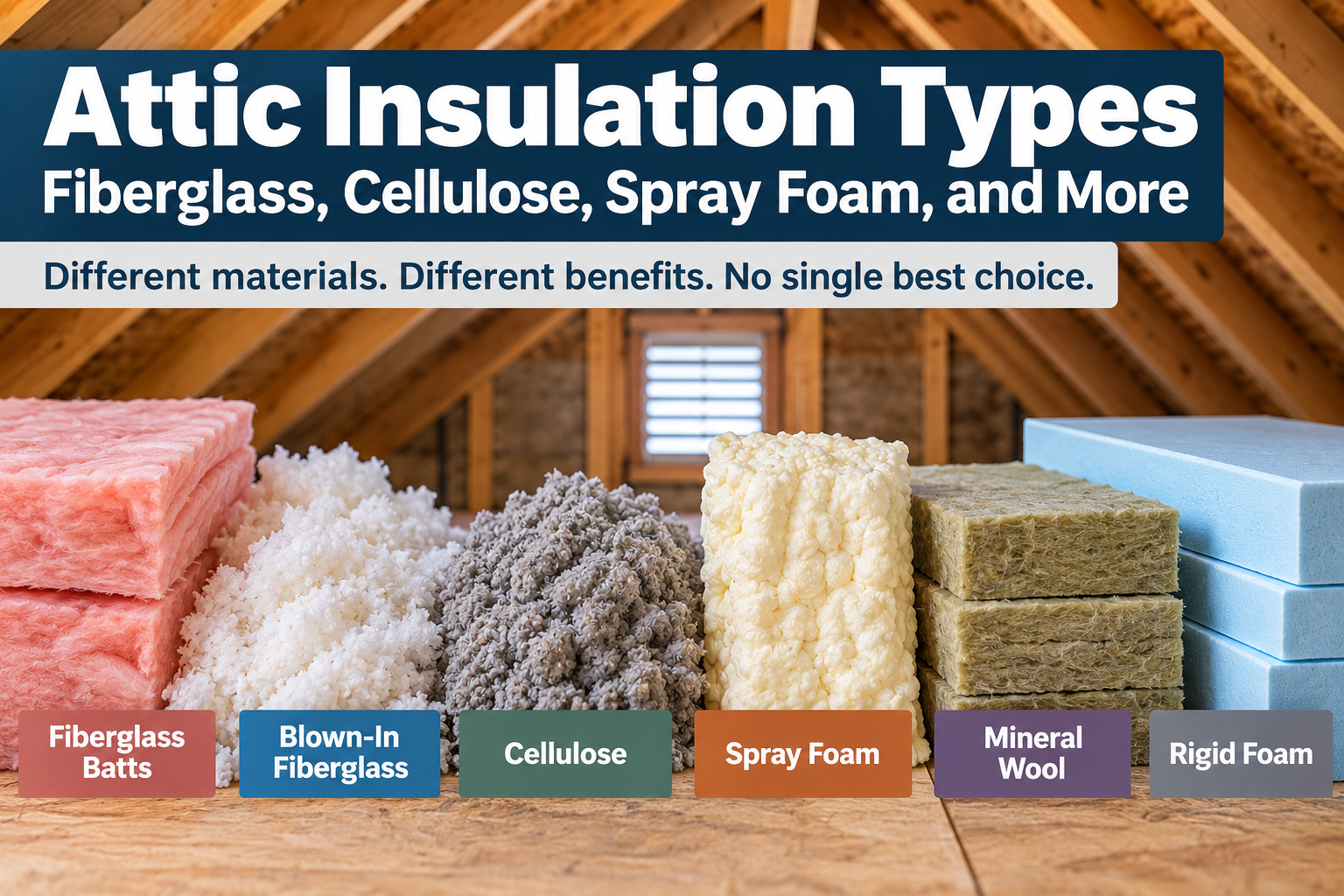
Attic Insulation Types
Compare fiberglass, cellulose, spray foam, and other common attic options.
Read the guide →Attic Insulation Guide
Understand R-value, depth, upgrade priorities, and common installation problems.
Read the guide →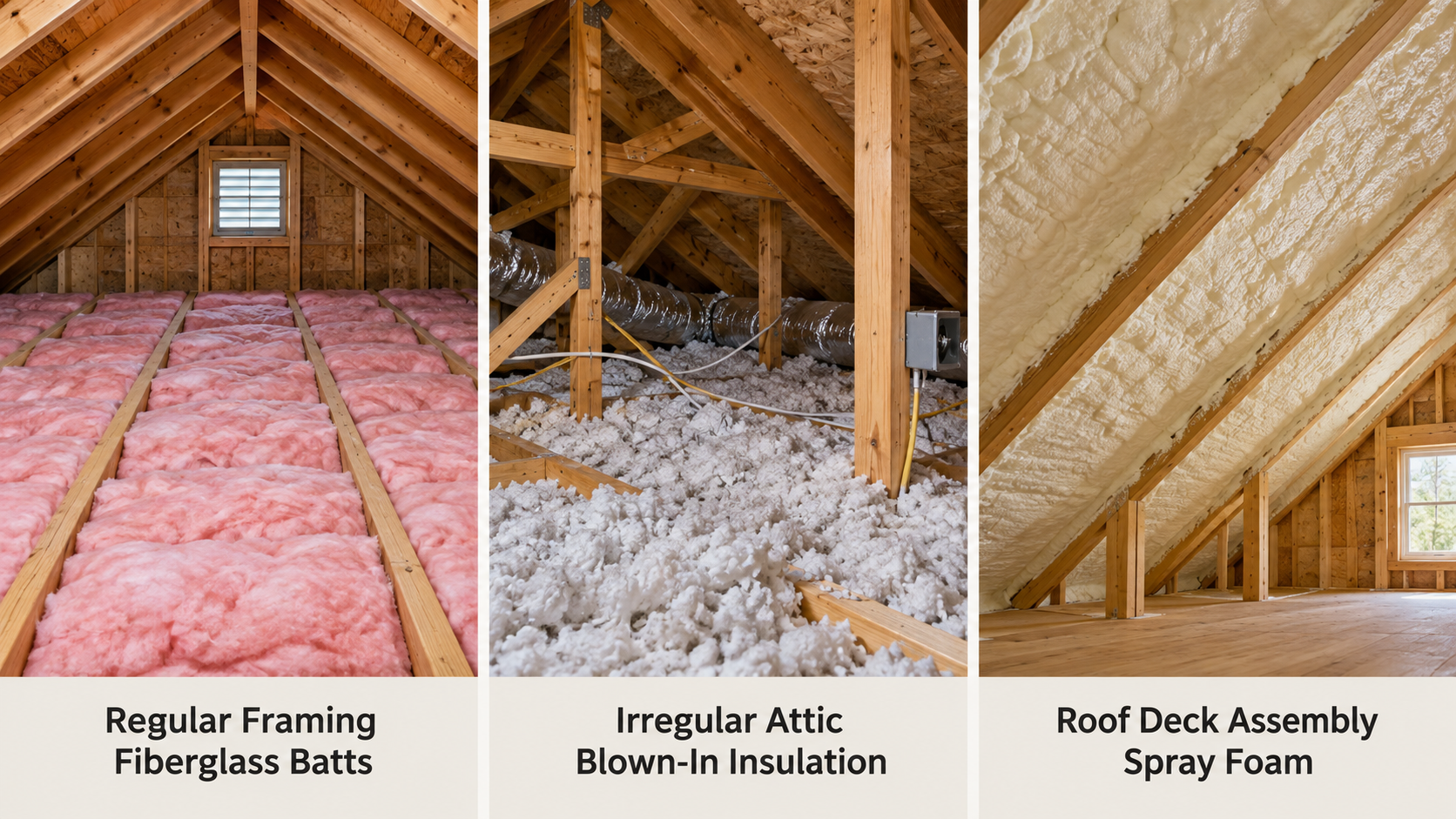
Best Attic Insulation
Match insulation type to climate, attic conditions, budget, and installation goals.
Read the guide →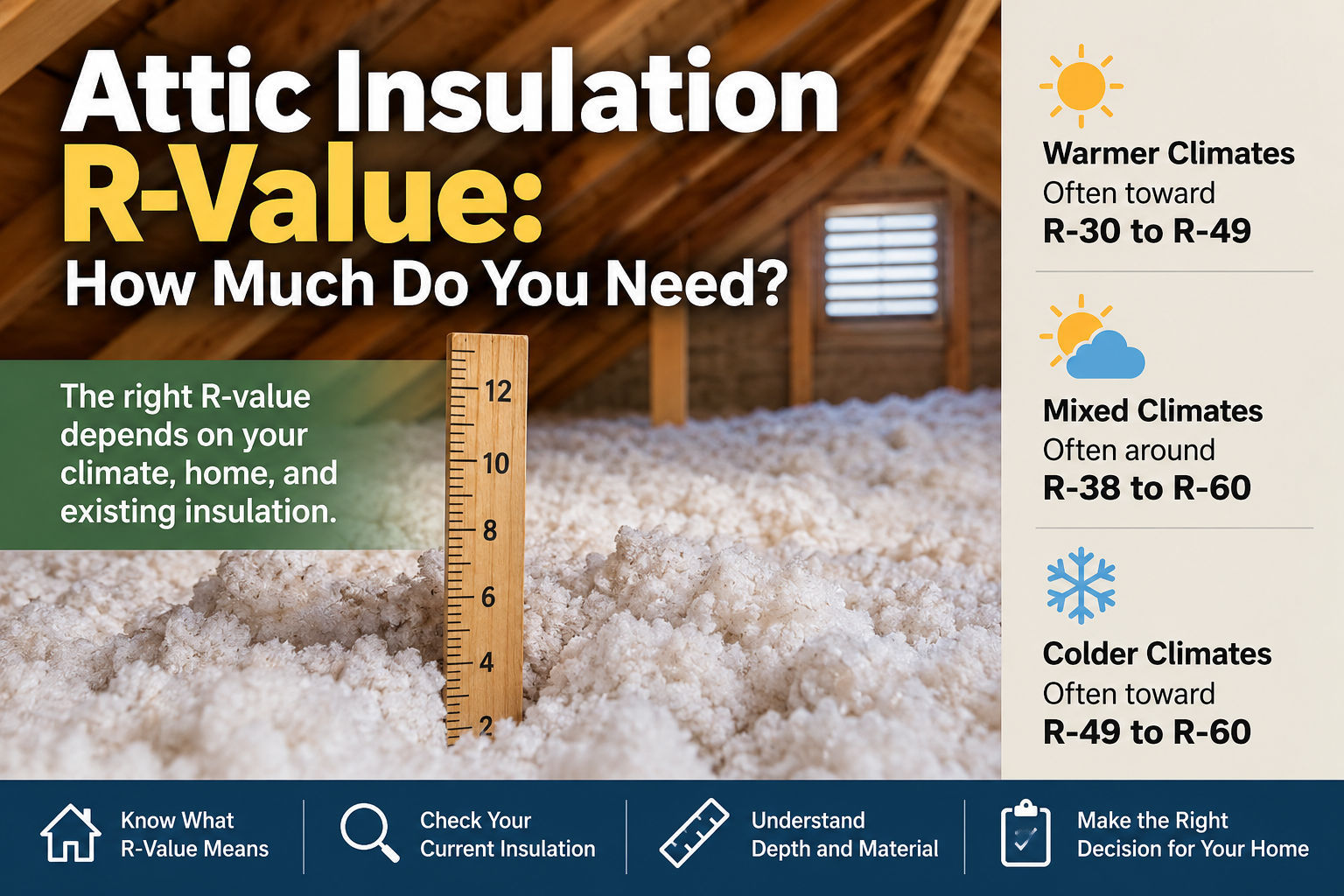
Attic Insulation R-Value
Determine how much thermal resistance your climate and existing attic need.
Read the guide →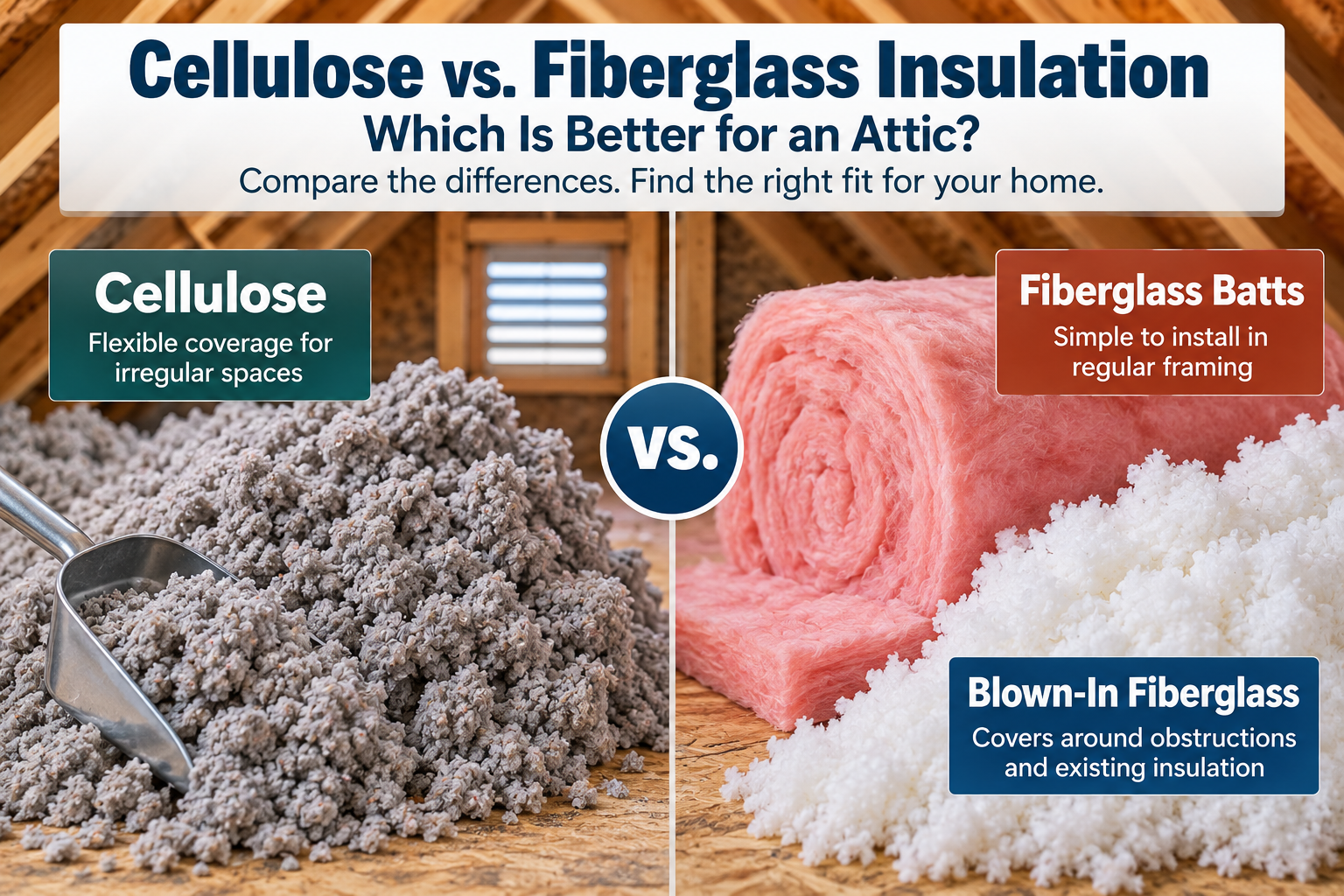
Cellulose vs Fiberglass Insulation
Compare coverage, air movement, moisture, settling, cost, and installation.
Read the guide →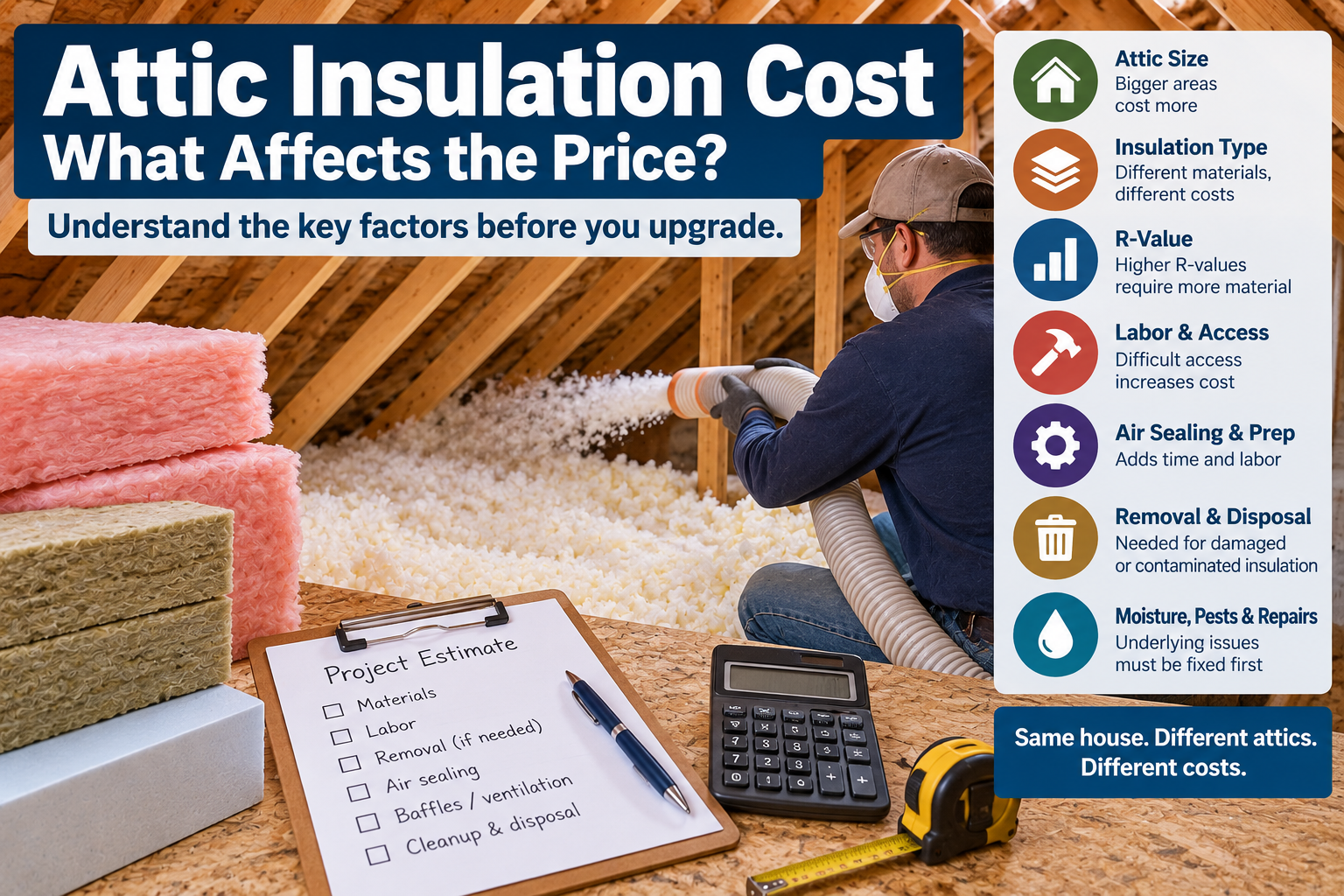
Attic Insulation Cost
See how area, access, material, removal, air sealing, and labor affect price.
Read the guide →Stop indoor air before it reaches the attic
Air Sealing, Knee Walls, and Attic Hatches
Improve the overlooked transitions that often undermine insulation performance.
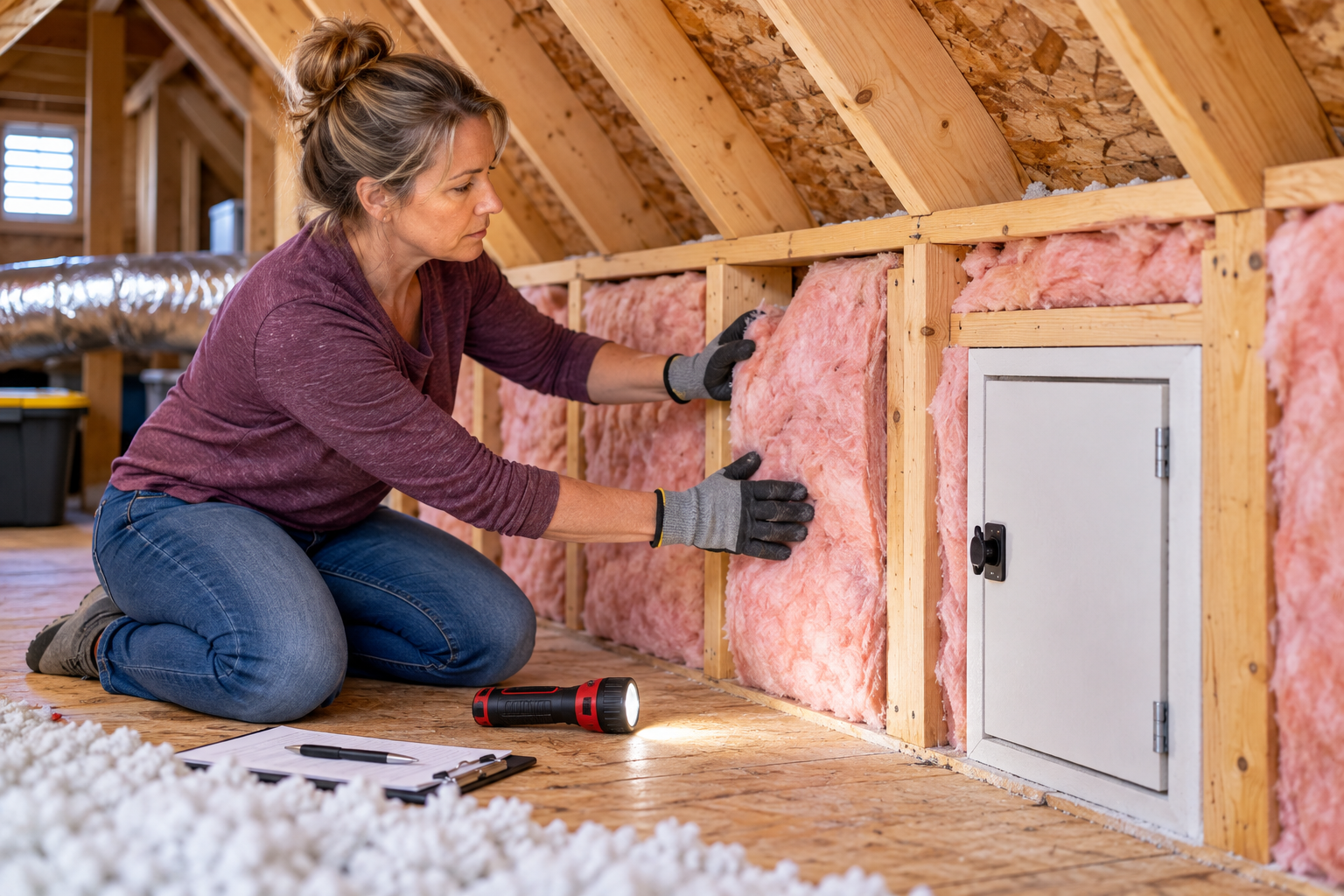
Attic Knee-Wall Insulation
Find common bypasses and upgrade weak knee-wall assemblies.
Read the guide →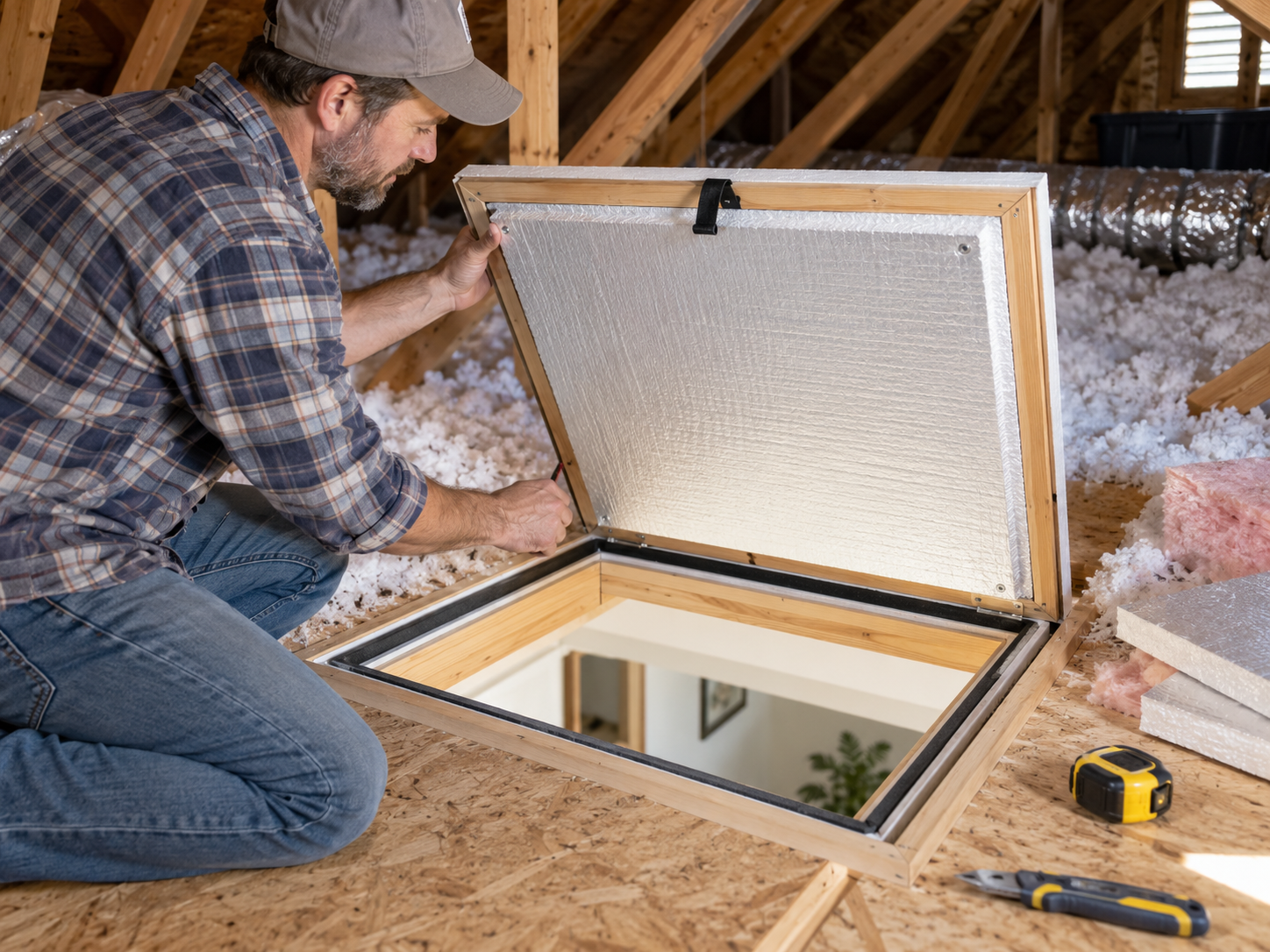
How to Insulate an Attic Hatch
Improve the hatch without making attic access awkward or unsafe.
Read the guide →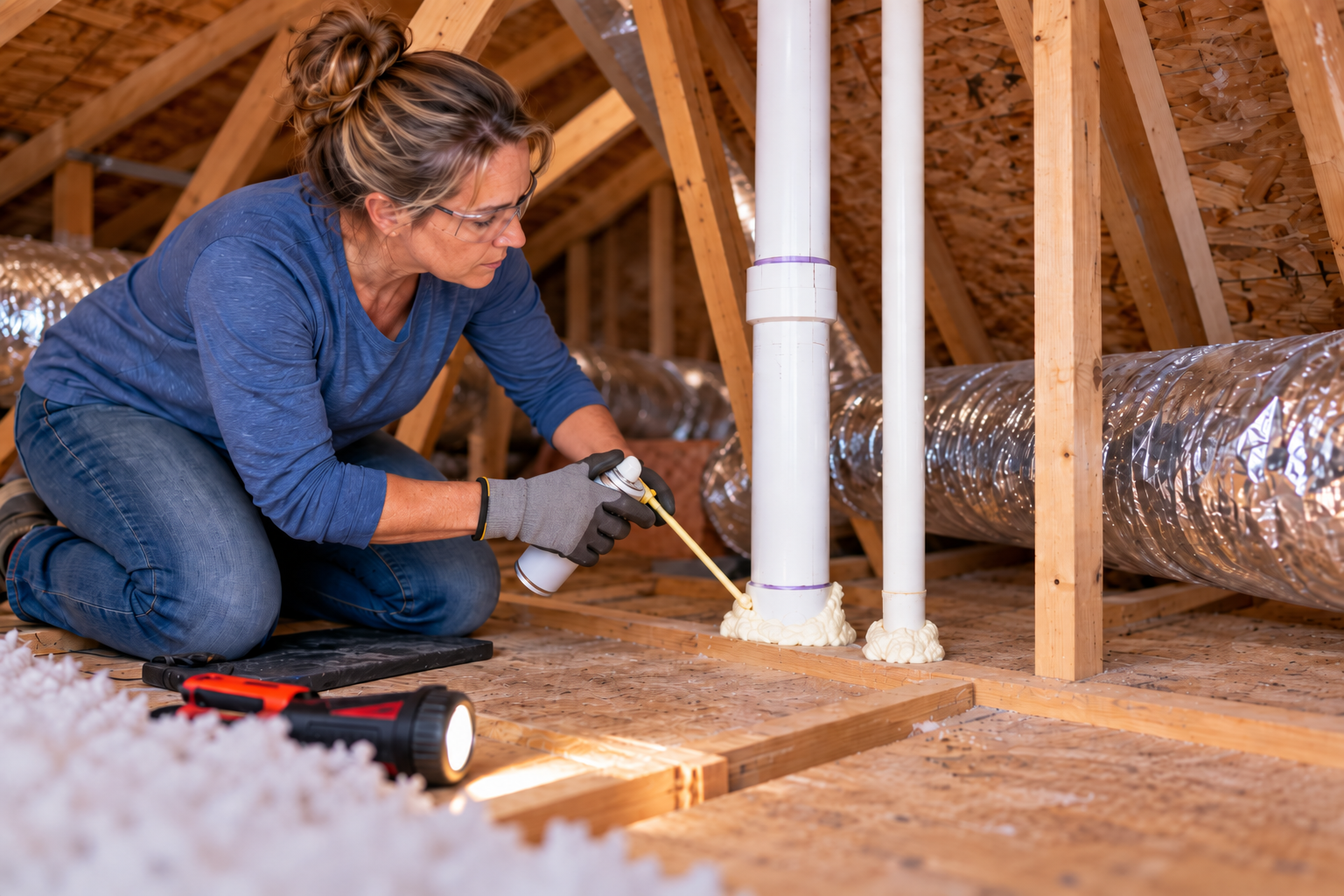
Attic Air Sealing Before Insulation
Seal major leaks while protecting vents, combustion clearances, and electrical safety.
Read the guide →Balance intake and exhaust
Attic Ventilation Systems
Size and arrange passive ventilation without blocking soffits or mixing incompatible exhaust approaches.
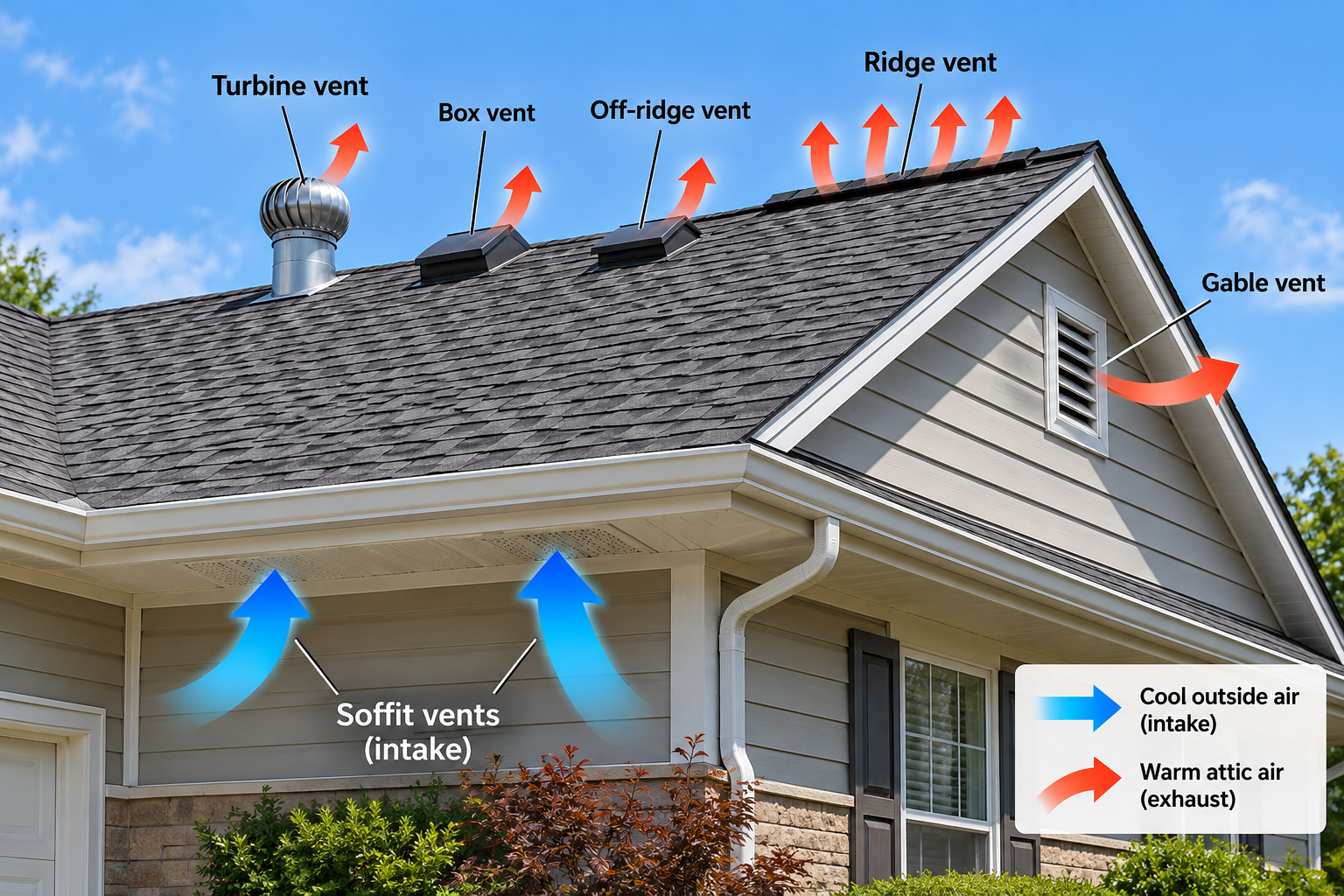
Attic Ventilation Guide
Understand intake, exhaust, balance, and the limits of ventilation.
Read the guide →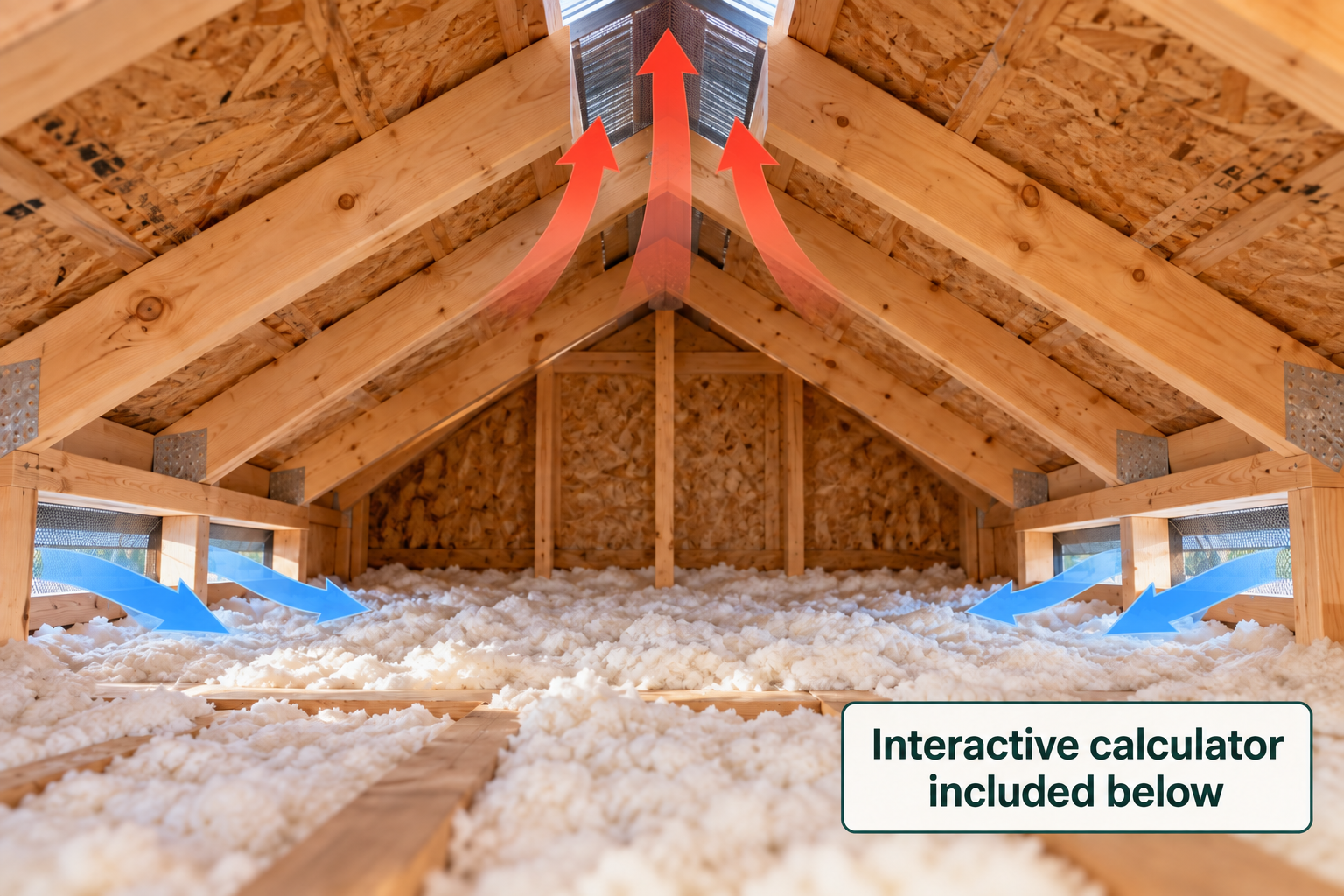
Attic Ventilation Calculator
Estimate net free vent area and balance intake with exhaust.
Read the guide →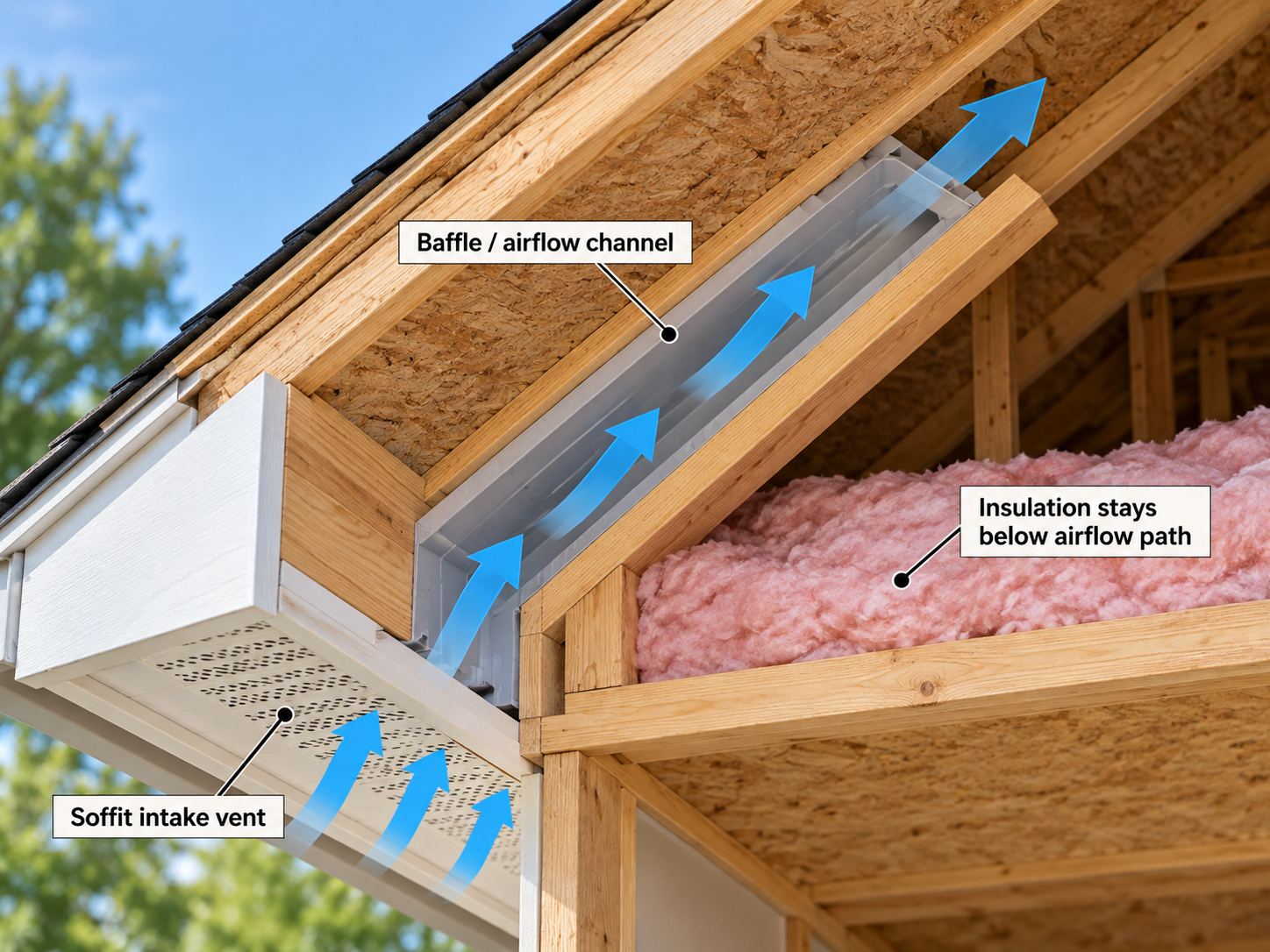
Soffit Baffles
Choose and place baffles that keep insulation from blocking airflow.
Read the guide →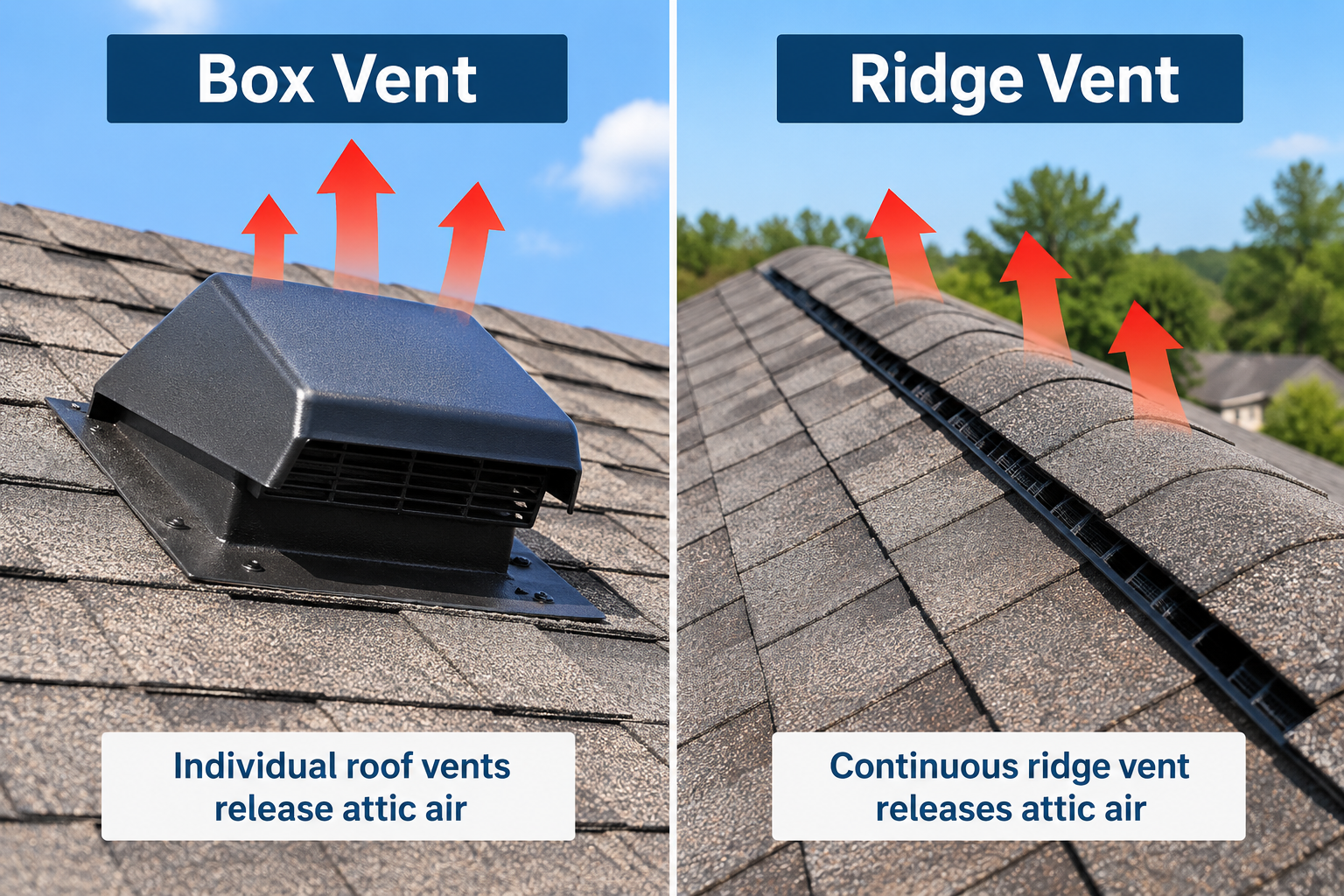
Box Vent vs Ridge Vent
Compare coverage, roof design, intake needs, and retrofit practicality.
Read the guide →Use the symptom to find the building-science problem
Heat, Frost, Moisture, and Unsafe Exhausts
Recognize the clues that point to air leakage, blocked airflow, inadequate insulation, or incorrect venting.
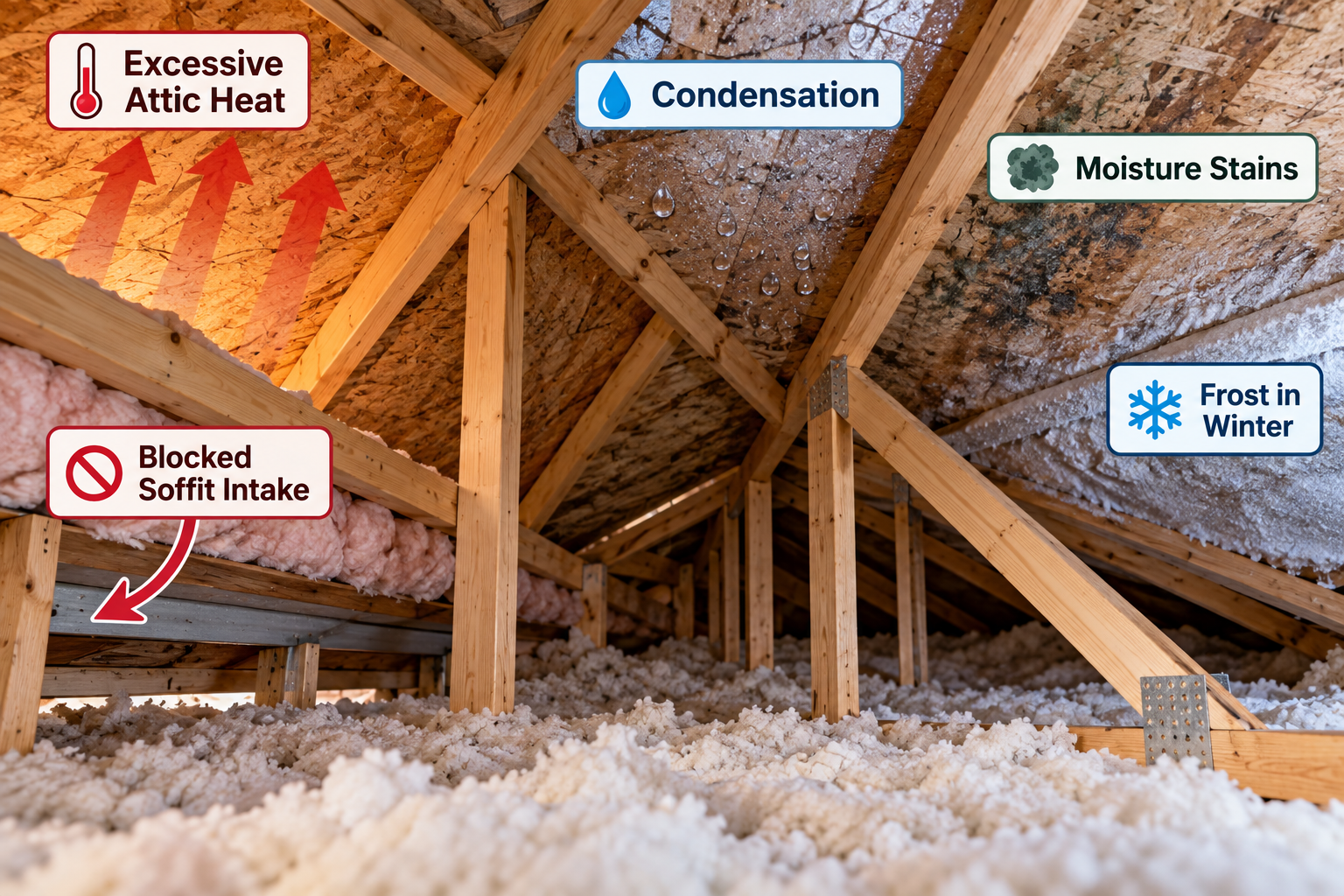
Signs of Poor Attic Ventilation
Use heat, moisture, frost, odor, and airflow clues to recognize a problem.
Read the guide →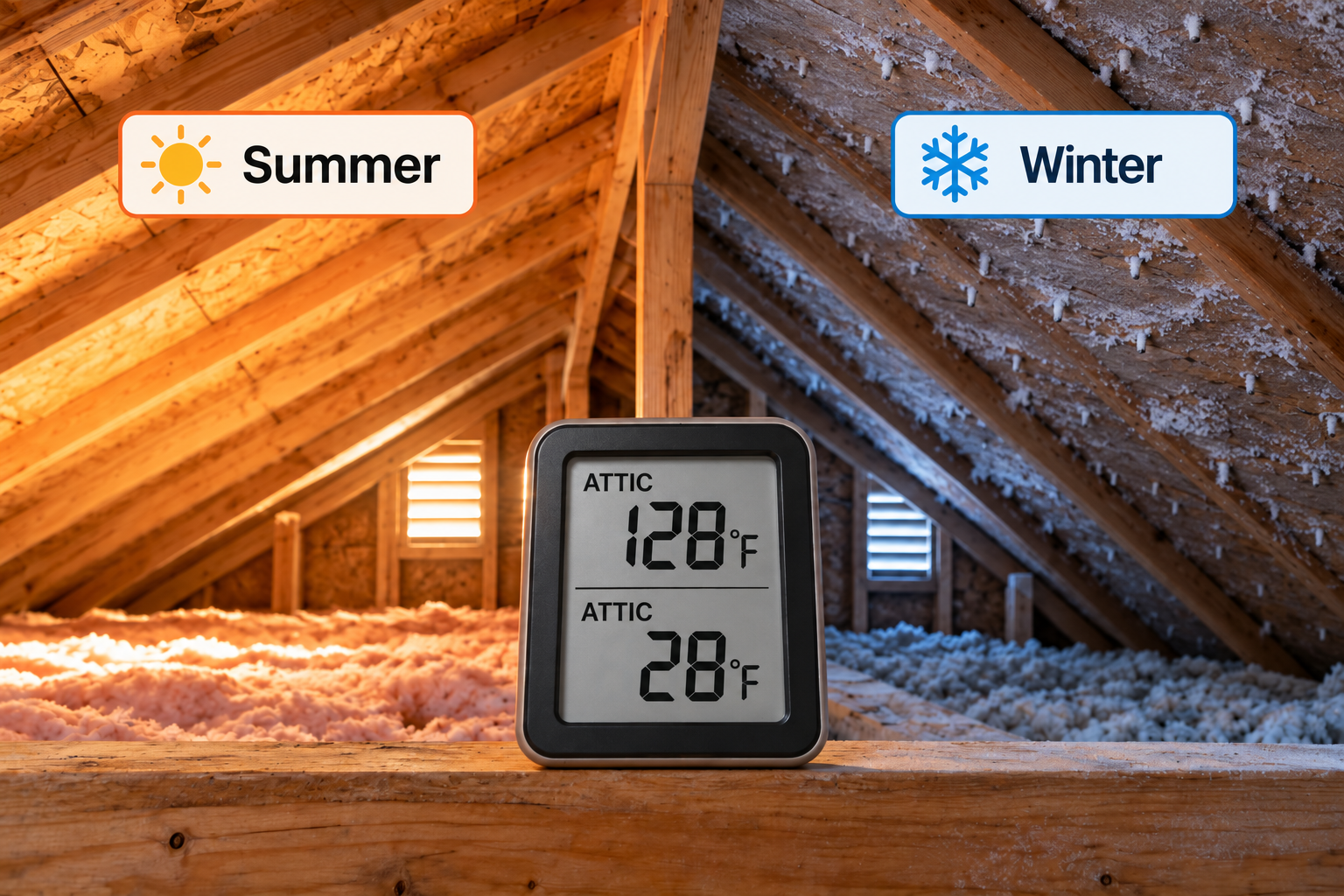
Attic Temperature
Understand normal heat and cold patterns and when extremes signal trouble.
Read the guide →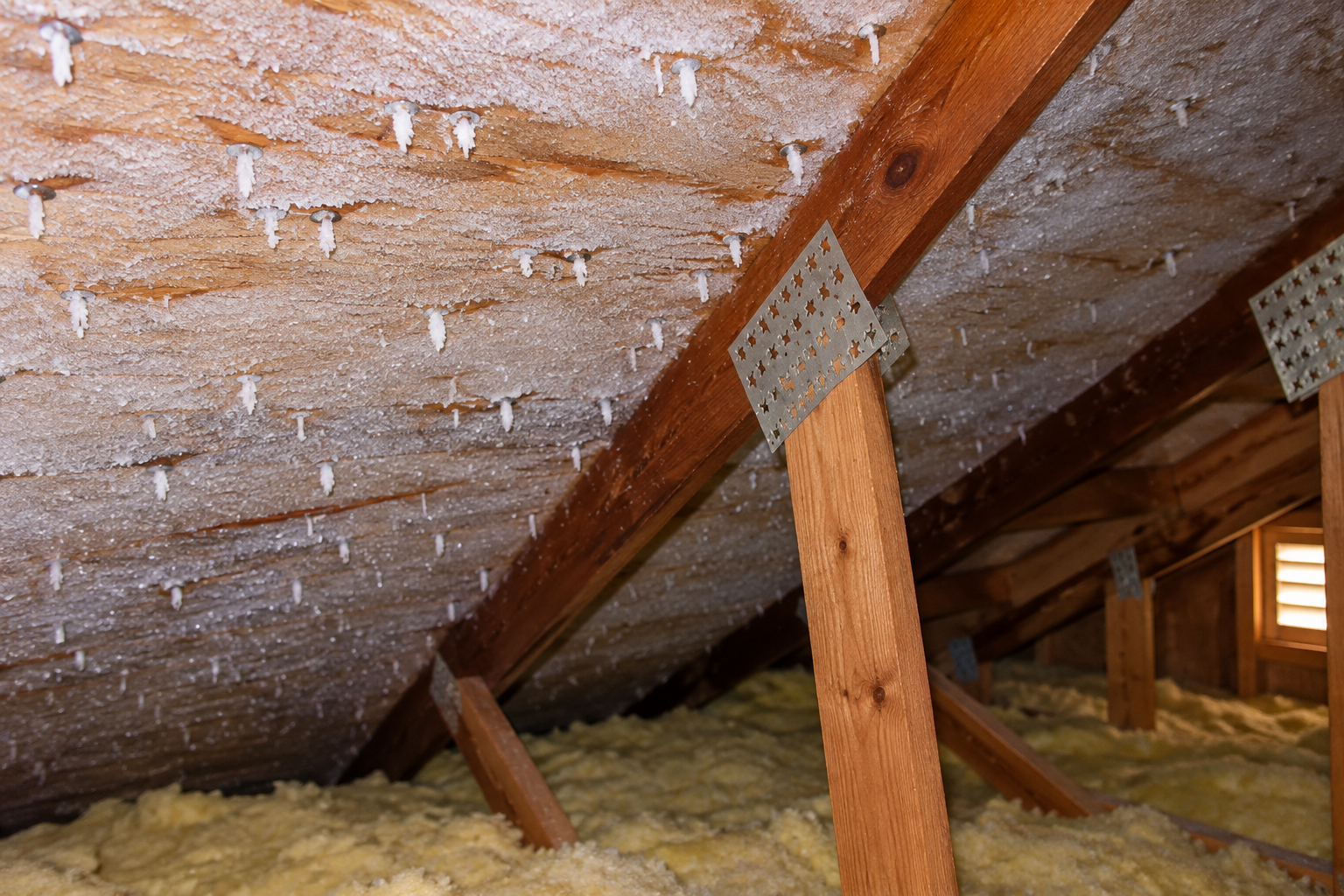
Frost in the Attic
Trace indoor air leakage, ventilation, and insulation issues behind winter frost.
Read the guide →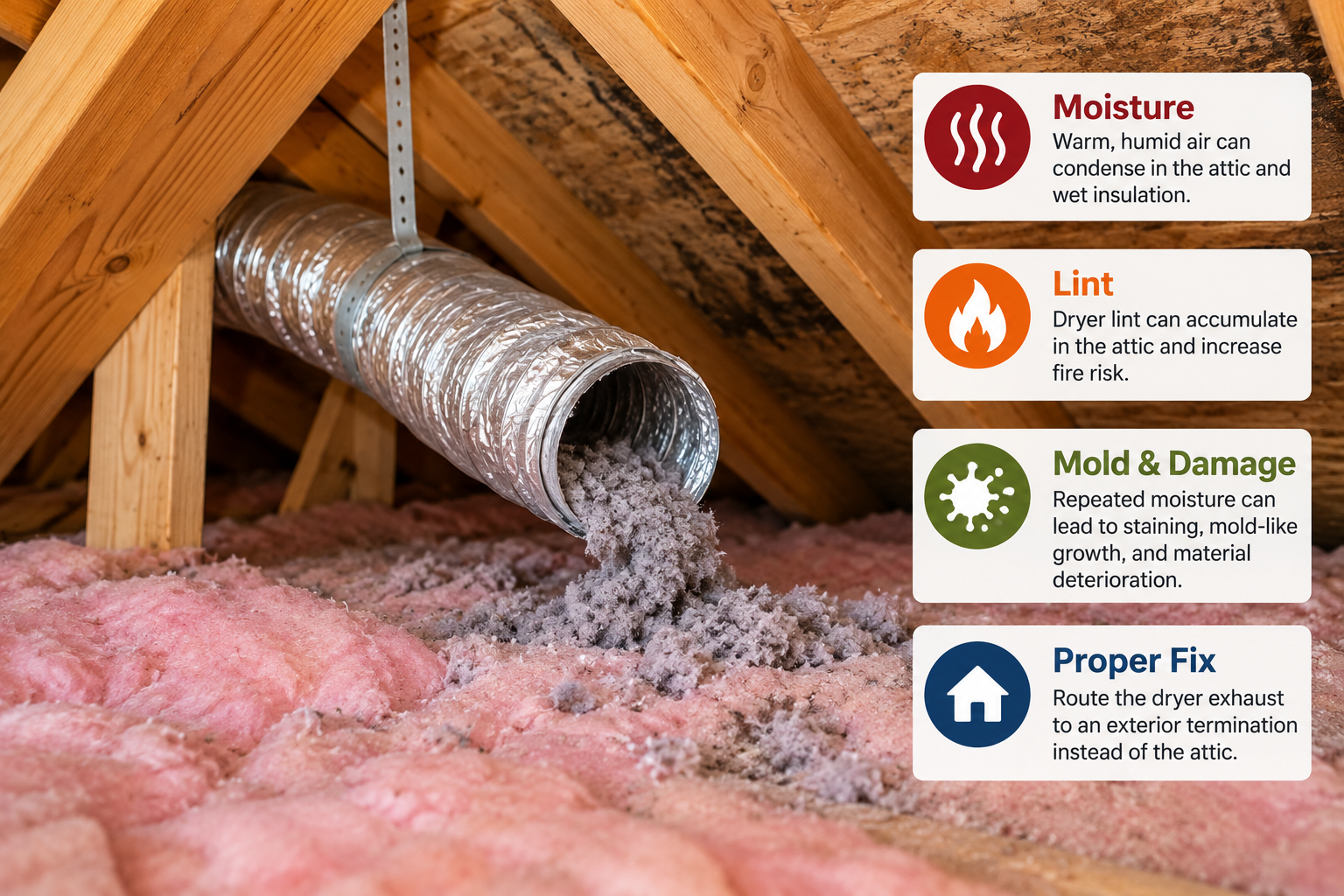
Dryer Venting Into the Attic
Learn why attic termination creates moisture, lint, mold, and fire risks.
Read the guide →Powered airflow is not always the answer
Attic Fan Selection and Value
Decide whether a powered ventilator fits the attic and compare solar and electric options.
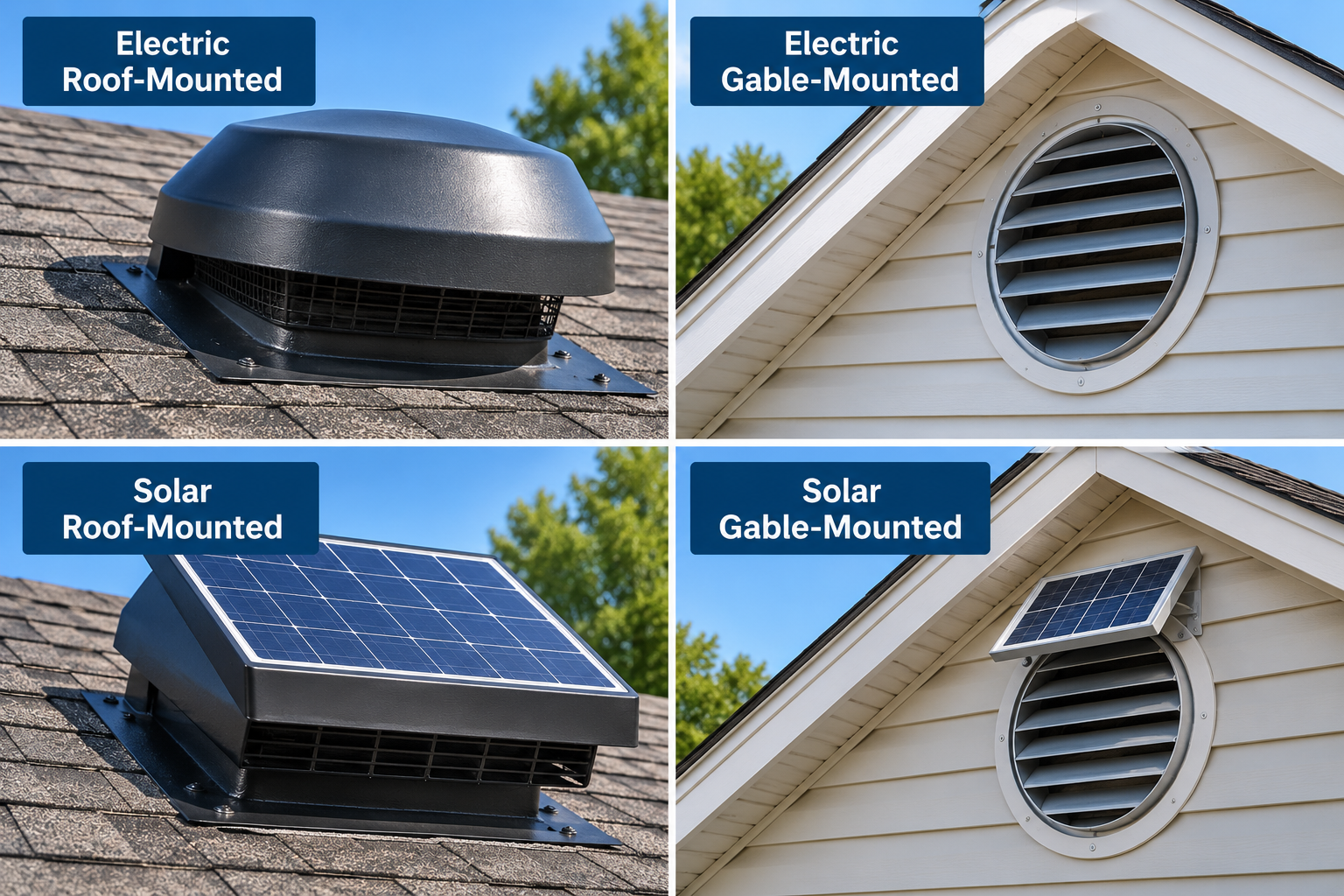
Best Attic Fan
Choose capacity, controls, installation type, and features carefully.
Read the guide →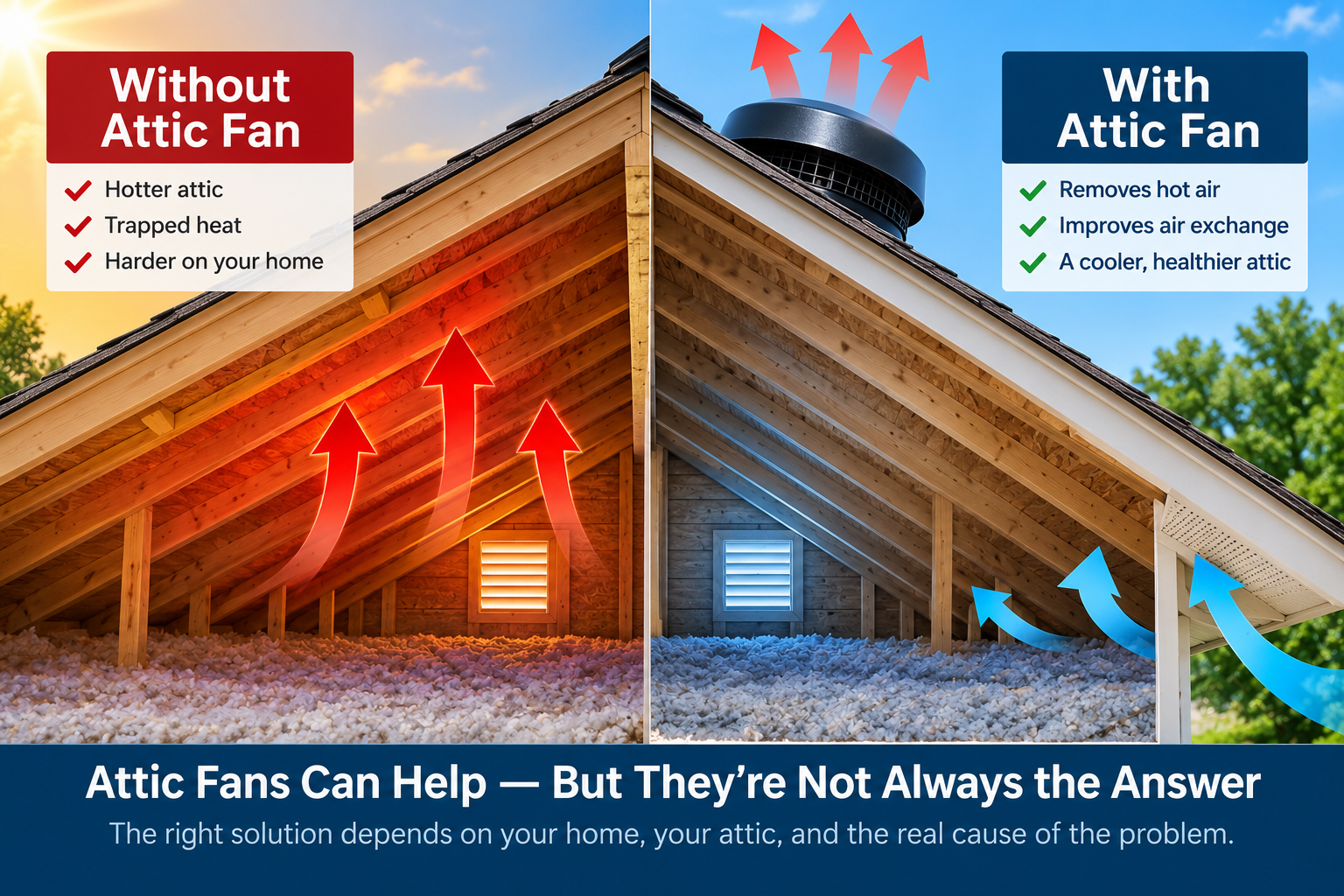
Are Attic Fans Worth It?
Know when powered ventilation may help—and when it can worsen air leakage.
Read the guide →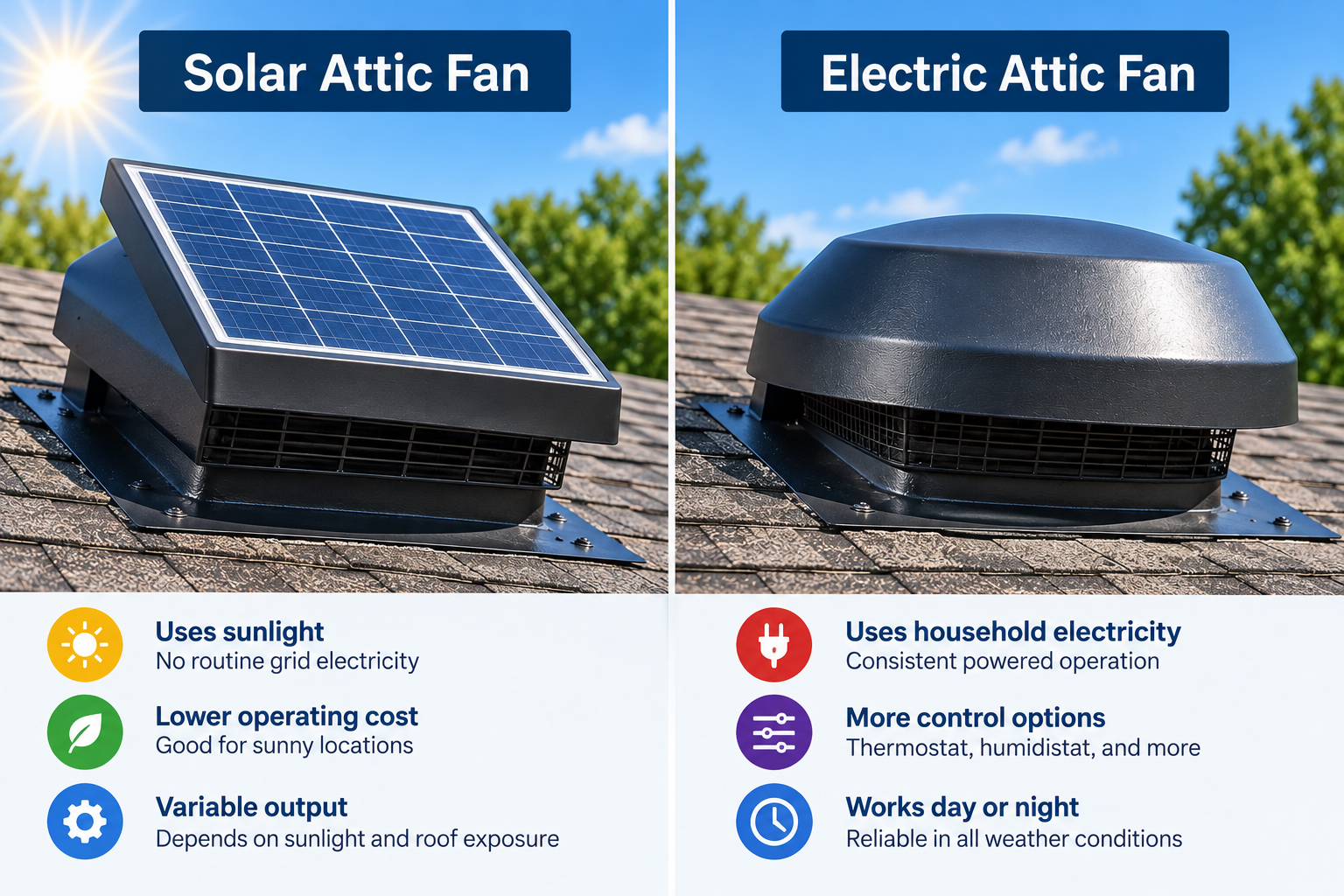
Solar vs Electric Attic Fan
Compare output, controls, operating cost, weather dependence, and value.
Read the guide →Finished with this topic?
Continue exploring Home Repair Atlas
Move to another repair area or return to the beginning of the Attic & Insulation hub.
Complete Guide Library
All Attic & Insulation Guides
Every Attic and Insulation guide in one compact directory, grouped by the assembly or decision it helps you address.