
Basement
Repair Guides / Moisture & Foundation
Basement
Find basement moisture sources, control humidity, respond to water entry, compare waterproofing options, and maintain sump pumps and window wells.
- 20 focused guides
- Moisture-source diagnosis
- Prevention and repair guidance
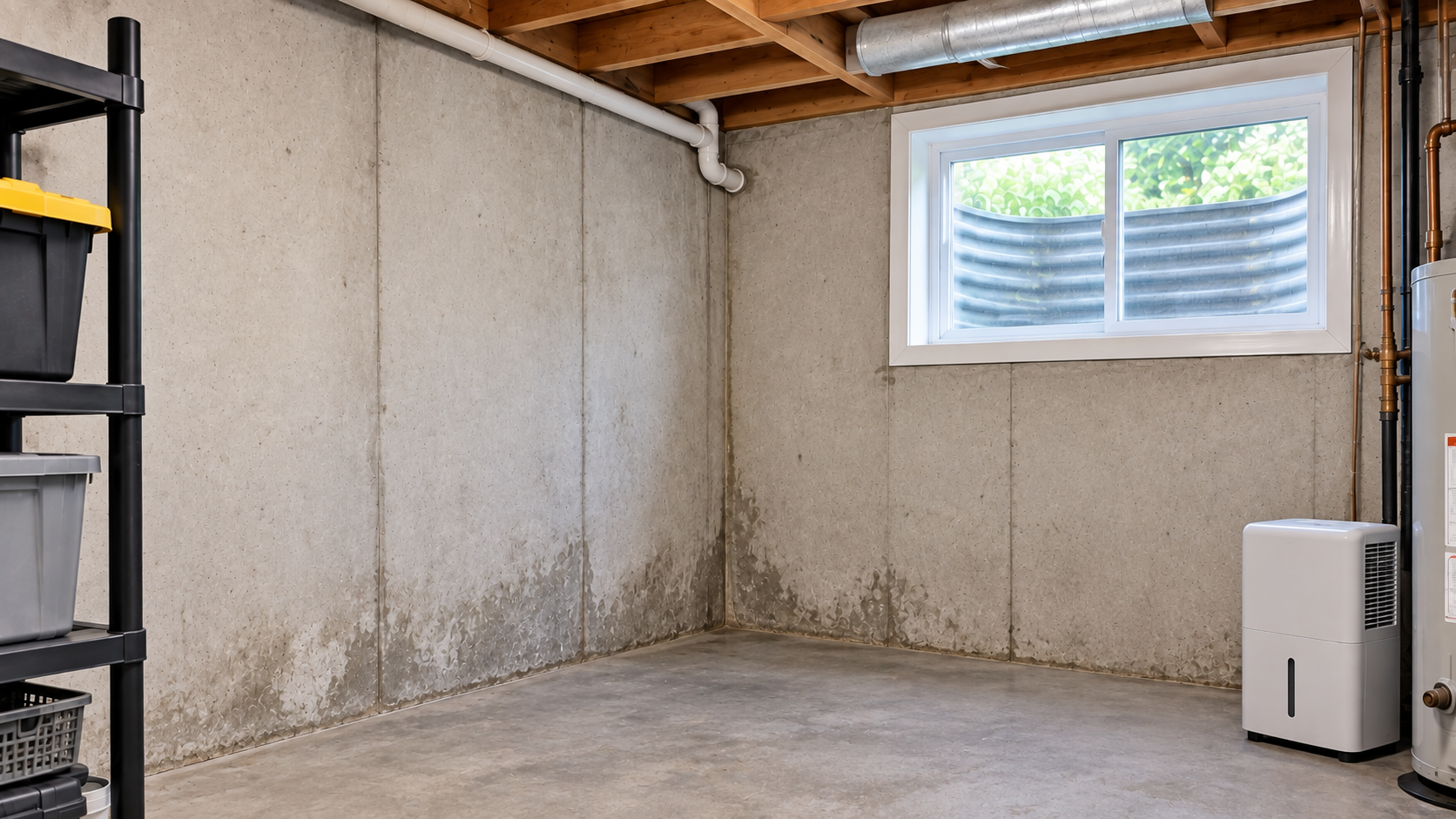 Find the source before choosing the fix.
Recommended starting points
Start With Where the Moisture Appears—and When
Rain timing, wall or floor location, humidity, odor, and visible growth help separate surface moisture from drainage or foundation problems.
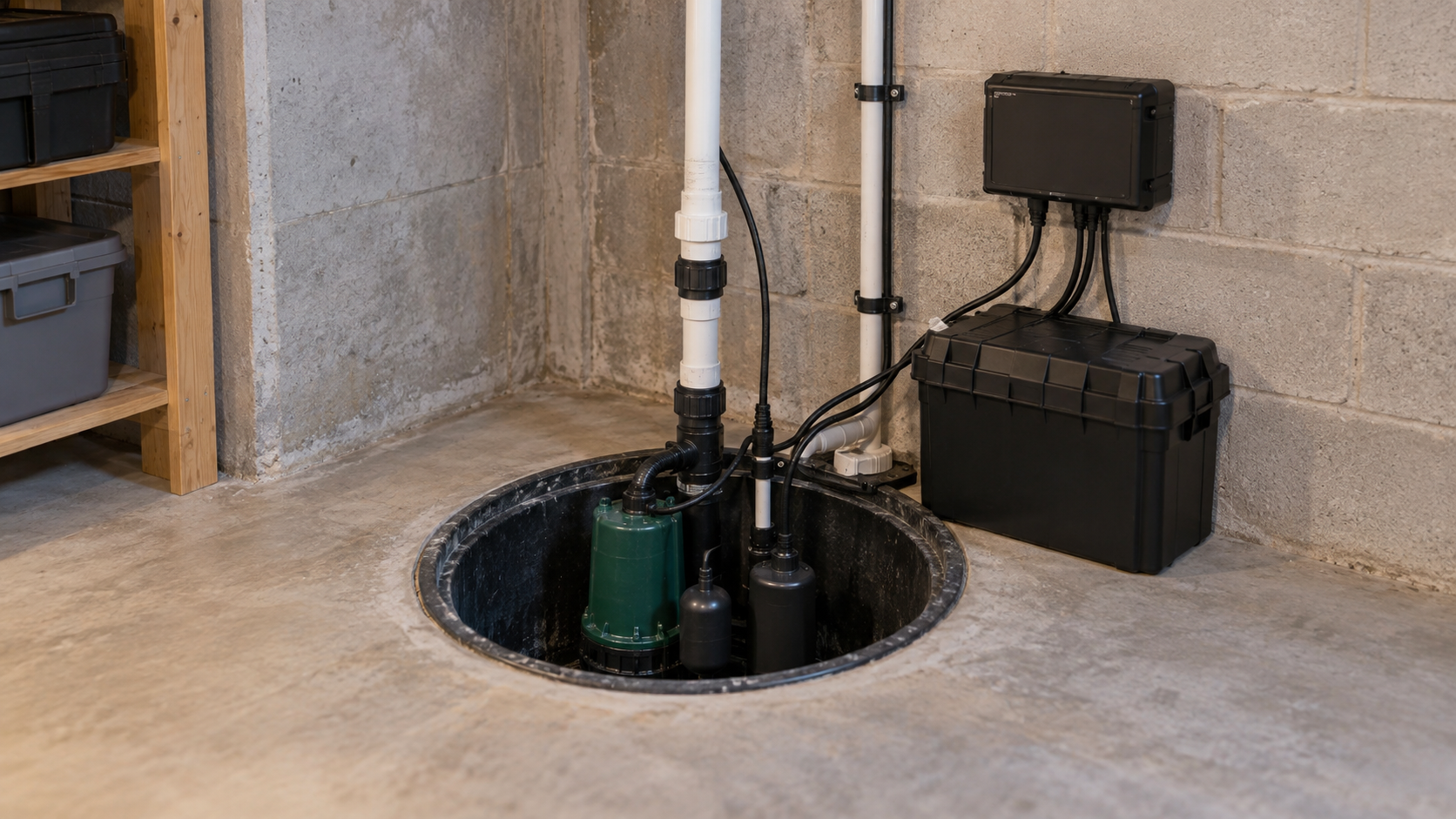
Measure first and identify the source
Dampness, Humidity, Odor, and Mold
Use humidity, timing, surface clues, and material appearance to understand what the basement is telling you.
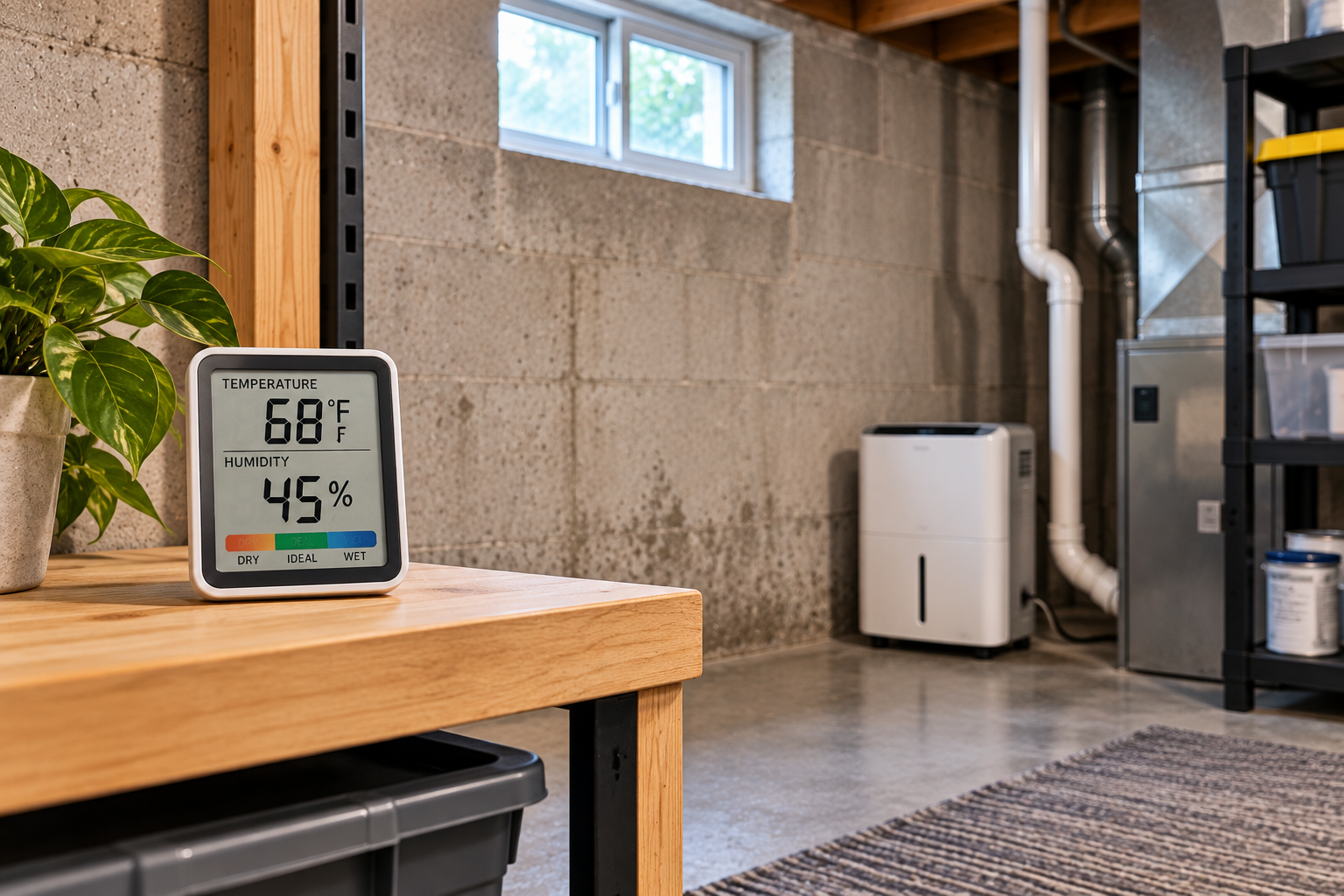
Basement Humidity: Ideal Levels and Control
Measure humidity, identify seasonal causes, and choose practical controls.
Read the guide →Why Is My Basement Damp?
Find the moisture source before choosing equipment, coatings, or repairs.
Read the guide →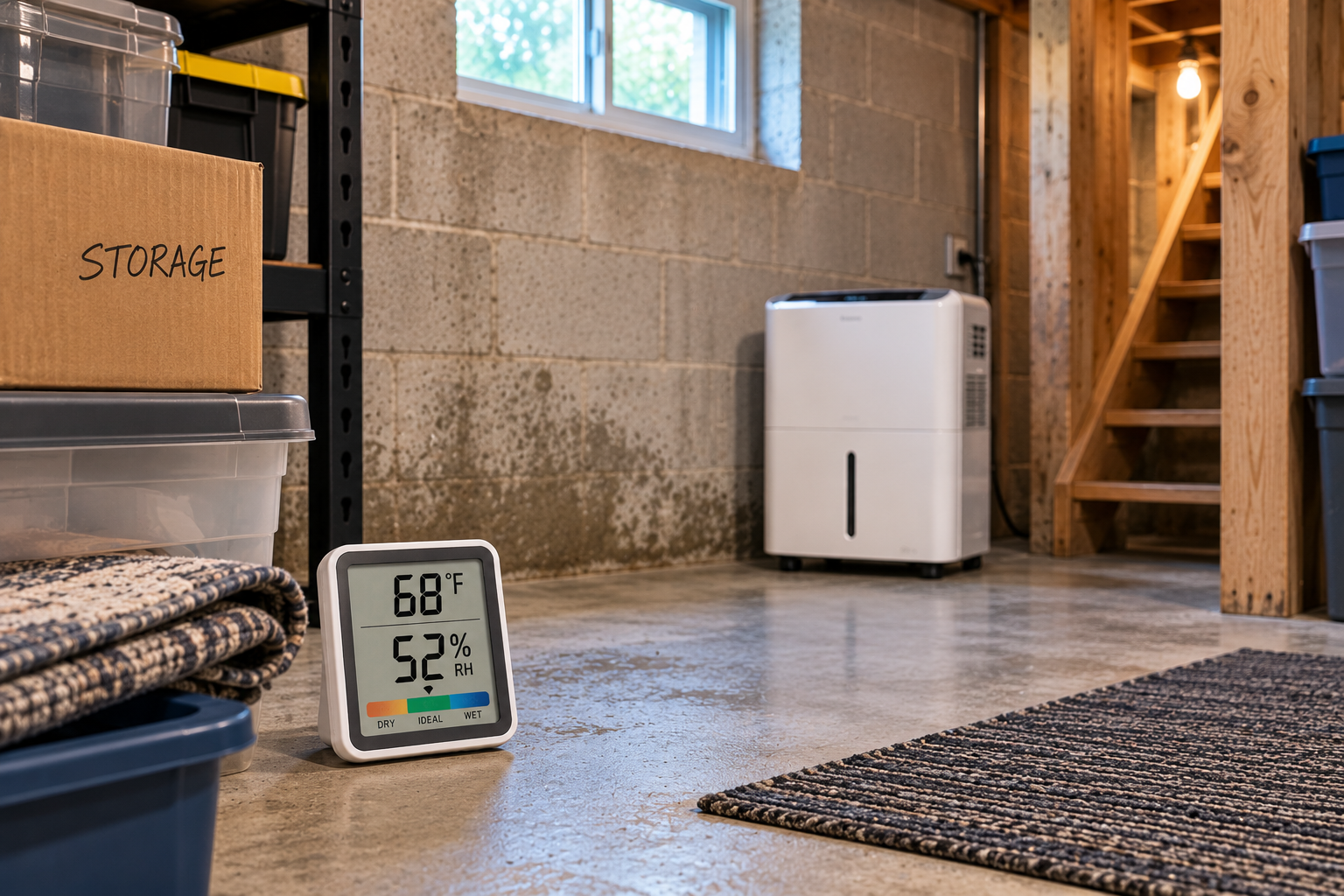
How to Get Rid of a Musty Basement Smell
Treat musty odor as evidence and trace the damp material or air source.
Read the guide →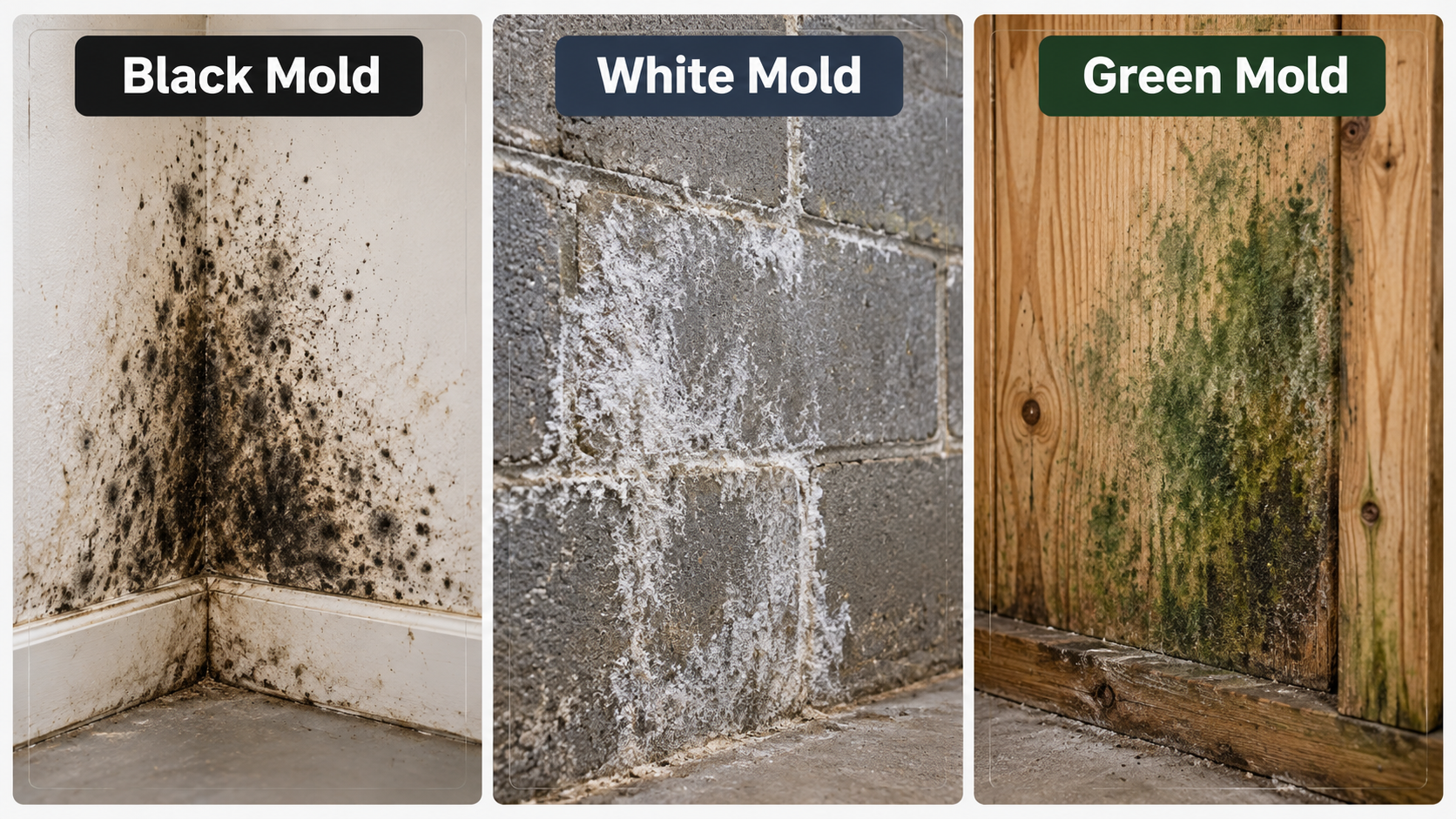
Mold on Basement Walls
Respond safely, correct the moisture source, and know when professional help is warranted.
Read the guide →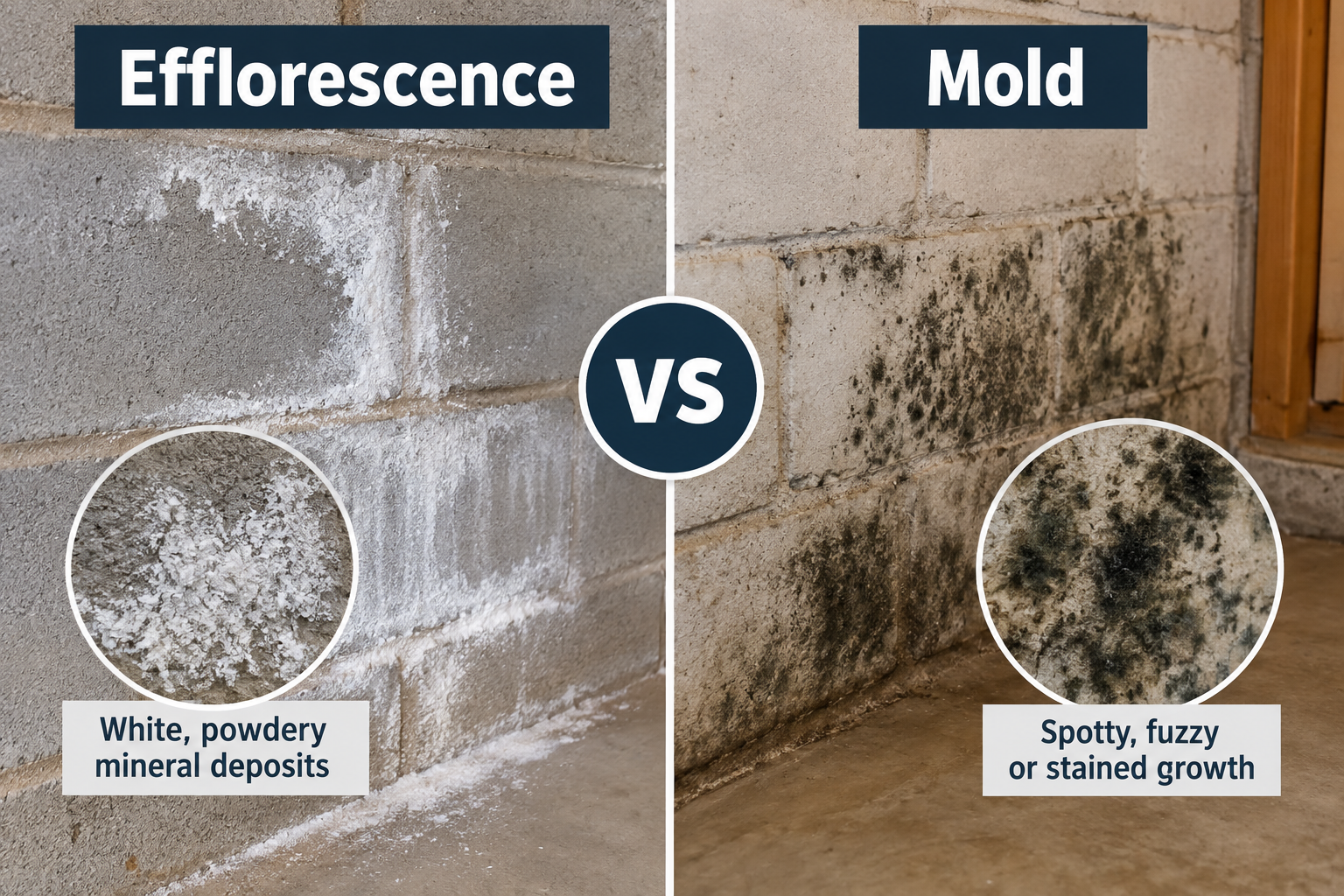
Efflorescence vs Mold
Compare appearance, texture, location, and moisture conditions before cleaning.
Read the guide →Follow the path of rain and groundwater
Water Entry Through Floors and Walls
Distinguish stormwater, wall seepage, floor pressure, and drainage problems before selecting repairs.
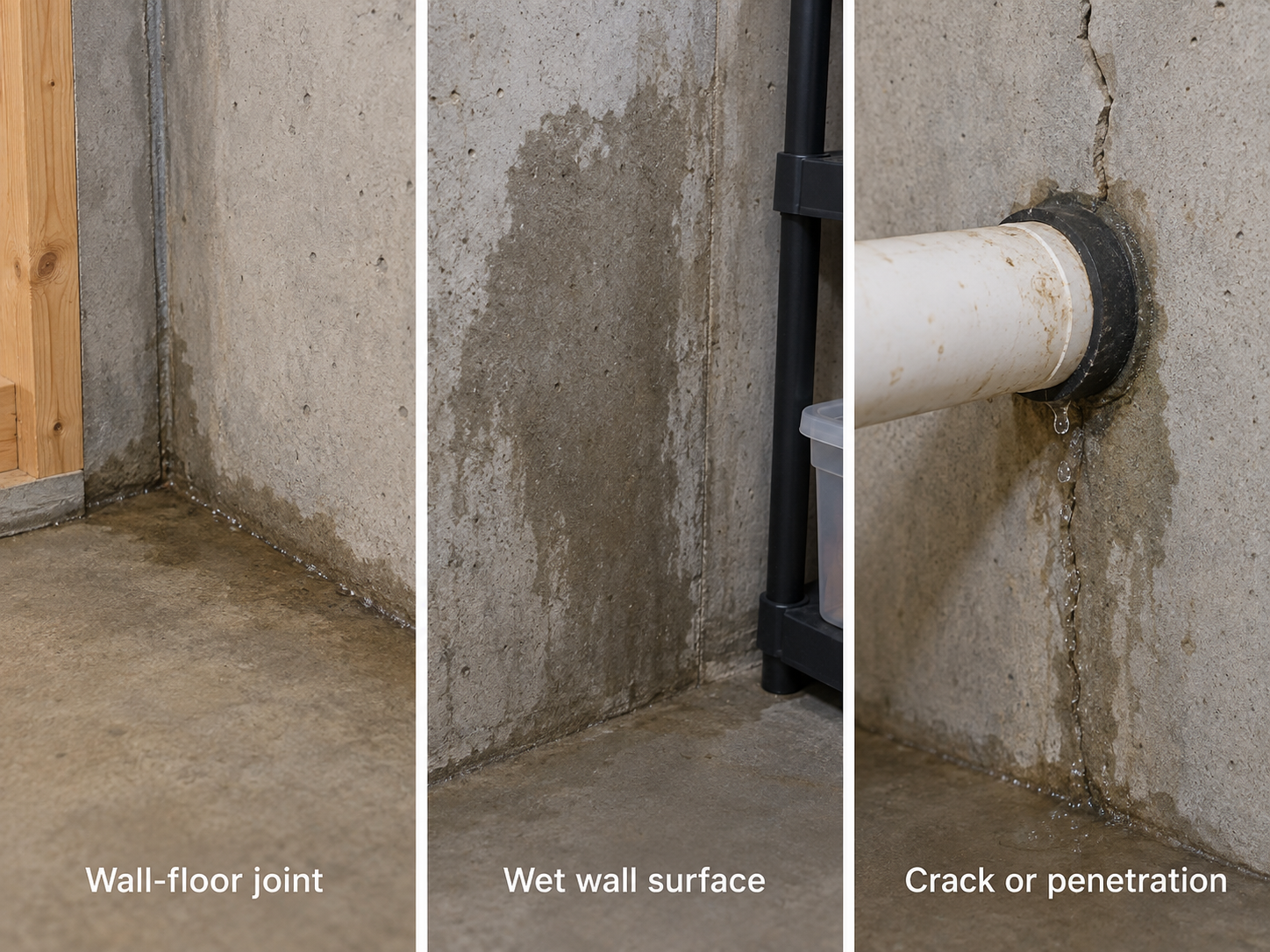
Water in the Basement After Rain
Trace grading, gutters, cracks, walls, floors, and window wells after storms.
Read the guide →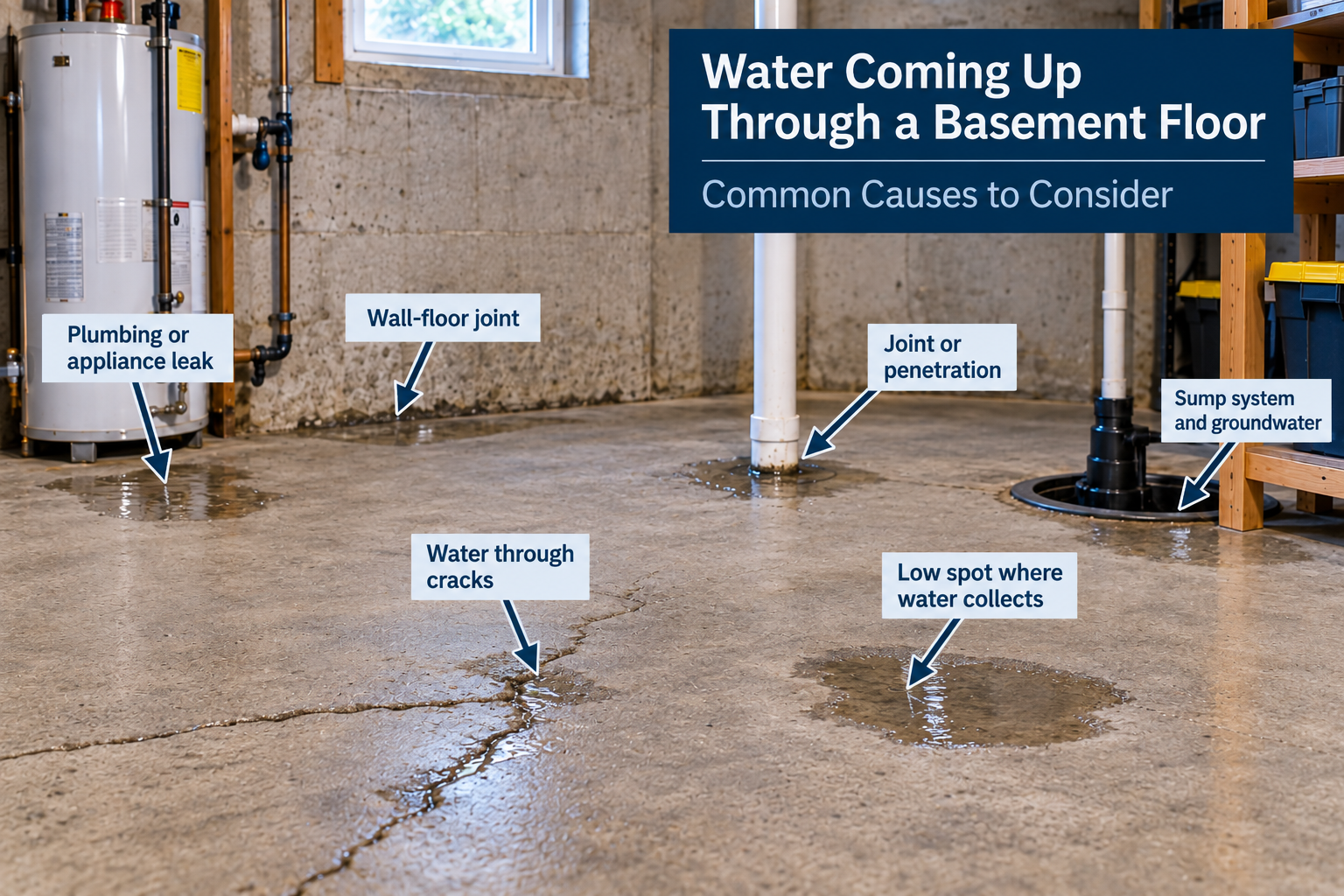
Water Coming Up Through the Basement Floor
Understand floor seepage, drainage limits, and the next professional questions.
Read the guide →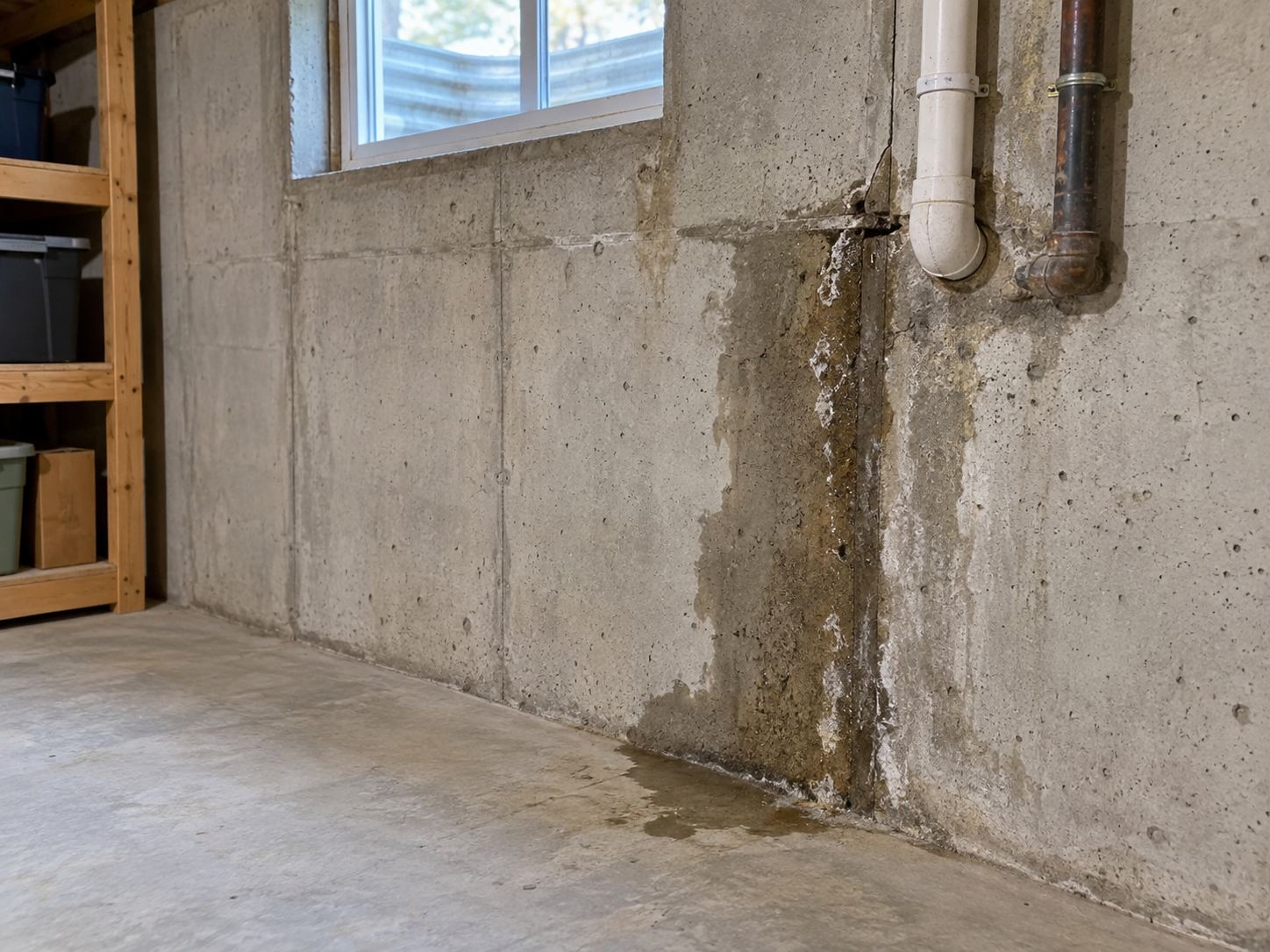
Water Seeping Through a Basement Wall
Use the location and timing of seepage to narrow exterior and foundation causes.
Read the guide →Match the treatment to the water source
Waterproofing, Sealers, and Basement Floors
Compare waterproofing systems, costs, coatings, floor treatments, and subfloors with realistic expectations.
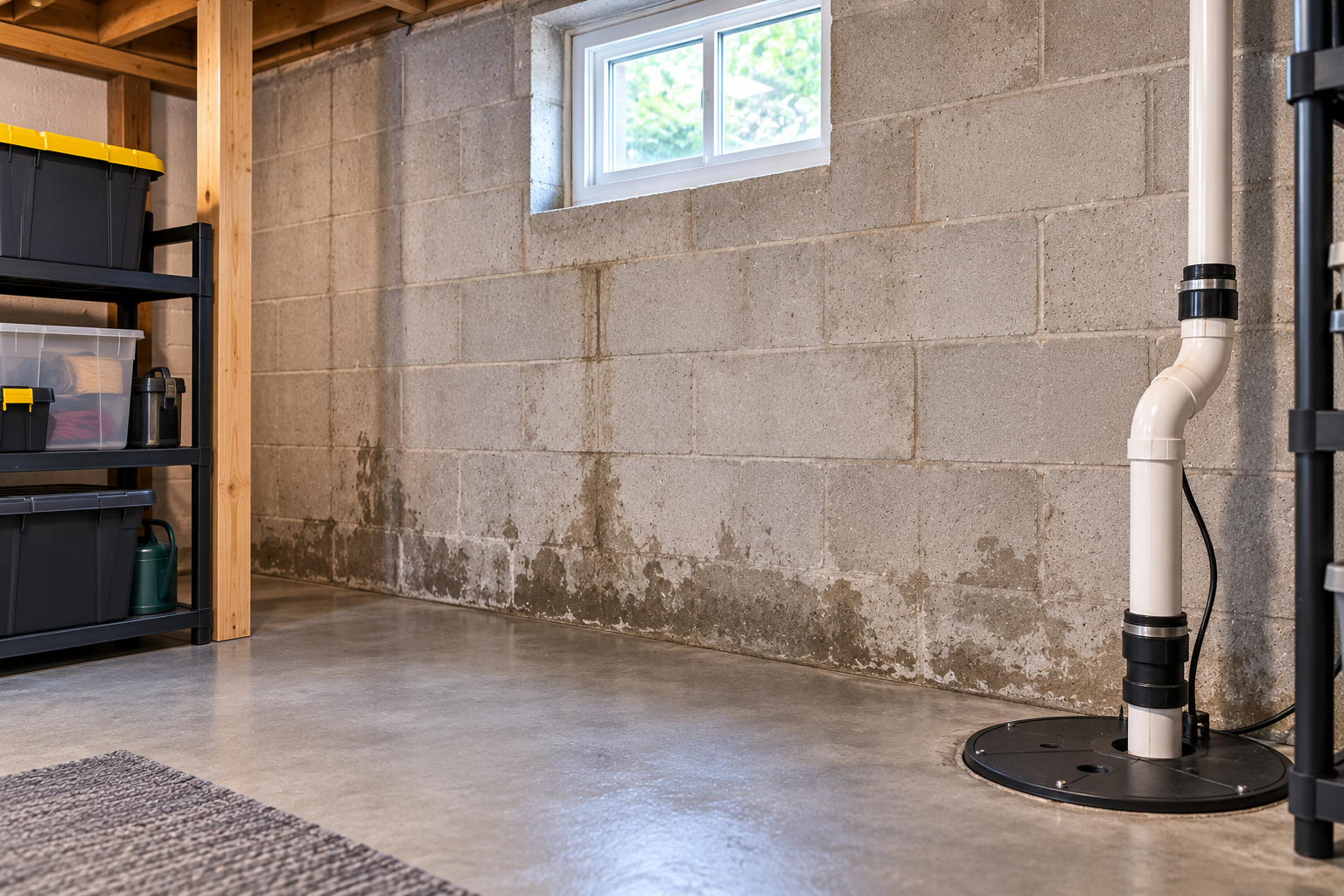
Basement Waterproofing Options
Understand interior drainage, exterior work, coatings, grading, and sump systems.
Read the guide →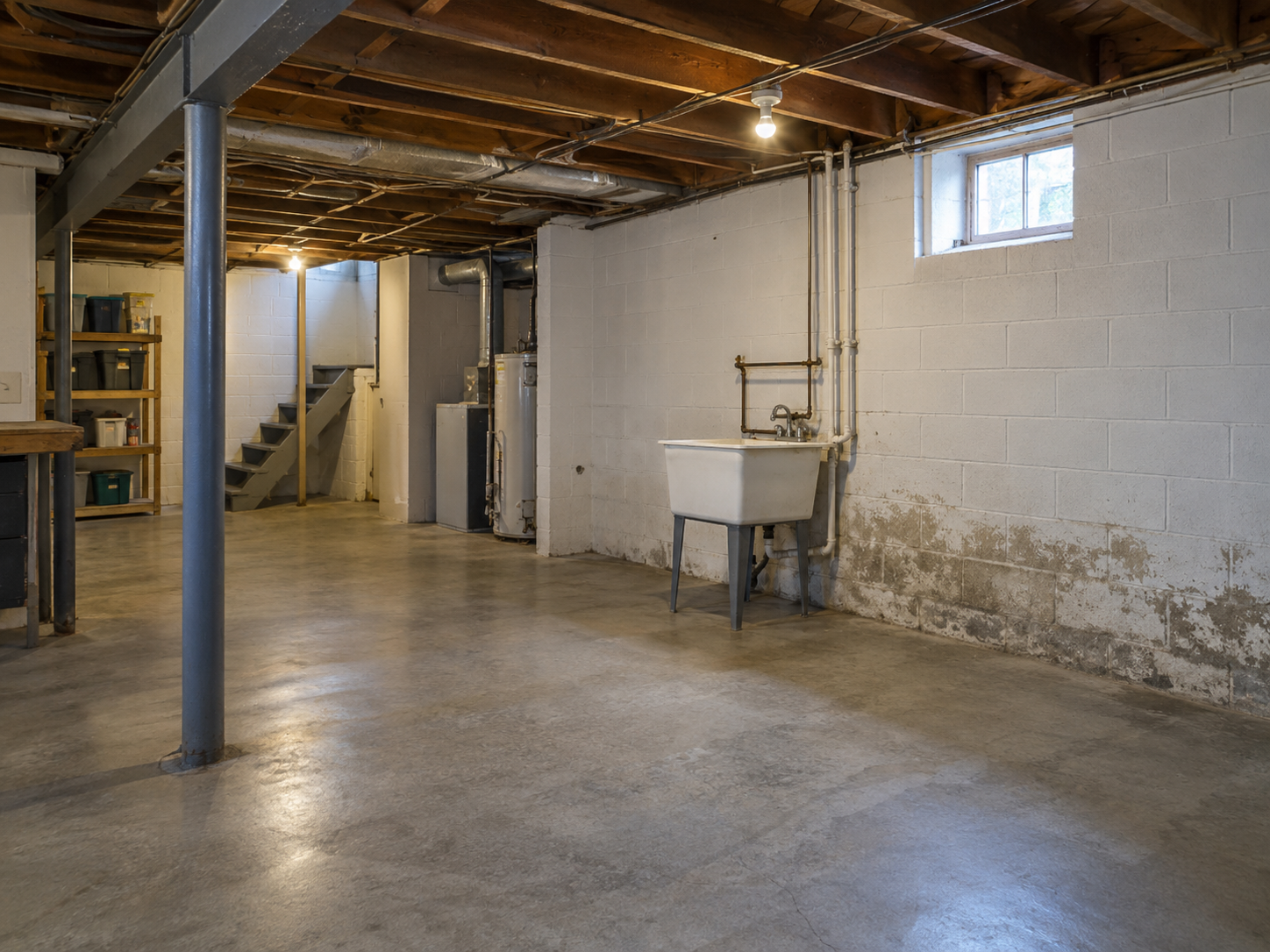
Basement Waterproofing Cost
See how access, water source, excavation, drainage, and finish restoration affect price.
Read the guide →
Basement Floor Sealer Options
Choose treatments based on moisture, slab condition, use, and finish goals.
Read the guide →
Basement Subfloor Options
Compare raised, insulated, modular, and moisture-tolerant subfloor approaches.
Read the guide →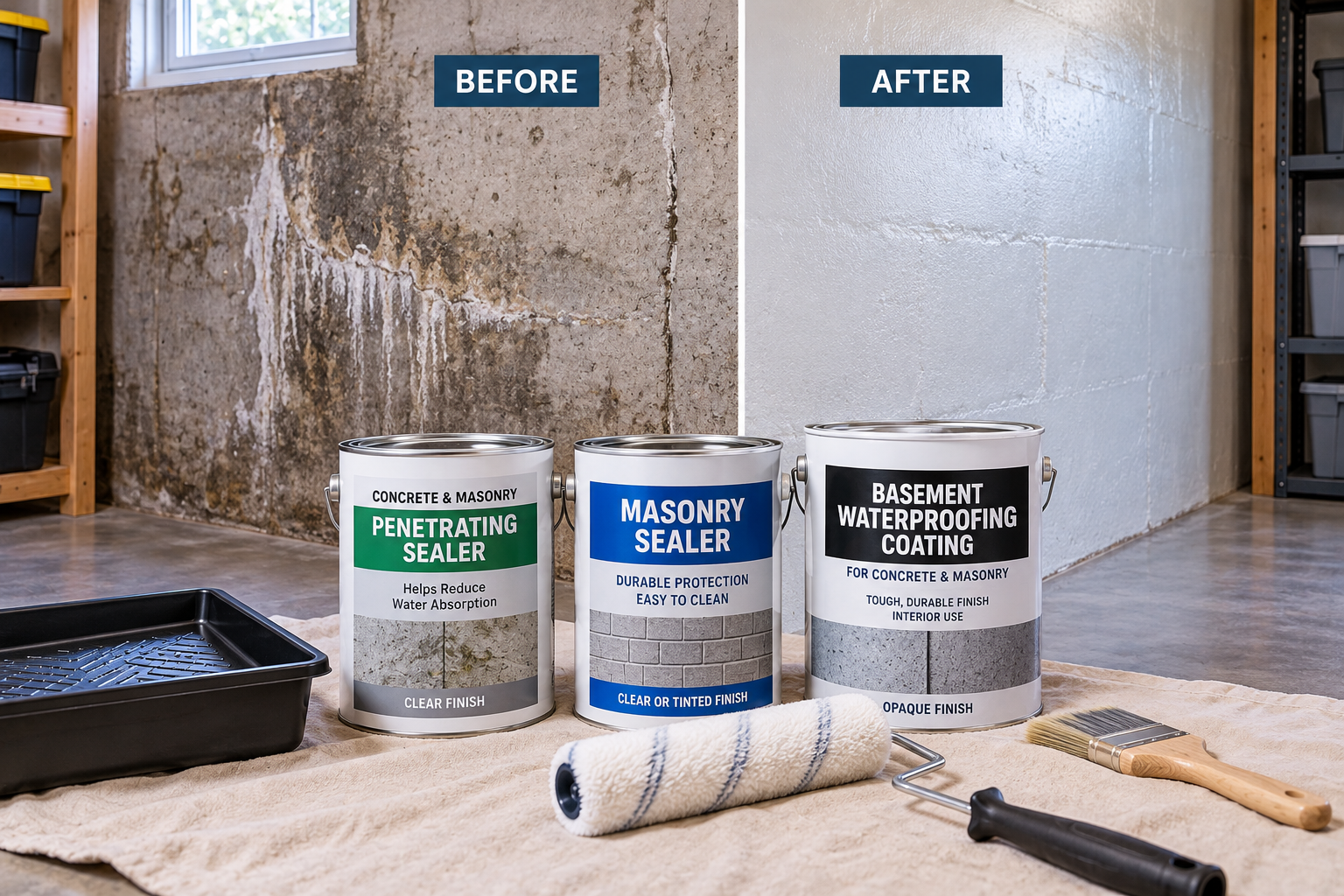
Basement Wall Sealer
Learn when coatings help, when they fail, and what must be fixed first.
Read the guide →Prepare before the next storm
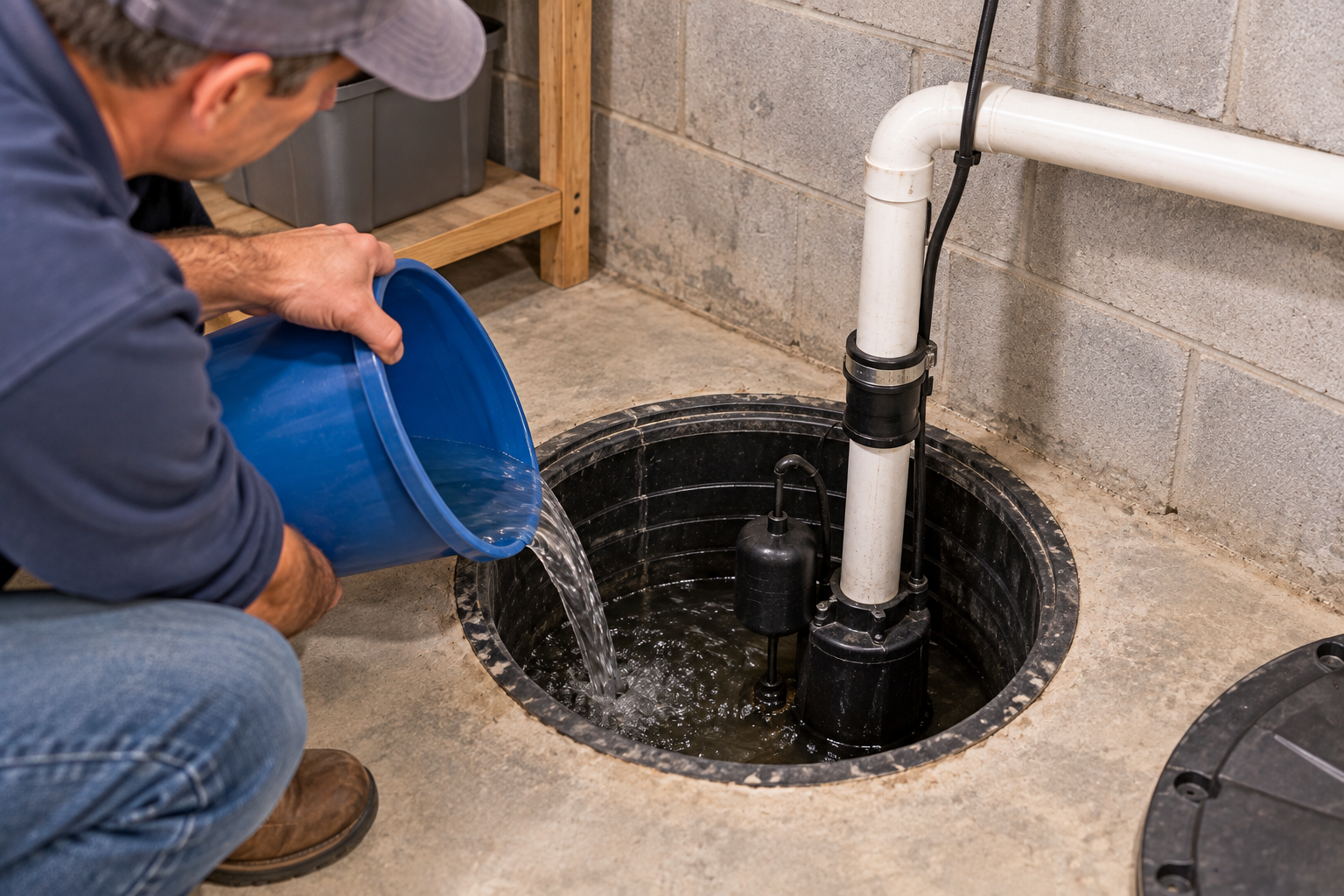
Sump Pump Testing and Backup Power
Verify the primary pump works and choose backup protection before heavy rain or an outage.
Keep surface water away from the opening
Window Well Drainage, Covers, and Cleaning
Prevent pooling with correct drainage, fitted covers, and routine debris removal.
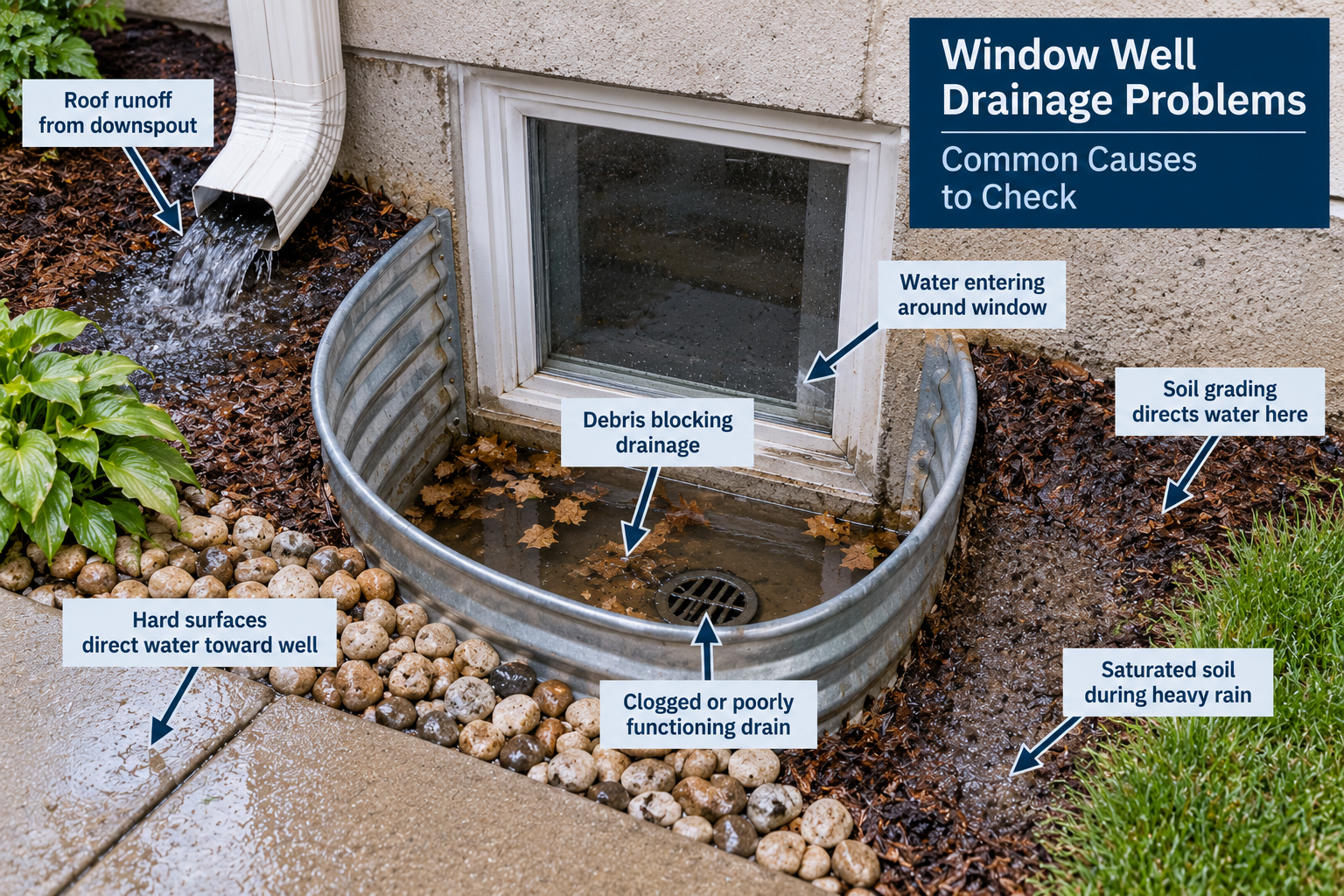
Window Well Drainage Problems
Check covers, drains, soil height, debris, and the connection to foundation drainage.
Read the guide →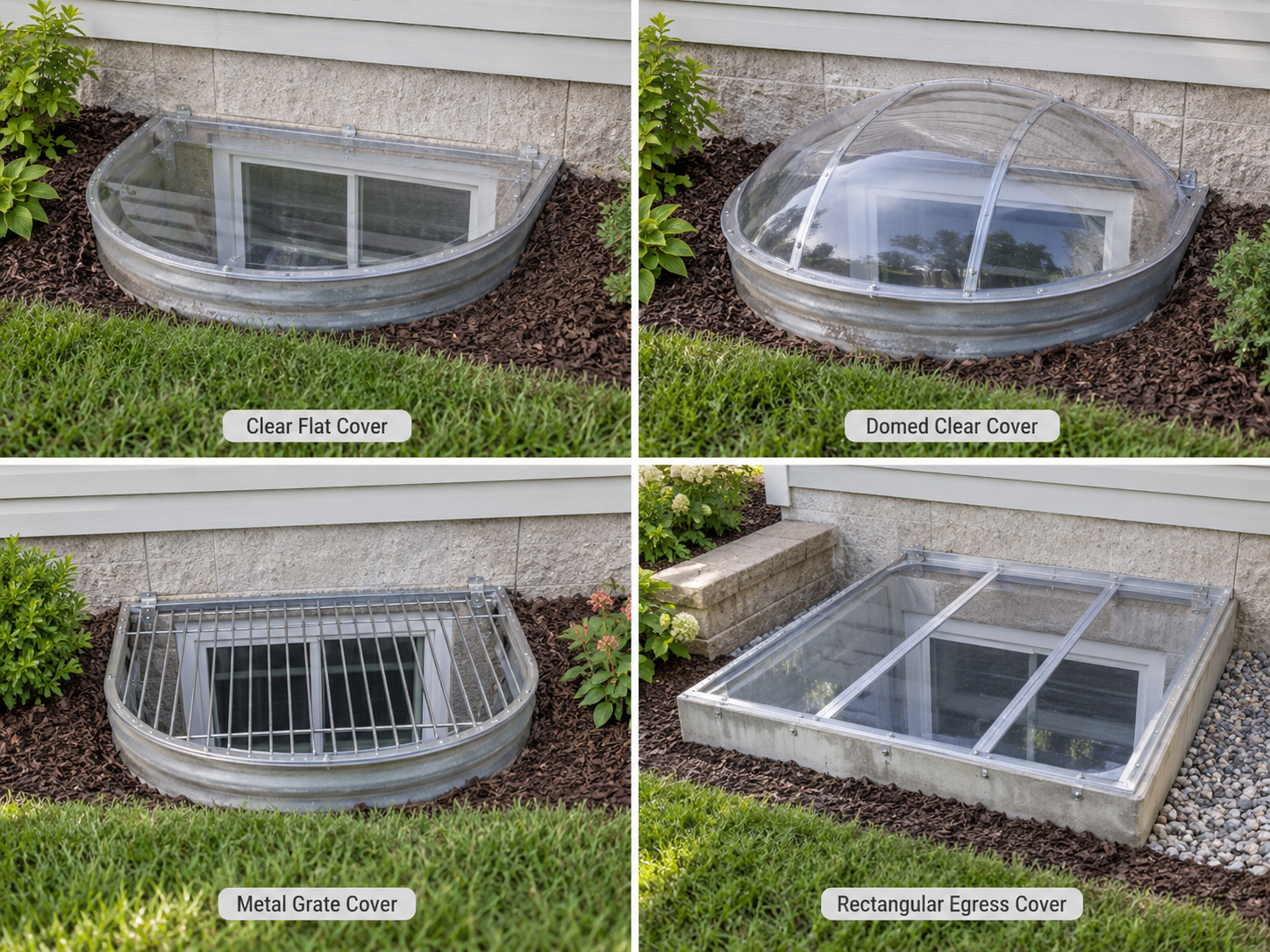
Window Well Cover Buying Guide
Match shape, strength, fit, ventilation, and drainage to the opening.
Read the guide →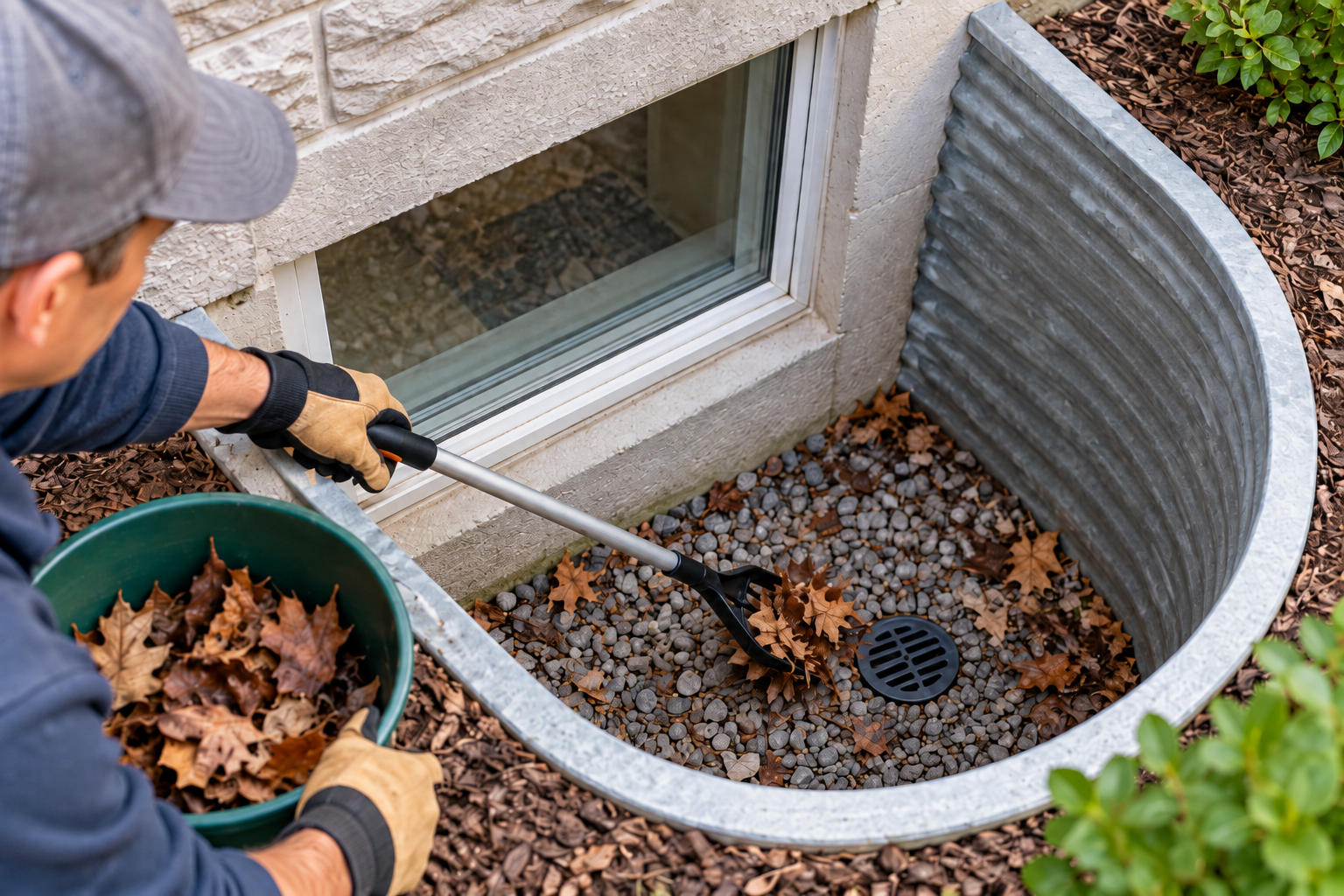
How to Clean and Maintain a Window Well
Remove debris, inspect drainage, and keep the well ready for heavy rain.
Read the guide →Control moisture after water sources are addressed
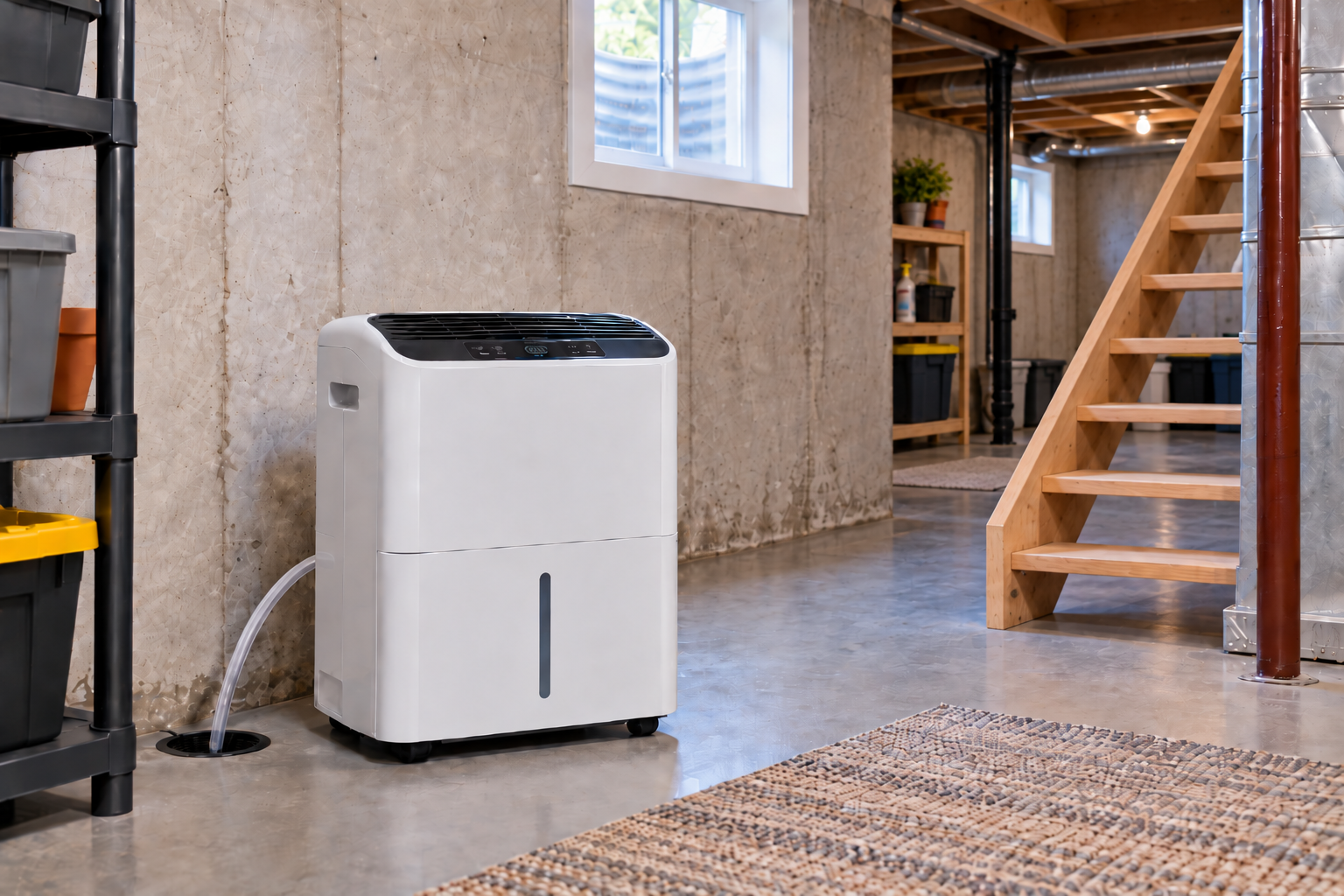
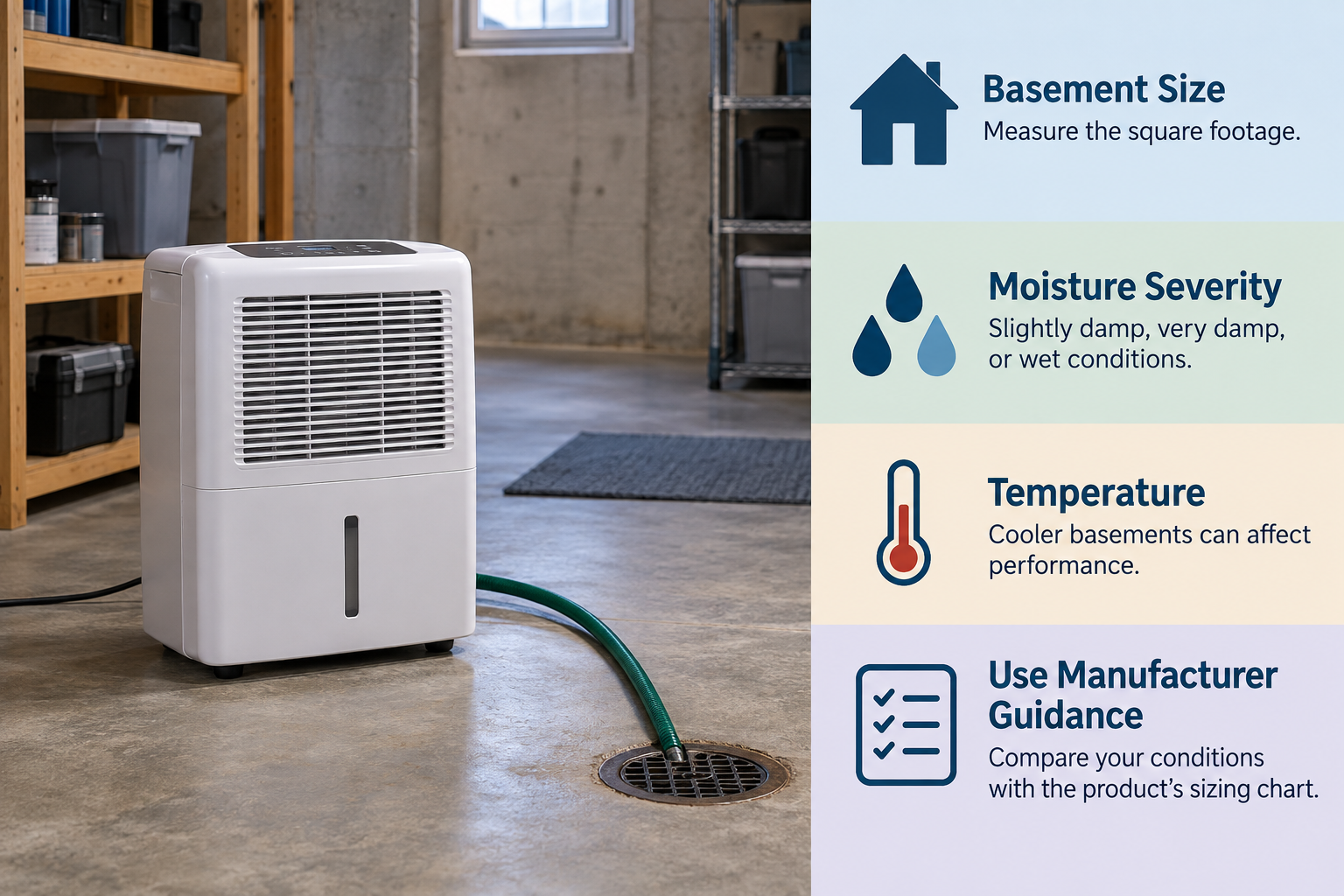
Basement Dehumidifier Selection and Sizing
Choose equipment that matches the space, dampness level, temperature, and drainage plan.
Finished with this topic?
Continue exploring Home Repair Atlas
Move to another repair area or return to the beginning of the Basement hub.
Complete Guide Library
All Basement Guides
Every Basement guide in one compact directory, grouped by the moisture source or decision it helps you handle.