
Electrical
Repair Guides / Home Systems
Electrical
Troubleshoot outlets, switches, lighting, GFCIs, breakers, and common electrical warning signs—without crossing the line into unsafe DIY work.
- 30 focused guides
- Safety-first checks
- Clear stop-and-call guidance
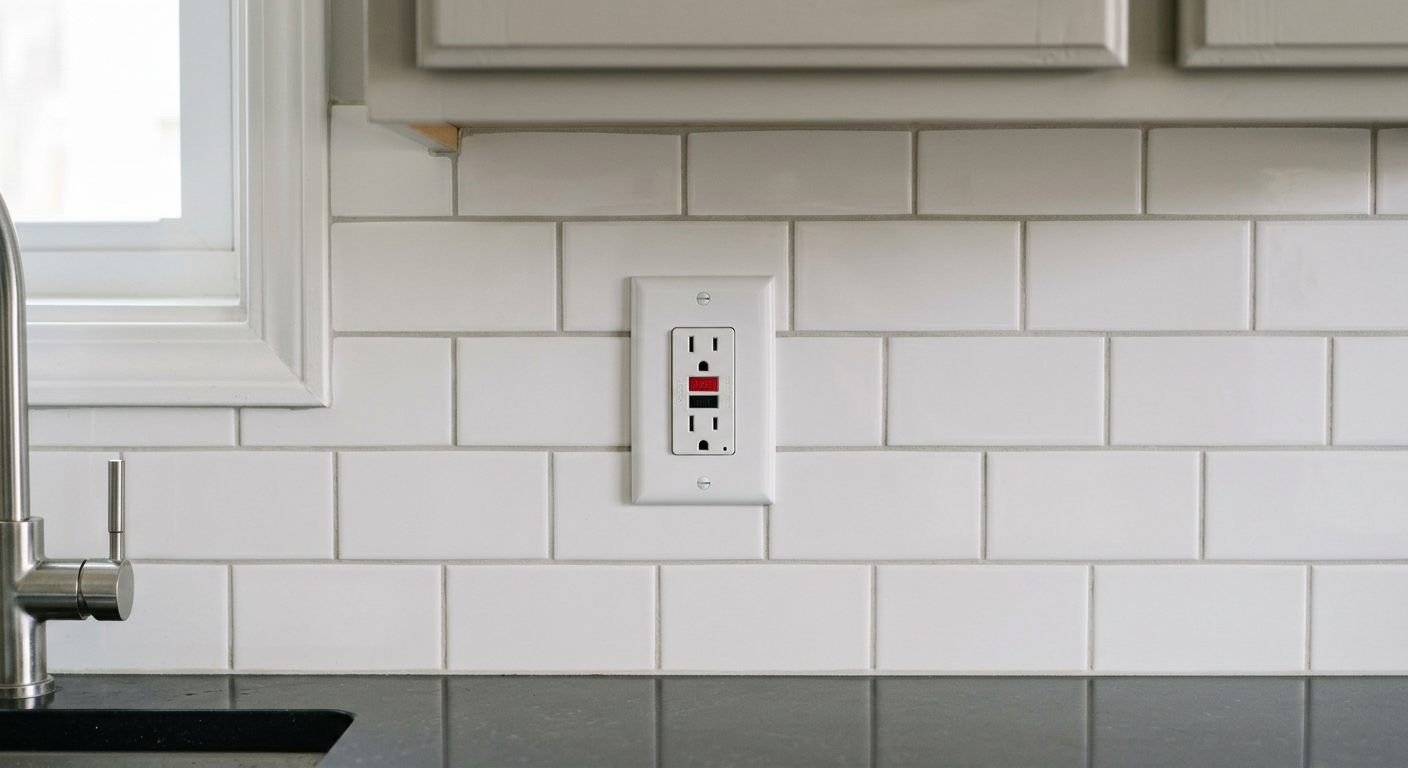 Observe safely. Know when to stop.
Recommended starting points
Start With the Symptom—Then Respect the Warning Signs
Begin with what you can observe without removing covers or touching wiring. Loss of power, repeat breaker trips, heat, odor, sparks, or unusual sounds each point to a different—and sometimes urgent—next step.
Test without opening energized wiring
Outlets, GFCIs, and Safe Testing
Diagnose lost power, nuisance trips, and tester readings with methods that keep the wiring enclosed.
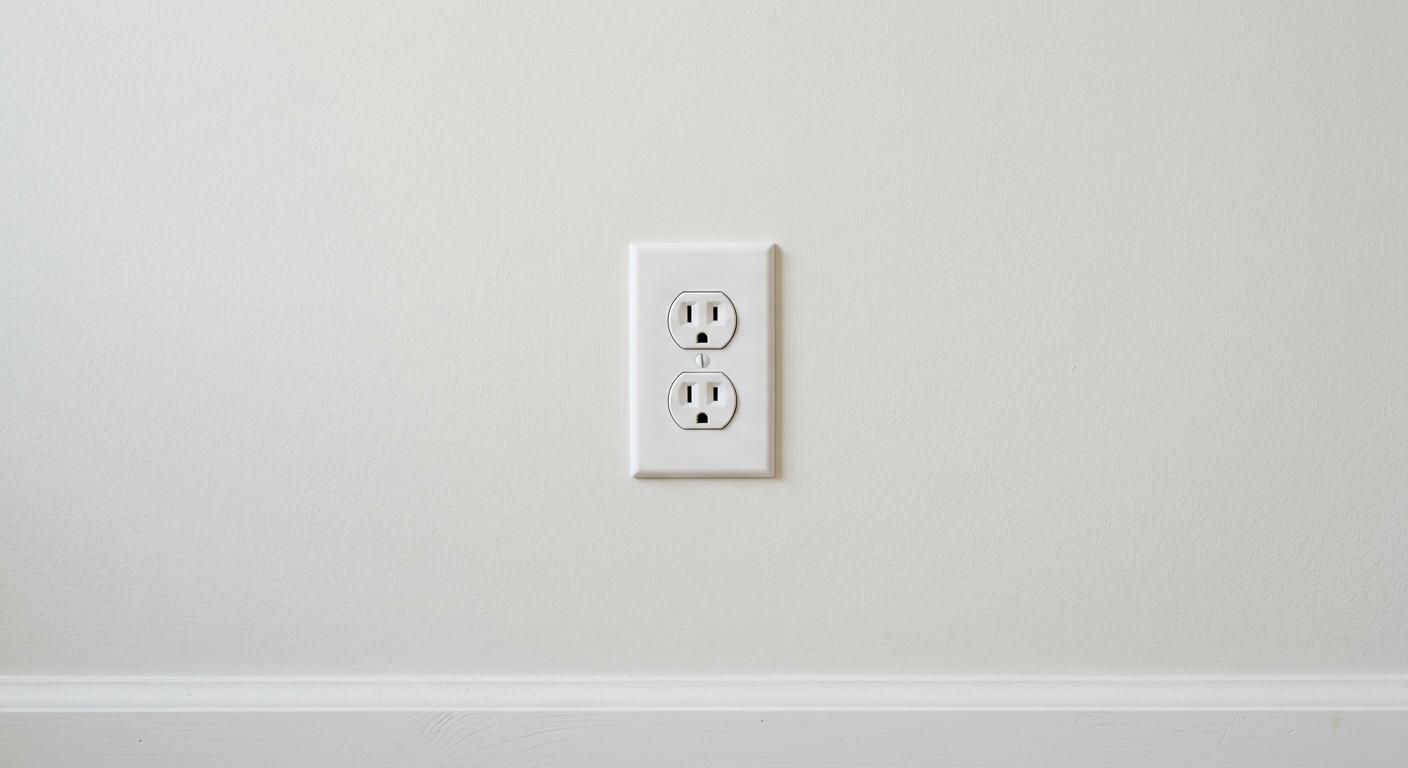
Outlet Not Working, Breaker Not Tripped
Trace the most common causes when an outlet loses power but the breaker appears normal.
Read the guide →GFCI Outlet Keeps Tripping
Separate moisture, overloads, appliance faults, and wiring concerns before resetting again.
Read the guide →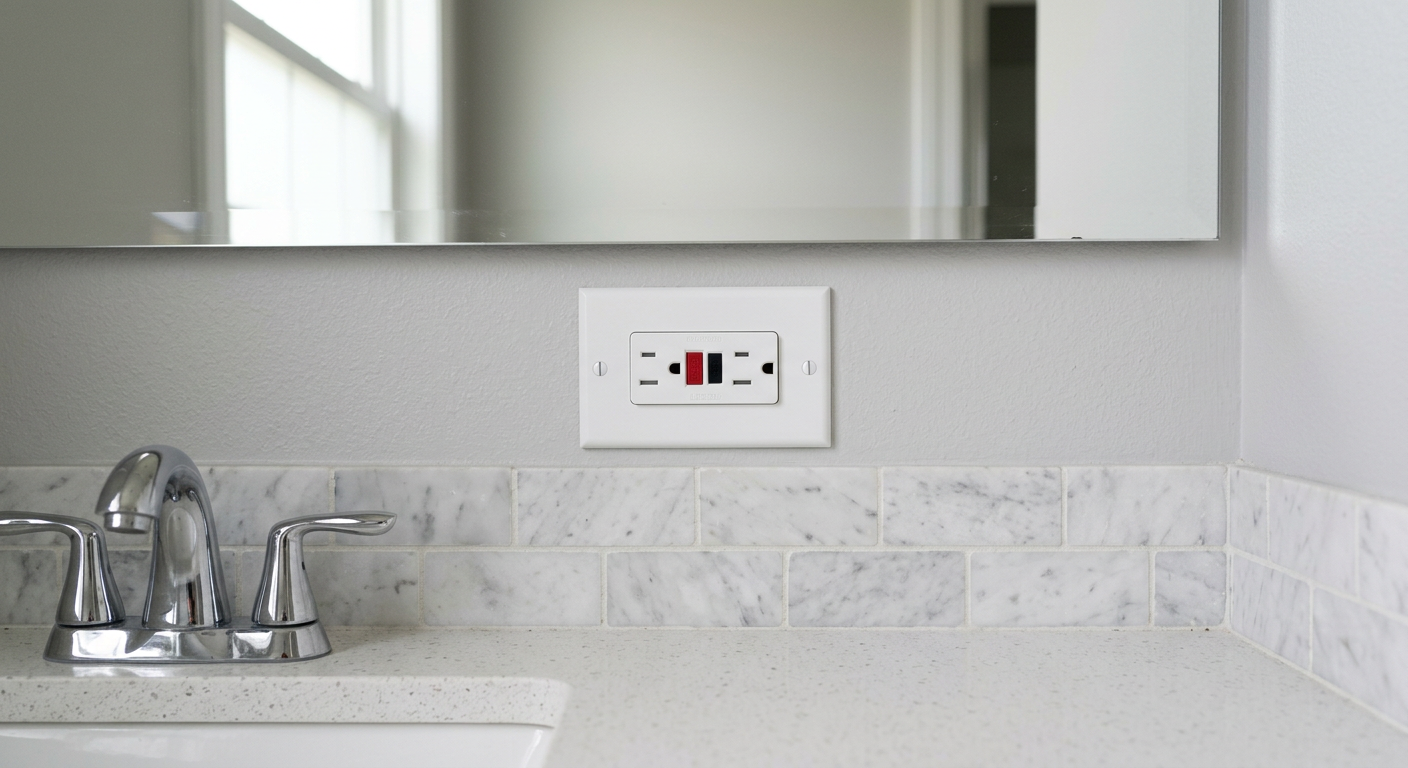
GFCI Outlet Not Resetting
Check power, upstream protection, and visible conditions without opening energized wiring.
Read the guide →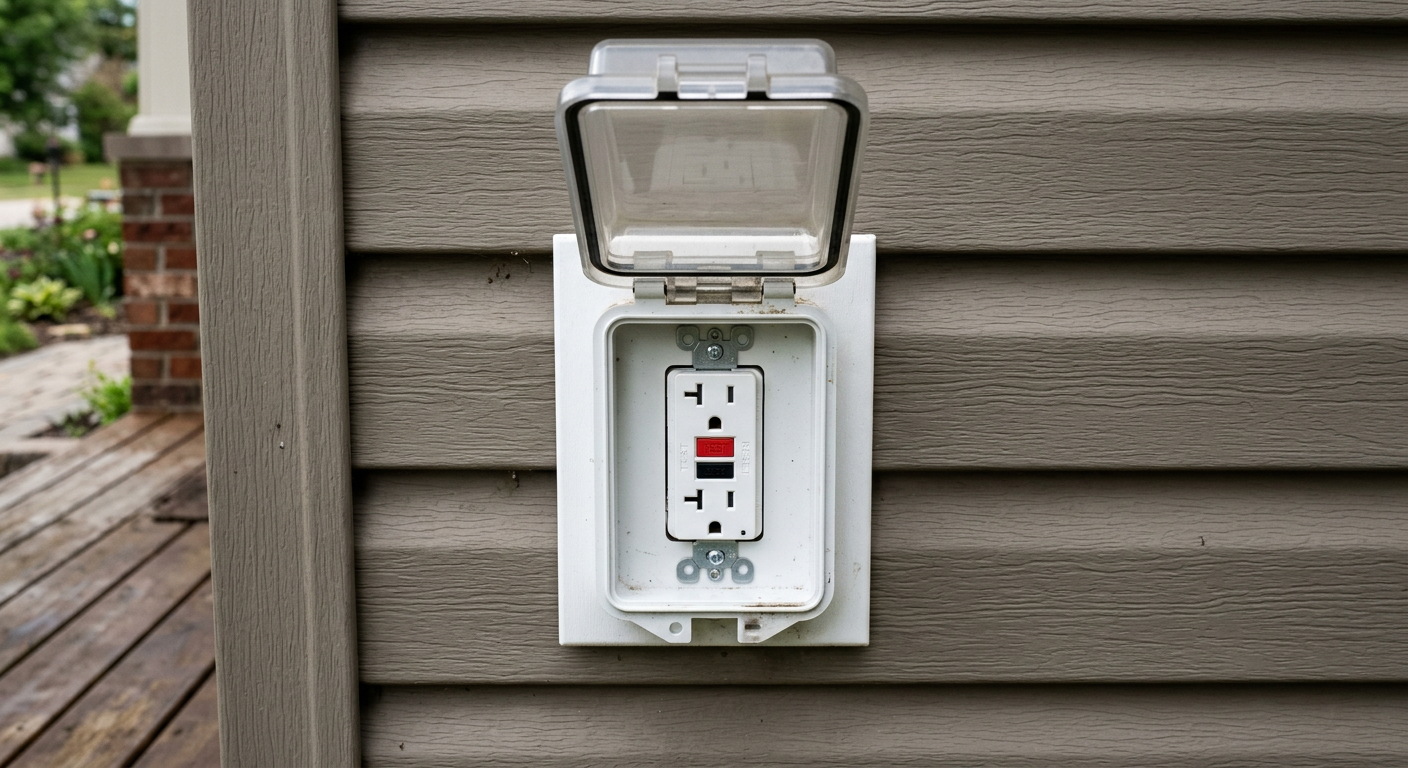
Outdoor GFCI Keeps Tripping
Learn how rain, moisture, damaged covers, and connected equipment can cause repeat trips.
Read the guide →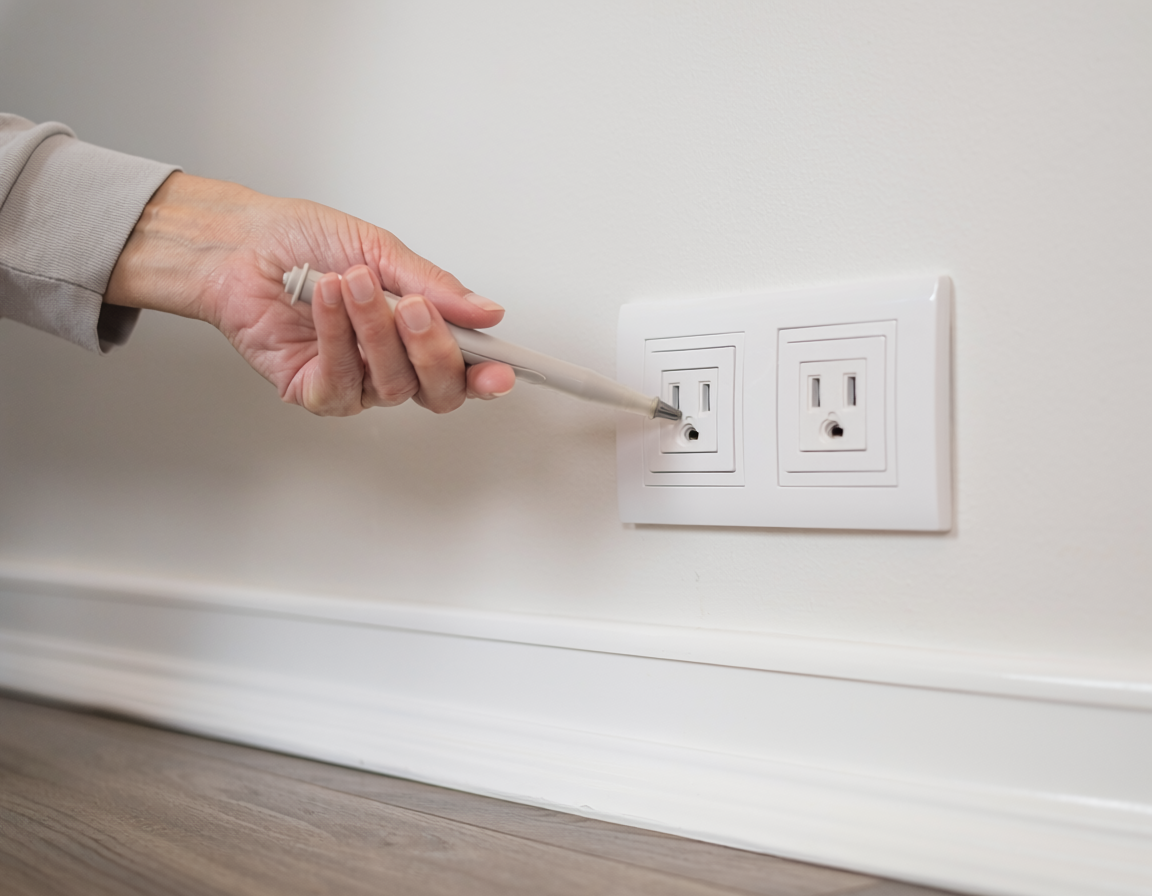
How to Use a Non-Contact Voltage Tester Safely
Use the tester correctly, verify it before and after, and understand its limitations.
Read the guide →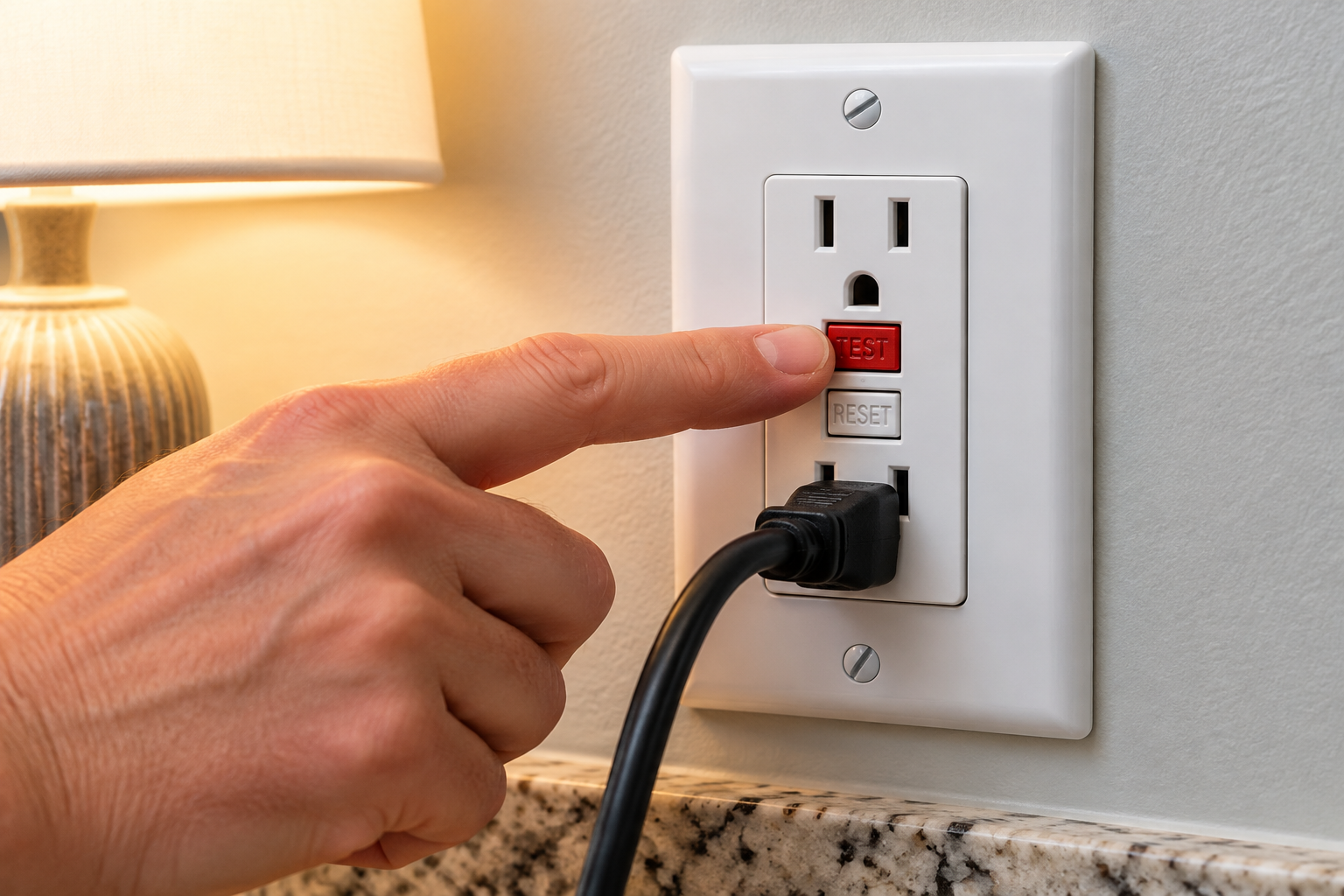
How to Test a GFCI Outlet Safely
Use the TEST and RESET buttons correctly and recognize a device that needs attention.
Read the guide →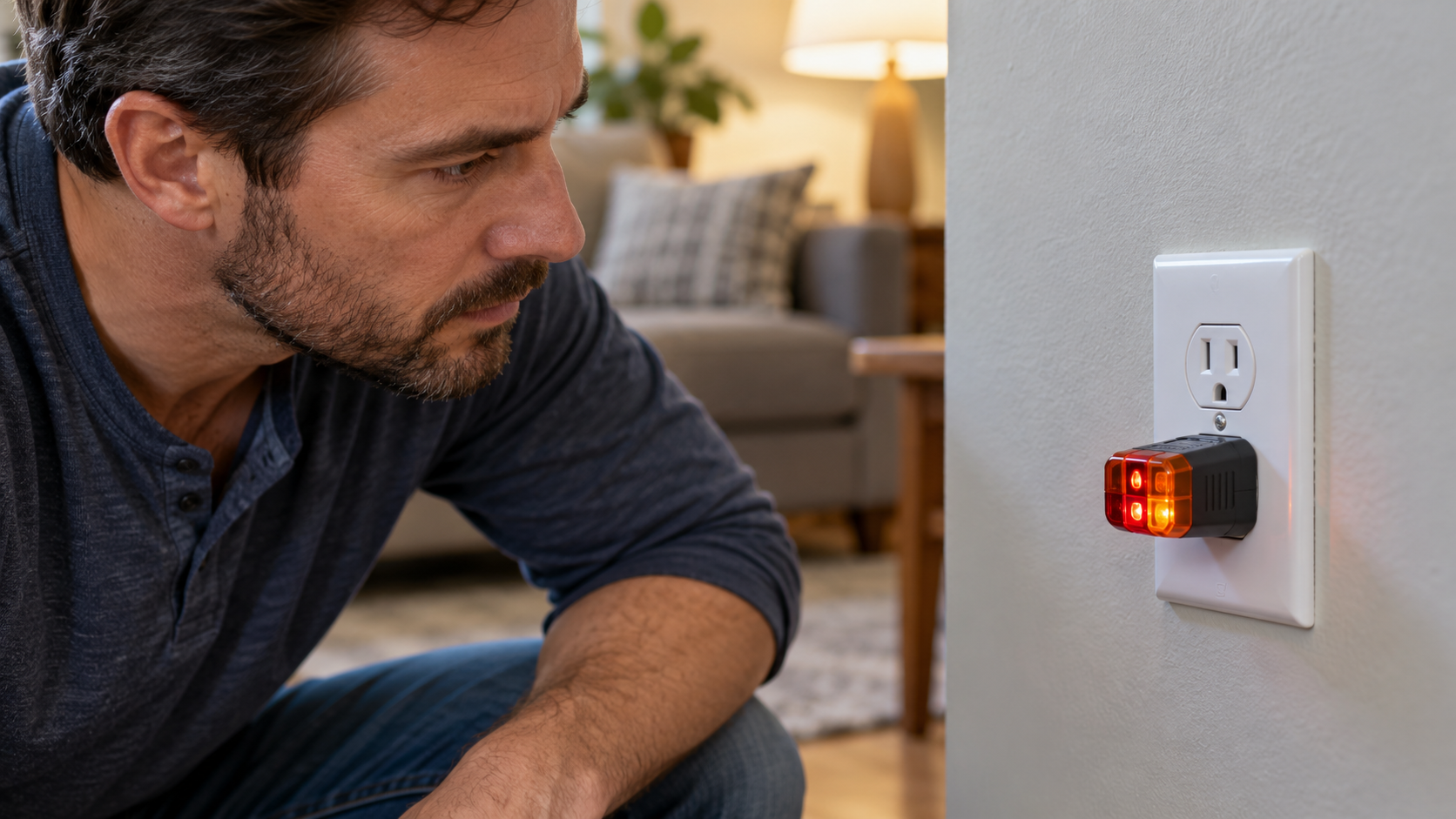
Outlet Tester Says Open Ground
Learn what an open-ground reading means, what it does not prove, and when to call a pro.
Read the guide →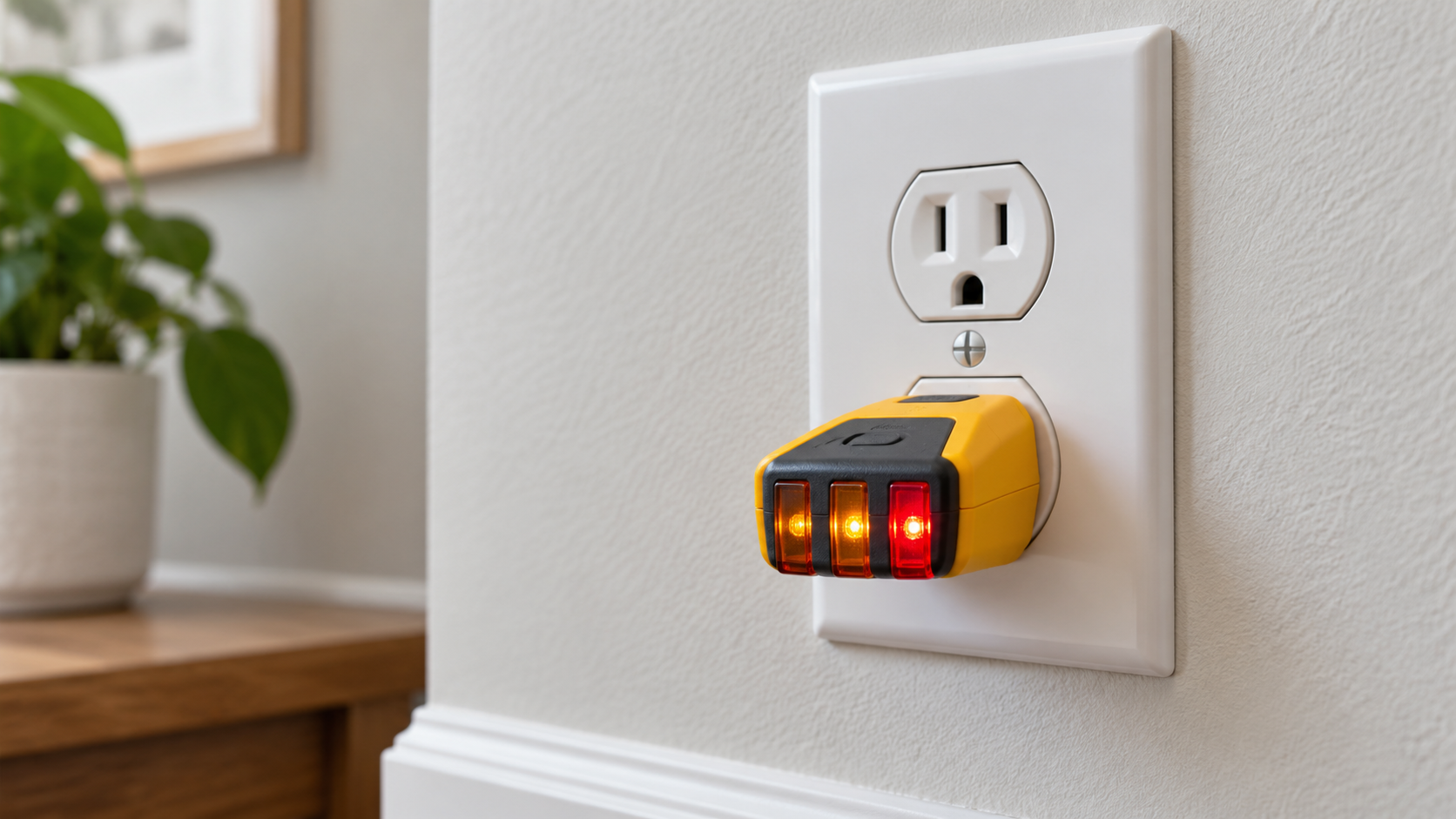
Outlet Tester Says Open Neutral
Understand this potentially serious reading and why the circuit should be professionally checked.
Read the guide →How Often Should You Test GFCI Outlets?
Build a practical testing routine for kitchens, bathrooms, garages, and outdoor receptacles.
Read the guide →Know when a symptom is urgent
Breakers and Electrical Warning Signs
Heat, odor, sparks, buzzing, and crackling are not ordinary annoyances. Use these guides to decide when to shut down the circuit and call an electrician.
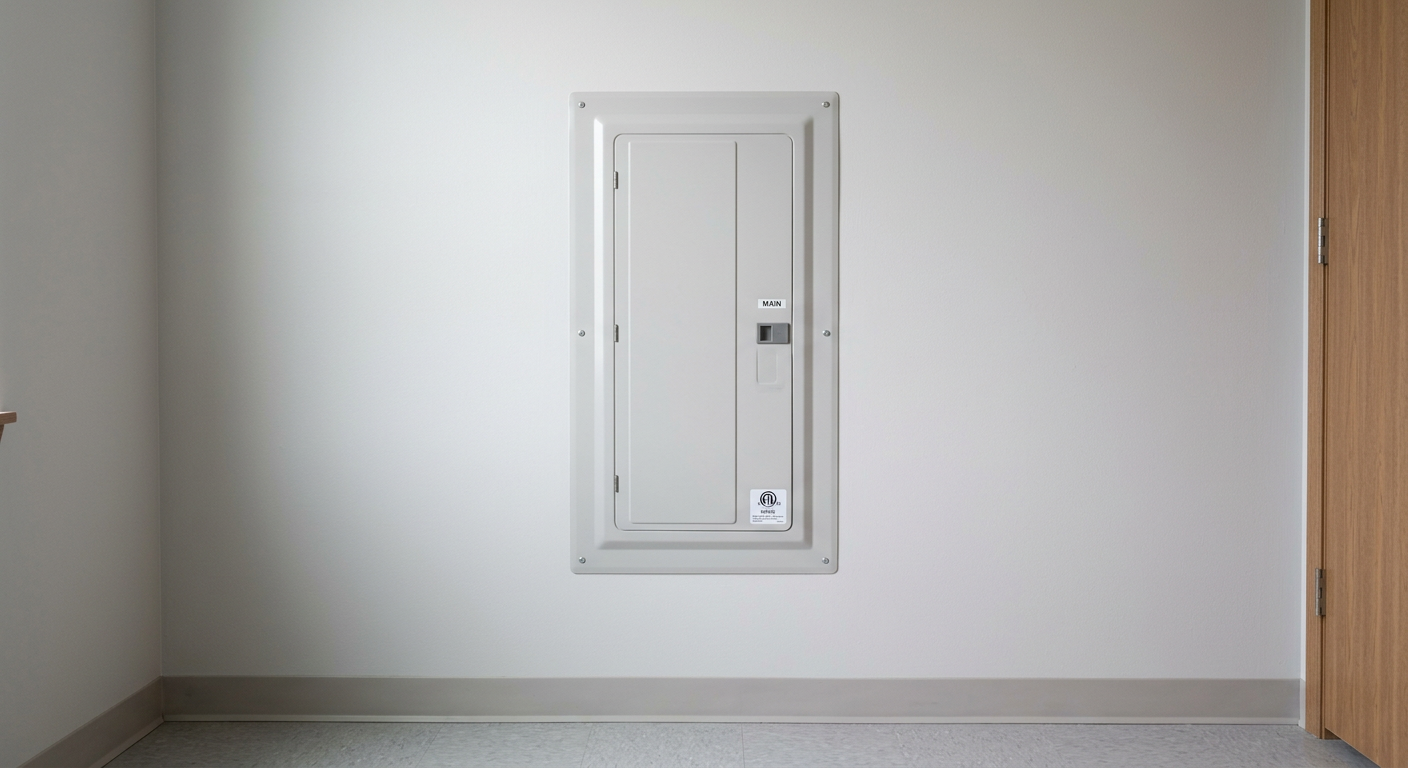
Breaker Keeps Tripping
Identify overload clues and know when repeat trips mean you should stop and call a pro.
Read the guide →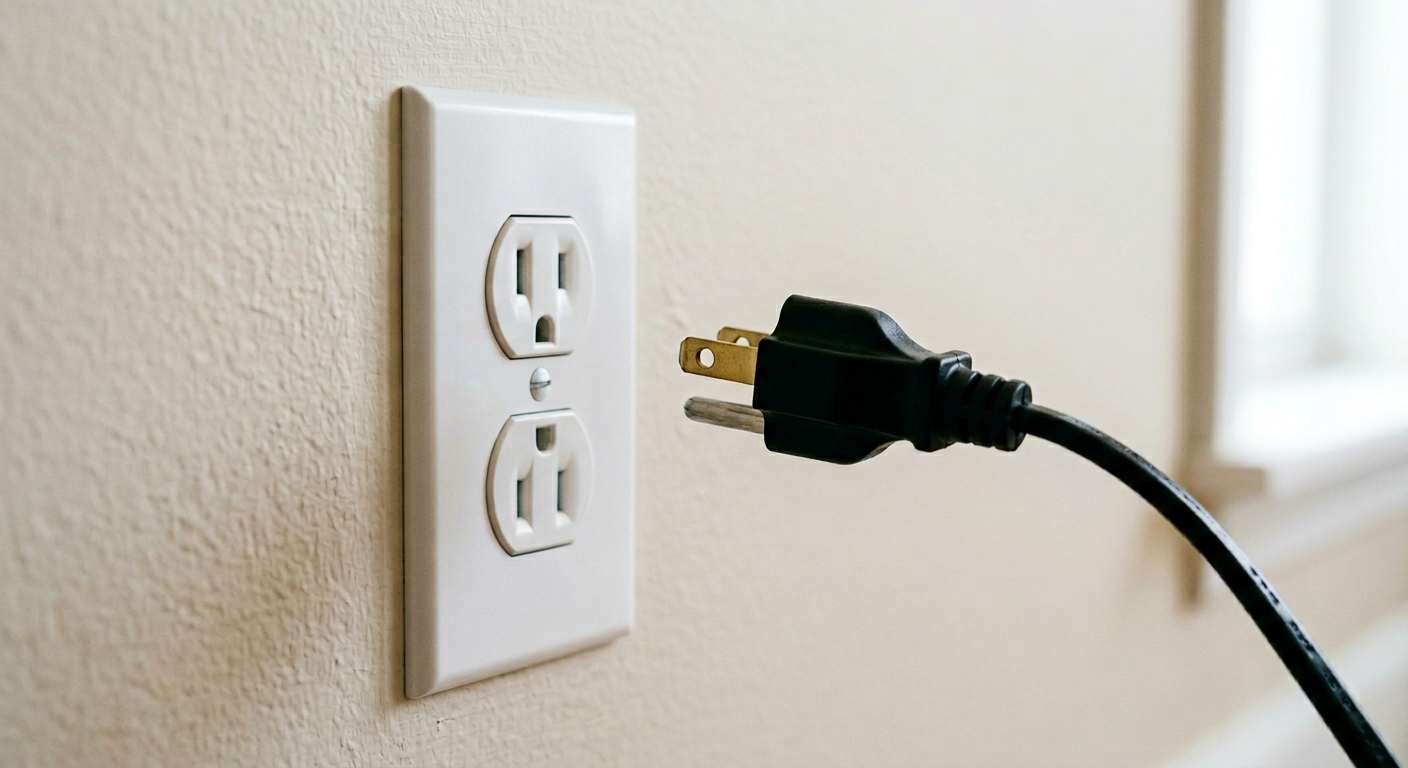
Outlet Sparks When Plugging In
Learn the difference between a tiny momentary spark and signs that make an outlet unsafe.
Read the guide →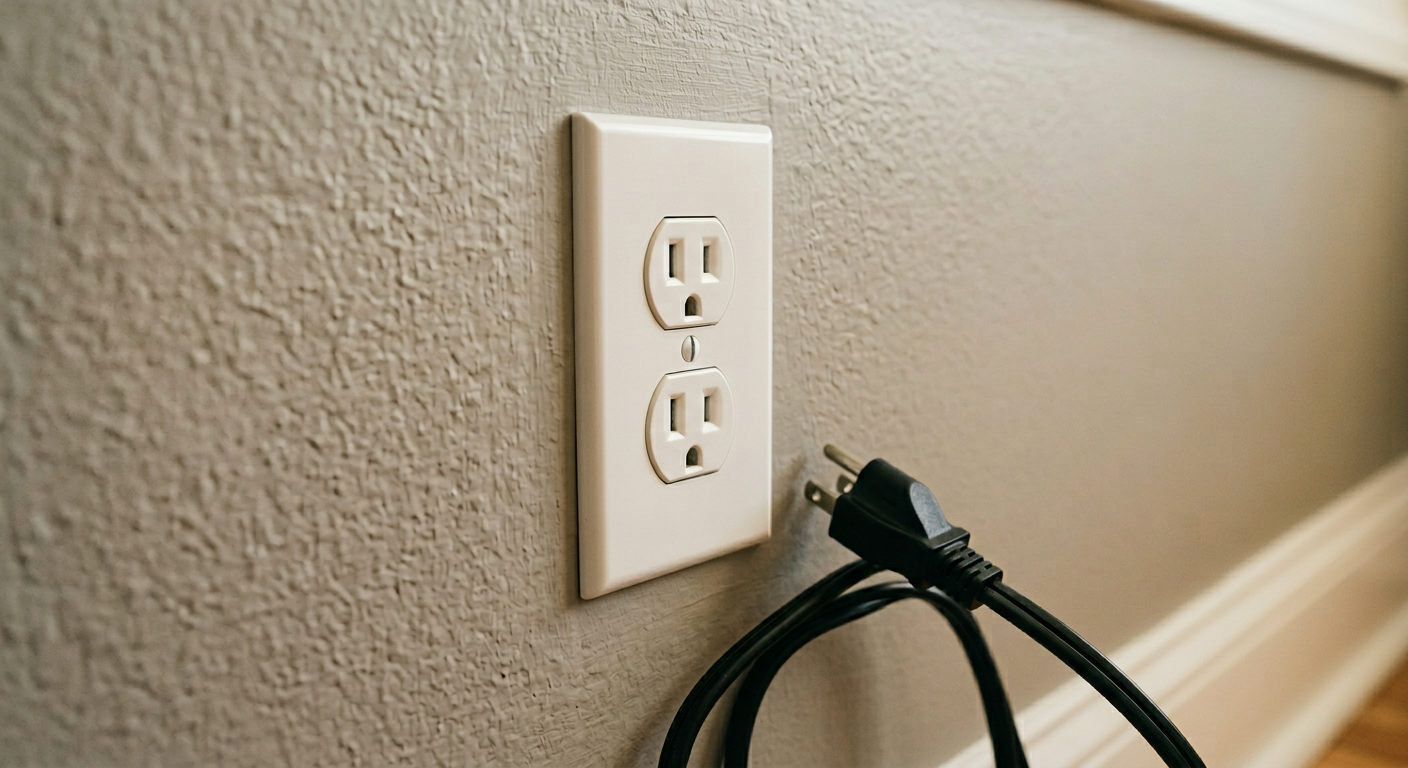
Burning Smell From an Outlet
Take the right immediate steps when an outlet smells hot, scorched, or like melting plastic.
Read the guide →
Outlet Making a Buzzing Noise
Understand why buzzing can point to loose, arcing, or overloaded electrical parts.
Read the guide →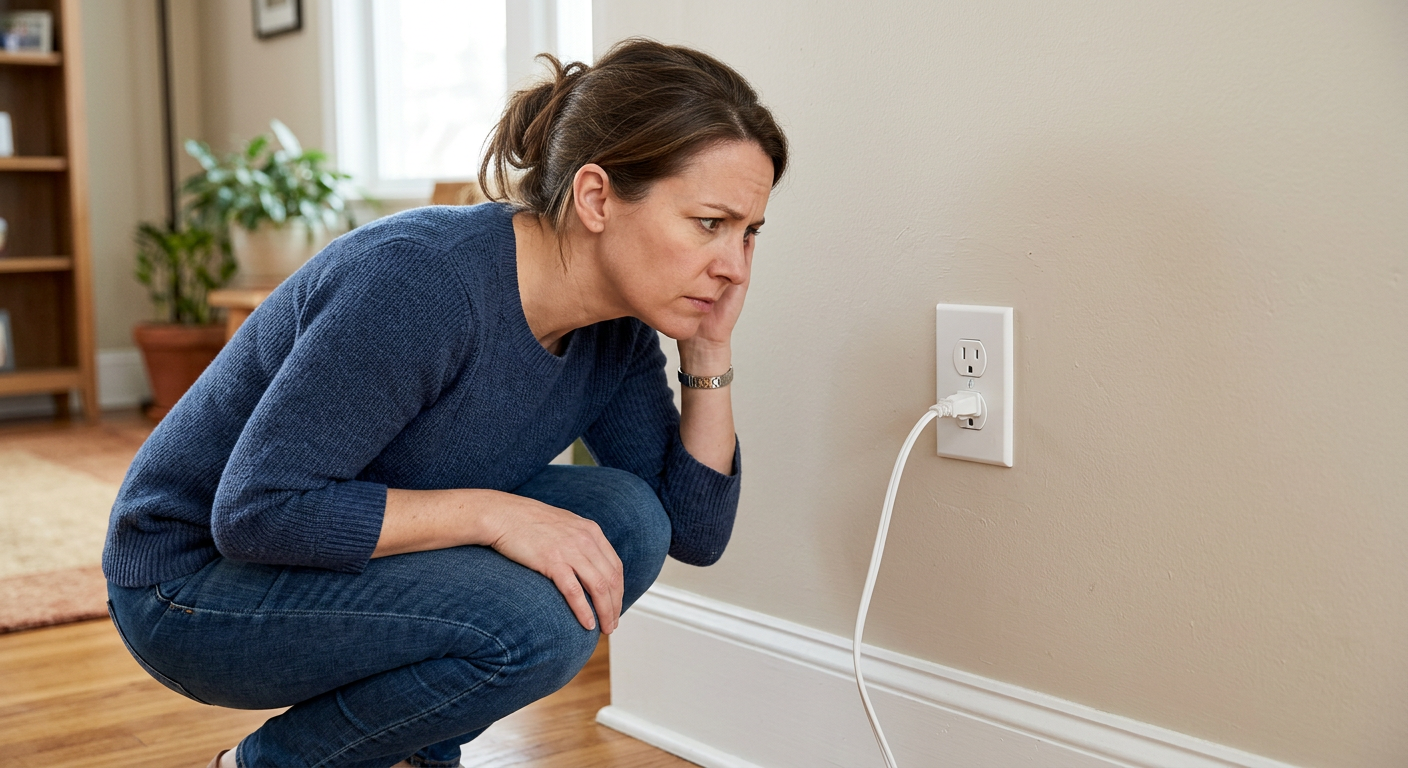
Outlet Making a Crackling Noise
Treat crackling as a warning and learn what to do before the outlet is inspected.
Read the guide →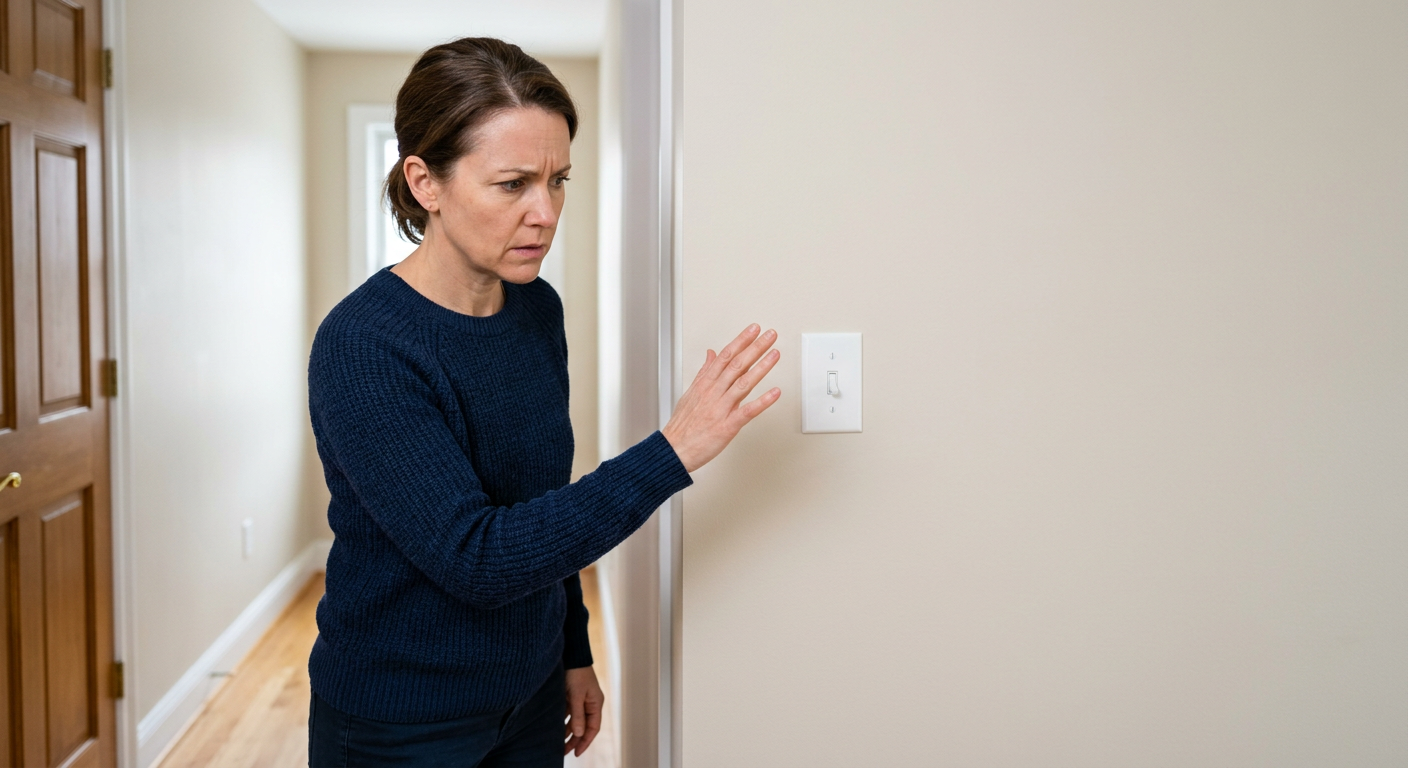
Light Switch Gets Hot
Compare normal dimmer warmth with heat, odor, or discoloration that calls for action.
Read the guide →Follow the behavior of the light
Lighting and Switch Problems
Narrow down bulbs, switches, sensors, dimmers, fixtures, and circuit trouble using visible, low-risk checks.
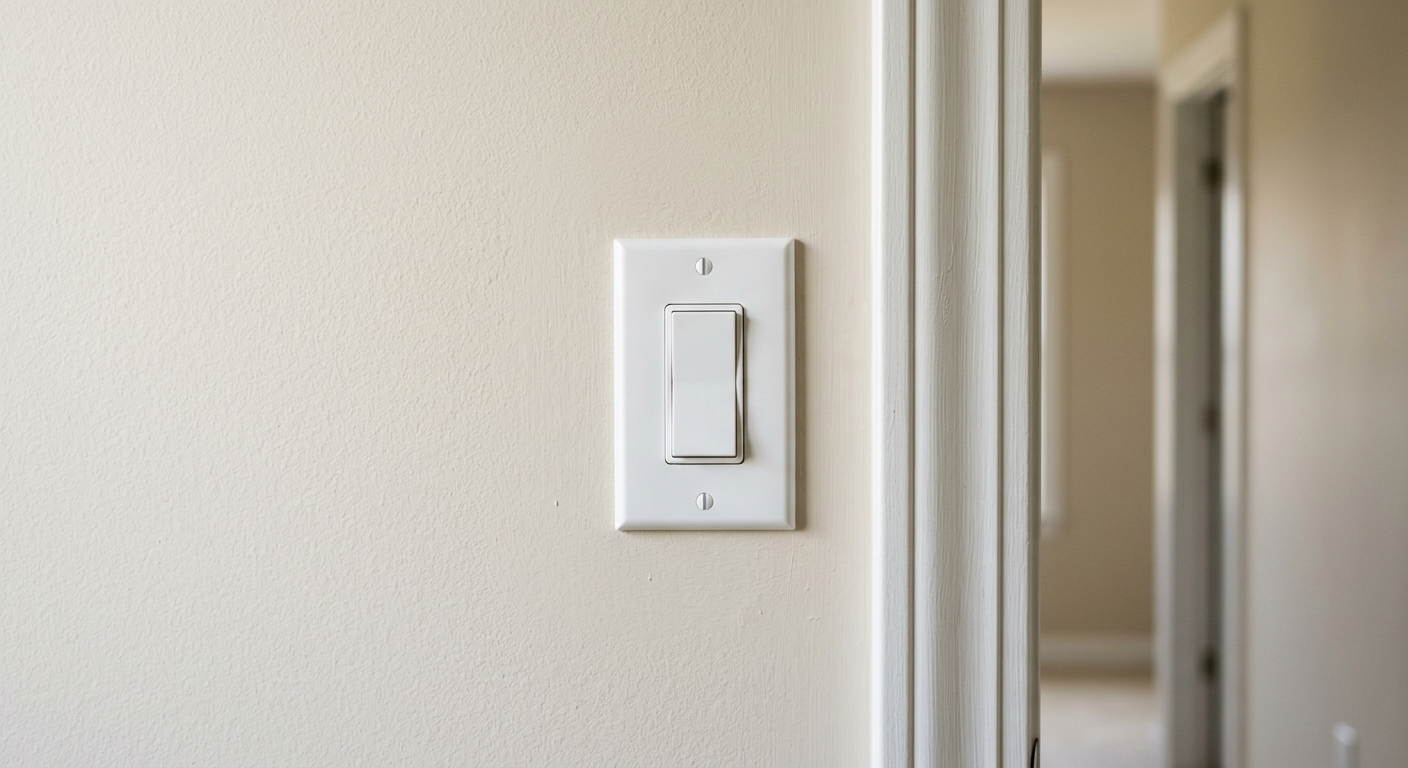
Light Switch Not Working
Use simple observations to narrow down a bulb, fixture, breaker, or switch problem.
Read the guide →
Lights Flicker in One Room
Tell a loose bulb or incompatible dimmer from a problem that needs an electrician.
Read the guide →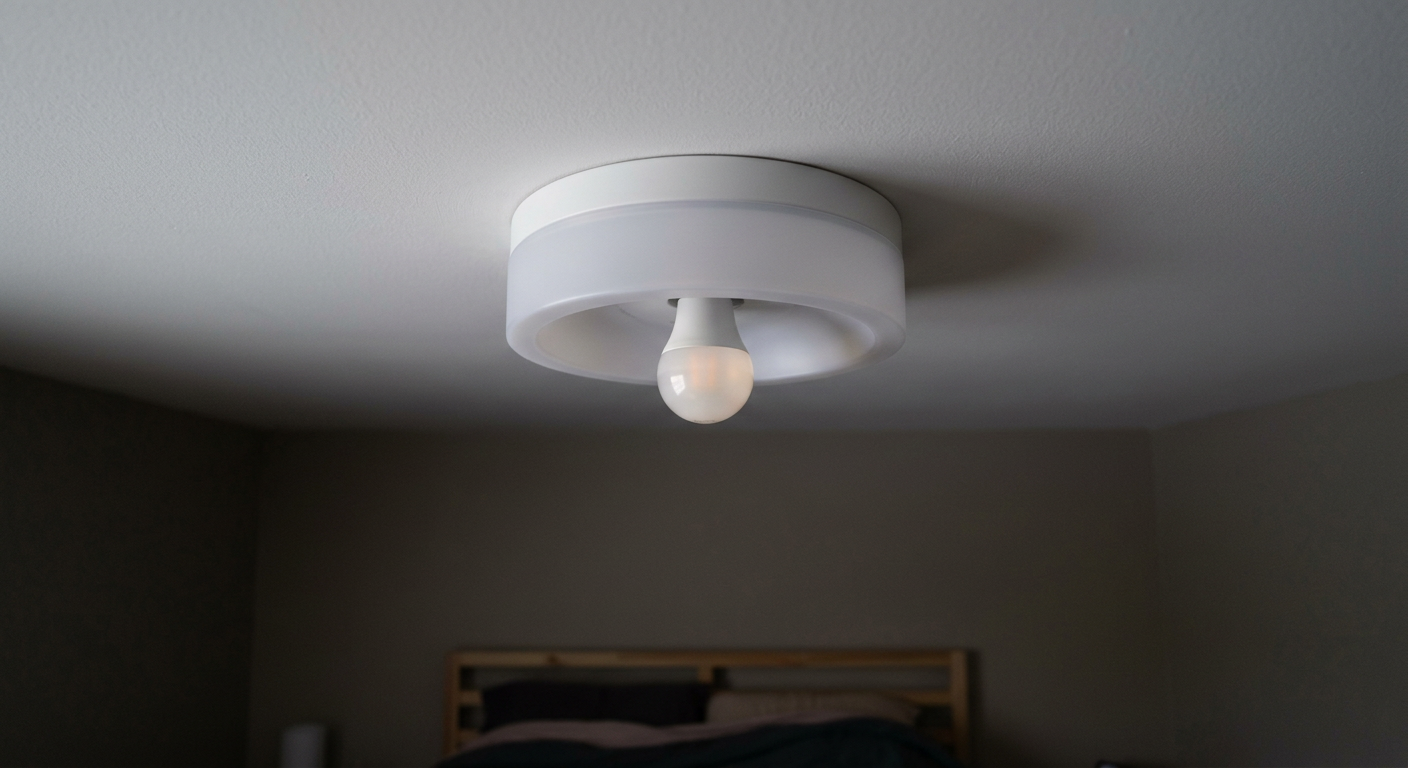
LED Light Flickers When Turned Off
Understand ghost voltage, switches, dimmers, and other common reasons LEDs flicker while off.
Read the guide →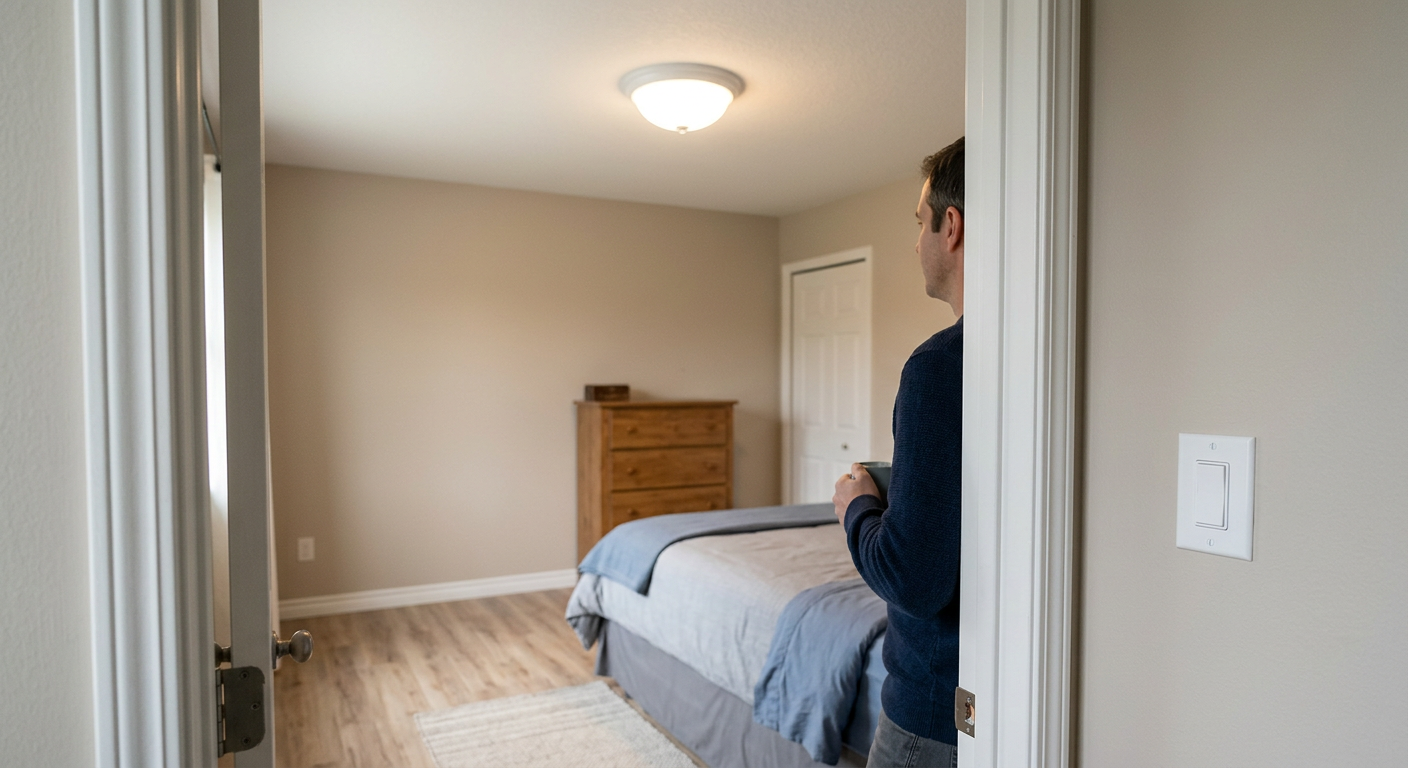
Light Bulb Keeps Burning Out
Compare heat, vibration, bulb type, loose connections, and possible voltage trouble.
Read the guide →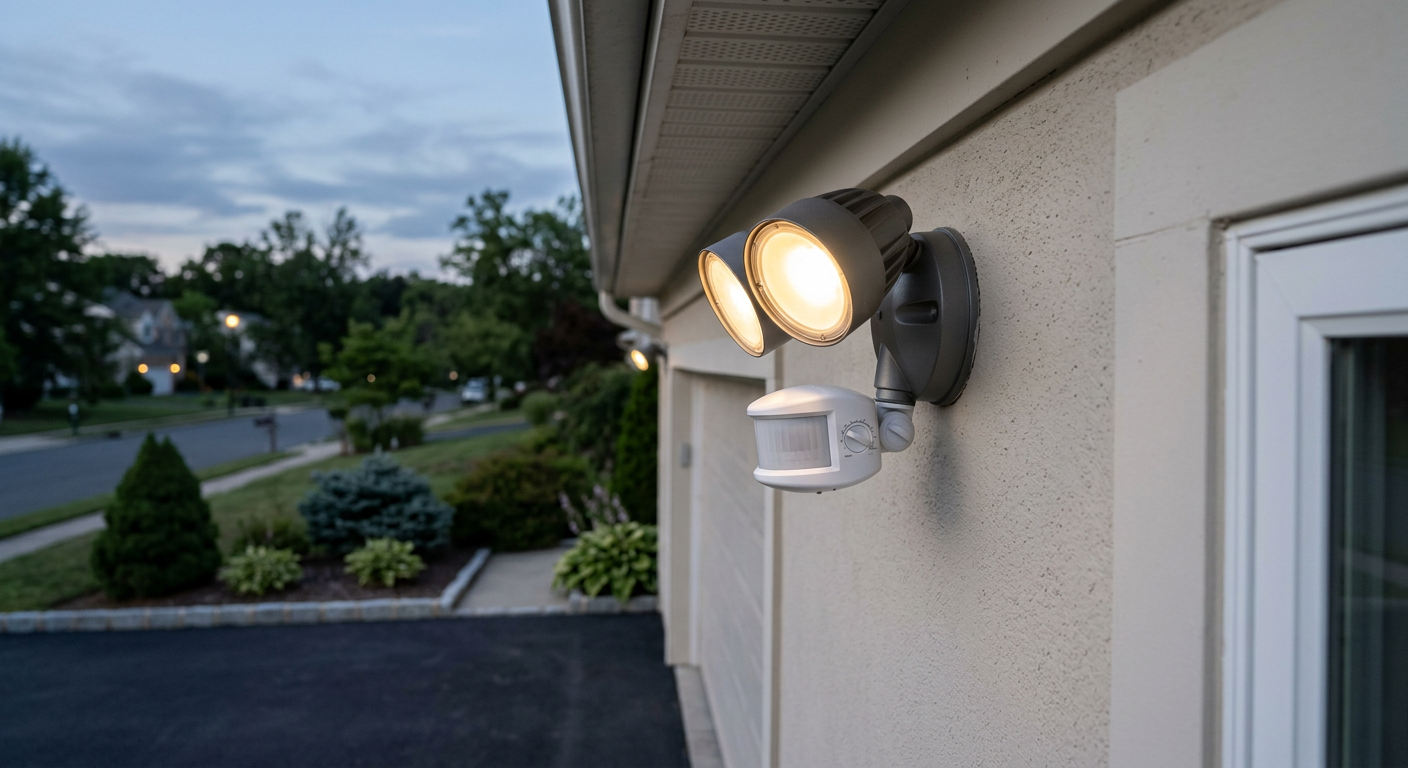
Motion Sensor Light Stays On
Check modes, sensitivity, aim, and nearby heat or movement before replacing the fixture.
Read the guide →Match the product to the room
Bulbs, Smart Controls, and Doorbells
Compare lighting color, enclosed-fixture ratings, smart controls, motion sensors, and doorbell options before buying.

LED Daylight vs Soft White
Compare color temperature, room feel, and practical uses for daylight and soft-white bulbs.
Read the guide →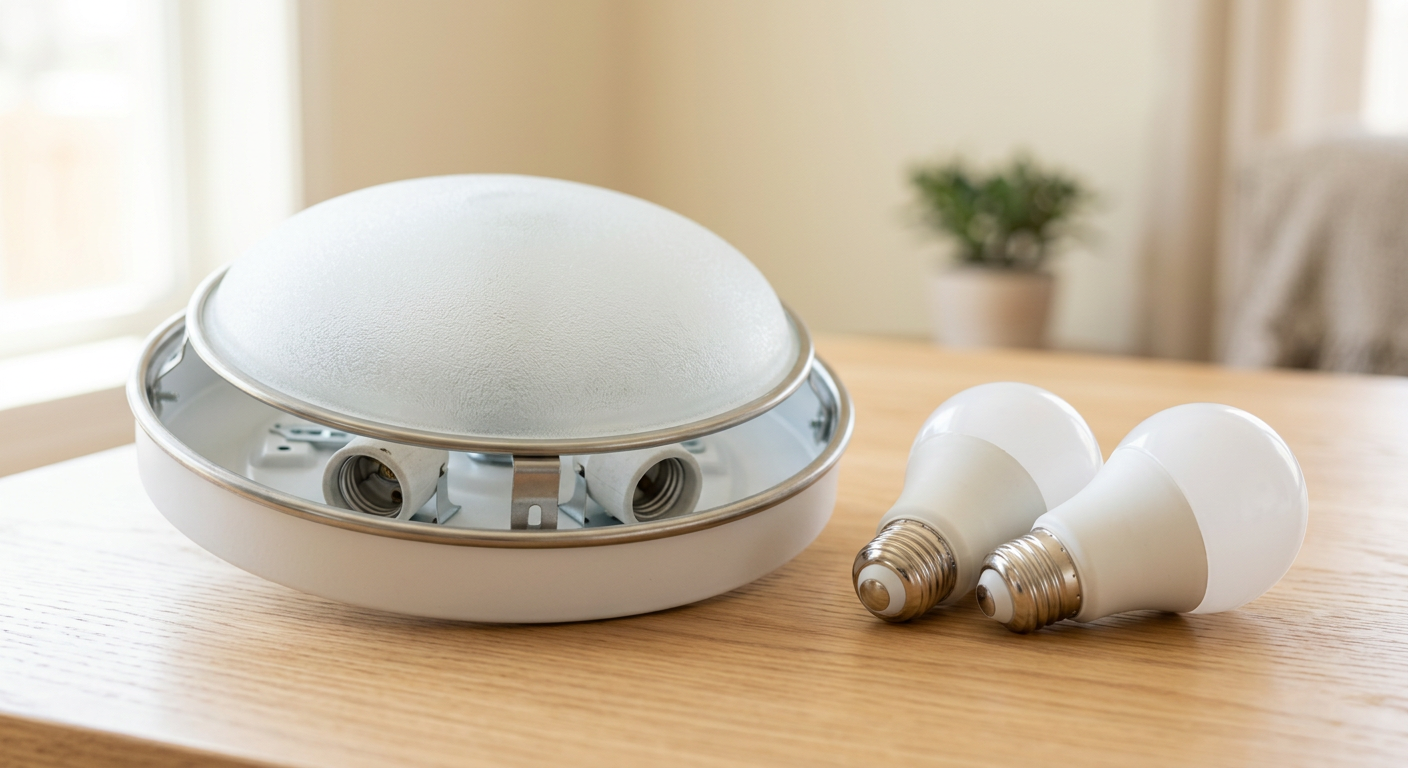
Best LED Bulbs for Enclosed Fixtures
Choose LEDs designed to handle trapped heat in globes, flush mounts, and covered fixtures.
Read the guide →
Soft White vs Warm White Bulbs
See how closely related warm tones differ and where each one works best at home.
Read the guide →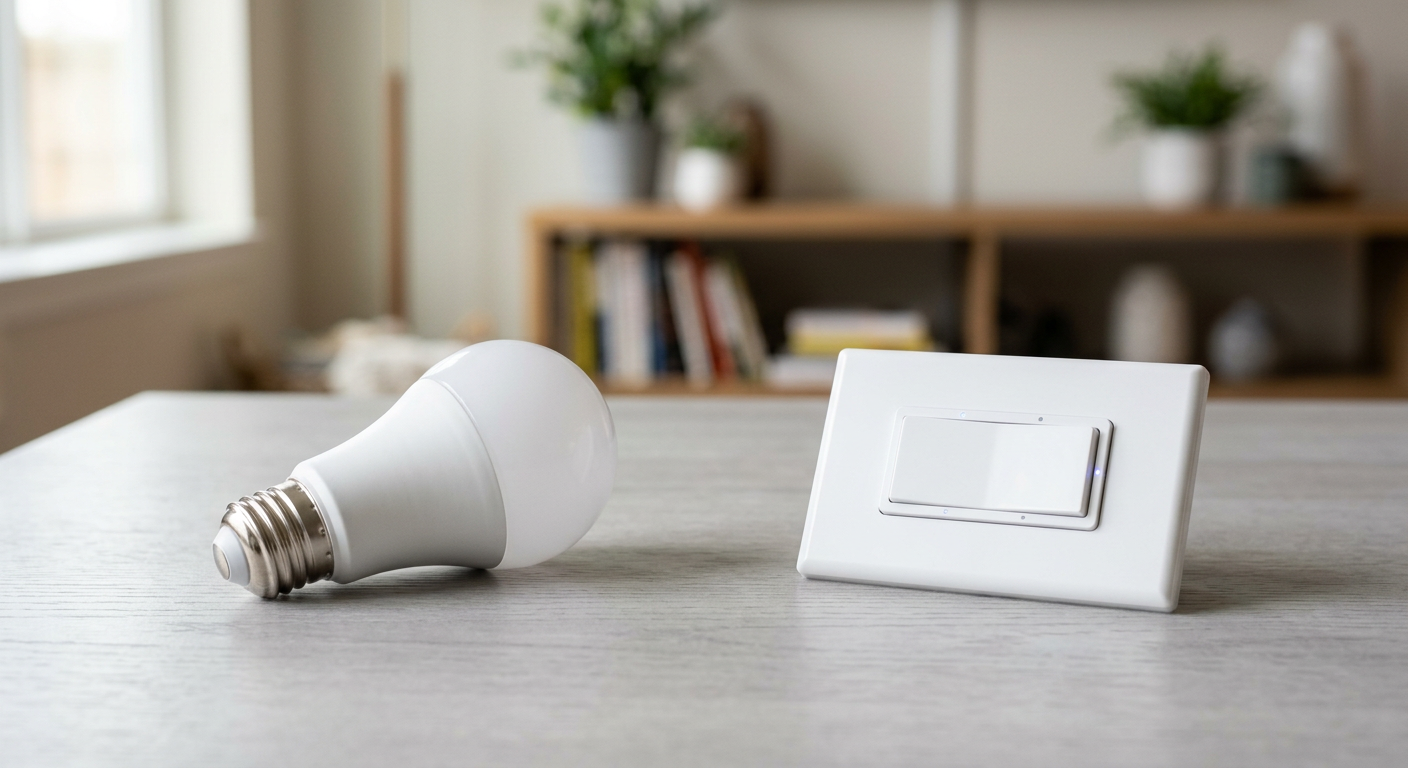
Smart Light Switch vs Smart Bulb
Compare cost, convenience, compatibility, and household usability before choosing.
Read the guide →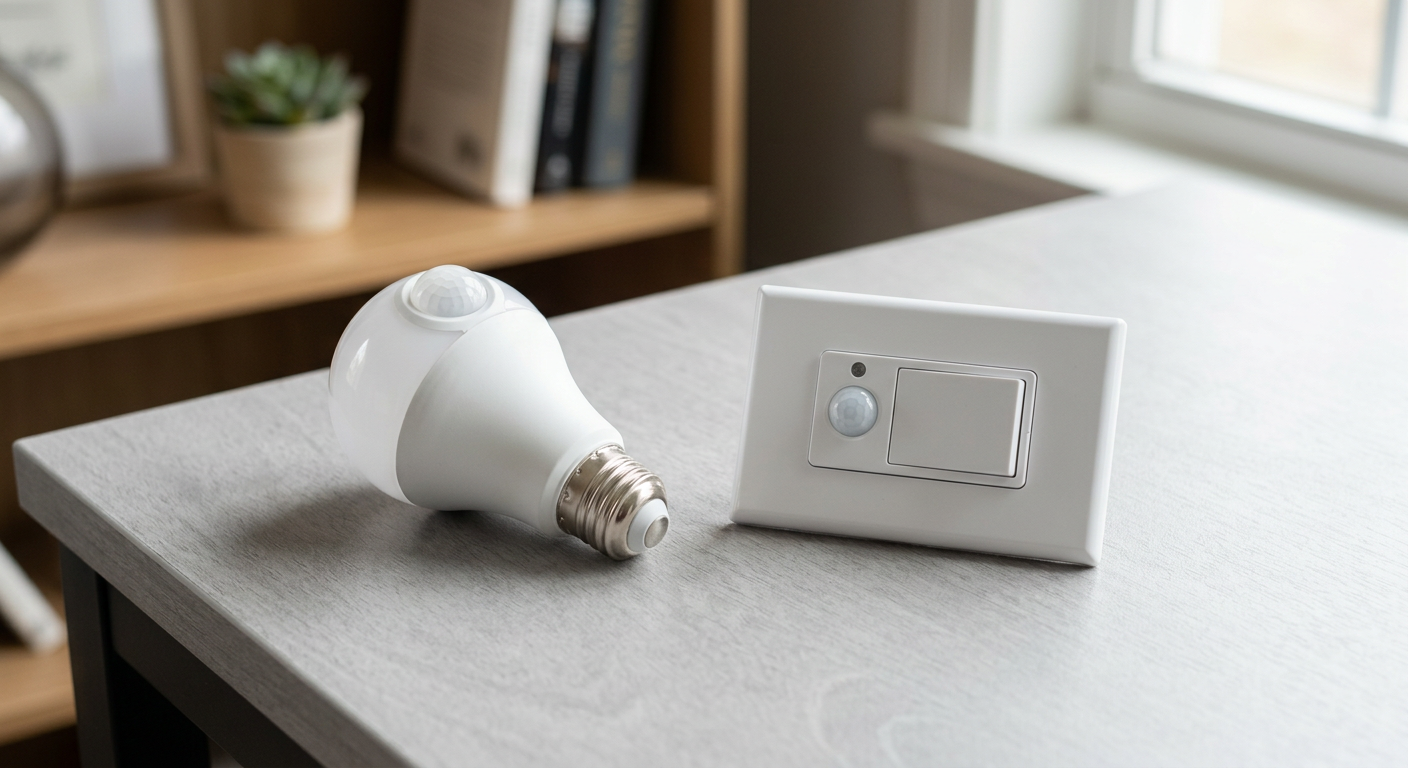
Motion Sensor Bulb vs Sensor Switch
Choose between a fast bulb swap and a more integrated wall-control solution.
Read the guide →
Wired vs Wireless Doorbell
Compare installation, reliability, power, chime options, and long-term upkeep.
Read the guide →Use the right connection and protection
Extension Cords, Power Strips, and Surge Protection
Avoid overloaded connections and choose protection that fits high-draw appliances and sensitive electronics.
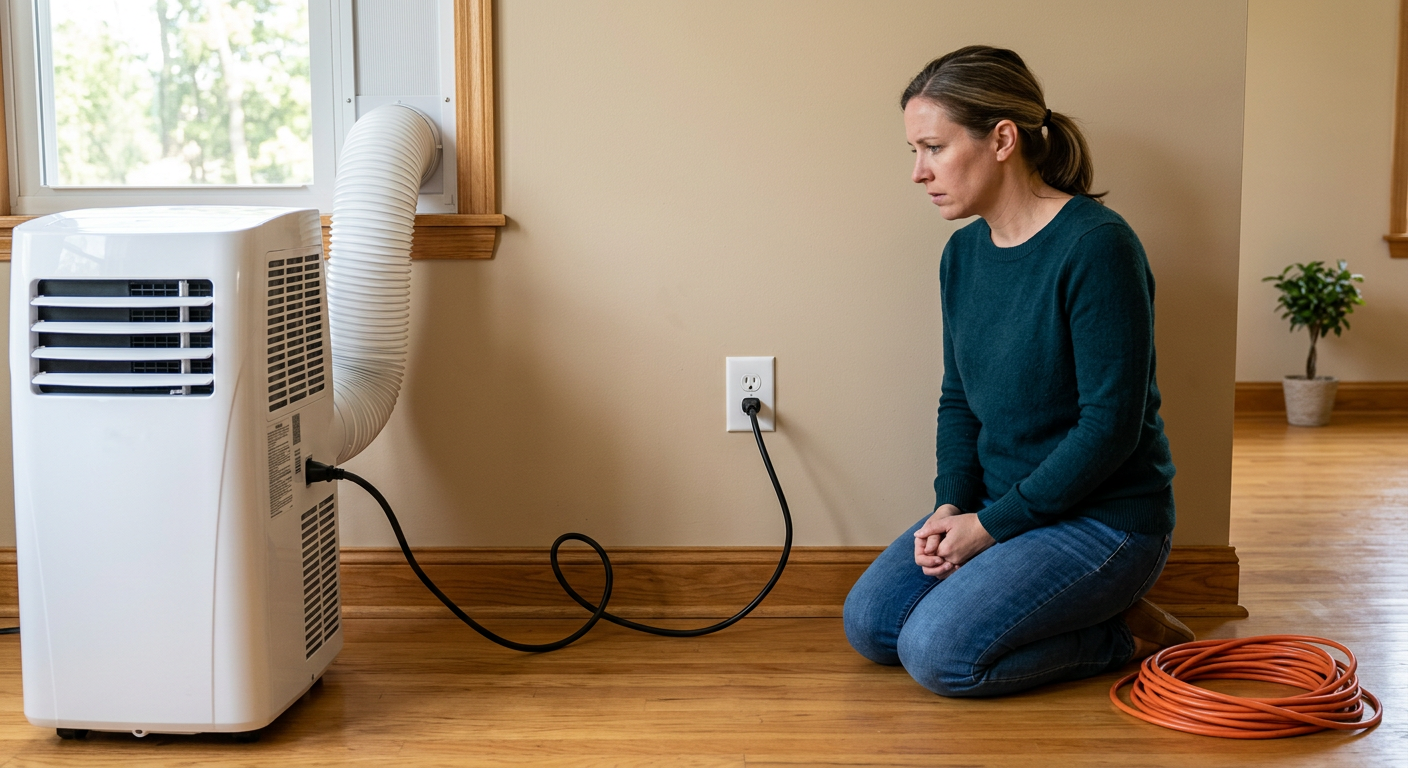
Can You Plug an AC Into an Extension Cord?
See why room air conditioners usually need a direct, properly rated wall connection.
Read the guide →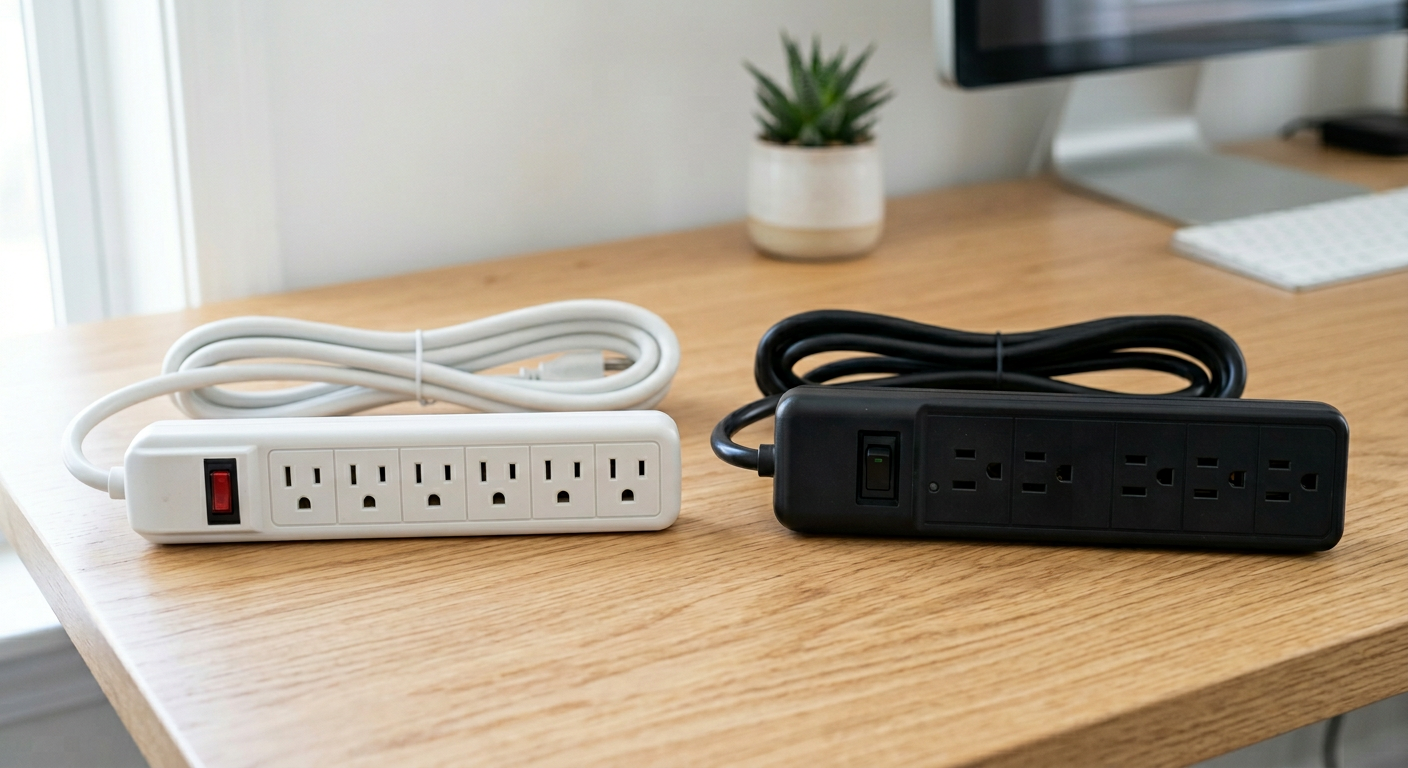
Surge Protector vs Power Strip
Understand the protection, capacity, and labeling differences before plugging in equipment.
Read the guide →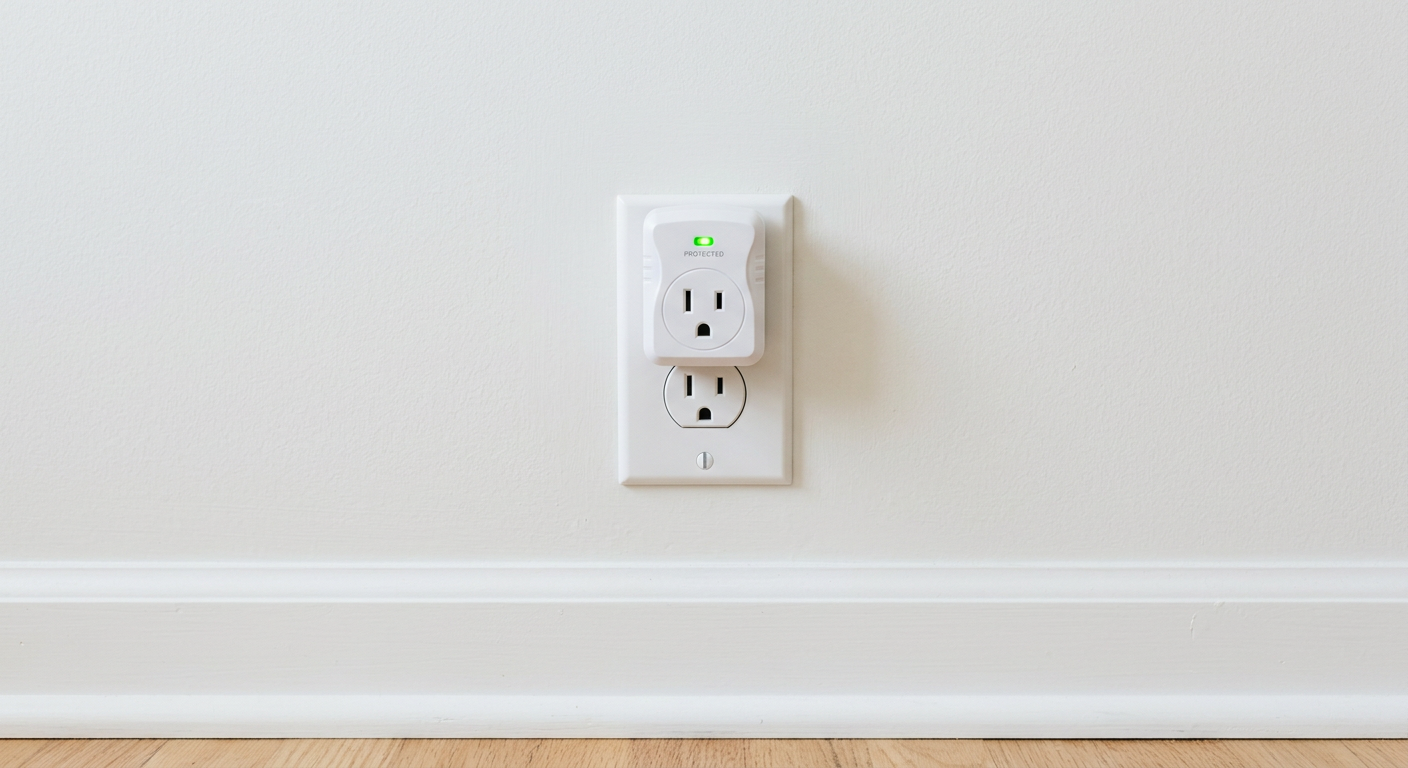
Surge Protector for a Refrigerator
Decide whether a refrigerator should use a surge device and what ratings matter.
Read the guide →When to Replace a Surge Protector
Use age, protection lights, surge events, damage, and device condition to decide.
Read the guide →Finished with this topic?
Continue exploring Home Repair Atlas
Move to another repair area or return to the beginning of the Electrical hub.
Complete Guide Library
All Electrical Guides
Every Electrical guide in one compact directory, grouped by the question or warning sign it helps you resolve.