Walls, Paint & Drywall
Repair Guides / Rooms & Surfaces
Walls, Paint & Drywall
Repair small wall damage, prepare patches correctly, solve paint-finish problems, choose better tools, and create cleaner trim and tape lines.
- 30 focused guides
- Patch-to-paint workflow
- Tool and material comparisons
 Repair cleanly. Prepare carefully. Paint evenly.
Recommended starting points
Start With the Surface—Then Control Texture and Sheen
A good repair can still show through paint. Match the repair material, drying time, sanding, primer, application method, and finish sheen to the surrounding wall.
Build a repair that disappears under paint
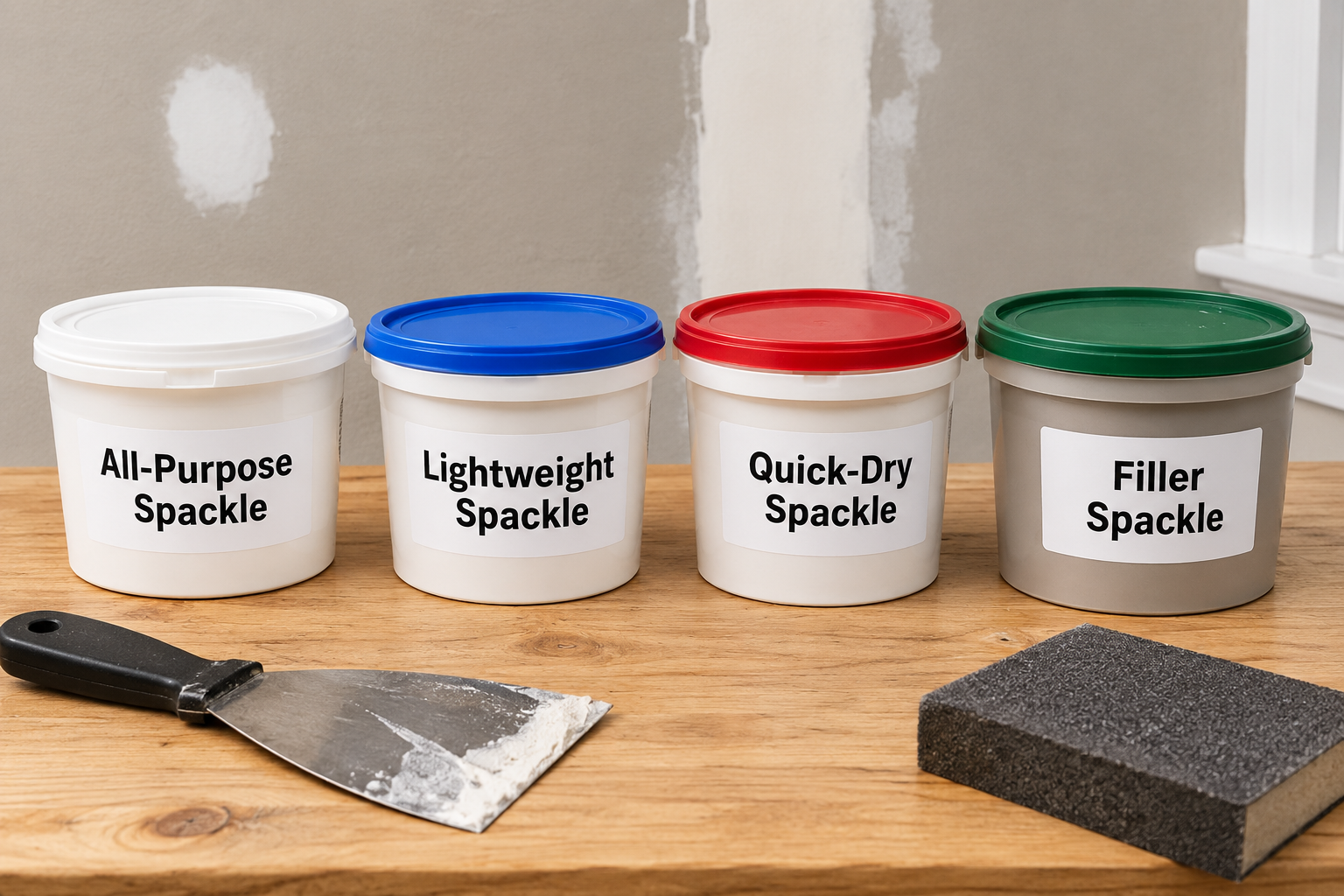
Spackle, Primer, and Patch Preparation
Control drying, sanding, porosity, and primer so repaired areas blend into the wall.
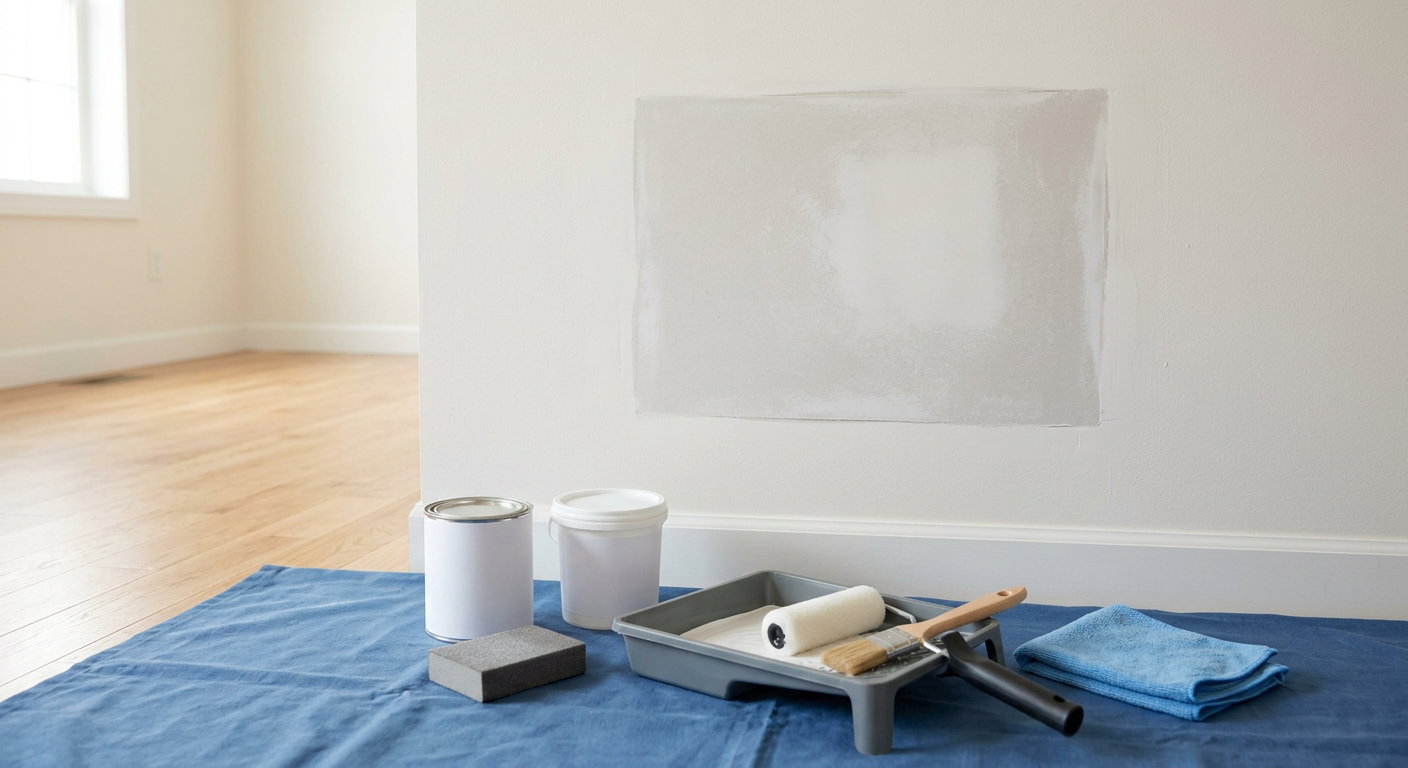
Best Primer for Patched Drywall
Match the primer to new drywall, repairs, stains, and the finish coat.
Read the guide →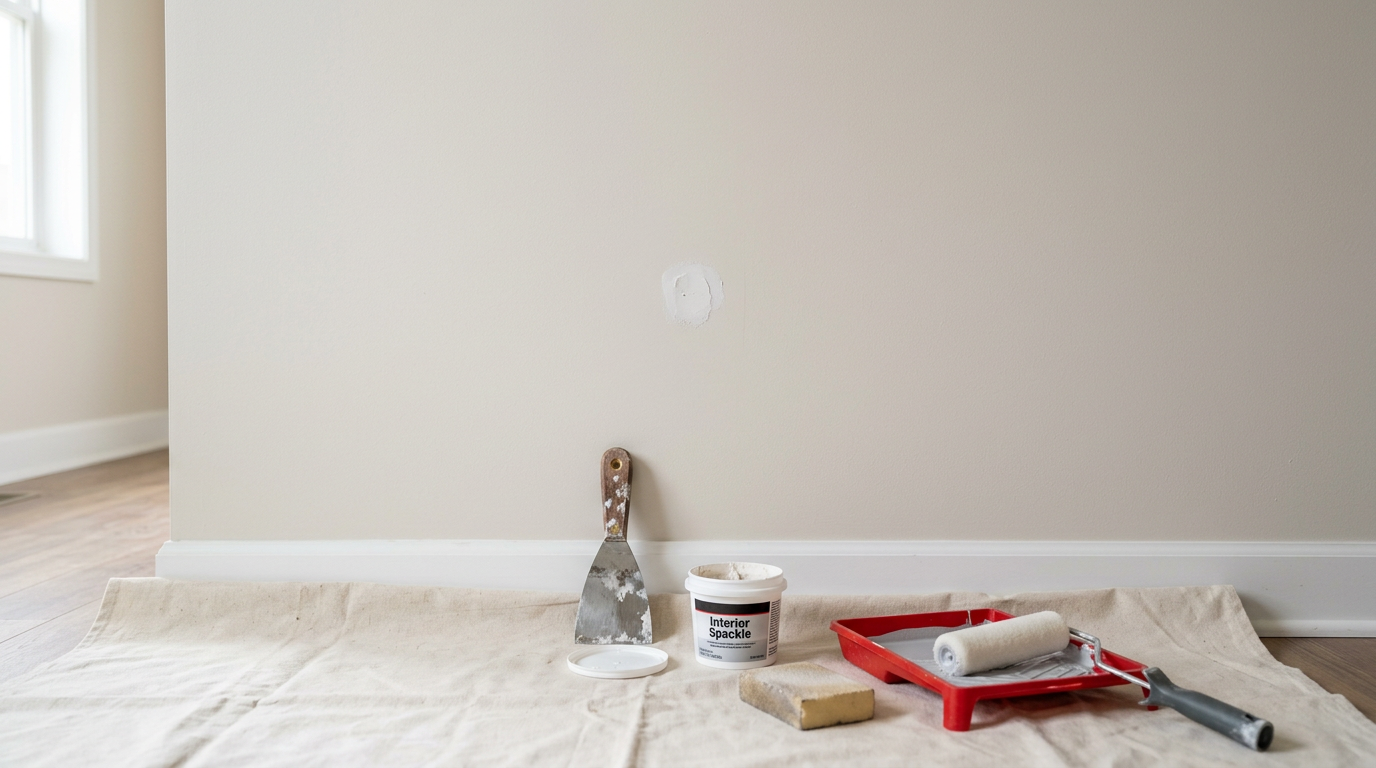
How Long Should Spackle Dry Before Painting?
Know when a patch is ready for sanding, primer, and paint.
Read the guide →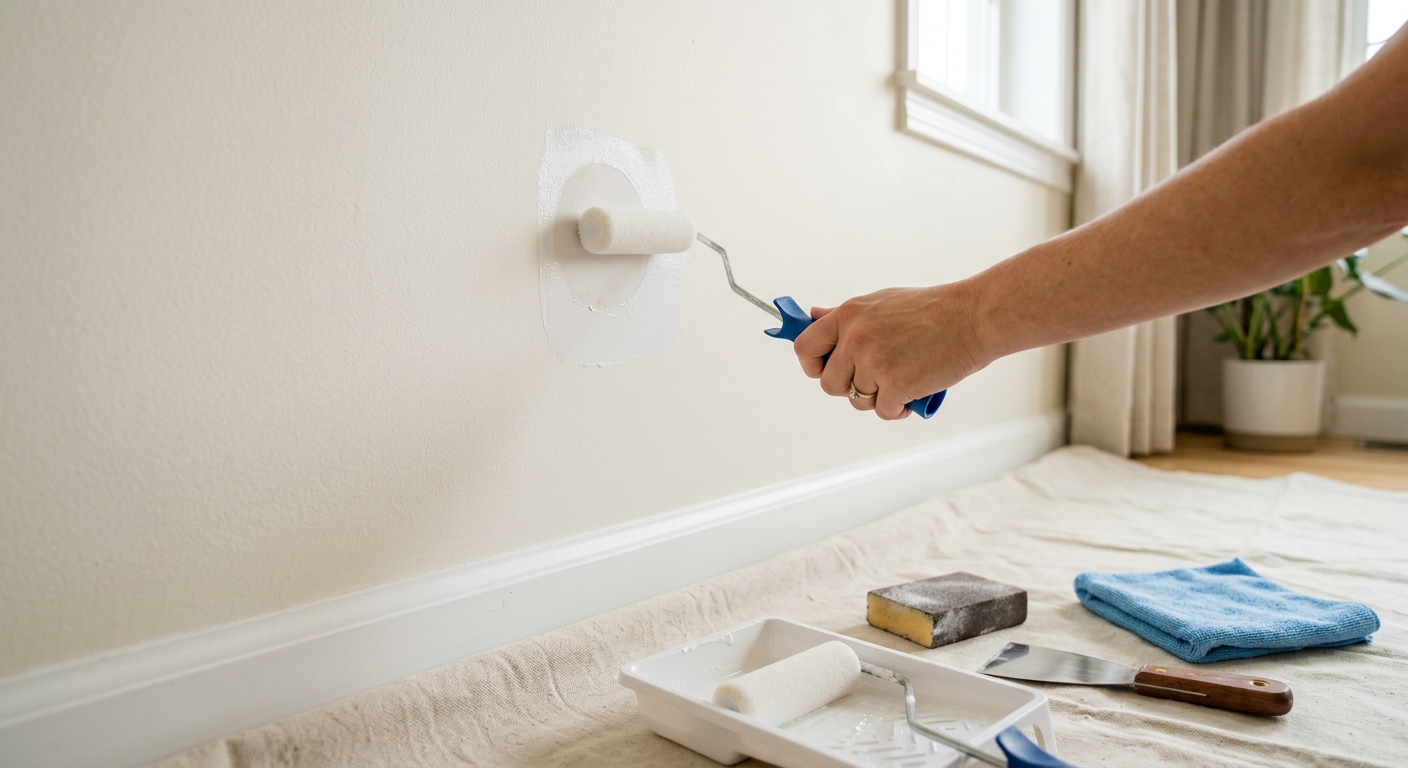
How Many Coats of Primer Over Spackle?
Seal repairs evenly without building unnecessary coats.
Read the guide →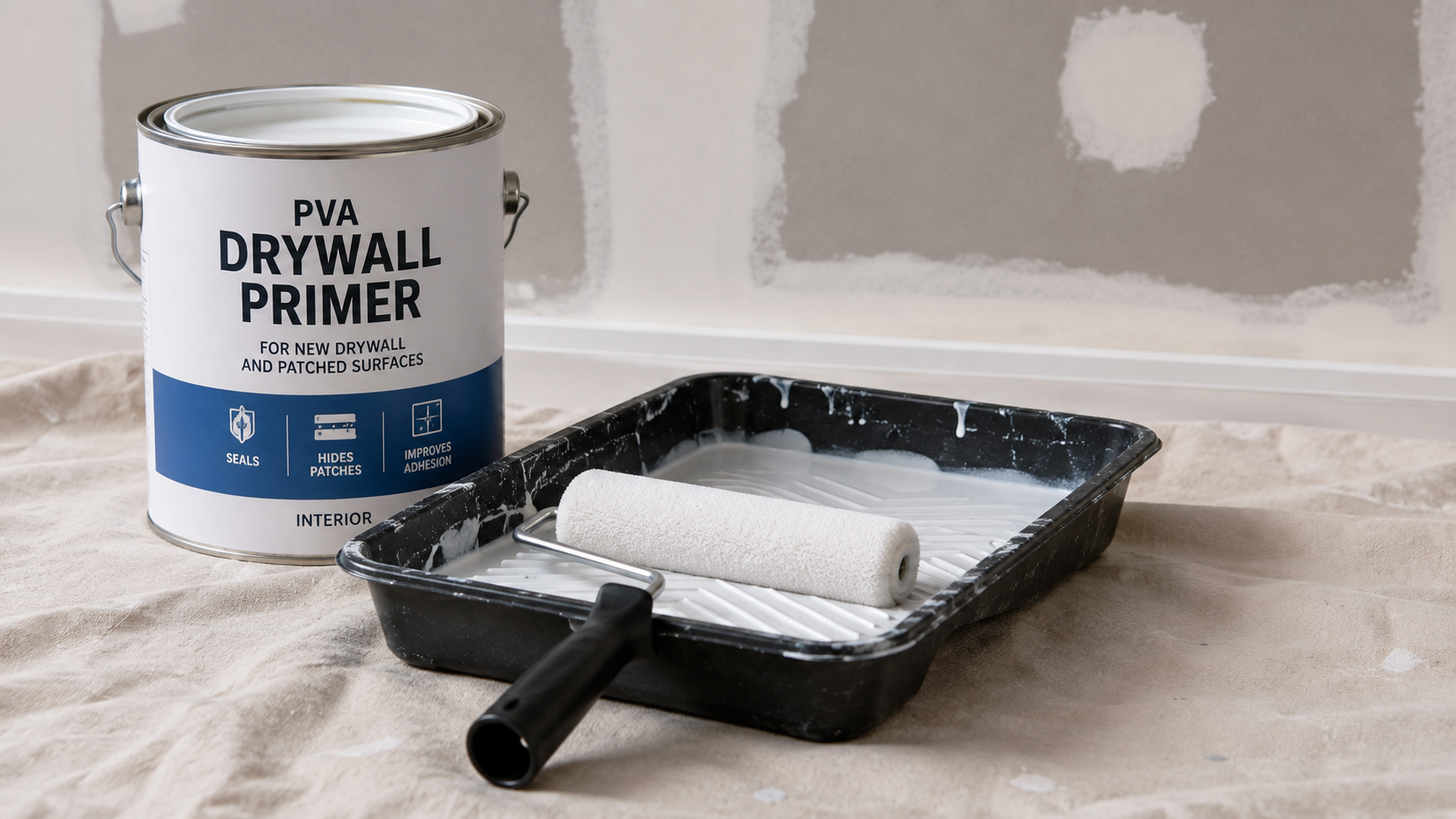
Can You Paint Over Spackle Without Primer?
Understand why bare patches often show through the finish.
Read the guide →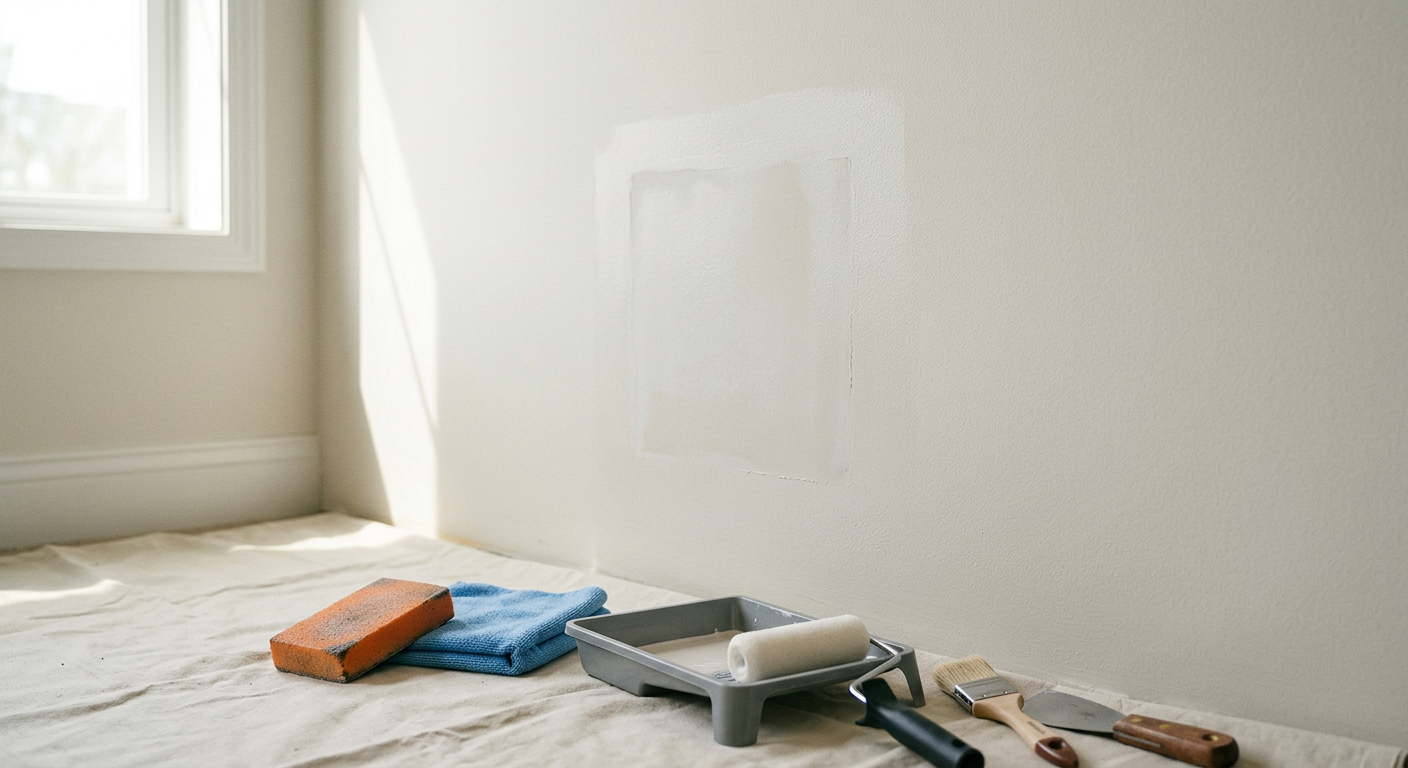
Paint Flashing Over a Drywall Patch
Fix sheen and texture differences that reveal a repaired area.
Read the guide →Diagnose the appearance before repainting
Blotchy, Patchy, Peeling, and Bubbling Paint
Use sheen, lighting, adhesion, moisture, and coverage clues to choose the right correction.
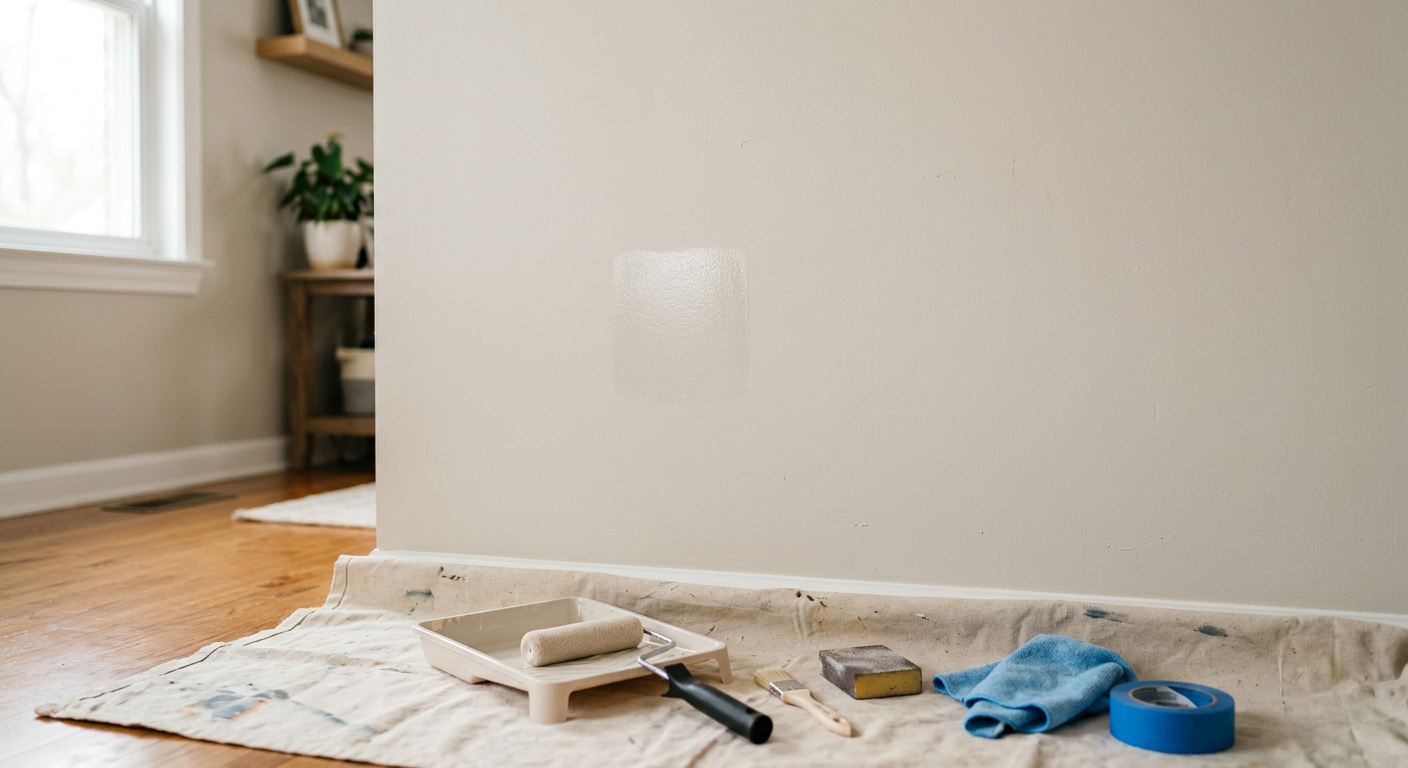
Why Touch-Up Paint Looks Shiny
Understand application, age, lighting, and surface differences.
Read the guide →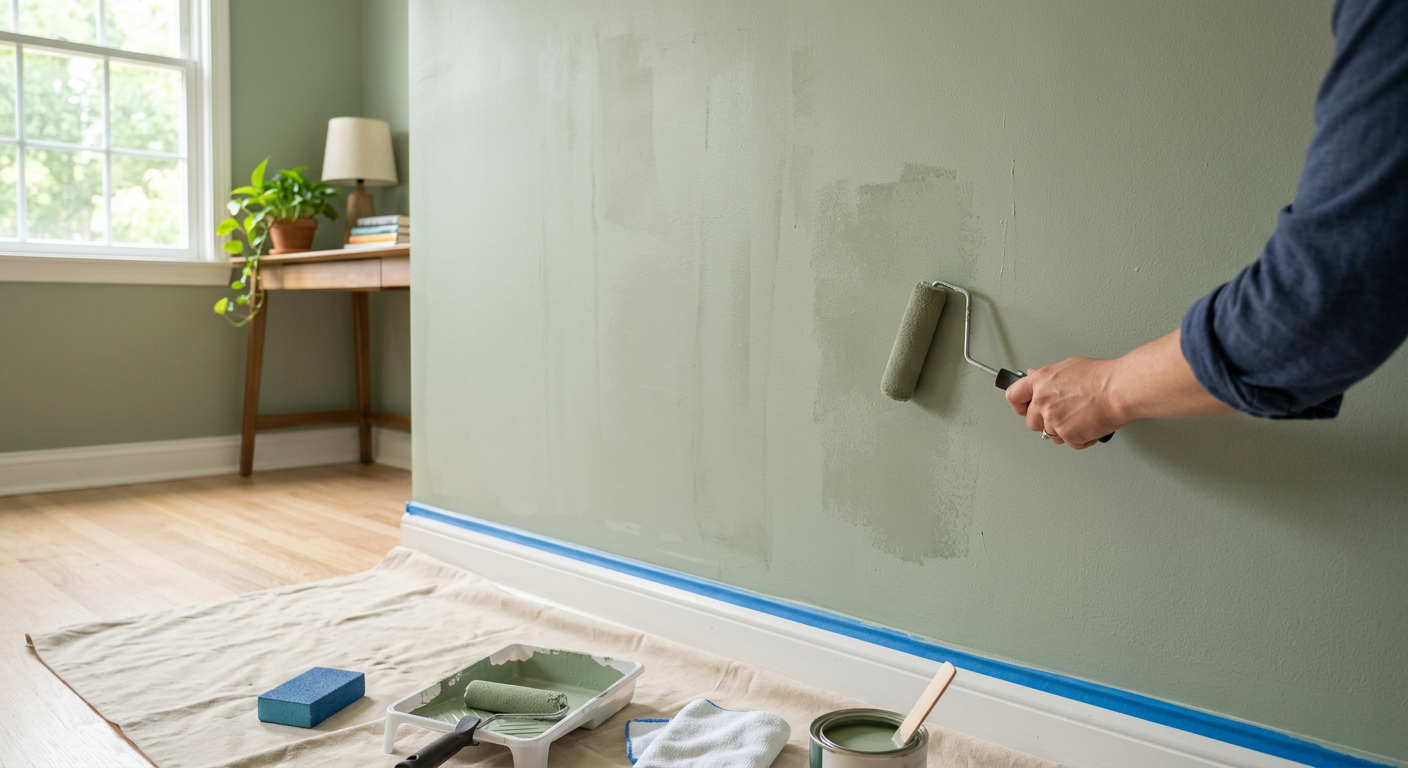
How to Fix Patchy Paint
Correct thin coverage, lap marks, and inconsistent application.
Read the guide →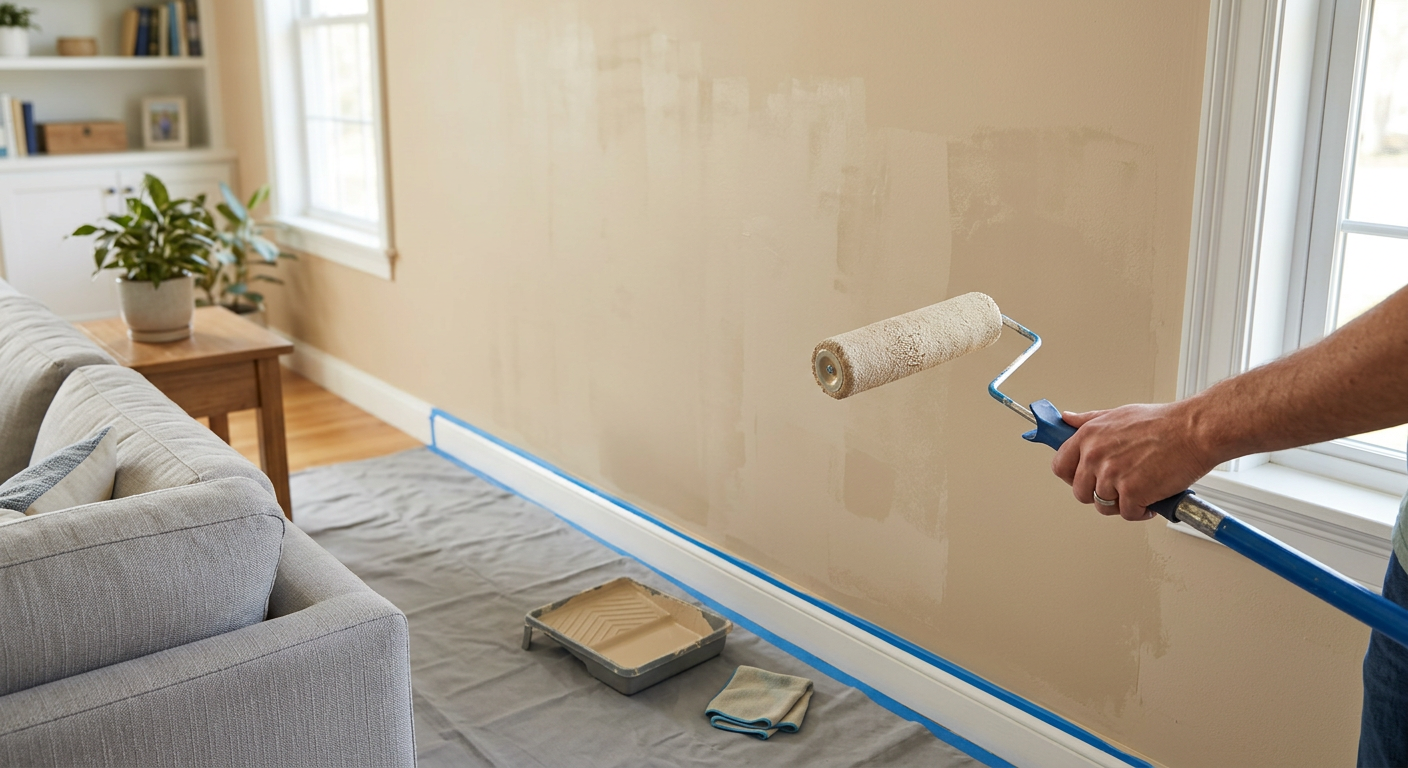
Why Wall Paint Looks Blotchy
Trace porosity, primer, rolling technique, and lighting effects.
Read the guide →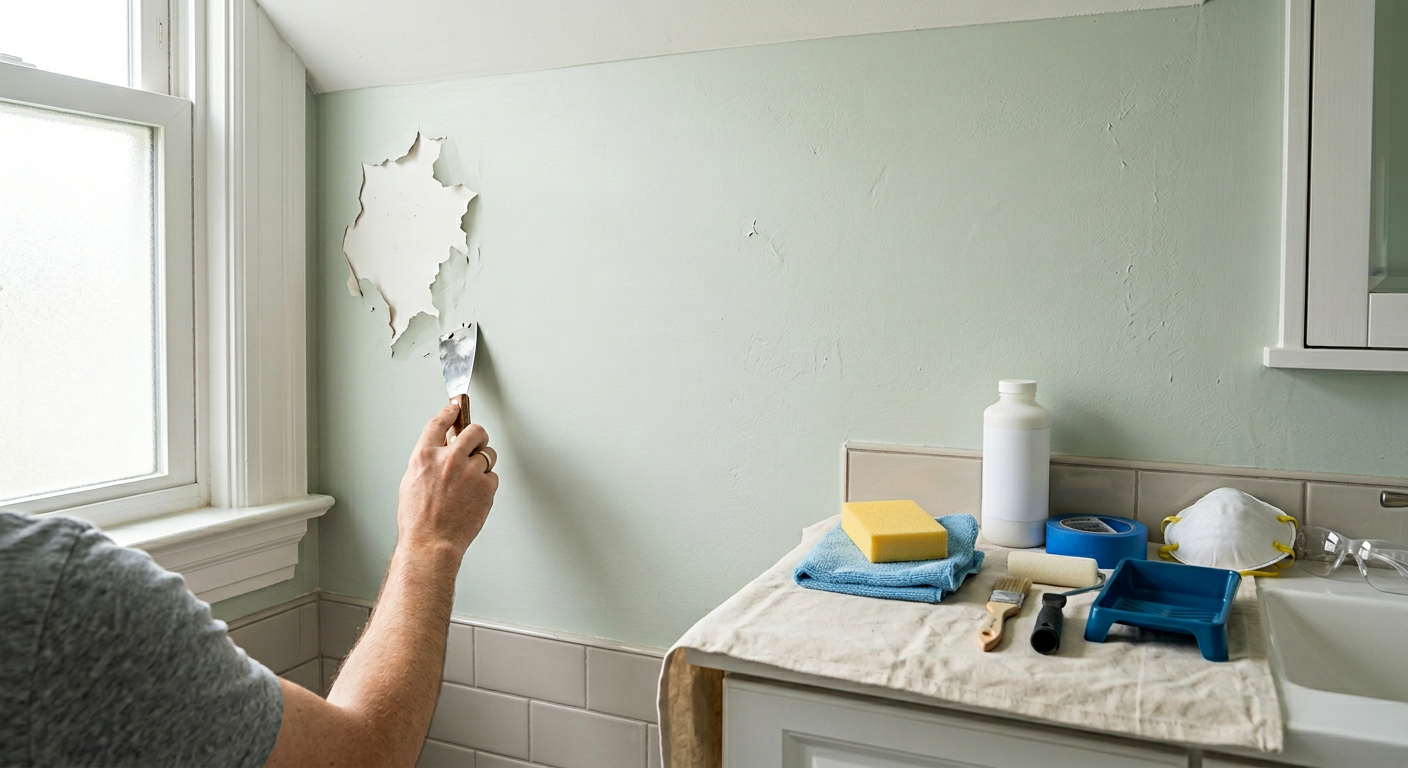
Paint Peeling Off a Wall
Find moisture, contamination, weak layers, and poor preparation.
Read the guide →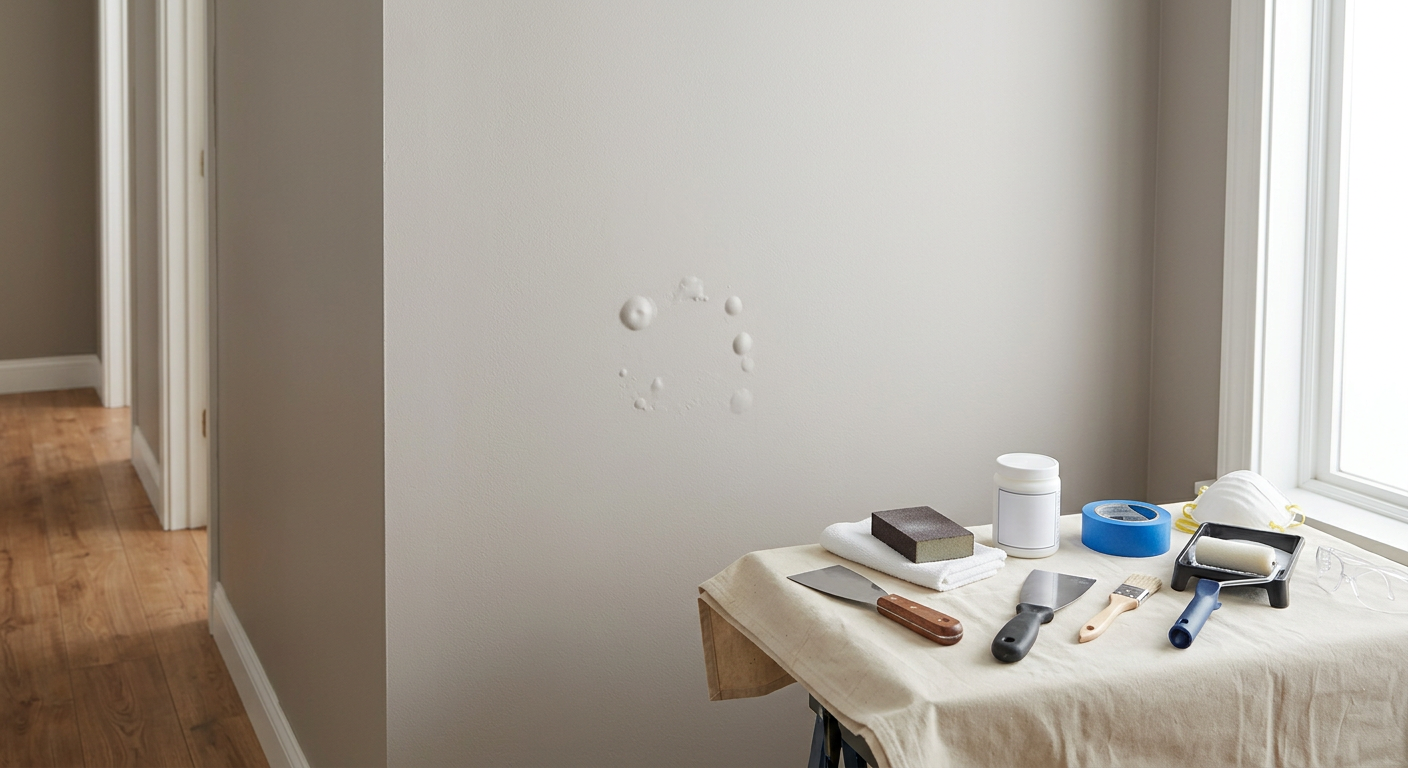
Wall Paint Bubbling
Separate trapped moisture from application and surface problems.
Read the guide →Protect the surface and create a cleaner edge
Painter’s Tape Selection and Technique
Choose the correct tack, seal the edge, and remove tape without lifting fresh paint.
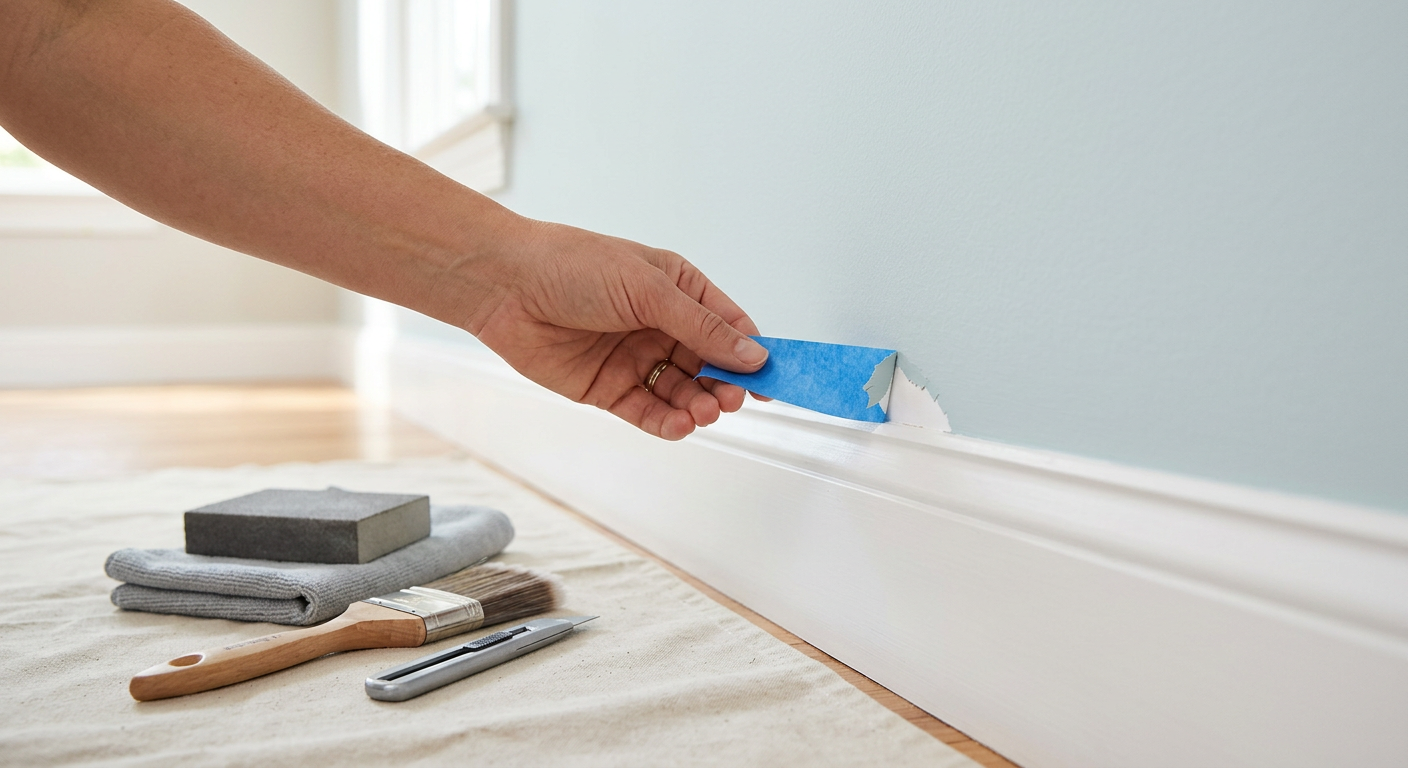
Paint Peeling When Removing Tape
Choose the right removal method and avoid lifting fresh paint.
Read the guide →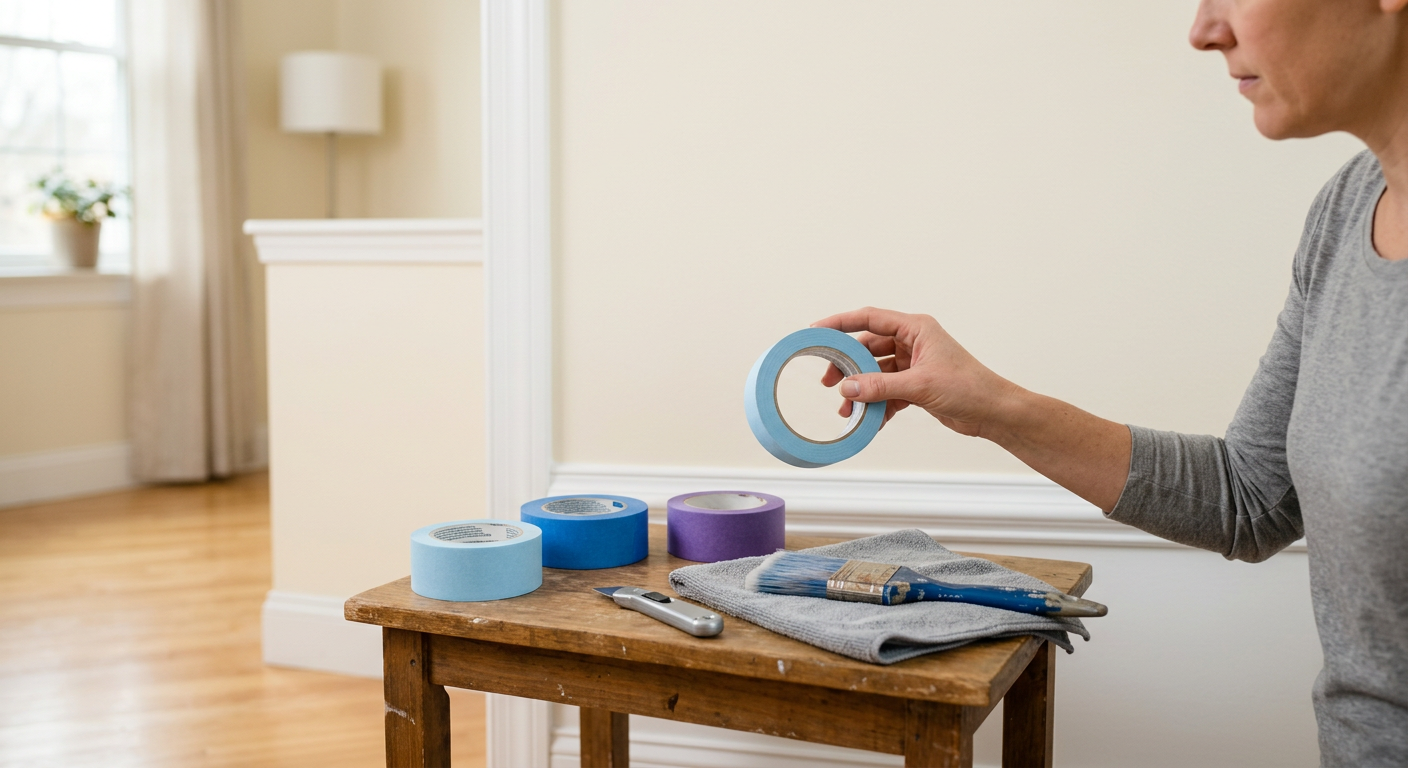
Best Painter’s Tape for Fresh Paint
Choose adhesion that protects new or fragile finishes.
Read the guide →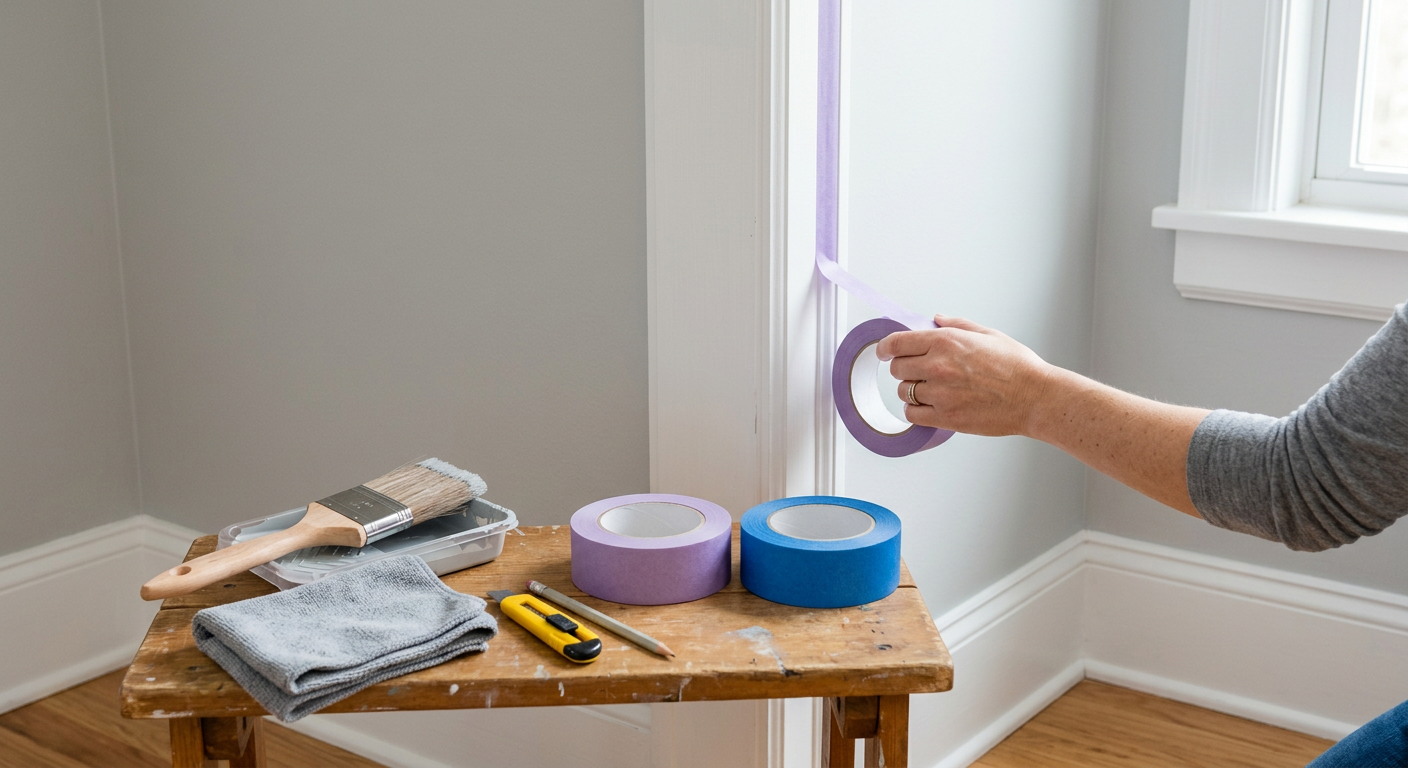
Delicate vs Regular Painter’s Tape
Match tack level and dwell time to the painted surface.
Read the guide →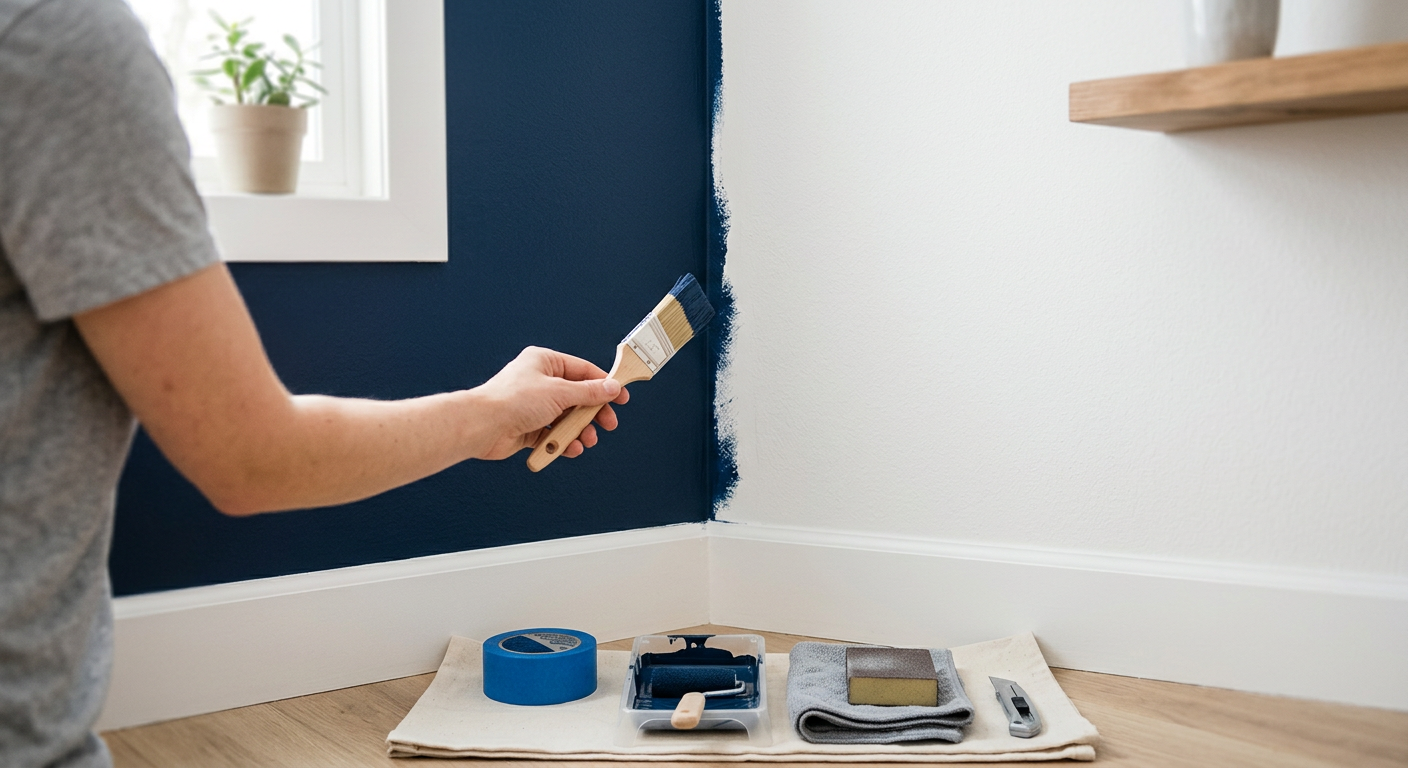
Why Paint Bleeds Under Painter’s Tape
Improve sealing, surface contact, paint loading, and removal.
Read the guide →Finish edges without cracks or brush marks
Caulk, Trim, Brushes, and Rollers
Sequence caulk and paint correctly, choose compatible products, and match tools to the finish.
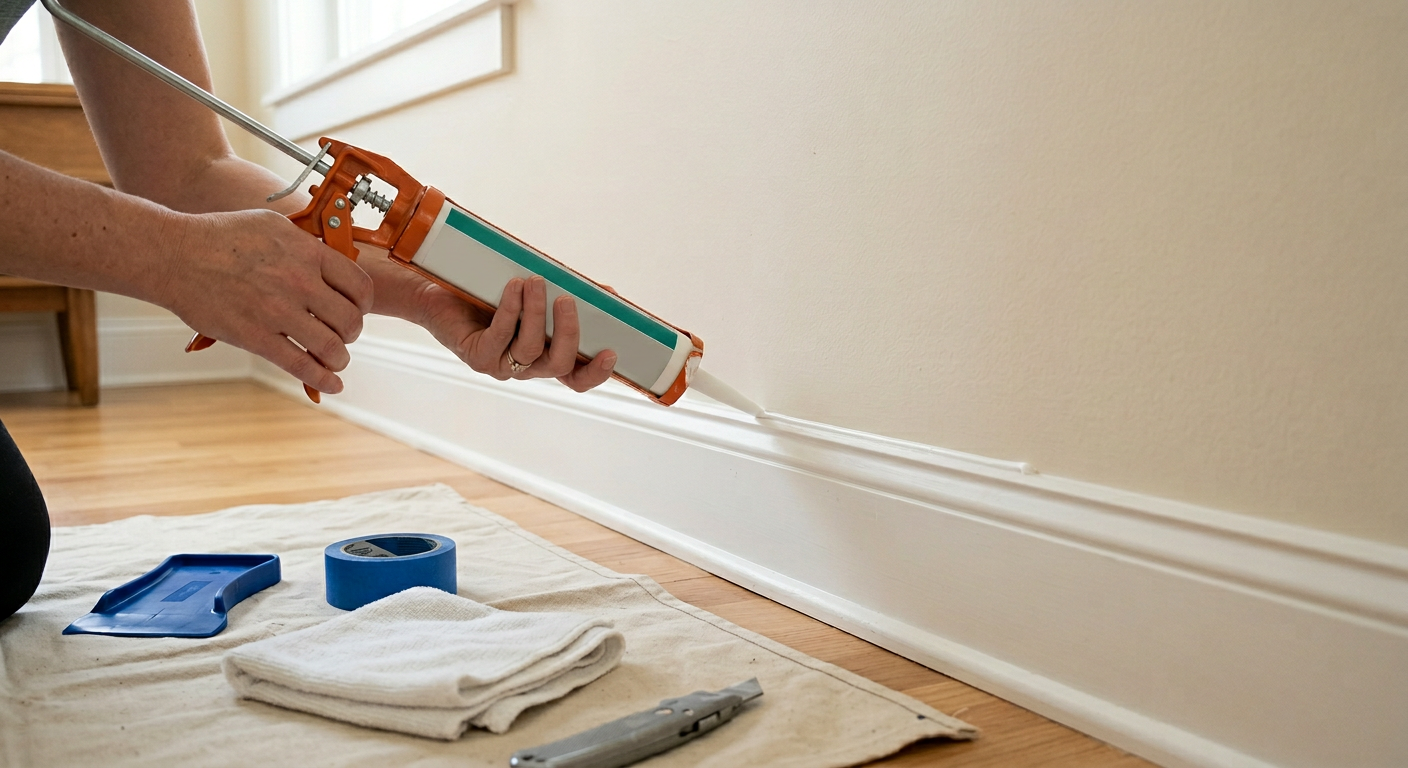
Caulk Before or After Painting?
Sequence preparation, caulk, primer, and finish coats cleanly.
Read the guide →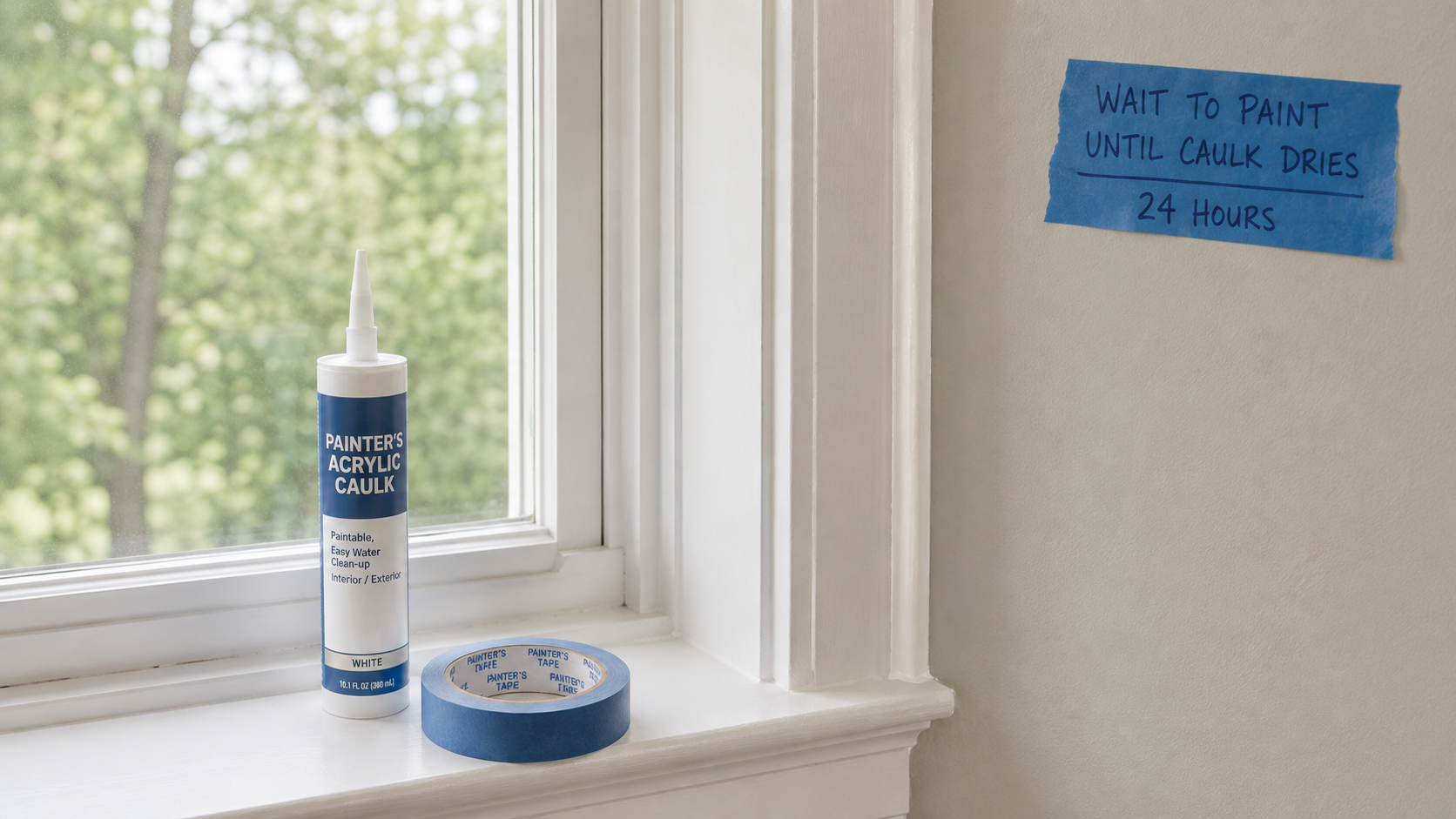
How Long Should Caulk Dry Before Painting?
Avoid wrinkling, cracking, and poor paint adhesion.
Read the guide →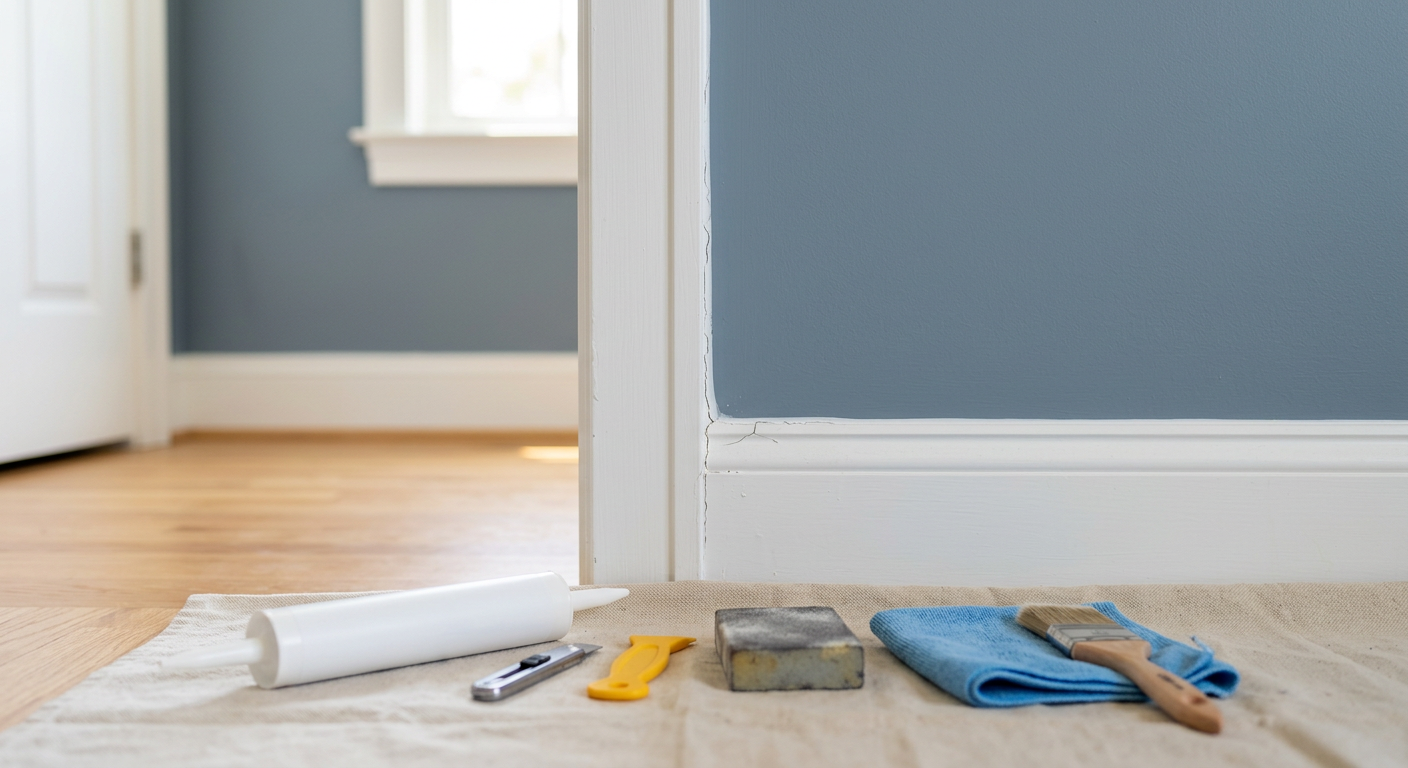
Why Caulk Cracks After Painting
Understand joint movement, bead size, product choice, and cure.
Read the guide →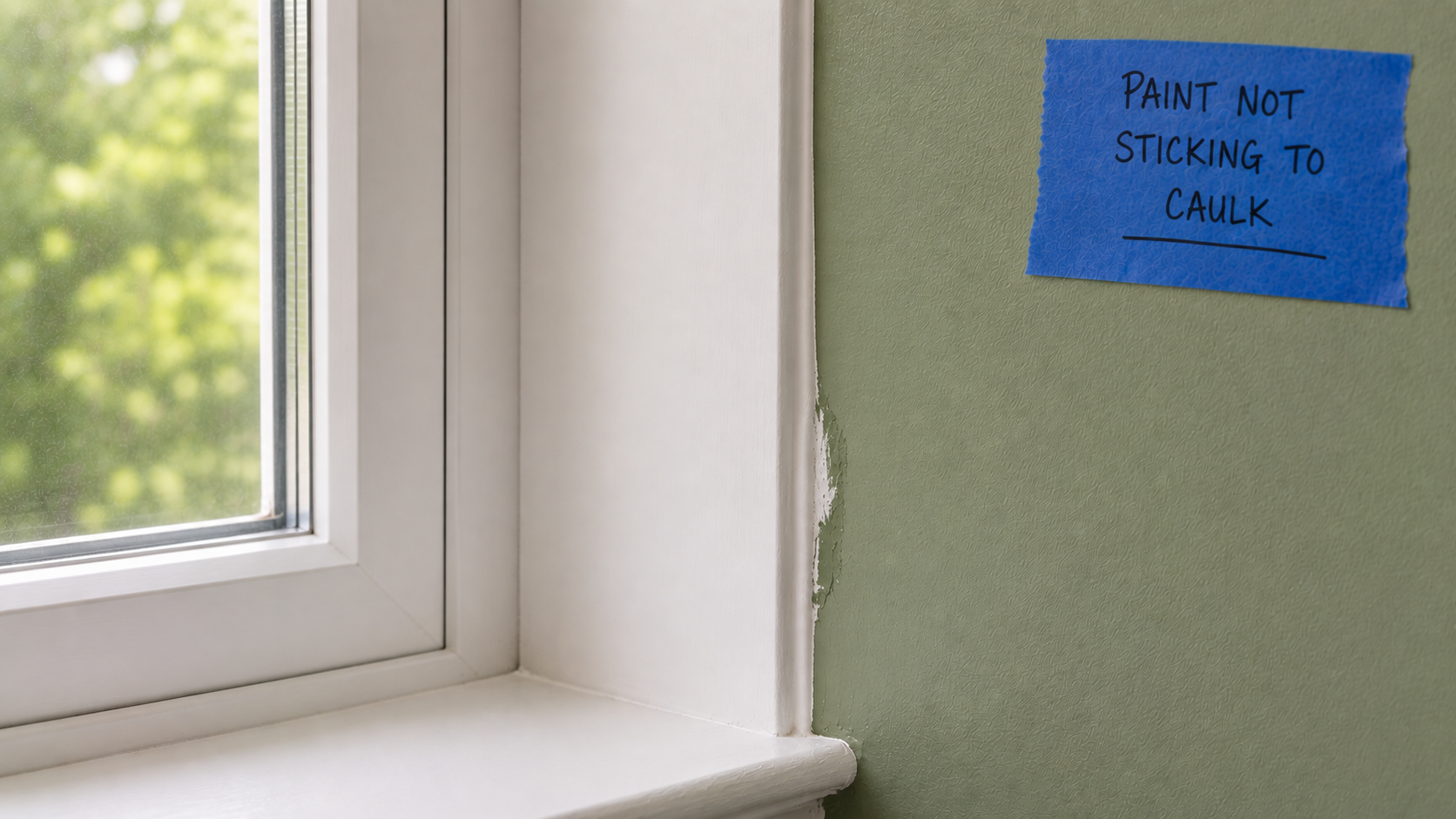
Paint Not Sticking to Caulk
Identify silicone, contamination, cure, and product mismatch.
Read the guide →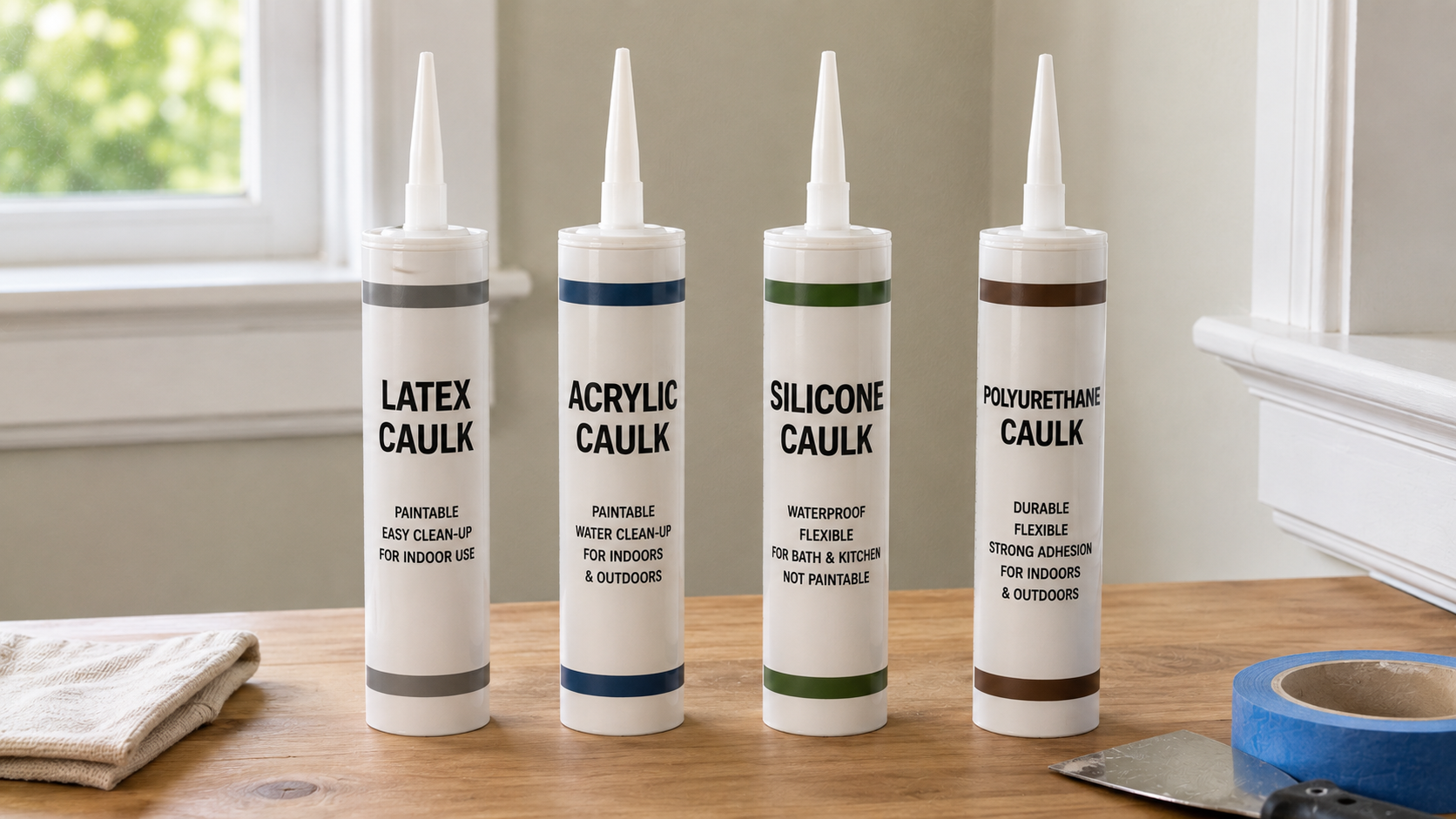
Best Paintable Caulk for Trim
Choose flexibility, paintability, tooling, and interior performance.
Read the guide →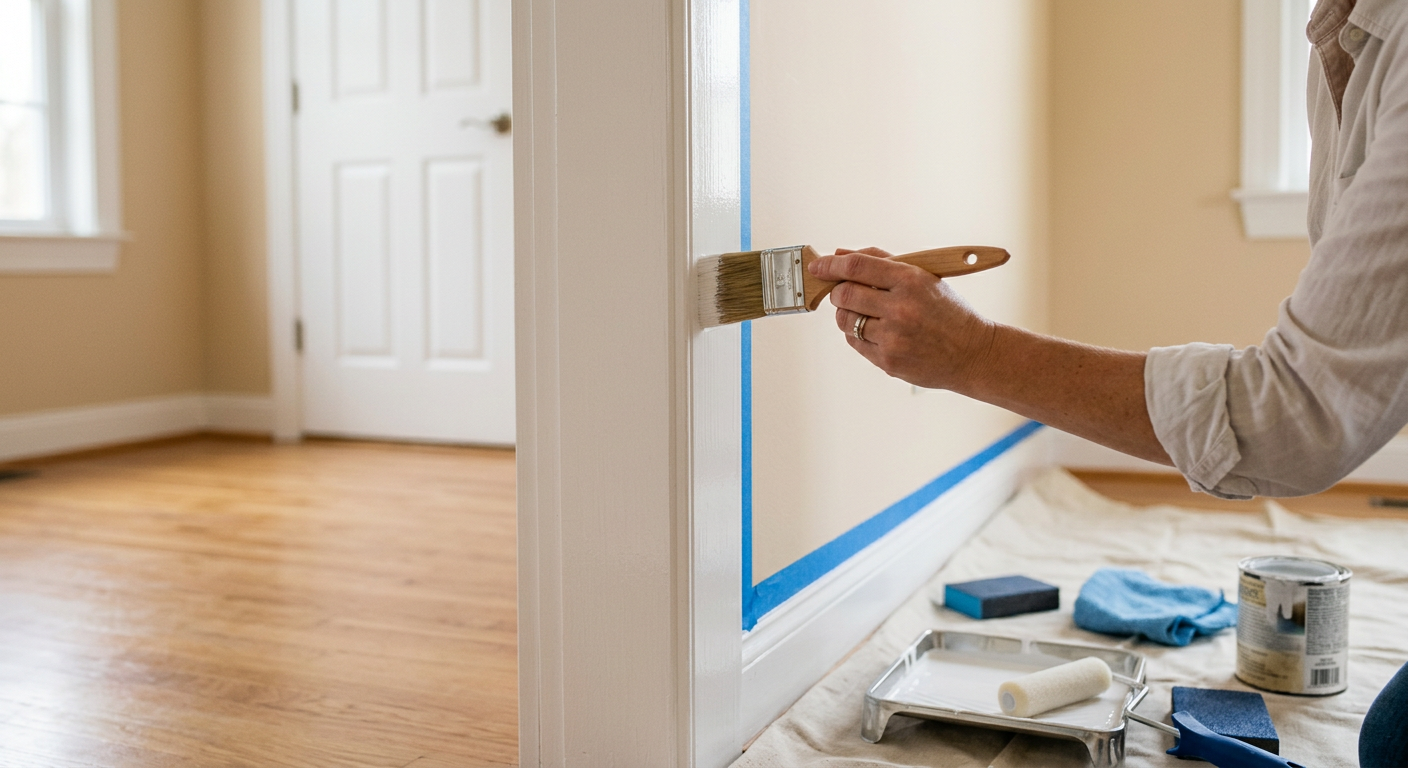
Paint Trim Without Brush Marks
Use the right brush, paint, loading, leveling, and timing.
Read the guide →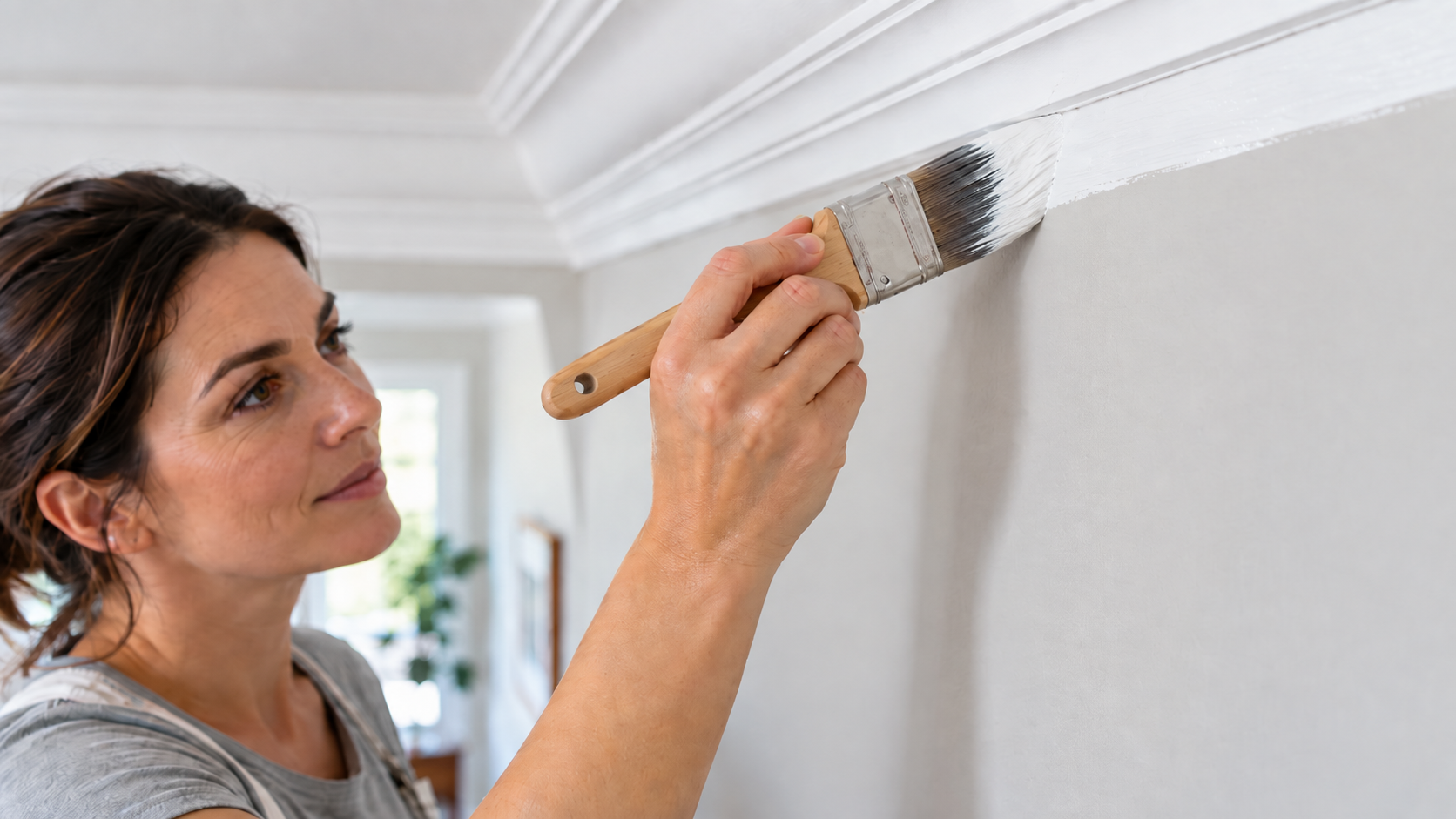
Best Paint Brush for Cutting In
Match shape, size, bristle type, and control to the job.
Read the guide →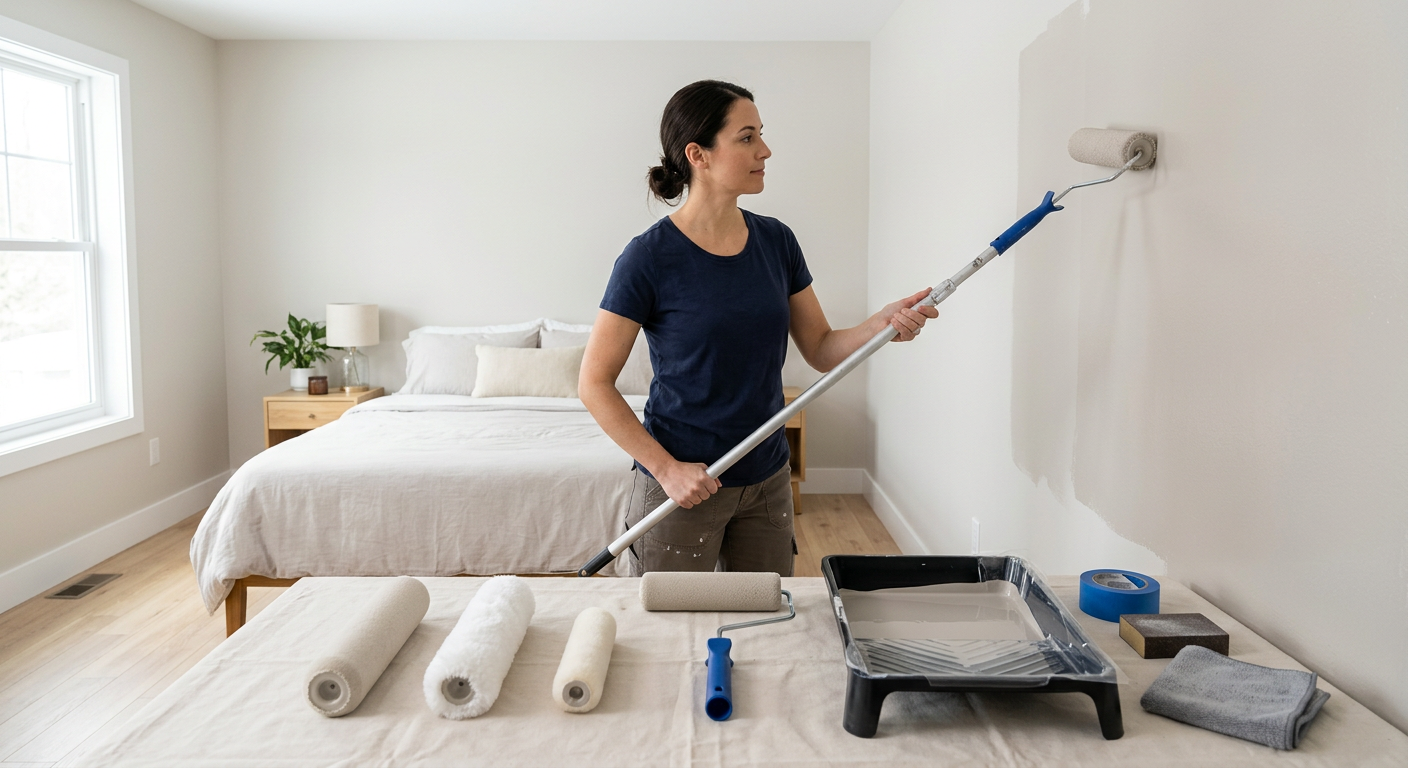
Best Paint Roller for Smooth Walls
Choose cover material and nap for cleaner, more even walls.
Read the guide →Match the repair method to the defect
Drywall Repair Materials, Tools, and Recurring Problems
Choose fillers, patches, sanding tools, and durable fixes for holes, bubbles, and nail pops.
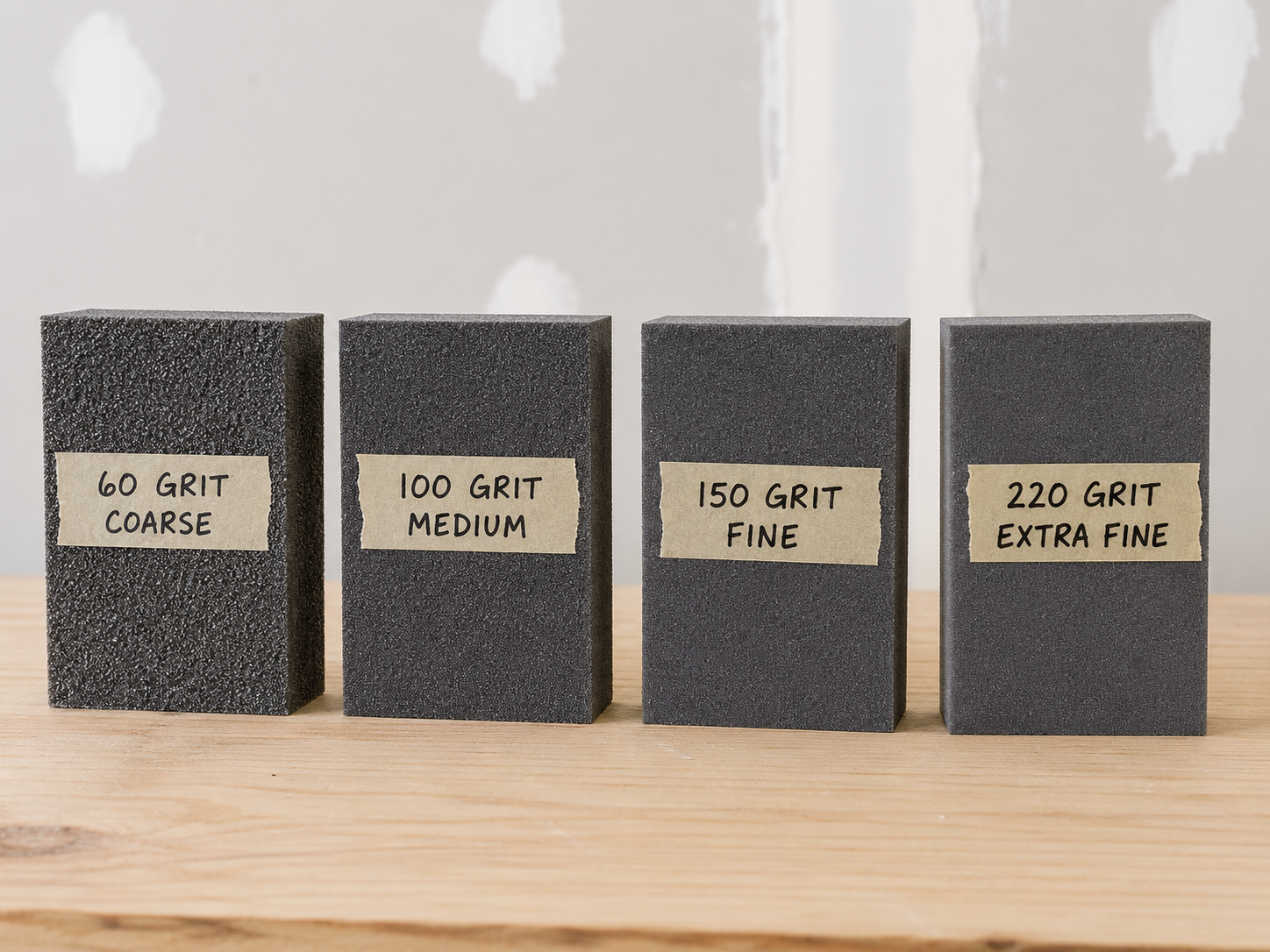
Best Sanding Sponge for Drywall Patches
Choose grit, firmness, and shape for small repairs.
Read the guide →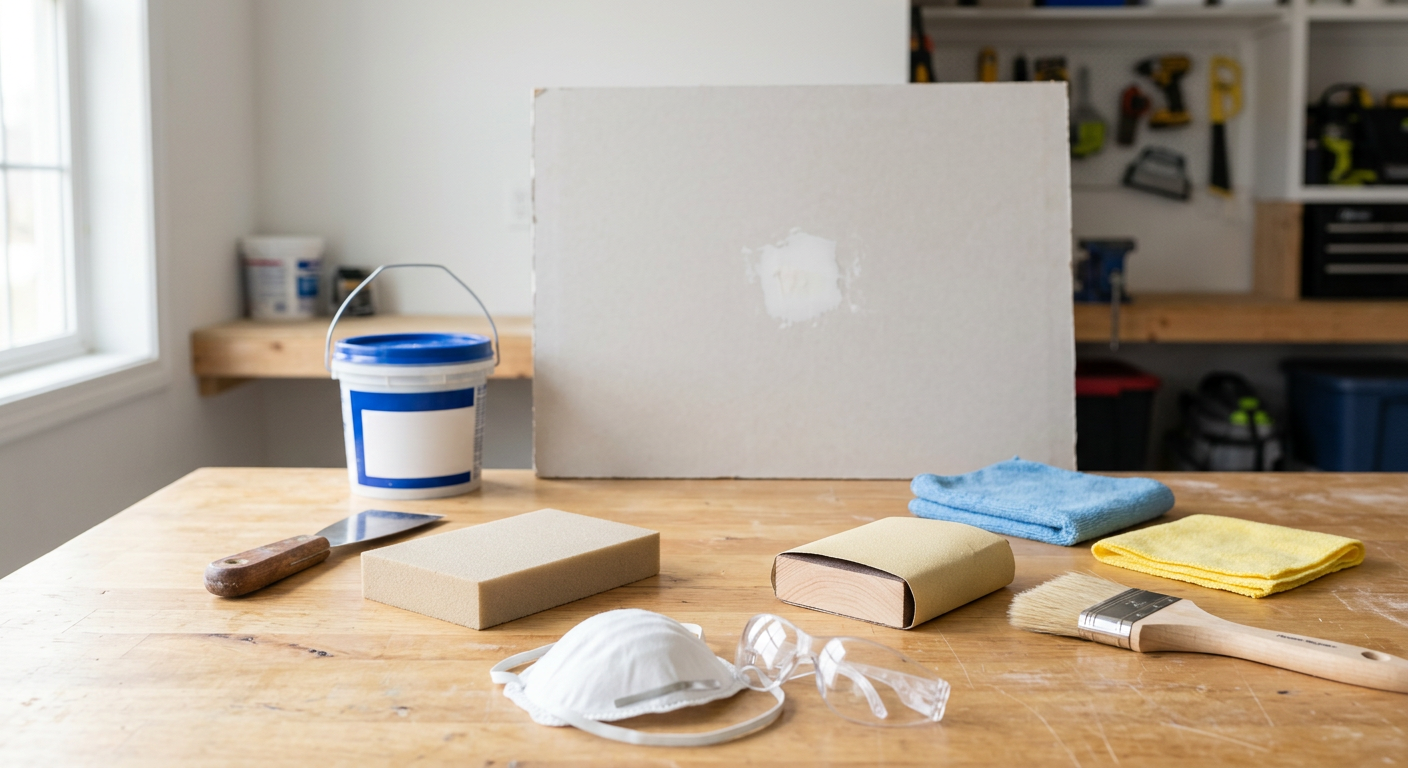
Sanding Sponge vs Sandpaper
Compare control, dust, durability, and flatness.
Read the guide →How to Spackle Nail Holes
Fill, level, sand, prime, and hide common nail holes.
Read the guide →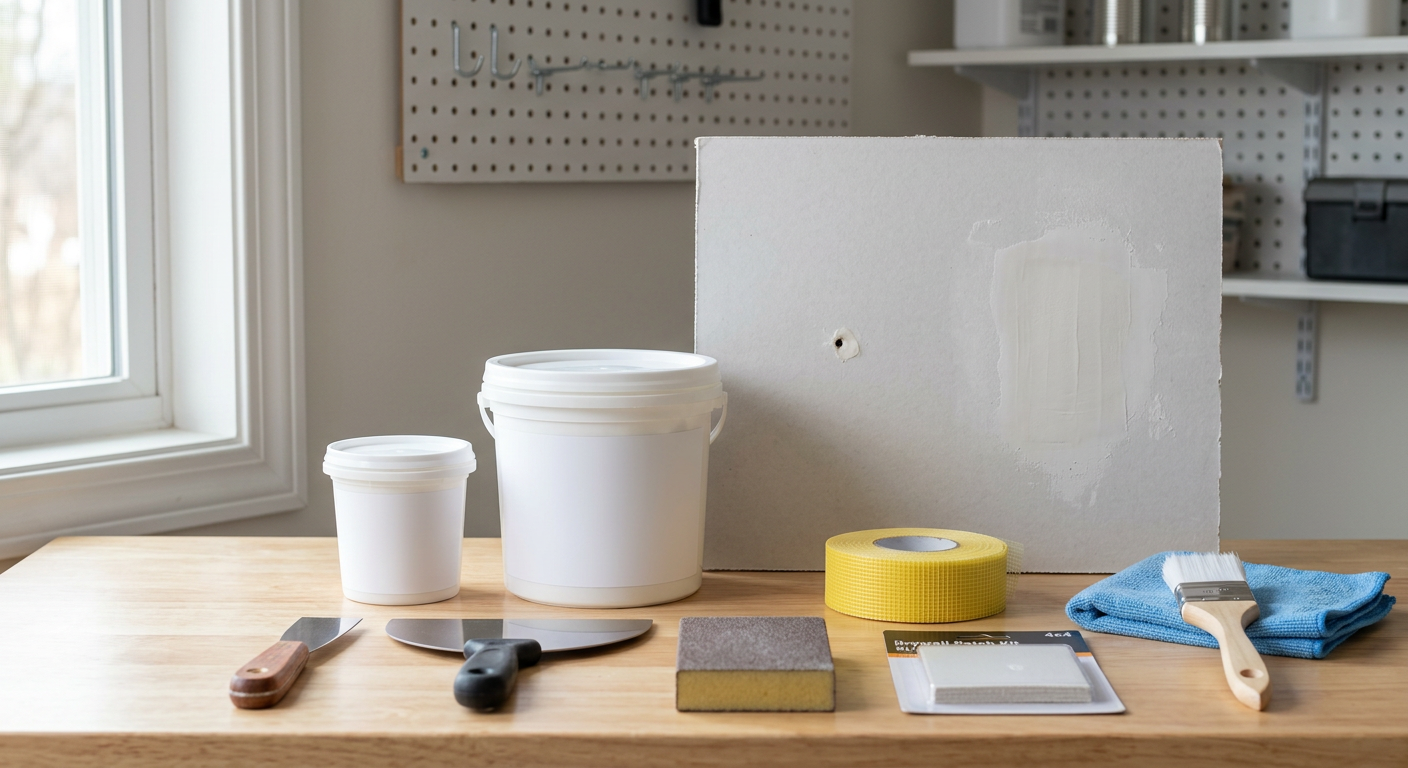
Spackle vs Joint Compound
Use the right compound for hole size, depth, and finish.
Read the guide →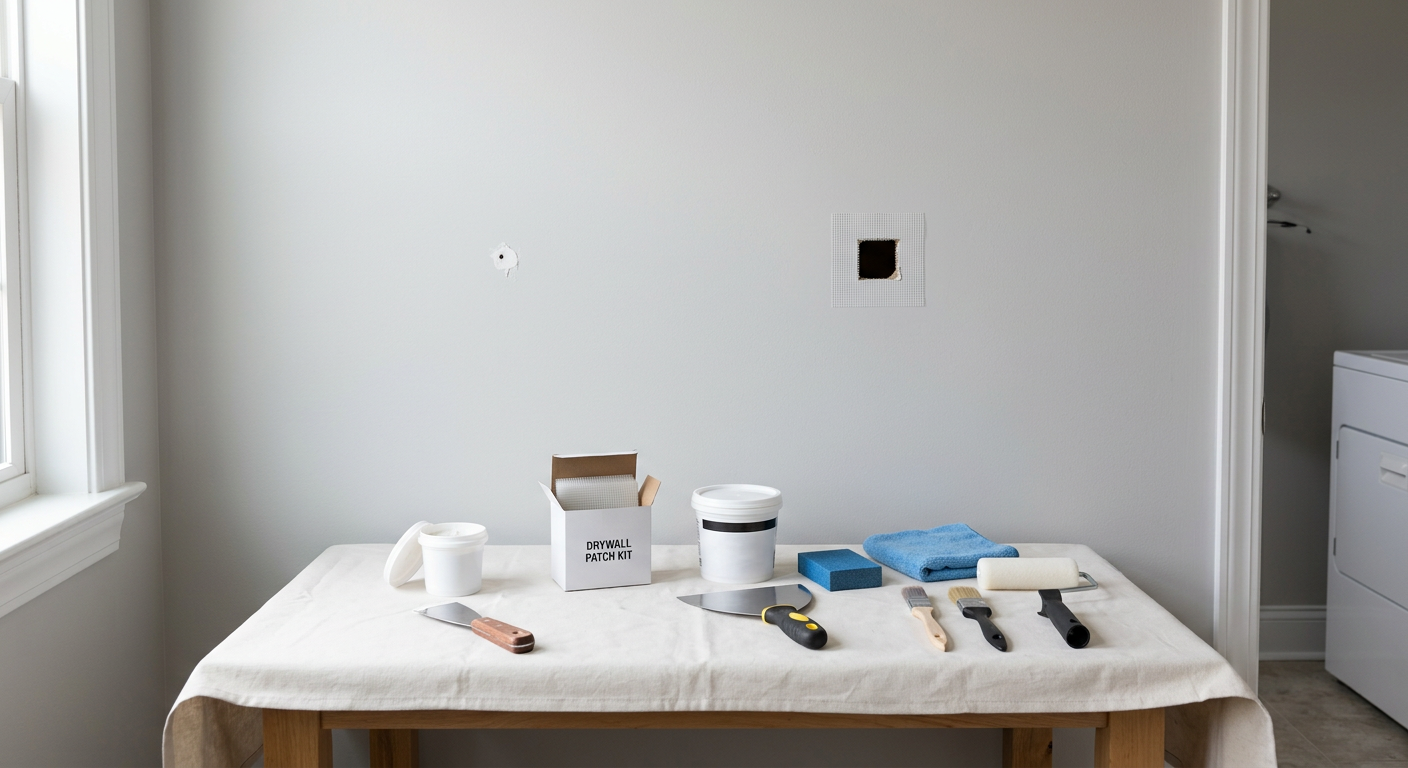
Drywall Patch Kit vs Spackle
Choose between filler-only repairs and reinforced patches.
Read the guide →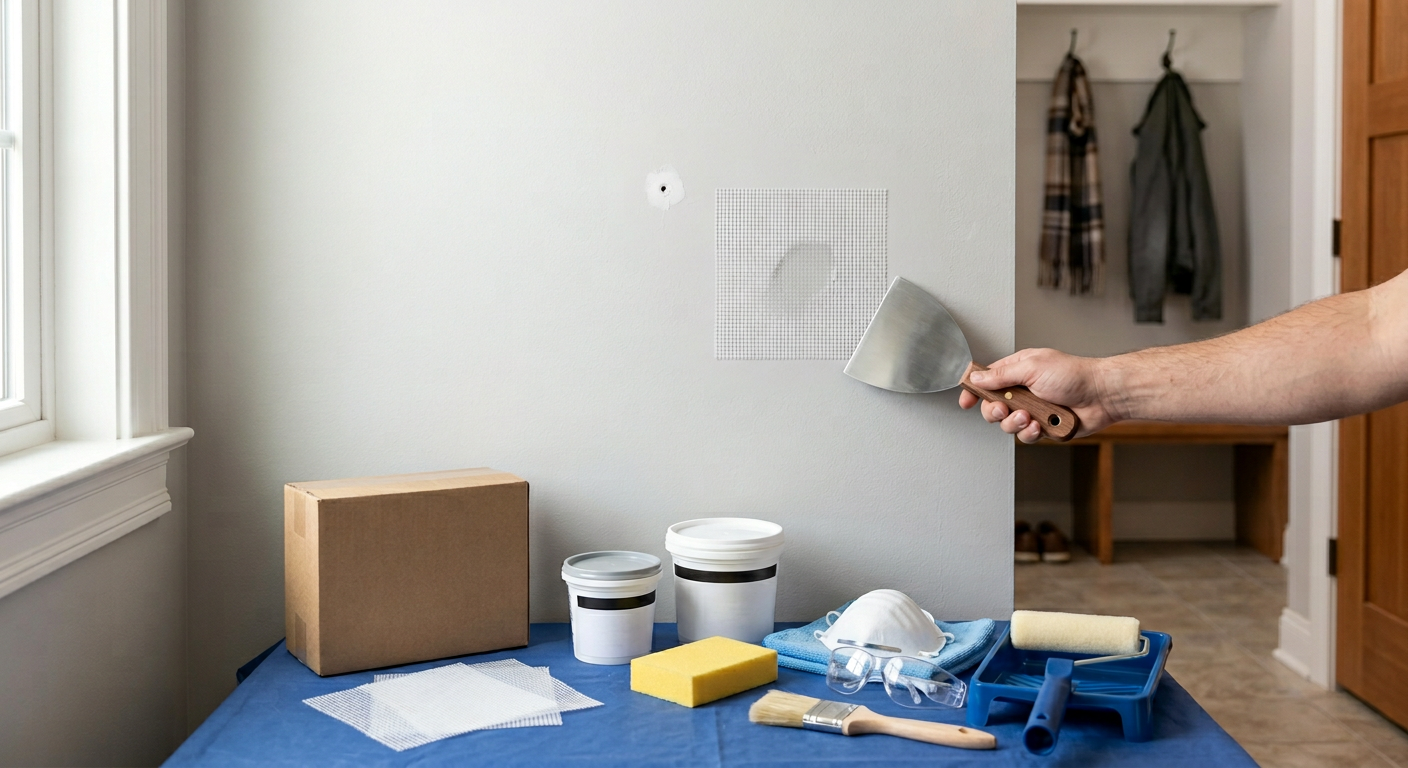
Best Drywall Repair Kit
Compare backing, mesh, compound, tools, and hole capacity.
Read the guide →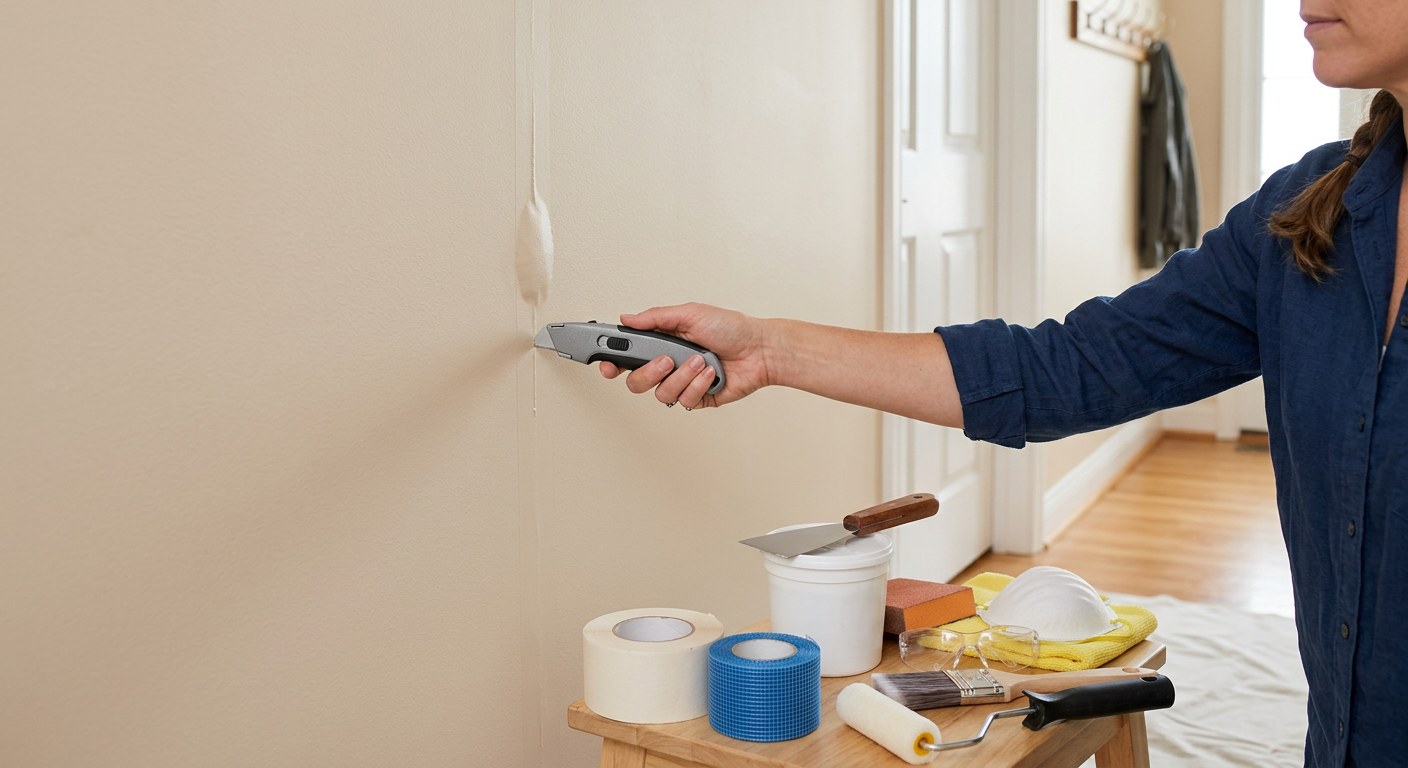
Drywall Tape Bubbles
Repair loose tape and address inadequate compound or adhesion.
Read the guide →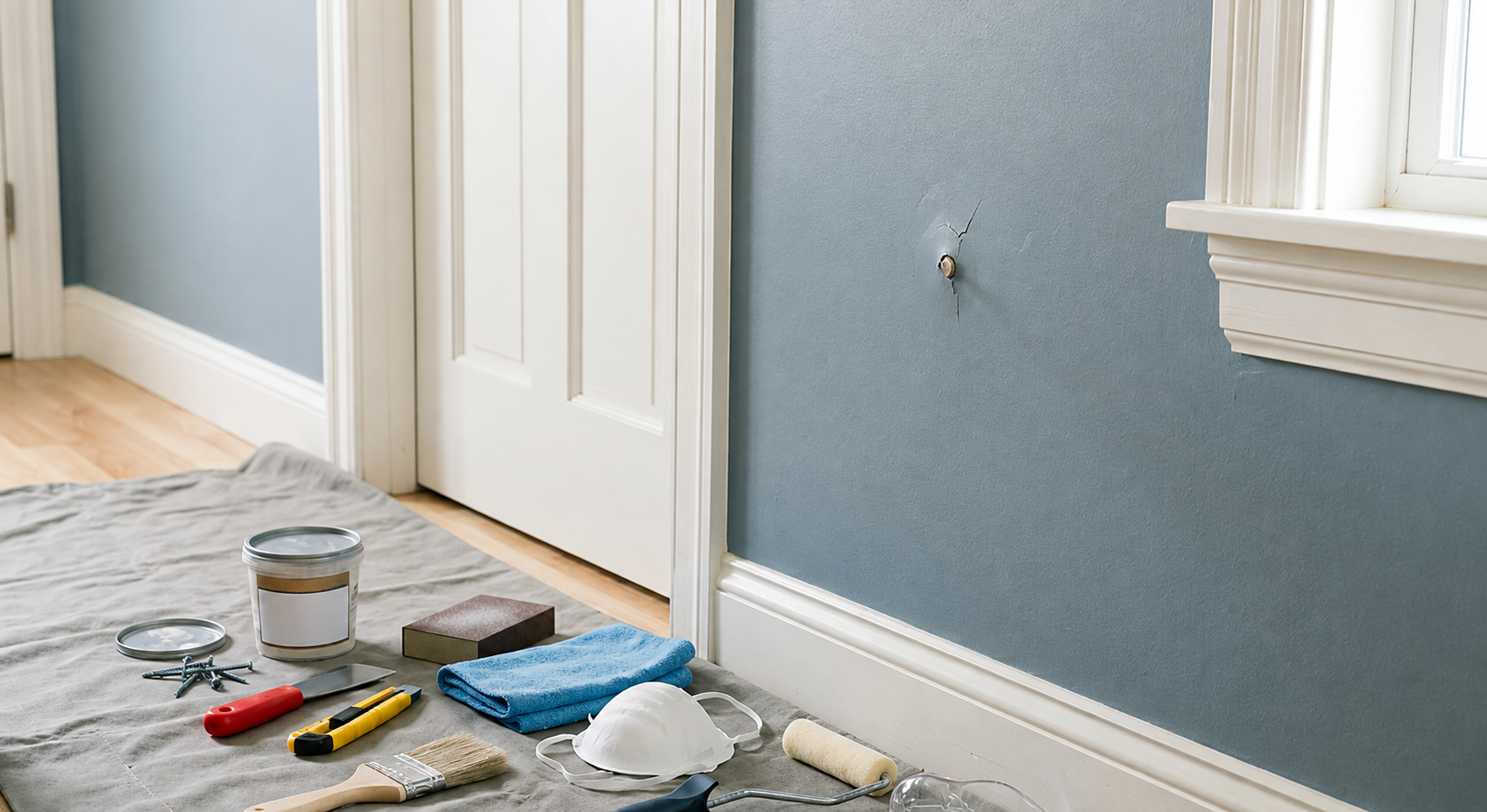
Why Nail Pops Keep Coming Back
Fix the fastener and panel movement—not only the surface bump.
Read the guide →Finished with this topic?
Continue exploring Home Repair Atlas
Move to another repair area or return to the beginning of the Walls, Paint & Drywall hub.
Complete Guide Library
All Walls, Paint & Drywall Guides
Every guide in one compact directory, grouped by the repair or finish problem it helps you solve.